
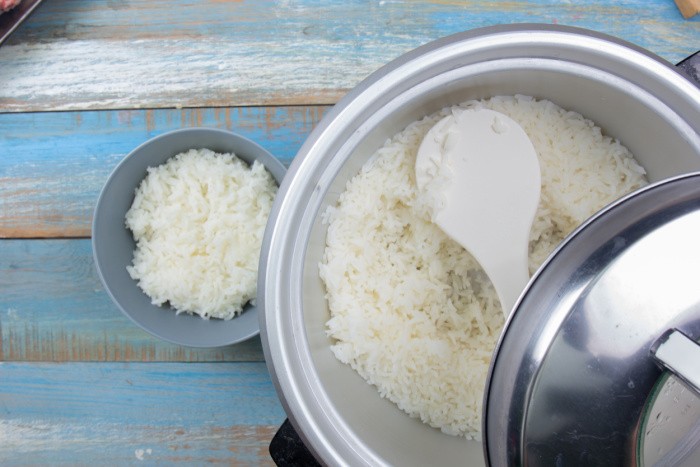
How to Cook Rice
This post may contain affiliate links. We may earn a commission if you purchase via our links. See the disclosure page for more info.

Today, we’re all about how to cook rice. It’s easy. Do you have a hard time cooking rice so it comes out the way you pictured? Please don’t feel bad about it; you’re not the only one. Many people struggle with cooking rice because there is a method you need to follow that they haven’t learned. We are eating rice four times a week right now. The price of groceries is so high.
Once you master that method, you can quickly learn to make rice at home, and you might eventually decide to experiment with different ingredients and flavors. After all, rice is an excellent side dish for serving many foods, including chicken, salmon, broccoli, pork, and more. I typically buy Jasmine rice and use a rice cooker. Rice Cooker
Here’s the deal: we can use a rice cooker, a pressure cooker, or even an Instant Pot; I get it. But, if you don’t have one, we must know how to cook rice on a Butane Stove or a gas stove in an emergency. In case you missed this post, Rice: Everything You Need to Know
Types of Rice for Your Kitchen
Long-Grain White Rice is the most common variety found in American pantries. It cooks up light and fluffy with grains that stay separate, making it perfect for everyday side dishes, fried rice, and pilaf.
Jasmine Rice is a fragrant long-grain rice native to Thailand. It has a subtle floral aroma and a slightly sticky texture when cooked, making it a favorite for Southeast Asian dishes and anyone who loves a little extra perfume in their bowl.
Basmati Rice hails from the Indian subcontinent and is prized for its nutty flavor and extra-long, slender grains that elongate beautifully when cooked. It’s the go-to choice for biryanis, curries, and Persian-style rice dishes.
Short-Grain White Rice is plump, tender, and naturally sticky, ideal for sushi, rice bowls, and Korean cuisine. Its high starch content makes the grains cling together, which is exactly what you want when eating with chopsticks.
Brown Rice is simply white rice with its bran layer intact, giving it a nuttier flavor, chewier texture, and more fiber and nutrients. It takes longer to cook but is a popular choice for health-conscious eaters.
Arborio Rice is a starchy Italian short-grain variety best known as the star of risotto. As it cooks, it releases a creamy starch that gives risotto its signature velvety texture; it’s not meant to be fluffy.
Sushi Rice is a specific type of short-grain rice seasoned with rice vinegar, sugar, and salt after cooking. While similar to regular short-grain rice, varieties labeled “sushi rice” are selected for their ideal stickiness and clean flavor.
Wild Rice isn’t technically rice at all; it’s the seed of an aquatic grass native to North America. It has a dramatic dark color, a chewy bite, and an earthy, nutty flavor that works beautifully in soups, salads, and stuffings.
How To Cook Rice
Choose the Type of Rice You’re Going to Use
The type of rice you’re using has a lot to do with whether it comes out perfectly. When you’re at the grocery store and looking at different bags of rice, you might notice that some of the bags say “short-grain rice,” “medium-grain rice,” and others say “extra long grain.” If you’re using medium-grain rice, use equal parts water and rice in the pot.
So, if you plan to cook two cups of rice, add two cups of water to your pot. If you’re using extra-long-grain rice, you’d need to use two cups of water for each cup of rice. Keep this in mind when you’re selecting the size of the rice you’re going to prepare.
The brand of the rice isn’t too important. While some people may argue that they like one brand better than the other, it’s not that big of a deal. You can use what is available to you and what you feel comfortable using. Price may also be an important consideration, depending on your food budget.
Add Oil to Your Rice Pot
Grab a pot large enough to cook the rice. If you’re fixing enough to feed your whole family, a medium saucepan may not be large enough. In some cultures, the pot used for rice is known as a Caldero. You must have a non-stick pot with a lid to properly cook rice on your stovetop. Next, add a tablespoon of oil to the pot.
While the exact type of oil isn’t too important, it’s best to use olive or vegetable oil. Turn the stove heat to medium-high and let the oil heat. Colombian Caldero, 4.8 Quart, Silver
Rinse and Add Your Rice
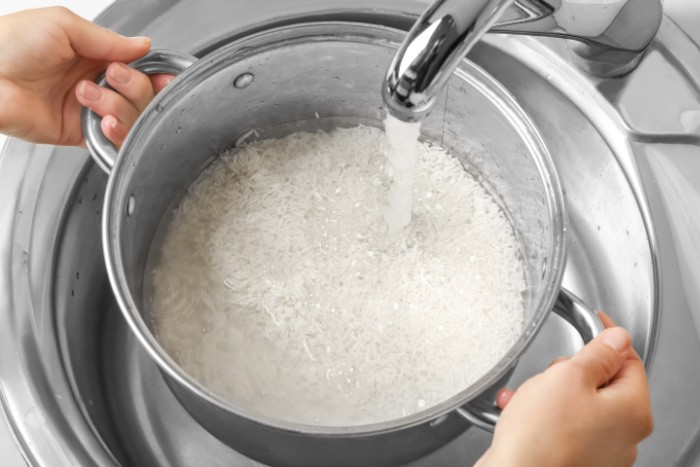
Measure the rice you plan to use, pour it into a colander, and begin rinsing it with cool water in the sink. Not everyone agrees with rinsing rice, but removing excess starch is a great way to get fluffy rice and prevent a mushy texture you might not like.
Once you’ve rinsed your rice for a minute or two, be sure to hold it in place, pour out any extra water into the sink, and then add it to the cooking pot with the hot oil. Use a plastic or wooden spoon to stir the rice for a good mix.
Add Water and Salt to the Pot
Next, measure the amount of water needed to add to the pot based on your selected rice style or size and how much you’re using. Add the water to the pot, and then sprinkle a teaspoon or two of salt into it.
Remix the rice, cover it halfway with the lid, and leave it on medium-high heat. Don’t go too far away; you want to stay close to the rice pot to watch when the rice absorbs the water.
Cover and let the Steam Work Its Magic
When you notice most of the water has been absorbed, remove the lid from the pot and add a sheet of foil on top. Use the foil to cover the pot before placing the lid back on top. Lower the heat on the stove to the lowest setting possible and leave your rice alone for at least 20 minutes.
Don’t touch the lid! You may feel tempted to open the lid and look inside to see how much progress you’re making, but that can disrupt things by letting the steam escape and leaving you with wet rice that doesn’t taste very good.
Remove the Lid and Foil to Fluff and Serve
After 20 minutes, remove the lid from the pot and carefully pull the foil off the top. Be careful with the foil, as a lot of steam will come from inside the pot. The steam can burn you if you’re too close.
You may notice that your rice looks perfect! Grab a fork to fluff it before serving it with a plastic or wooden spoon. It’s that simple. If you follow this foolproof method, you can easily make traditional white rice.
Another Way To Cook Rice
Deborah, one of my readers, suggests: “I do rinse the rice. But I bring the water to a boil with oil and salt added. Pour the rinsed rice in and bring it to a boil again. Boil for 5 minutes, then add the lid and turn off the heat. Let it sit for about 30-45 minutes. Usually, the rice is perfect and fluffy.”
For the past few months, we’ve been using an Aroma Select Stainless rice cooker as a new approach to cooking rice (see the “rice cooker” link above). You have the same rice-to-water ratio as explained above. It has a switch on the front to cook the rice, and then it automatically shifts to a “warm” setting. When the rice is ready, I put a paper towel over the hole in the lid so I don’t get burned when I remove the lid. This has proven to be a great rice cooker and pretty much fail-safe.
Add-Ins for Flavor
Some people like to use chicken bouillon when preparing their white rice. If you’d like to give the rice a bit more flavor, you can add the chicken bouillon as the liquid to the pot with the oil, right before adding your rice and mixing well.
The chicken bouillon doesn’t have an overwhelming taste, but it does add more flavor to the dish, so you wouldn’t need to add anything else if you didn’t want to.
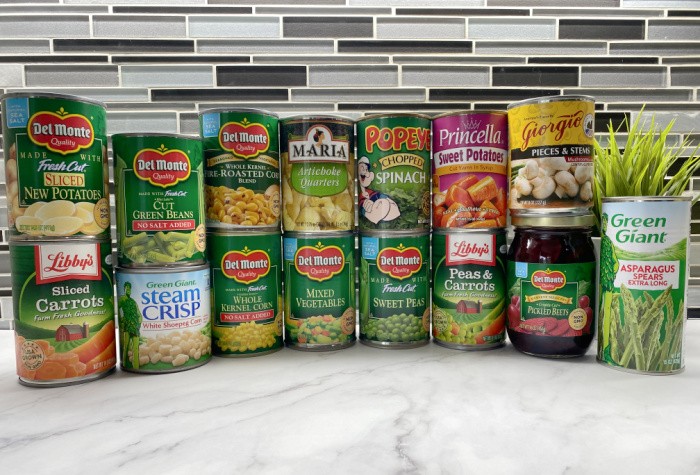
Some people add corn to their rice. Yellow corn adds a sweet touch to white rice and is an excellent addition to seafood and meat meal recipes. If you’d like to add the corn to your rice, feel free to toss it in when you’re adding the white rice to the pot.
If you don’t like corn, you can consider using peas or chopped canned carrots. It depends on what you prefer and want to enjoy with your rice.
What to Eat on Your Rice
While you can eat your rice fresh out of the pot, some other ingredients taste great when added to it for a different-tasting rice recipe. Soy sauce is a popular ingredient used on white rice and fried rice. It adds a tangy taste.
Sometimes Mark will take my rice, heat it up, and add some butter, much like you’d do with mashed potatoes. He’ll also heat a bowl of rice and put milk and sugar on it for his breakfast.
Coconut Aminos are a keto-friendly option for those who like tang without excess sugar. You can also enhance the flavor of your rice by adding chopped cilantro and fresh lime juice.
How to Freeze Rice
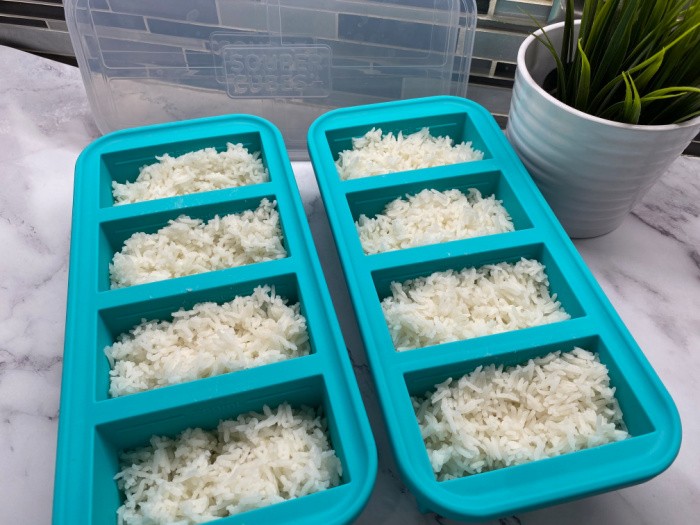
I love rice; I could eat it at every meal. So I grabbed some of my Souper Containers, cooked the rice, and then filled the “cups” with rice so I could freeze some individual servings. When it comes time to use the rice for a meal, I pull the container from the freezer, pop out one of the sections into a bowl, thaw the rice, or just add it to the other meal ingredients before heating things up to eat. Usually, one cup section is sufficient for a meal for both Mark and me.
Spanish Rice Recipe
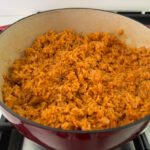
- 1/4 Cup Olive oil
- 1/2 Teaspoon Minced garlic
- 4 Cups Chicken Broth or 4 cups of water with 2 cubes Chicken bouillon (approx. one inch in size)
- 2 Eight-Ounce cans of Tomato Sauce, I use Hunt's Brand
- 1/2 Cup of chopped onions
- 2 Cups White Jasmine Rice
-
Sauté the rice in the olive oil with the garlic until slightly (barely) browned (do not overcook, stir constantly.
-
Boil the water with the bouillon cubes and tomato sauce in another pan, and set aside. **You can use 4 cups of chicken broth instead of the water and bouillon cubes.
-
Add the broth/tomato sauce mixture after the rice has browned, add the chopped onions, and stir. Bring it to a boil.
-
Place the lid on the pan and cook on low to medium heat for 25 minutes. Do not remove the lid.
-
After simmering, fluff the mixture with a fork. Put the lid back on and move off the burner.
-
Remove the pan from the stove and let it sit for 15-20 minutes.
-
Freezes well.
Final Word
Cooking rice isn’t too hard. If you follow these instructions, you can turn it into a science and always prepare delicious rice just the way you want it for that next meal. May God bless this world, Linda
Copyright Images: Rinsing Rice AdobeStock_136870136 by Africa Studio, White Rice AdobeStock_215243566 by Kungverylucky, Different Rice AdobeStock_218205225 by Pixel-Shot.






Thanks for reminding folks how to cook rice in an emergency. These days I’ve gotten lazy and mainly cook it in one of those smart rice cookers which are just about set and forget. Wonderful tools, but if the power goes out not so useful.
One important note: if rice is going to be your main food in an emergency it’s good to know how to reduce the arsenic that can be found in small amounts in a lot of rice. (see https://journals.lww.com/jpgn/fulltext/2015/01000/arsenic_in_rice__a_cause_for_concern.28.aspx for details)
Simple method for reducing arsenic in rice:
https://www.sciencealert.com/scientists-say-this-rice-cooking-hack-removes-arsenic-but-keeps-the-nutrients
Basically, you boil double the usual amount of water then add the rice and continue the boil for 5 minutes. Discard the original water (now contaminated with arsenic), and put the normal amount of clean water into the pot and cook as usual. Doing this will remove over 70% of arsenic from white rice (only 50% in brown) while leaving most nutrients alone.
Hi DmWalsh, thanks for the link, this will help all of us!!! I use my rice cooker too! But, you and I learned how to make white rice before rice cookers were a thing! I love it! Linda
I make my rice a tad different than you. I do rinse the rice. But I bring the water to a boil with added oil and salt. Pour the rinsed rice in and bring to a boil again. Boil for 5 minutes, add the lid and turn off the fire. Let sit for about 30-45 minutes. Usually the rice is perfect and fluffy.
Hi Deborah, oh, I like your way!! I’m going to add it to the post, thank you!! I think the more we teach people how to cook rice the better (without an electrical unit). Linda
Rinsing rice will reduce the amount of arsenic (which is highest in rice grown in Louisiana, Arkansas, Mississippi, Missouri, and Texas, and lowest in basmati rice grown in India and California), but it also washes away the vitamins and minerals it is enriched with. The arsenic levels shouldn’t be of concern for adults consuming a varied diet. But if rice is going to be a staple for young children, their cancer risks could double if the rice is grown in arsenic-contaminated soils. Incidentally, governments around the world started mandating that rice be enriched with vitamins over 100 years ago when people first started eating white rice. That’s when beriberi became a widespread and potentially fatal condition.
You should only add salt to boiling water. Adding it before the water boils is a sure way to pit and eventually ruin the bottom of the pan.
Hi Jennifer, great comment, thank you! Linda
Wow- great post. I’ve been making rice for ages. Clearly doing it wrong! It was always kind of glumpy. I’ll give your method a try. Just use a pot around here. Not big on kitchen gadgets that take up room. Living in Miami for so many years, we love yellow rice, Moros rice, and black beans and rice. Moros is my favorite, but it’s a pain to make, so I get it at a Cuban restaurant. Those little packets of Black beans/rice and yellow rice are good and inexpensive when on sale.
Thanks again for the great tip. Rice appears more on my menus now.
HI CAddison, thank you for your kind words! It’s for sure on my menu these days. I will look for the Moros brand of rice! I love any kind of rice! I’m not sure I can find it but black beans are my go to with any rice! Great comment, lets hope everyone stock up on some rice ASAP. It sure helps with the grocery budget! Linda
Moros rice isn’t a brand. I’ll see if I can find the recipe to make it. It involves cooking the black beans in the white rice with seasonings. It is magnificant.
Hi CAddison, I will check around for the recipe. I love any kind of rice dish. Linda
Love, love, love rice for breakfast like Mark does! It’s those Norwegian roots I have!
I just took a look. It’s actually Moro rice.
There are oodles of recipes online for it. The best, in my opinion, are Cuban. But, I’m from Miami originally, so I’m used to and love tradtional Cuban cooking.
Just use your search engine and you’ll find a recipe. I use Duck Duck go or Brave for searching….
It’s a cost effective delicious side dish or you can put meat in it. Cubans would use cooked pork.
Hi CAddison, I will do that, I want to make it! Linda
When I was a kid, we have rice with milk and cinnamon
Hi Barb, life is good with rice, milk and cinnamon! Linda
Hi Robbie, oh my gosh, I love hearing this! It has to be our Norwegian roots! Linda
Linda,
My first wife was Japanese American. She cooked rice by rinsing it, putting it in a pot and covering it with cold water to the depth of the first joint of her index finger, bringing it to a boil then reducing the heat to low and covering the pot for 15-20 minutes. Came out perfect every time so that’s how I still do it today.
Hi Ray, that how I do it in my rice cooker, cover with water to the depth of the first joint on the index finger! I love hearing this! Linda
I use Deborah’s method, except I use my home made chicken broth. Measure and rinse the rice, pour in double the rice volume of chicken broth; boil for 5 minutes, and turn off the stove. Really easy.
Hi Janet, sometimes I get busy and forget to rinse my rice. I love it with chicken broth. Homemade chicken broth is even better! Linda