
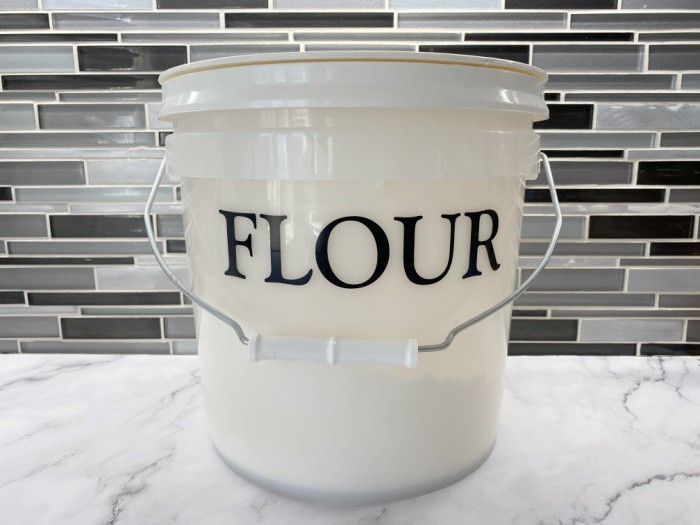
7 Important Reasons to Stock White Flour
This post may contain affiliate links. We may earn a commission if you purchase via our links. See the disclosure page for more info.

I have 7 important reasons to stock white flour. There has been much discussion about the health benefits of whole-grain flour compared to white flour. However, I stick by my white flour, and I know that it’s an ingredient to keep on hand at all times. White flour can be used to make so many different foods. In an emergency, you’ll need to make many more food items from scratch, so you should stock white flour. These are awesome for flour: One-Gallon Airtight Glass Jars
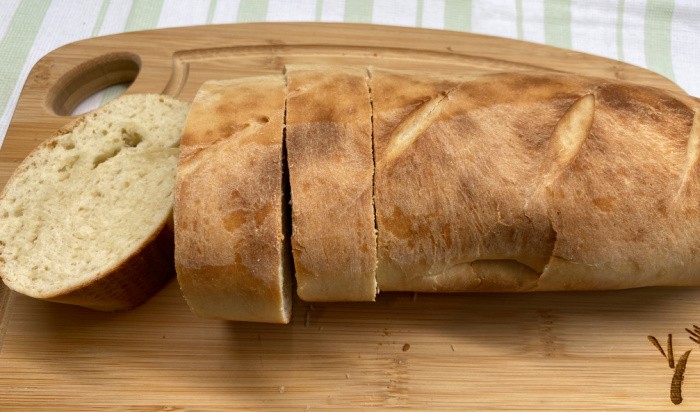
Mark went to Costco today (8-26-26), and they had only 10 25-pound bags of Lehi unbleached white bread flour. He didn’t see any all-purpose flour. If this doesn’t scare you, it should. He picked up two bags. My friends, please teach your family to make bread, biscuits, and breadsticks. They’re great with a pot of soup. French bread is also easy to make.
Of course, I stock wheat berries to grind my own whole wheat flour. It’s critical to stock both white and wheat flour if you want to learn to make bread. I can walk you through it; it’s so easy to do. You need fresh ingredients, and please store your yeast, dough enhancer, or wheat gluten in the refrigerator, with any excess in your freezer.
Should People Be Concerned About Flour Shortages?
If you’ve noticed flour prices creeping up at the grocery store, you’re not imagining things. There’s real data behind those higher price tags, and it’s worth understanding what’s happening so you can plan ahead for your family’s pantry.
What’s Actually Happening to the Wheat Crop?
The main story behind rising flour prices starts in the fields, not on the store shelf. Recent agricultural reports indicate the smallest winter wheat harvest in decades, with an estimated drop of about 25 percent from the previous year. The hardest hit variety is the type grown across western Kansas, eastern Colorado, and the Texas Panhandle, which came in more than a third below last year’s crop.
Much of that region has been dealing with severe and expanding drought. Farmers waited all winter and into spring for rain that mostly never came, and the dry conditions caused the crop to mature faster while producing less grain per acre.
This isn’t just an American problem either. Wheat production is also expected to decline this year in several other major growing regions worldwide. When multiple large wheat-producing areas struggle in the same season, the effects ripple through the global supply of flour and baked goods.
Why Your Grocery Bill Is Feeling It
Smaller harvests mean tighter supplies, and tighter supplies mean higher prices based on the time tested economic balance between supply and deman. Wheat prices have climbed sharply this year, reaching levels not seen in a few years.
It’s not only the crop itself pushing prices up. Rising fuel costs and trucking shortages add expense at every step between the farm and your kitchen. At the same time, steady demand from bakeries and food makers keeps buyers competing for the same tightening supply.
Even specialty flour numbers tell a similar story. Production of whole wheat flour recently fell to its lowest level on record, continuing a longer decline over the past decade.
Make sure you check out these 13 Surprising Uses for Flour!
Should You Be Worried?
Here’s the honest answer. A true nationwide flour shortage, meaning empty shelves everywhere, is not something the current numbers point to. What we are seeing is tighter supply and higher prices, not necessarily bare shelves. That said, tighter supply chains are more fragile, and a fragile system reacts more dramatically to any additional shock, whether that’s a poor harvest next year, a shipping disruption, or a sudden spike in demand.
This’s exactly the kind of situation that reminds me why we build a food storage pantry in calmer times rather than waiting until the shelves look thin. A little preparation now saves a lot of stress later.
Practical Steps for Your Family Pantry
Consider working these into your routine over the next few months.
- Buy a little extra flour each time you shop, spreading the cost out instead of buying in bulk all at once.
- Store flour properly in food-grade buckets with oxygen absorbers, or in the freezer if you’re storing only a small amount, to protect it from pests and extend its shelf life. Please note: I don’t use oxygen absorbers; it’s a personal thing. I try to use my flour within 12 months, so it stays fresh in my food-grade plastic buckets with Gamma lids.
- Rotate what you have. Use the oldest flour first and replace it, so your supply stays fresh and useful rather than sitting forgotten in the back of a cupboard.
- Learn to bake with wheat berries if you don’t already know how. Wheat berries store far longer than milled flour and can be ground fresh at home with a simple grain mill.
- Branch out with alternative flours such as oat flour or cornmeal in some recipes, which spreads your dependence across more than one crop and gives your family variety as well.
- Keep an eye on sales and stock up when prices dip, since flour prices tend to move with the seasons and with harvest reports.
A Word of Encouragement
None of this is meant to cause fear. It’s meant to help you feel calm and capable no matter what the headlines say about crop reports or commodity prices. Families who keep a modest, well-rotated pantry are simply better prepared for the ordinary bumps in life, whether that’s a poor harvest season, a supply chain hiccup, or just a busy month when a grocery run gets delayed.
In case you missed this post: How to Make Hardtack Recipe
7 Important Reasons to Stock White Flour
Why should you stock white flour?
It would be best to stock white flour, a key baking ingredient. Without it, bread, cakes, pastries, cookies, muffins, and other desserts wouldn’t be possible. Having several pounds of white flour stockpiled is wise in case of an emergency. White Flour
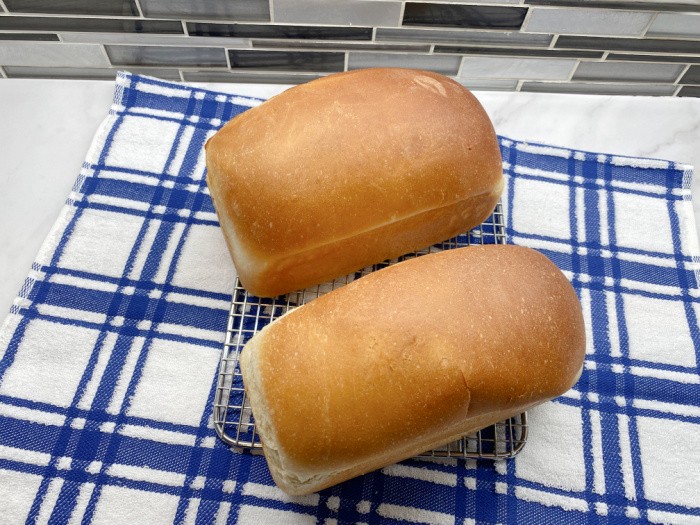
1. Make Your Bread
Bread is one of the oldest and most popular foods in the world. It’s also one of the simplest to make. All you need is flour, water, salt, and yeast. While there are many different types of bread, white bread is one of the most common and favorite recipes for home consumption. How To Make My No-Fail Homemade Bread
There’re many reasons to make loaves of bread, but one of the most important is that it tastes better than store-bought bread. Store-bought bread is often made with cheaper ingredients and preservatives, which affect flavor and texture. Whether purchased at a store or made by home bakers, white bread is a staple in every household.
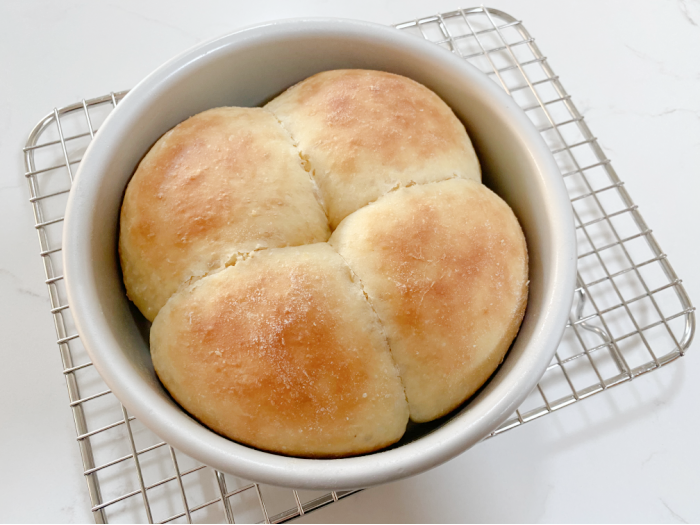
2. You Can Make DIY Dinner Rolls
Dinner rolls are a classic side dish that can be served with just about any meal. And while you can buy them at the store, they’re effortless to make at home. You only need white flour, yeast, water, sugar, and salt. You’ll want to keep white flour on hand to make your dinner rolls in a pinch. Easy To Make Dinner Rolls For Two
3. Make Your Very Own Tortillas
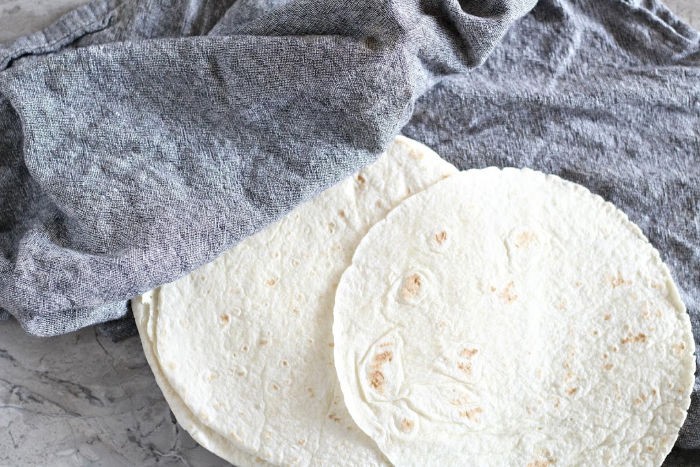
Another reason to stock white flour is that you can use it to make tortillas. Tortillas are a staple in many cuisines, including Mexican and Tex-Mex. They can be used for tacos, burritos, quesadillas, and more. And while you can buy them at the store, they’re effortless to make at home with just a few simple ingredients, including white flour. Effortless Bean And Cheese Burritos
In case you missed this post, How To Make Flour Tortillas From Scratch
4. You Can Make Pancakes from Scratch
Pancakes are a breakfast favorite and are effortless to make from scratch. You only need white flour, milk, eggs, baking powder, and butter. And while you can use any flour to make pancakes, white flour will produce a lighter pancake. How To Make Chunky Monkey Pancakes

5. Homemade Biscuits
Biscuits are a delicious and easy-to-make snack. They can be made with simple ingredients, including white flour, baking powder, salt, butter, and milk. And while you can buy biscuits at the store, they’re much better when homemade. So, if you want to stock up on white flour, think about homemade biscuits. Easy Homemade Biscuit Recipe

6. Cinnamon Rolls
Cinnamon rolls are a delicious and popular breakfast treat. While they can be bought at the store, they’re effortless to make at home with just a few simple ingredients, including white flour, yeast, sugar, butter, cinnamon, and salt. I don’t know about you, but the two words “cinnamon rolls” are enough reason to make me want to stock up on white flour. The Best Homemade Cinnamon Rolls or Cinnamon Rolls for Two

7. Make a Sourdough Starter
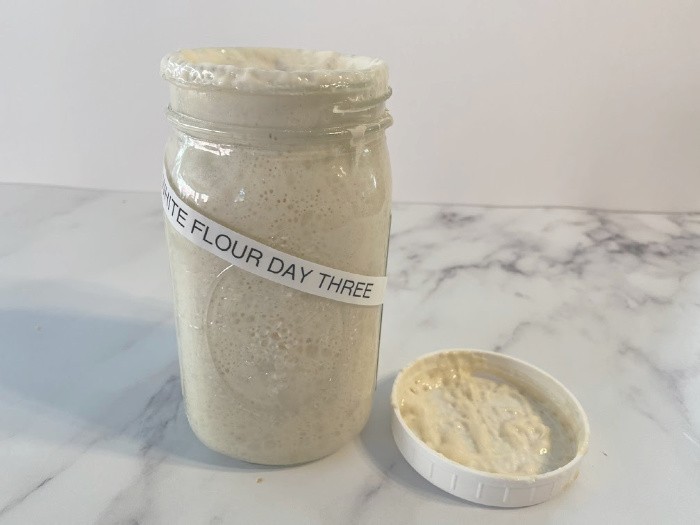
Sourdough bread is a delicious and popular type of bread. And while you can buy it at the store, it’s effortless to make at home with just a few simple ingredients, including white flour and water. All you need to do is mix the two ingredients and let them sit for a few days to create a sourdough starter. How To Make A Sourdough Starter + Bread
White Flour FAQs
What is white flour?
White flour is a finely ground powder made from the wheat endosperm. It’s also sometimes called all-purpose or plain flour.
Is white flour the same as bleached flour?
No. Bleached flour has been treated with chemical agents to accelerate aging and make it whiter.
What is the difference between white flour and wheat flour?
Wheat flour is made from the entire wheat grain, including the bran and germ, while white flour removes the bran and wheat germ.
Why is white flour bleached?
Bleaching agents speed up the aging process and make the flour whiter.
What are the benefits of white flour?
White flour has more gluten than wheat flour, making it ideal for baked goods that need a light, airy texture, such as cakes and pastries. It’s also less expensive than wheat flour.
What are the drawbacks of white flour?
White flour has been stripped of many nutrients, including fiber, iron, and B vitamins. It can also contain harmful chemicals from the bleaching process.
Regular white flour contains gluten, which some people can’t tolerate. You can purchase gluten-free flour for those family members with gluten intolerance, but it’ll be more expensive.
Can you freeze flour?
Yes, you can freeze flour. Store it in an airtight container in the freezer for up to six months.
What is the shelf life of flour?
The shelf life of flour depends on how it’s stored. Flour kept in a cool, dark place will last 9 to 12 months, while if stored in a warm, humid place, it will only last 1 to 2 months. Shelf-Life of White Flour by Healthline (They say “For example, all-purpose flour lasts 6–8 months on the shelf but up to 1 year if refrigerated and 2 years if frozen”). You decide what works for you; I store mine in 5-gallon buckets with airtight Gamma Lids.
Final Word
As you can see, there are many reasons to stock white flour. This post lists just a few of my favorites. There are many more you can explore in my recipe archive above. So, if you want to add it to your pantry, consider all the delicious things you can make. May God bless this world, Linda







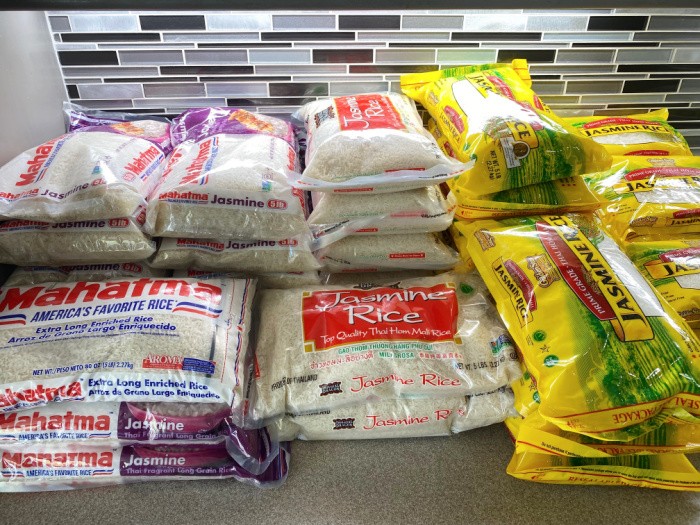
Hey Linda! Another great post! You can make gravy to go with your biscuits, too. We have a lot of flour on hand. We use some almost every day. LOL Larry use it to bread his chicken when he fries it. He’s such a good cook! I also have cornmeal stored. I have these thing stored in 5 gallon buckets and sealed jars. We have a 5-gallon bucket with rice, and one with pinto beans as well. I’m planning on getting more for pasta and other items. I did get some Mylar bags for storage as well.
Hi Deborah, oh my gosh, now I want to make some fried chicken!!! LOL! I’m sure I use flour every single day as well. Life is good when we have flour stored!! Linda
Hi Linda:
Great article. But I have a suggestion for storing your flour. Before actually storing it in your bucket take and put it in the freezer for about a week to make sure there are no critters in it. That way you can sift them out when you put it in your bucket.
I know a lot of people will say yuck when you say to do that but our ancestors did that and they didn’t have the advantage of a freezer which makes it so much easier to do. When I put my flour into the bucket I use a really large 2-2 1/2 gallon bag that is made for food and put the flour in that in the bucket. Then I put a couple sage leaves in the bucket and the bag on top of that. It prevents re infestations of the critters.
Hi Jackie, that’s a great recommendation. I buy 200 pounds at a time and those bags do not fit in my freezer. I’ve been lucky I have not had an issue with bugs. I’m careful where I buy my flour as well. Linda
There is also a higher natural oils content to whole wheat flour, which, though addressable, lends to easier spoilage.
Hi Jordan, you are so right. Once the wheat berries are ground the whole wheat flour will go rancid very quickly. I store my ground wheat in the freezer for the bread I will make that month. White flour has a little longer shelf life, much longer than whole wheat. Linda
Flour was one of the first tings to disappear from the shelves during covid.
That should tell ya something. Don’t forget the lessons it gave us
Hi Matt, I remember those shortages. I remember standing in line at Costco and a couple had a flatbed with flour on it. I said, wow, you must make a lot of bread!! They said they had never made bread. They only bought it because they heard there was a shortage. Yeah, Linda
I wonder how much hardtack they made trying
Hi Matt, I know, right? LOL! Linda
Matt, this recipe works, Linda. I just added it to the post, thanks for reminding me. https://www.foodstoragemoms.com/make-hardtack/
All the things that you mentioned, I make using white, and wheat flour. I prefer to use white flour over corn starch, for thickening gravy.
You can also use white flour to make paste.
I like to store it in the bags it came in. Put a bunch of bags in a storage tote. Then you can use them one at a time.
HI Eileen, I had forgotten that flour makes a paste, thank you for the reminder. It’s been a very long time since I made paste with flour, thank you. I love hearing how you store flour, that’s a great idea. Linda
Where is a good place to purchase flour in large quantities? 200lbs? 100lbs? 50 lbs?
Hi Mickie, it depends on where you live. I buy 25 or 50-pound bags of flour from Costco. I know Amish communities have it but I don’t live near one. Only buy what you will use in one year. Linda
Linda, we buy the bread and Pizza flour in red bag from Sam’s club, a friend picks it up in 25# bag.. cost about 12$ per.. No Costco here… and Sam’s is 50+ miles. 3 will fill 2 five gallon buckets. = about 3 months, by freezing them one at a time i can get them thru freezer. My DH makes sourdough,it has helped my intestinal health greatly!
My Mom told of getting in winter supplies when the crops were harvested and the money available. they bought basic staples.. or 7 to feed daily and sometimes there were 2 growing teens in addition…… 4 barrels of flour (300-400 lb or so each), one of sugar +cream of tartar and baking soda…basic staples. and loose tea, coffee, cocoa powder ,cornstarch,baking powder-grew own corn and had part of it milled for cornmeal./rest for animals. Oil came from a couple of pigs…and butter from a cow,usually he neighbors- a barter item.
Hi Denise, I didn’t know Sam’s sold pizza flour, thanks for the tip!!! Sourdough bread is really a good option for those with stomach issues. Thank you for sharing your family story on how they stocked up! I love hearing stories like this. They are inspiring to all of us! Thank you, Linda
Another great post. if I have white flour, I have food.
I keep my flour in glass snap ring jugs. Each one holds 5 pounds. I bought them a couple at a time. I never have to replace them and the flour lasts more than a year. I know because of my rotation of flour! It cost a bit more initially. I don’t have a place to store the buckets.
I make my own dough enhancer.
1/4 cup potato flakes
1 tea vital wheat gluten/cup AP/Bread flour
2 tea/cup vital wheat gluten/cup whole wheat flour
1Tbsp Apple Cider vinegar.
This is for a 2 pound loaf 1C whole wheat flour and 3 C AP flour.
I had to reduce the AP flour some because the dough rises so much in my bread machine.
I also use jar yeast. Sits in the pantry well past it’s “sell by” date.
Linda, you have such great ideas and posts.
Hi CAddison, thanks for sending me the link to the jars. I had no idea that they had a gallon size; those are perfect. I love that you make your own dough enhancer. Linda
Something to try, my mother used to put a couple dried bay leaves in the flour to keep pests out. Does storing rice require something to keep pests out? Thanks for your articles.
If you store in the glass jugs ( Linda has a link at the beginning) that I use, you don’t have to worry about bugs, air, or moisture. I live in the subtropics where all those things are “professional grade possibilities!” I rotate my flour jugs. It’s just as fresh a year or so after I put it in as the day I put it in. The jugs are reusable and washable in the dishwasher. I have a supply of extra gaskets. The silicone ones last a long time.
I would say that rice would attract pests as well as anything. It’s food! I mostly store my rice in vacuum sealed bags. Keep an eye on them. Insects can chew through plastic of all kinds.
We have always kept our pasta, rice, flour in separate containers. Chances are you bring them in from the grocery store. Don’t want to contaminate the existing stores.
Also- AND THIS IS A BIGGIE. Roaches and other bugs thrive in cardboard boxes. NO boxes get to stay in our pantry. They live on the glue, lay eggs and boom..you have bugs.
We lived on a sailboat for a while. The cardboard wasn’t even allowed onto the boat.
BUT- cheap boric acid powder is great for ants, roaches and other bugs. They walk through it, clean themselves and become dead. Other bugs eat the dead bugs (gross) and it perpetuates. It’s harmless, but you don’t want it where pets will have access. Inside cabinets and under sinks with cabinets.
Hi CAddison, great comment. Those boxes can have pantry moths; they are a nightmare. I’m sure there are other insects but I helped a friend get rid of pantry moths. I like the boric acid. idea. Linda
Hi Vicky, I have heard that about flour and a bay leaf. Thanks for the reminder. I’m fussy about where I buy my rice. Never at Walmart, ever. I think they buy the cheapest products to save people money, but the quality is lost as well. I never buy flour or meat there either. It’s a personal preference. I hate bashing them, but I learned from experience. For canned foods, I will buy them from Walmart. I store my 5-pound bags of rice in 5-gallon buckets. I live in Utah; there is no humidity. Nothing added. Linda
If making hardtack for storage, white flour (void of the germ etc) is recommended.
Unless I either put into mylar with O2 absorbers or have freezer space to freeze flour I have FITS with it. Most all processed flour from stores come with complimentary bug eggs! Sigh……. Need our weather to cool off so I can start canning to empty freezer to be able to do the freeze treatment when flour goes on sale.
Hi Tami, oh, the bug eggs-weevils. I used to get them when I lived in Logan, Utah. That was about 50 years ago. Over the years, I have learned where I can buy my bread flour. It may have bug eggs, but I have not seen any in years. There is only one kind of flour I will buy, and it’s sold in Utah. Lehi Mills- you may remember the show with Kevin Bacon in “Footloose”; it was filmed at Lehi Mills in Lehi, Utah. LOL! I love the term complimentary bug eggs, LOL! Linda