What To Plant In August
This post may contain affiliate links. We may earn a commission if you purchase via our links. See the disclosure page for more info.

Have you been wondering what to plant in August? Can you believe the price of groceries? They keep going up. We should cultivate a garden to produce at least some food, with the goal of increasing our yield each year. I like to update my monthly series of posts every year. I’m still planting seeds in my Aerogarden since I don’t have much room for a larger garden in my new tiny yard. Hopefully, next year.
What To Plant In August
Please keep in mind that the climate has changed in all zones. We can no longer count on the correct zones for planting. We must pay attention to the weather reports and our outdoor thermometers.
We can do this, I promise. You can produce some of your food if you have acres, a small lot like mine, or pots.
I’m thankful I taught myself how to hand-pollinate my Zucchini Plants and Cucumber Plants.
If you have bees, you may not need to do this, but in my area, bee populations have been very limited for the past few years.
I highly recommend these for CowPots and Organic Seedling Soil: this way, you can plant your seeds and place the CowPots in your garden when the temperatures are correct.
My goal is to grow some vegetables throughout the late fall and winter. We’ll have to see if I can get my garden set up.
I’ll eventually have to cover my raised garden beds to protect them from freezing (when they get built here in my new yard). Check here to find your Planting Zone. It’s easy; all you do is add your zip code. I love it!
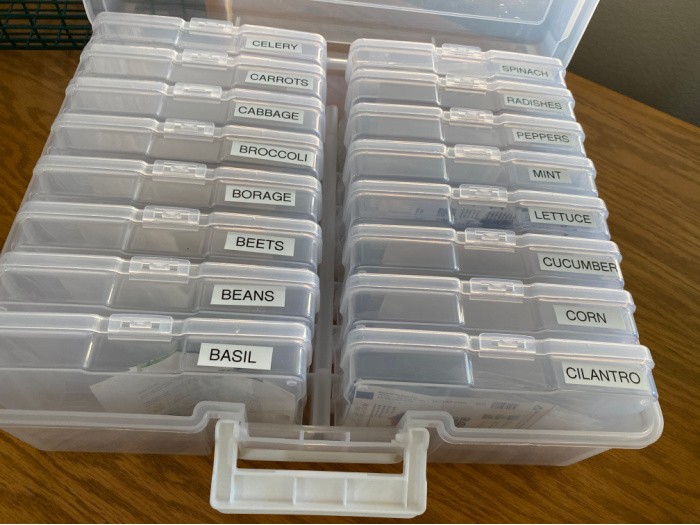
How I store my garden seeds:
Plastic Photo Container and Label Maker
Soil Amendments
Before we get started with the vegetables you can plant, let’s be sure your soil is ready. Here are my tips for soil; I do this every Spring and Fall.
First, pull any weeds that have come up since the last time you turned over the soil.
Dig out any leftover crops you missed the last time you harvested. Turn the soil several times and add the following amendments if you need them:
Soil pH Levels
What Does The Term pH Level Mean?
Are you wondering what the term pH level means when gardening? Each plant prefers a different level of acidity to grow the very best harvest. The level of acidity desired varies between plants.
Therefore, you can adjust the pH of your soil by adding lime or sulfur to bring it up or down, depending on what your soil needs. You can have your soil tested, possibly by your state extension service, or try to do it yourself with a soil tester. pH Tester Tester Strips
What to Plant in August by Zone
Usually, I talk about what to grow each month based on my zone, but in this section, I want to share with you the different plants you can grow in each zone. You can find it here if you’re unsure of your zone. USDA PLANTING ZONE. The climate has changed in so many areas; I’m not sure these are as accurate as they used to be. Each year, the past few years, it seems like we’ve experienced either a drought or excessive rainfall in so many areas.
Zone 1
In your fall garden, here are the plants that do best in zone 1:
- Artichokes (Globe)
- Chinese Cabbage
- Kohlrabi
- Lettuce (leaf only)
- Peas
- Spinach
- Turnips
Zone 2
You can still plant quite a bit in Zone 2 during August. Here’s a list of seeds you can plant:
- Artichokes (Globe)
- Broccoli
- Chinese Cabbage
- Endive
- Kohlrabi
- Lettuce (leaf only)
Zone 3-4
As the weather changes in zones 3-4, you won’t be able to plant everything, but you can still plant several veggies. Here’s what you can plant in zones 3-4 in August:
- Kohlrabi
- Lettuce (head only)
- Radishes
- Spinach
- Turnips (early August
Zones 5-6
There are a lot of fall plants you can start in zones 5-6. Here’s what you can plant in August:
- Beets
- Broccoli
- Brussels Sprouts
- Carrots
- Kale
- Peas
- Peppers (early in August)
- Radishes
- Spinach
- Squash
- Turnips
Zones 7-8
This is my area, and I enjoy planting a variety of things in August. Here are just a few things you can plant in zones 7-8 in August:
- Beans
- Beets (after the 15th)
- Brussels Sprouts
- Cabbage
- Carrots
- Cauliflower
- Corn (early)
- Cucumber (early)
- Kale
- Lettuce
- Onions (early)
- Peppers (early)
- Spinach
- Squash
- Tomatoes (early)
Zones 9-10
Again, August is still a great time to plant your fall garden in these zones. Here’s what you can plant in zones 9-10 in August:
- Broccoli
- Cauliflower
- Celery
- Cucumbers (Zone 9 only)
- Eggplant (Zone 10 only)
- Okra (10 only)
- Peas (9 only)
- Peppers (early)
- Pumpkins
- Squash (summer and winter)
- Tomatoes (9 only)
- Turnips (9 only)
- Watermelon (early)
What To Plant In August
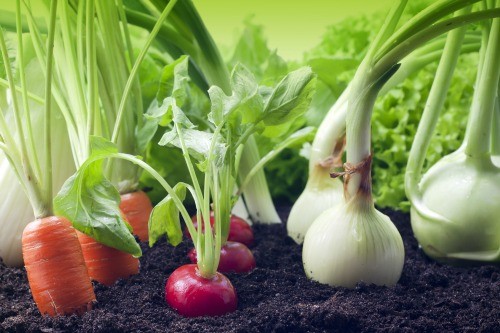
1. Carrots
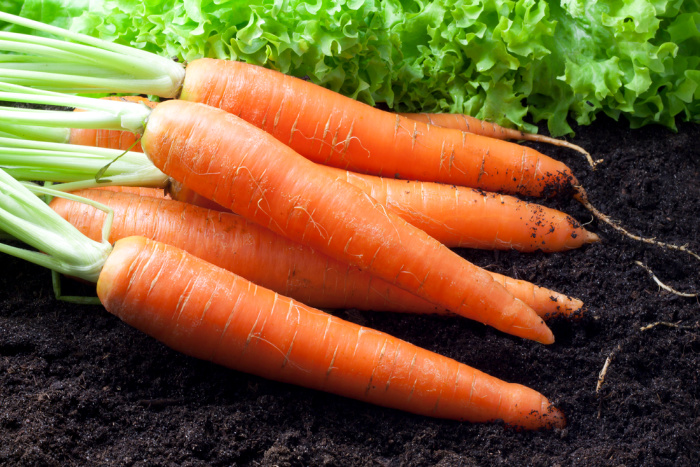
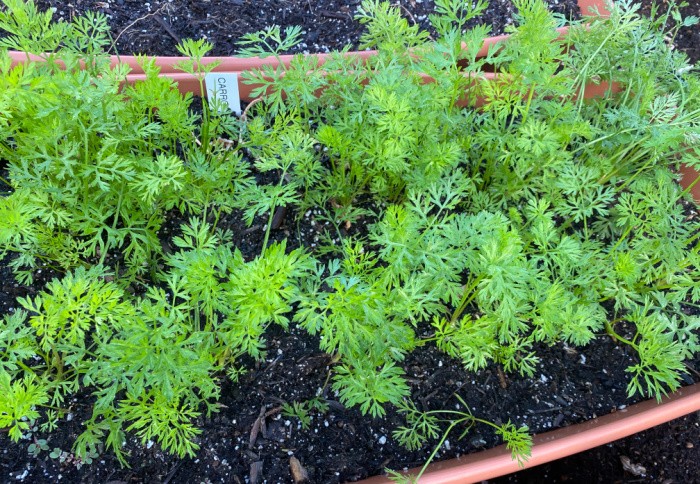
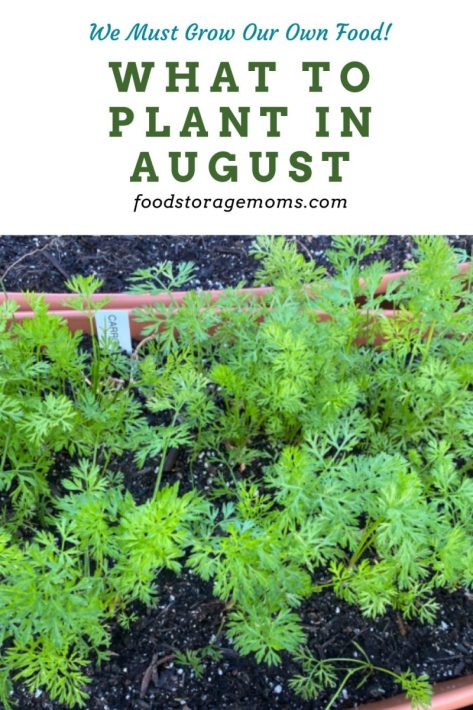
Carrots like smooth, loamy soil with nutrients added, as shown above. I like to moisten the soil slightly, sprinkle the seeds over the soil, and cover them with compost.
Keep the rows about 3 inches apart and stagger when you plant, planting the seeds over two to three weeks to have an abundant harvest for the season.
Be careful if you live in intense heat, as carrots don’t like to dry out. If you water them by hand for two to three weeks after planting the seeds, you’ll soon see the little sprouts.
This is when you’ll fertilize with some Miracle-Gro Fertilizer and thin the carrots as needed. Use mulch to cover them if you live where the summers are sweltering.
pH level for Carrots: 5.5 – 7.0
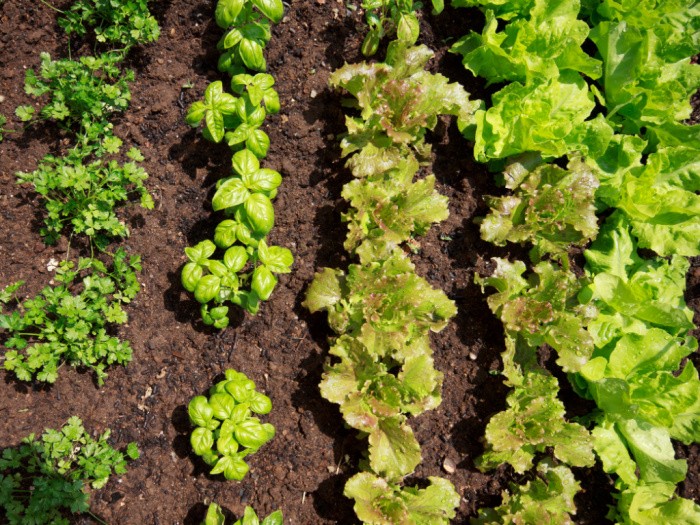
2. Lettuce
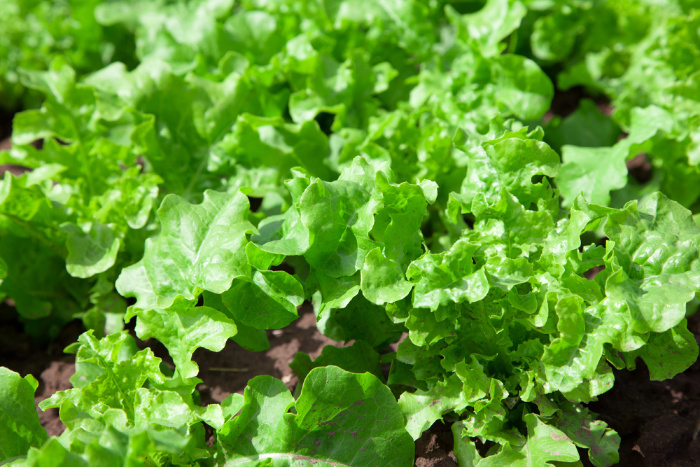
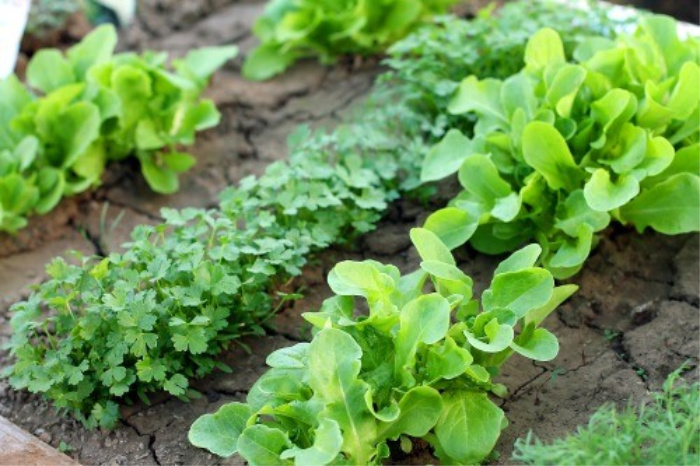
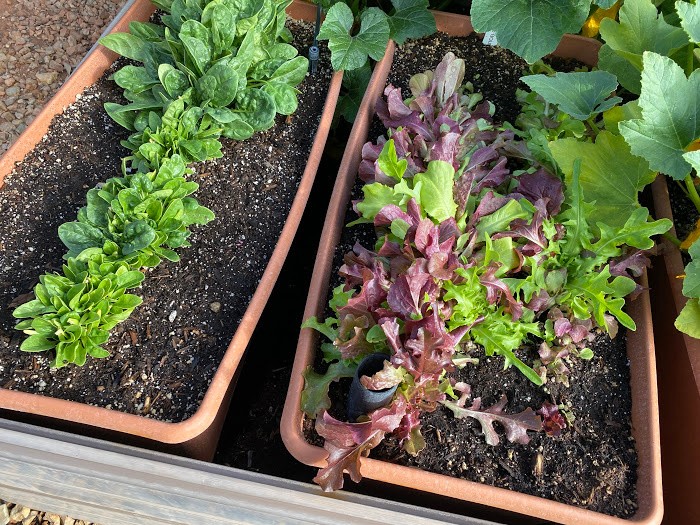
Add the amendments above to the soil where you plant your lettuce seeds. The nice thing about lettuce is that it’s so easy to grow and sprouts up quickly. Just make sure the soil is loosened, loamy, and well-drained.
Lettuce loves nitrogen and potassium, so watch the leaves as they grow. Work in a lot of organic matter or compost. Many lettuce varieties mature in 55 to 60 days. Romaine takes longer, and so do head lettuce varieties.
Plant the seeds about 1/4 inch deep, tamp them into the soil, and water them. Easy and simple. Read the package to space according to the lettuce variety you choose. Seeds won’t germinate in soils above 80 degrees F. or warmer.
You can start some seeds indoors and transplant the seedlings into a shady spot if the weather is too hot outside when starting. You may want to choose heat-resistant varieties if you live where the temperatures get very hot in the summer.
It’s better to pick early than late because the leaves become bitter as the plant ages.
pH level for Lettuce: 6.0 – 7.0
3. Radishes
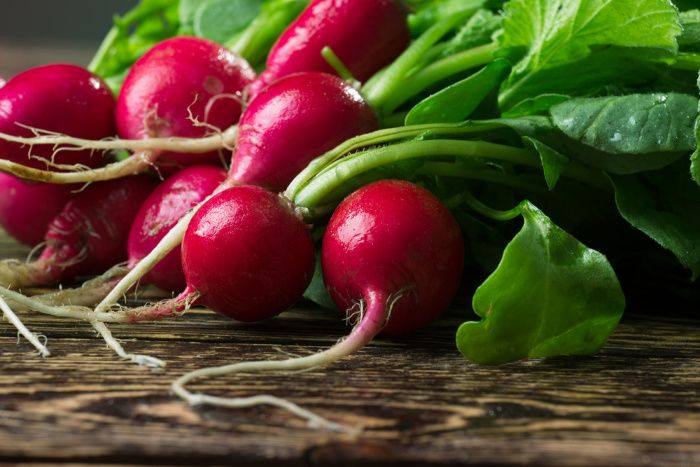
I like the radish called Red Champion because it’s larger and has bright red skin. They grow in small areas, and the days to maturity are 25-30 days.
Another one I like is called Pink Beauty because the white flesh is crisp and mild. They grow well in pots or containers. Their days to maturity are 25-30 as well.
I sprinkle the seeds over the soil, cover them slightly, and then water them. If you stagger the planting days, you’ll have several days of freshly picked radishes when it’s time to harvest.
pH level for Radishes: 6.0 – 7.0
4. Spinach
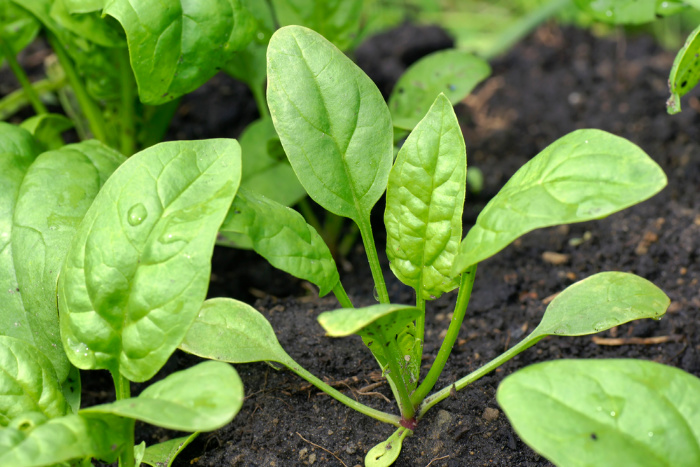
I plant New Zealand spinach seeds because they can withstand the heat of Southern Utah. It’s a large, growing plant, but I make salads and smoothies, and I also freeze a lot of spinach for the year.
This spinach variety grows from spring to fall without any issues. The more I cut it back, the more it grows. It takes 75 days to mature.
Again, ensure your soil has the amendments above, and turn the soil over repeatedly. Plant the seeds at least one foot apart and the rows two feet apart.
pH level for Spinach: 6.0 – 7.5
How Do I Keep My Vegetables From Freezing?
You’ll likely need a way to protect your vegetables when the weather starts to dip and freeze. I have used these over seedlings and individual plants in the winter. Garden Cloches
Why You Need To Grow Some Of Your Own Food Now More Than Ever
There has never been a better time to start growing at least a portion of your own food. Grocery prices continue to climb, supply chains remain fragile, and severe weather events keep interrupting the flow of produce from farm to store shelf. When you grow your own food, even in small amounts, you take back a measure of control that no store discount or coupon can offer you.
Growing food at home isn’t about becoming completely self-sufficient overnight. It’s about building a habit of self-reliance one tomato plant, one row of lettuce, and one raised bed at a time. Every vegetable you harvest from your own yard is one less item you have to buy, and that adds up quickly over a growing season.
Food security starts in your own backyard. When families grow their own food, they’re less vulnerable to price spikes and shortages. If a drought affects lettuce crops in one region of the country, you’re not left scrambling if you already have lettuce growing in your own garden. This is the heart of food security. It’s having a backup plan that doesn’t depend on trucks, warehouses, or weather in another state.
Gardening teaches valuable skills that last a lifetime. Every person who plants a garden learns skills that can’t be taken away. You learn how to read your soil, how to time your planting with the seasons, how to preserve a harvest so nothing goes to waste, and how to problem-solve when pests or weather threaten your crops. These are skills that generations before us relied on every single day, and they’re skills our children and grandchildren need to see modeled again.
Growing food strengthens your family and your budget. A garden is also a wonderful way to bring a family together. Children who help plant seeds and pull weeds tend to be more excited to eat what they grow. Gardening together builds patience, responsibility, and an appreciation for where food actually comes from. On top of that, even a modest garden can meaningfully reduce your monthly grocery bill, especially when you focus on high-value crops like tomatoes, herbs, leafy greens, and squash.
Start where you are. You don’t need acres of land to begin. A few containers on a porch, a small raised bed, or a sunny corner of your yard is enough to start building this important skill. The goal is progress, not perfection. Every seed you plant this August is a step toward a more prepared and self-reliant household.
Please Check Out What To Plant Each Month:
- What To Plant In January
- What To Plant In February
- What To Plant In March
- What To Plant In April
- What To Plant In May
- What To Plant In June
- What To Plant In July
- What To Plant In August
- What To Plant In September
- What To Plant In October
Final Word
Growing your own food isn’t just a hobby anymore. It’s one of the most practical steps a family can take toward true self-reliance. You don’t need a farm; you just need to start based on how much garden space you have available. Plant something this August, watch it grow, and let it remind you that no matter what happens with grocery prices or supply chains, your family has a little more security than it did before. I only eat the lettuce from my Aerogarden indoors. In case you missed this post: Growing Fresh Lettuce Indoors Year-Round. Let me know what you plan to plant in August. We can do this, my friends, I promise. May God bless this world, Linda
Copyright Images: Carrots Organic Depositphotos_10689440_S, Lettuce Plantation Depositphotos_24496423_S By Motorolka, Radishes On Table Depositphotos_73527421_S By Maxsol7, Baby Spinach Depositphotos_5968897_S By Mirage3

Oh how I miss Utah! I had to move to Tennessee. I do still have family there. My father always has a beautiful garden. To be honest I forgot about fall plantings. I might try some things in a few containers. I really don’t have the room for a real garden. I generally leave that up to my son in law. He always has a beautiful garden. Unfortunately this year while on vacation the deer got to most of it!!
Thank you for your wonderful articles. Have a fantastic day!
Hi Jane, I have been to Tennessee once! It was so lush and beautiful! Containers work great! Happy Wednesday! Linda
My family grew up in Utah and moved to Tennessee. They are slowly migrating back to Utah. Myself I’m in Idaho. I want to do a victory garden. I’m not a well person so may have to just finance it and have volunteers work it. I’m not sure how to go about it But I’m doing research.
Hi Debra, if you can get the word out, and you have the land I bet there will be a lot of good people that would love to help you grow food for you and for their families. It’s so fun growing our own food. I hope you find a family or two. Linda
Planting in august = planting myself in a chair and not dying of heatstroke
We are turning critters out into the garden this week. Let them eat what’s left and the corn I planted for them and leave us some compost for next year.
Hi Matt, that sounds great, the heat is so bad this year. We either had heat stoke here or flooding. I bet your animals will have a heyday eating the leftover garden stuff! I love it! Linda
I’m with Matt, though near the end of the month, or maybe in early September I’ll be planting lettuce, broccoli, beans and more cucumbers. My carrots tend to reseed themselves. I’m digging potatoes tomorrow morning early. Still waiting on my melons–the few that survived the July heat–to ripen.
Hi Ray, it’s crazy weather here, extreme heat and then flooding. We have had houses sliding down the hillsides. I can’t wait to get my hand in the earth next year, as you know we are still in building mode. SLOW, foundation, that’s it. You know Ray, where you live you have extreme heat like Matt as well. I love hearing what you pick for dinner! It means so much to me to hear how people raise food in their gardens and animals as well. Life is good. Linda
Linda, I’ve been picking tomatoes, apples and banana peppers most recently. The peppers and tomatoes go in salads and sandwiches and the apples are going to anyone who wants them, though I’m canning apple pie filling like crazy. Right now I have 3 heaping bushels of apples in my fridge and on the countertop awaiting gifting or processing. Lots of work but Jane and I will have apple pie filling for the next few years.
I keep thinking I should dehydrate some apple rings with cinnamon sugar, but I already have plenty.
HI Ray, you know I love hearing about what you are growing and harvesting. It’s a blessing when we have a bumper crop of anything. I can picture the pie filling quarts lined up! Oh and the smell of pie filling, oh my gosh! I’ve never grown banana peppers, that’s awesome! Linda
Linda,
I like sweet peppers and banana or Marconi peppers are even sweeter than the California Wonder or Yolo Wonder Bell peppers I also grow. The banana peppers are very good either when they are yellow or later when they turn red. I like sauteeing them with onions for Philly Cheesesteak sandwiches. They are also great on pizza.
HI Ray, oh my gosh, you got me at the Philly Cheesesteak! My mouth is watering! I want my garden again, hopefully next year. They poured the concrete today for the garage. Oh, yeah, on pizza! YUMMY! Linda
Off topic but important sort of:
I have no takers on the canning jars and I finally gave away the 13 buckets with lids.
I got an on sale/free shipping freezer and the delivery guy said it was the second like this one today and other truck had 2 to deliver.
Sooo, either frugal shoppers are taking advantage or someone’s stocking up or like me–BOTH!!!.
Christ is King.
HI JayJay, oh man, thank you for sharing this! My house is still being built, I hope I can get a freezer in 6 months. Oh, and a washer and dryer, stove, refrigerator, and a dishwasher. I keep seeing some in stock and most are out of stock. I can’t buy anything right now, because there is zero space to store the stuff. Thanks for the tip on the freezers, I will stroll through some store. Thank you, Linda
Linda,
Have they even started framing your house yet? Seems like it was weeks ago when you mentioned they poured your house foundation.
Since this is the first growing season I have experienced in Wyoming, I certainly feel like a total failure!! My landlord gave me the compost and soil to fill my raised bed garden. NOT ONE SEED germinated!! No carrots, no herbs, nothing! I did grow some potatoes in grow bags and they are still alive but none of the seeds I planted came up. So, this fall, I am going to dig out the soil/compost and mix in some store bought raised bed soil.
My thoughts are this: I am not used to the temperatures at this elevation (I was at sea level and much more moderate temps in Washington); I think the compost is too hot??; perhaps there is too much clay in the soil?
I am not going to worry right now with fall planting until I have a chance to amend the soil/compost. I am also going to get a good soaker hose to keep the bed watered (it is 8′ X 12′ so not a huge garden). My plan initially was to grown spring veggies and replant this fall but I definitely need to “fix” the soil before investing in more seed sowing!!
Hi Leanne, oh my gosh I would love an 8′ X 12′ raised garden. That’s a good size! It must be the compost or the seeds. It does take a year or two to get used to the soil and temps in new areas. Not one sprout is weird, right? That’s so frustrating!!! If the soil had to much clay, I had the worst experience with clay soil in Southern Utah. It took a couple years to get it up to par. Yay for the potatoes! Ask your local garden nursery what is need to amend the soil. I always get earthworm casings, and vermiculate to keep the soil from drying out. Now that I’m back up north, I hope its easier to garden. I won’t make it this year, the whole yard is torn up. Hopefully next spring. Linda
Love your reply to my comment! My 13 year old grandson built mine!!
I will take your advice and talk to the people at the local nursery. I want to get the soil amended this fall so it is ready for next spring. I also need to make some sort of cover for it because we can get some “epic” hailstorms!!
Hi Leanne, oh that grandson is amazing, I forgot you mentioned that once!! Those “epic” hailstorms are bad!! Linda
Here in WA. I plant my garlic in the Fall. Then I can harvest the scapes as they come out and the garlic is ready to harvest by May. I alwayas save some to plant in the FAll if I need to.
Hi Cheryl, my neighbor here in Utah just dropped off some garlic she grew! It’s so fresh, there is nothing better than growing your own. I have always planted mine in the Fall, I can’t wait until we clear the ground here so I can start a garden next year. It’s a blessing to be able to plant a garden! Linda
Linda, Big News FREEDOM RISING Book 3 in my Dying Time Trilogy is now live as an ebook and paperback on Amazon. It’s free to read if you have Kindle Unlimited, otherwise it’s $4.99. I’m trying to run 99 cent promotions through August for the first two books in the series, but those aren’t up and running yet. Here’s a link:
bit.ly/40KIzc5
In other news the beans I just planted are up, while the beans I planted more than a month ago are flowering. I harvested 3 Kajari melons this morning. Two of which I let get overripe so I could save the seeds. It is a honeydew type, very sweet. I’ll probably grow them again but the seed cavity takes up more than half the melon so you don’t get much to eat from each one. Basically, they are “personal size.” Still harvesting tomatoes and cucumbers, bell peppers and squash. And my marigolds and nasturtiums are finally starting to bloom. I finished harvesting Canola Russet and while I was mostly pleased I’ll try a different russet next year.
Hi Ray, congratulations on the new book, you rock, my friend! Thanks for the link, people will want it just like me! Those Kajari melons sounds so good. There is nothing better than fresh vegetables from the garden. I love hearing what you grow and harvest! Linda
Oh, I’m publishing my monthly Newsletter today. It’s Volume 124 “Foods Everyone Should Grow.” It includes the first chapter of Freedom Rising. And if anyone reading this wants to sign up for it they can do so by emailing me and requesting to be added to that mailing list.
Linda, I’m putting a link to your Food Storage Moms blog in the newsletter along with a few other authors.
Hi Ray, as soon as I get your newsletter I will add it my post. Thank you! Here is Ray’s email to sign up for his newsletter: [email protected]
Thank you for adding my blog, you’re the best! Linda
I admit, I miss growing tomatoes and cucumbers and fresh strawberries. We have raspberries now, but all I can really plant is my butt in my chair……sad but true
Hi Chris, just so you know, one of Mark’s golfing buddies said, “Oh, you are growing those $ 20.00-a-piece tomatoes”! We laughed, but the first year is expensive to get started. LOL! Oh well, I can pick tomatoes and squash in my backyard, and you can pick raspberries. Life is good, Linda
Last year I started making homemade seed tapes for small seeded plants like lettuce, bok choi, and carrots. It’s easy using unscented, unbleached TP, scissors, an eyedropper and tweezers or a small knife. If you can’t find unbleached TP, you can use newsprint (black and white only) though the black print can make seeing tiny seeds difficult. I roll out a few feet of TP dump some seeds about an inch in from the edge and space them out according to the directions on the seed packets. I carefully fold the edge of the TP over the seeds and use the eyedropper to “cement” each seed in place with a single, small drop of water. This keeps the seeds from moving around while you roll up the seed tape–I roll mine around a short piece of 3/4″ PVC or a toilet paper roll.
The reason it’s worth the small amount of time it takes to make them is it saves me the labor of thinning them after they are planted.
Hi Ray, this is the best idea ever! I am going to try it. I just pulled up my squash. I got a few zucchini, but the yellow squash started to shrink, and I knew it was either squash bugs or they needed calcium. Oh well, I just planted some new seeds. My tomatoes are thriving; I’m thrilled. Our high temps here are not helping gardens at all. Linda