
If We Have A War: Stock These 10 Canned Vegetables
This post may contain affiliate links. We may earn a commission if you purchase via our links. See the disclosure page for more info.

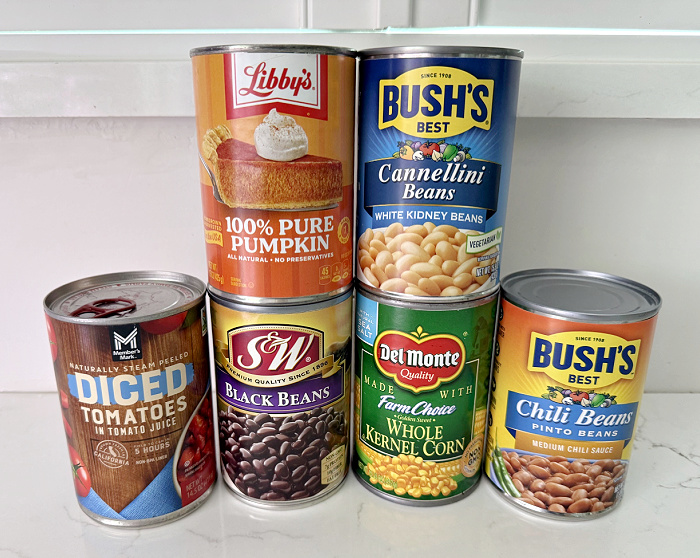
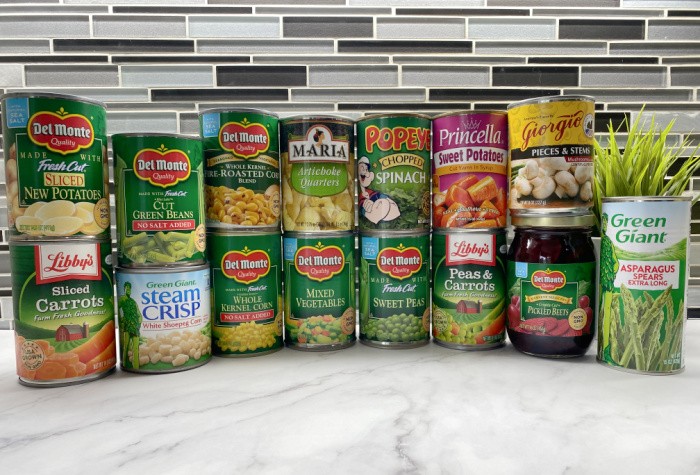
If we have a war, stock these 10 canned vegetables. When crisis strikes, your pantry becomes your lifeline. Canned vegetables offer something no other food storage option can match: long shelf life, dense nutrition, no refrigeration required, and immediate edibility straight from the can. Here are the ten canned vegetables every household should stockpile before it’s too late. Plus, they have water in them, so no need to rehydrate them. You can eat them from the can if you have to.
Can Openers, Left-Handed Can Openers, Large Can Openers
Stock These 10 Canned Vegetables
Canned Beans
Canned beans, whether black, kidney, pinto, or navy, deserve the top spot on every emergency preparedness list. A single can delivers roughly 15 grams of plant-based protein per serving, making it one of the most efficient sources of calories and protein when meat is scarce or unavailable. Beans are loaded with dietary fiber, which supports digestive health and keeps you feeling full longer, critical when food rationing becomes a reality.
Their iron content helps prevent anemia, which is especially important under physically demanding survival conditions, while folate supports cell production and immune function. Magnesium aids muscle and nerve function, and potassium helps regulate blood pressure during periods of extreme stress. With a shelf life exceeding three years, canned beans are a non-negotiable cornerstone of any wartime pantry.
Here again, this is great protein, and I have cases delivered to my home from my Sam’s Club Plus membership. Worth every penny. Harry told me about the program. No gas wasted driving there, no hauling cases, life is good.
Canned Tomatoes
Canned tomatoes are arguably the most versatile item in a survival pantry. They can form the base of soups, stews, sauces, and rice dishes, stretching limited food supplies into full meals. From a nutritional standpoint, they’re an outstanding source of Vitamin C, which is essential for immune health and wound healing, both of which are critical during wartime. Canned tomatoes also contain lycopene, a powerful antioxidant that supports heart and cellular health, and Vitamin A, which protects eyesight and skin integrity.
What makes canned tomatoes especially valuable is that the cooking and canning process actually increases the bioavailability of lycopene, meaning you get more of this nutrient from canned tomatoes than from fresh ones. Keep whole peeled, diced, and crushed varieties on hand to maximize your culinary flexibility in an emergency.
If I get down to five cans of diced tomatoes, I order them from Sam’s Club Plus (thanks again to Harry for telling me about it). They deliver for free, in most instances. Check out their membership types. I love having it delivered, no tip required, and sometimes you get a discount because you ordered it online. It’s win-win.
Canned Spinach
Canned spinach packs a remarkable nutritional punch into a compact, shelf-stable format. It’s one of the most iron-rich plant foods available, supporting hemoglobin production and preventing fatigue, something that becomes increasingly important during prolonged physical stress or limited calorie intake. Calcium and Vitamin K work together to maintain bone density and support blood clotting, both of which are vital if medical care becomes inaccessible.
The Vitamin A in canned spinach helps maintain mucous membranes, which act as the body’s first line of defense against infection. Folate supports DNA repair and red blood cell formation, and the magnesium content aids in hundreds of enzymatic reactions throughout the body. While it may not be the most exciting food, canned spinach is one of the most medically important vegetables you can store for a prolonged emergency.
I have freeze-dried spinach on my shelves that works great in soups and dips. It does need water, so canned may be a great option for you if water availability is an issue.
Canned Corn
Canned corn is one of the best carbohydrate sources you can add to your emergency food supply. In survival situations, your body burns through carbohydrates rapidly, particularly during physical labor, stress, or cold weather. Corn provides the sustained energy needed to keep functioning during a crisis. Thiamine (Vitamin B1) is critical for converting carbohydrates into usable energy and for proper nerve function, and corn is one of the better plant-based sources of this often-overlooked nutrient.
Vitamin C supports immune response and tissue repair, while the dietary fiber helps maintain a functional digestive system even when the diet composition changes dramatically. Corn also contains lutein and zeaxanthin, two antioxidants that support eye health, which is important when access to medical care may be limited. Children, in particular, respond well to canned corn, making it a psychologically important morale-building food during prolonged hardship.
I’m shocked at how many different types of canned corn we can purchase. It’s really awesome, check your grocery store next time.
Canned Peas
Canned peas are often underestimated, but they offer one of the most well-rounded nutritional profiles of any canned vegetable. With around five grams of protein per half-cup serving, they support muscle maintenance during periods when meat is unavailable. Vitamin K is essential for blood clotting and bone metabolism, and peas are one of the better canned sources of this fat-soluble vitamin.
Thiamine supports neurological function and energy metabolism, which deteriorates quickly under chronic stress and poor nutrition. Folate is critical for cell division and is especially important for expectant women who may be affected by conflict. Manganese supports antioxidant defense and bone formation, while zinc is one of the most critical minerals for immune function and wound healing. Zinc deficiency develops quickly during food scarcity and significantly impairs the body’s ability to fight infection, another reason canned peas deserve a place in your wartime stockpile.
Keep in mind that if you have freeze-dried peas, they work great, but take more water than I realized. They taste great, but frozen petite peas are still my favorite.
Canned Sweet Potatoes
Canned sweet potatoes provide one of the single highest concentrations of beta-carotene, the precursor to Vitamin A, of any food in the canned goods aisle. One serving can provide well over 100% of the recommended daily intake of Vitamin A, which is essential for immune function, low-light vision, and skin barrier health. In a war scenario, Vitamin A deficiency can develop quickly on restricted diets and severely compromise the immune system’s ability to fight bacterial and viral infections.
The complex carbohydrates in sweet potatoes provide long-burning energy without the blood sugar spikes associated with refined grains. Potassium supports cardiovascular function and counters the effects of stress hormones on blood pressure. Vitamin B6 supports brain health, mood regulation, and immune function, all of which are strained under the psychological weight of conflict. Sweet potatoes are also palatable to nearly all age groups, which matters enormously for maintaining family nutrition during a crisis.
Sweet Potatoes: Everything You Need to Know
Canned Beets
Canned beets are among the most underutilized survival foods, and stocking them could provide a meaningful physiological edge during wartime. Beets are naturally high in dietary nitrates, which the body converts to nitric oxide, a compound that improves blood flow, lowers blood pressure, and enhances physical endurance. For civilians and soldiers alike, this means greater stamina during manual labor, evacuation, or other physically demanding survival tasks.
Folate in beets is critical for red blood cell production and DNA repair, and folate deficiency can quickly lead to anemia and fatigue. The iron content further supports oxygen-carrying capacity in the bloodstream, compounding the energizing effect of the nitrates. Potassium helps regulate fluid balance and heart rhythm, both of which can be disrupted by dehydration, stress, and physical exertion. Beets also contain betalains, a class of antioxidants with anti-inflammatory properties that may help the body manage the physical toll of prolonged hardship.
I love these cooked fresh, canned, or pickled. Yummy!
Canned Pumpkin
Canned pumpkin is a nutritional powerhouse that many preppers overlook. Like sweet potatoes, it is extraordinarily rich in beta-carotene, which the body converts to Vitamin A as needed, supporting immune defenses, vision health, and the integrity of skin and mucous membranes. What distinguishes pumpkin from other canned vegetables is its exceptional combination of Vitamins A, C, and E, three of the most critical antioxidant vitamins that work synergistically to neutralize free radicals and reduce oxidative damage.
This trifecta of antioxidants is particularly valuable for protecting the body from the effects of radiation, infection, and chronic stress. The fiber in canned pumpkin supports gut health and regularity, both of which can be disrupted during major diet changes. Iron supports energy and prevents anemia, while potassium supports heart health and fluid balance. Canned pumpkin puree is also extraordinarily versatile; it can be eaten straight, mixed into soups, baked into bread, or blended with grains to stretch limited food supplies.
I store a lot of canned pumpkin for my cookies and cakes. Pumpkin Cookies.
Canned Artichoke Hearts
Canned artichoke hearts are among the most nutrient-dense vegetables available in preserved form, and they offer unique health benefits that go beyond standard vitamins and minerals. Artichokes contain cynarin, a bioactive compound that stimulates bile production and supports liver function, which is particularly relevant in a survival situation where dietary fat composition may change radically, and the liver must process new metabolic loads.
They are also one of the best sources of inulin, a prebiotic fiber that feeds beneficial gut bacteria and supports a healthy microbiome. Gut health has a profound effect on immune function and mood, both of which are critical to maintaining resilience during prolonged emergencies. Folate supports blood cell production, Vitamin C fortifies immune response, and magnesium supports muscle function and sleep quality. The high fiber content of artichokes also promotes satiety, helping to stretch food rations further. Their distinctive flavor can also improve morale by adding variety to an otherwise monotonous emergency diet.
I typically only buy these around the holidays for some of my favorite holiday dips. Spinach Artichoke Dip.
Canned Carrots
Canned carrots round out this list as one of the most recognizable and reliably available shelf-stable vegetables, but their nutritional value far exceeds their humble reputation. Carrots are among the richest sources of beta-carotene in shelf-stable foods, which the body converts to Vitamin A to support night vision, immune defense, and skin health. In prolonged conflict scenarios, especially those involving nighttime navigation, blackouts, or low-light conditions, maintaining adequate Vitamin A levels is a genuine survival concern. Vitamin K supports blood clotting and bone strength, potassium regulates cardiovascular and fluid health, and Vitamin C bolsters the immune response.
Biotin, a B vitamin found in meaningful amounts in carrots, supports healthy metabolism, skin, hair, and nail integrity, all of which deteriorate under nutritional stress. Canned carrots are also extremely palatable to children and adults alike, making them one of the easiest survival foods to incorporate into daily meals without resistance. They can be eaten cold straight from the can, added to soups, or mashed into side dishes, making them among the most versatile and valuable canned foods you can keep on your shelf.
Keep in mind that if you store dehydrated carrots, those work; you just need water, a lot of water.
Final Word
Stocking your pantry with these ten canned vegetables isn’t about fear; it’s about preparedness. Each of these vegetables was chosen not only for its shelf life and caloric value, but also for the specific vitamins, minerals, and bioactive compounds it provides for long-term health when fresh food is unavailable. Aim to store a minimum of a three-month supply per person, rotating your stock regularly to maintain freshness.
Choose low-sodium or no-salt-added varieties where possible to give yourself more control over your diet during an emergency. The few dollars and small amount of space required to build this stockpile now could prove to be the most important investment you ever make. I look for Non-GMO brands when possible. It’s who I am. May God bless this world, Linda






For those of us who love corn but it doesn’t love us back, it’s worth trying niblet corn. I find it much gentler to my system than whole corn.
And I was very glad to see canned asparagus wasn’t on this list…unless you’re planning on pureeing it, stay away from the canned stuff. I watch lots of cooking shows and it’s obvious how mushy asparagus gets when it’s canned. Tried it myself once just to be sure, blech!
Hi DMWalsh, I hear you on the canned asparagus, mushy mess. You only have to try it ONCE and you will never buy it again. LOL! Thanks for the tip on Niblets corn, I will buy a case of it. I couldn’t believe all the varieties of corn when I went to the store, I want to try a few more. Linda
Hi, Linda et al.: I am very excited to see that I already have cases of (mostly organic) every veg. Linda recommends in this article. The only thing was that it was IMPOSSIBLE to find organic canned carrots, so I processed those myself at home…both freeze-dried diced ones I bought from Azure for cheap and sliced organic carrots I pressure-canned. My homemade pickled beets is one of our go-to foods when we are in a hurry and don’t have time to cook dinner, so that’s a regular item around here. I’ve already checked with my organic farmer friend if she was planting beets for me again this year….reply: YES!! I can hardly wait! I do have a very small collection of canned asparagus, from which I will make asparagus soup. Have been wondering about how to use the case of Pumpkin, though, since we do gluten free, so I don’t do much baking anymore and am allergic to cinnamon and other “hard” spices….? Thank you so much, Linda, for helping me realize I really should NOT just give away the cases of canned sweet potatoes and pumpkin that I bought to have more Vit. A in our pantry. I have also begun to freeze-dry onions for their cooking and medicinal values.
Hi Jess, I love pickled beets, it’s so nice to have canned or frozen vegetables ready to use in any recipe or meal. Being allergic to cinnamon would be hard for me. I put so much cinnamon on my homemade cinnamon rolls. GF would be hard for as well. I feel bad for those with gluten issues and allergies. Linda
Hi Jess,one of the things I make with pumpkin is a chicken pumpkin chili. It’s a light chili
that has gone over well in my family.
Use canned white chicken,pumpkin puree(or sweet potato puree),white beans like cannelli or chick peas drained, chicken broth and chili spices to your taste.Unfortunately DH can’t do a lot of spice any more so that’s why I said to spice to taste.Throw it all in a crock pot till heated through on low.I take some of the beans and whiz them with my stick blender to thicken the chili up. Don’t use pumpkin pie filling cans as they add cinnamon,etc to the cans. If you want you can also add a small can(drained) green chilies if you want more of a kick.
Hi Kathy, this sounds really good! Linda
Ooh, that chicken chili sounds womderful!!! Watch out for asparagus also if you are in tight quarters with your group pee bucket, as the smell(stink) could drive you all crazy, and asparagus contains oxalates that keep you from absorbing some other nutrients. I will skip the corn also, it breaks my face out in rosacea and sends my tinnitus through the ceiling. Not sure if it is true(read it on the internet) but many cans of “pumpkin” are really many varieties of squash, they said it was by legal definition… I though that was really weird! ThanksLinda and God bless us all!!!
Hi Jan, I heard that pumpkin is squash as well. Interesting, it must be true! LOL! Some of my family members have Rosacea, they can’t eat spinach or chocolate. I will have to tell them about corn. One daughter is totally Vegan because her Rosacea causes her all kinds of problems. Great point about the asparagus! I love it, LOL! Linda
We have all the veggies mentioned and then some. I prefer hominy to canned corn. Mostly because I found a big fat worm in a can of name brand! It’s been years and I still can’t eat canned corn. Frozen? Yum! I have never eaten beets except for pickled ones. My grandmother used to make them from canned beets. So so easy. Drain the liquid or save it to pickle eggs in. Place the beets in a mason jar. Add half vinegar half water and a bit of sweetener. I use Stevia. Larry is diabetic. You can use more vinegar than water, but Half and half works for us.
Hi Deborah, oh my gosh, a worm, yikes! I would feel the same way! LOL! I like frozen cornover canned but some recipes call for canned. I use canned corn or my freeze-dried corn hydrated. I need to make some picked beets, yummy! Linda
I was reading the article and checking out some of your recipes, now I have questions. Lol I’ve never made artichoke dip and I seldom order it at restaurants. Can I use canned spinach instead of frozen? I don’t store canned spinach because we wouldn’t eat it, but if I had some recipes, it might be worth it.
Hi Andi, I use frozen spinach or freeze-dried spinach in my recipes. You have to really drain the liquid. I would try one can. I have so much freeze- dried-spinach i have not tried canned spinach. I’s worth a try, one can to see if it works. Linda
Andi,
You can use canned spinach but you have to drain really,really well.I use a fine mesh strainer over a pot,pressing down on the spinach to release the liquid. I use the liquid in my vegetable stock or freeze it into cubes and add it to soups,stews for some extra flavor. It was a great way to “sneak” the weird veggies as my boys would call spinach,brussel sprouts,etc into their diet when they were growing up.They eat them now but it was fun trying to teach them to eat other veggies besides corn,carrots,etc
When I read this, I placed a delivery order with Walmart. I has planned to cook down our pantry and restock starting in August. With the price of gas and everything else going up, I decided I couldn’t afford to wait. I wish case orders were available here, but their not.
Hi Chris, have you tried ordering from Sam’s Club? I pay an annual fee for the PLUS membership but it’s worth every penny. I get my batteries and canned goods delivered to my door. Harry told me about it. Best decision ever. Linda
We have a BJs membership that we pay for and Costco is coming this summer so right now I am delaying any additional cost.
Hi Chris, we do not have a BJ’s out here. You will love Costco! I never go to Sam’s Club, I only use the delivery. It’s nice to have options, I have heard good things about BJ’s. Linda