30 Things You May Want to Barter in the Future
This post may contain affiliate links. We may earn a commission if you purchase via our links. See the disclosure page for more info.

Here are 30 things you may want to barter in the future. In times of economic uncertainty, supply chain disruptions, natural disasters, or long-term emergencies, bartering becomes a powerful tool. When cash loses value or access to stores is limited, useful goods and practical skills often become more valuable than money itself.
Stocking items specifically for barter is a smart preparedness strategy. The best barter items are useful, consumable, hard to replace, and universally needed. Below are 30 of the most valuable things you may want to barter, along with why they matter and how they can help you build security and community resilience. Smart Items to Stock for Trade, Preparedness, and Self-Reliance.
Why Bartering Still Matters Today
Bartering is not just a thing of the past. In modern emergencies, people trade:
- Goods for food
- Supplies for services
- Skills for safety or shelter
Barter systems thrive when:
- Cash is scarce
- Banks or payment systems are down
- Inflation reduces buying power
- Communities must rely on each other
Preparing now gives you options later.
30 Valuable Items You May Want to Barter
1. Water
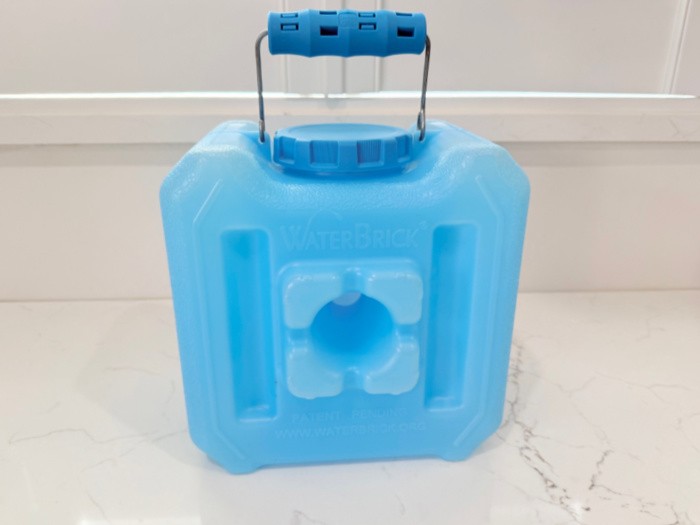
Clean drinking water is always valuable. Bottled water, water purification tablets, or filters can quickly become priceless during shortages or emergencies. Please store at least 4 gallons of water per person for each day. This is for cooking, personal hygiene, light laundry chores, and drinking.
2. Canned Food
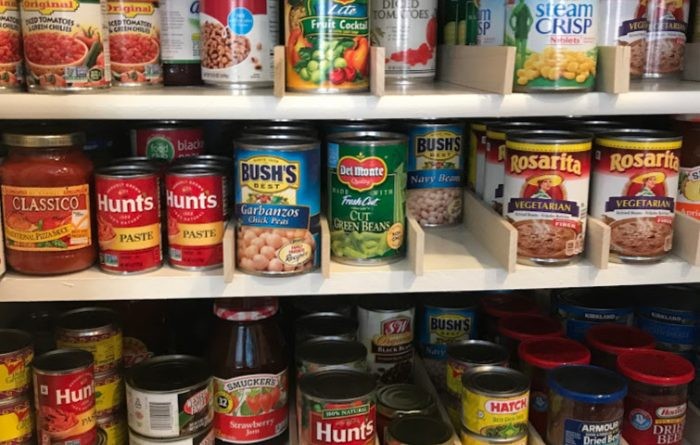
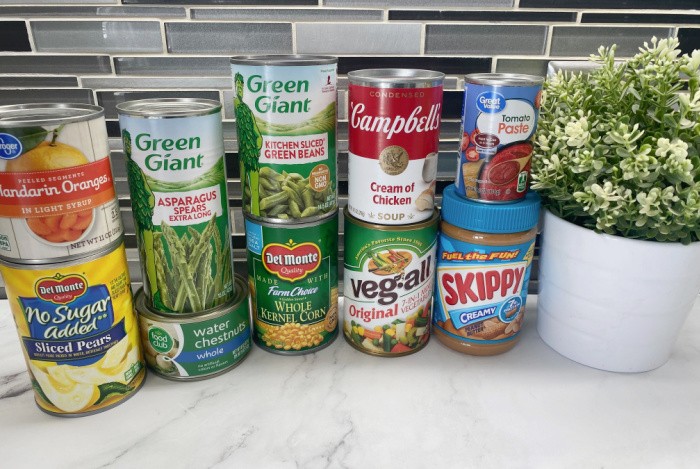
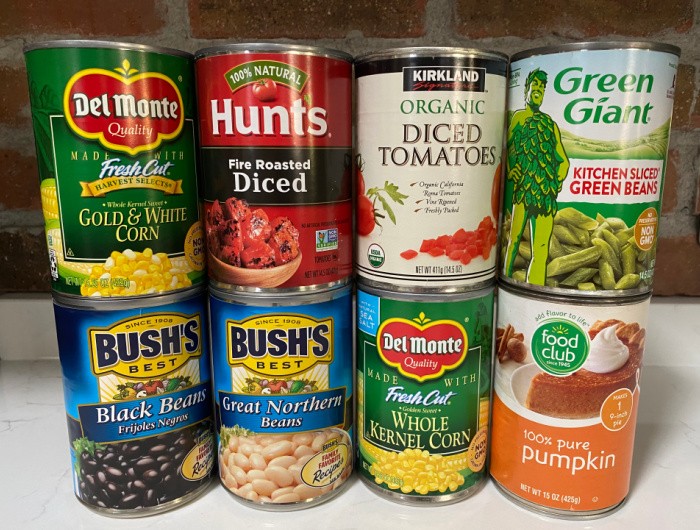
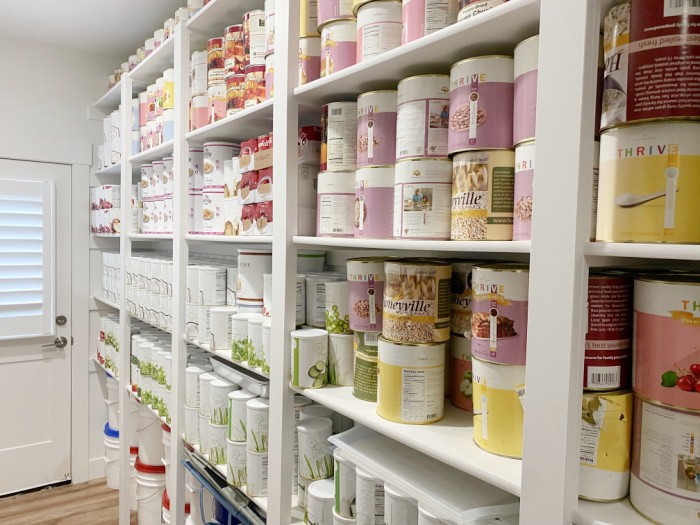
Shelf-stable foods, such as vegetables, soups, meats, and fruits, are easy to store and widely in demand. Single-serve cans work especially well for bartering.
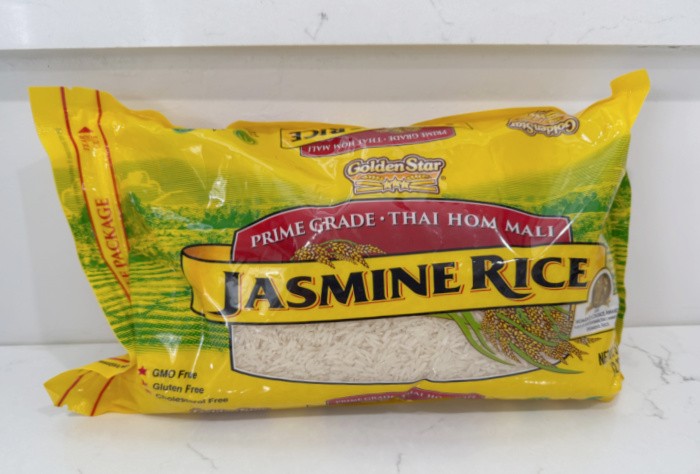
3. Rice
Rice is affordable, filling, and stores for years when kept properly. It’s a staple food in nearly every culture.
4. Beans
Dry or canned beans are a good source of protein, fiber, and calories. They are excellent barter items due to their nutrition and long shelf life.
5. Flour
Flour allows people to make bread, tortillas, and baked goods. Vacuum-sealed or smaller packages are ideal for trading.
6. Sugar
Sugar is used for cooking, baking, preserving, and morale. It becomes highly valuable when supplies are limited.
7. Salt
Salt is essential for food preservation, seasoning, and health. It never spoils and has historically been used as currency.
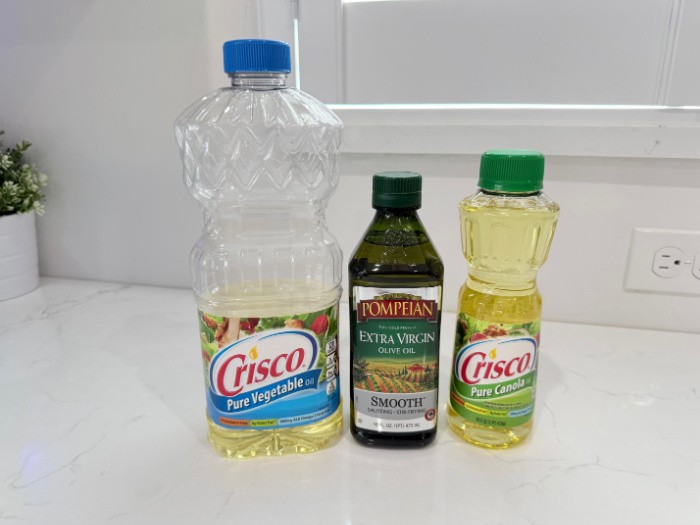
8. Cooking Oil
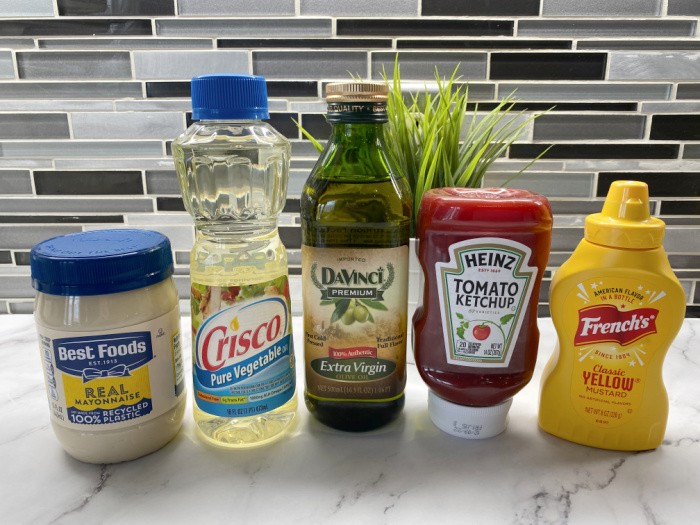
Oils like vegetable, olive, or coconut oil are calorie-dense and essential for cooking. Small bottles are perfect for barter.
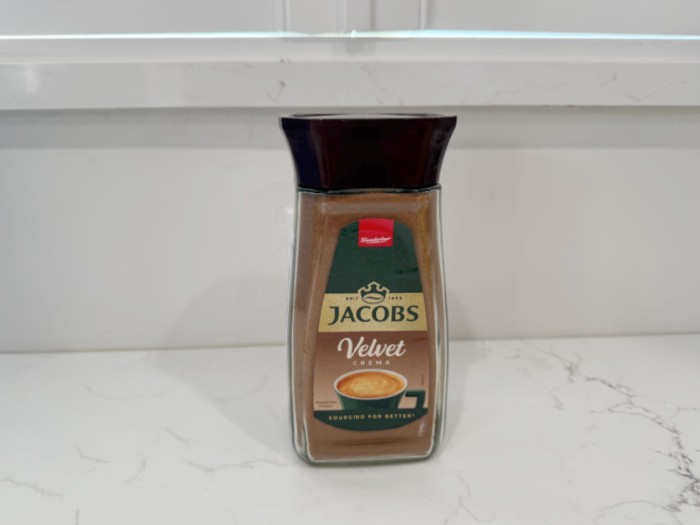
9. Coffee
Coffee is a morale booster and a highly desired item. Instant coffee stores well and is easy to trade.
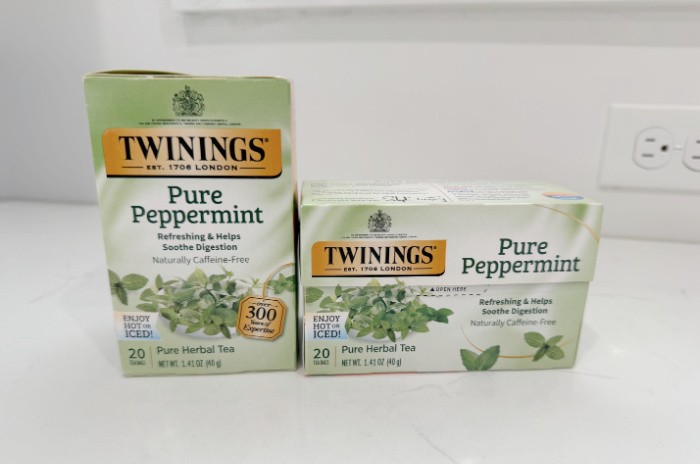
10. Tea
Tea has a long shelf life and offers comfort, hydration, and health benefits. Herbal teas may be especially appealing.
11. Honey
Honey never spoils and can be used as food, medicine, or a sweetener. Small jars or sealed containers work best.
When honey crystallizes, it’s actually a natural and harmless process, not a sign that the honey has gone bad. Here’s what’s happening:
Why Honey Crystallizes
Honey is a supersaturated sugar solution made mostly of glucose and fructose.
- Glucose tends to come out of solution and form crystals
- Fructose stays liquid and surrounds those crystals
Over time, the glucose separates into tiny crystals, making honey look thick, grainy, or solid.
Factors That Affect Crystallization
Some honey crystallizes faster than others, depending on:
- Type of flower source (clover and alfalfa crystallize quickly)
- Temperature (50–59°F is ideal for crystallization)
- Glucose-to-fructose ratio
- Pollen or particles (raw honey crystallizes faster)
Is Crystallized Honey Safe?
Yes! Crystallized honey is:
- 100% safe to eat
- Still nutritious
- Still delicious
In fact, many people prefer it spreadable or spoonable.
How to Decrystallize Honey
If you prefer liquid honey:
- Place the jar in warm (not boiling) water
- Stir occasionally
- Avoid microwaving—it can destroy enzymes and nutrients
What Crystallization Does Not Mean
- It does not mean the honey is spoiled
- It does not mean sugar was added
- It does not reduce quality
Fun Fact
Raw, unfiltered honey almost always crystallizes eventually; it’s a sign of purity, not a flaw.

12. Spices
Basic spices like pepper, salt, garlic powder, cinnamon, and chili powder make bland food enjoyable and valuable.
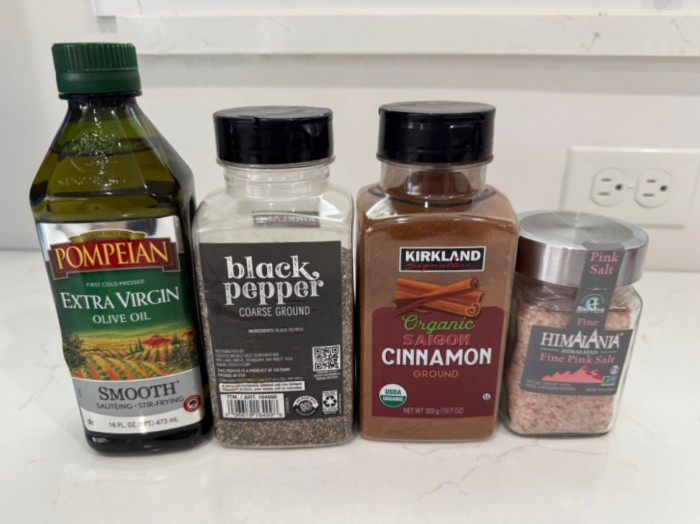
I had to insert cocoa powder here. I need chocolate for so many recipes. I’m also making caramel popcorn today, can you tell? I need Karo syrup. Caramel Popcorn.

13. Soap
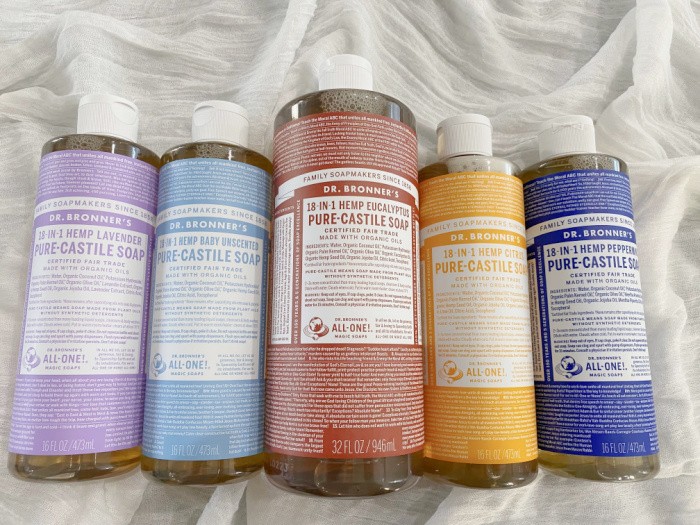
Bar or liquid soap is compact, long-lasting, and essential for hygiene. Unscented or antibacterial soaps are especially useful. Do you love Dr. Bronner’s Castile Soap as much as I do?
14. Toothpaste & Toothbrushes
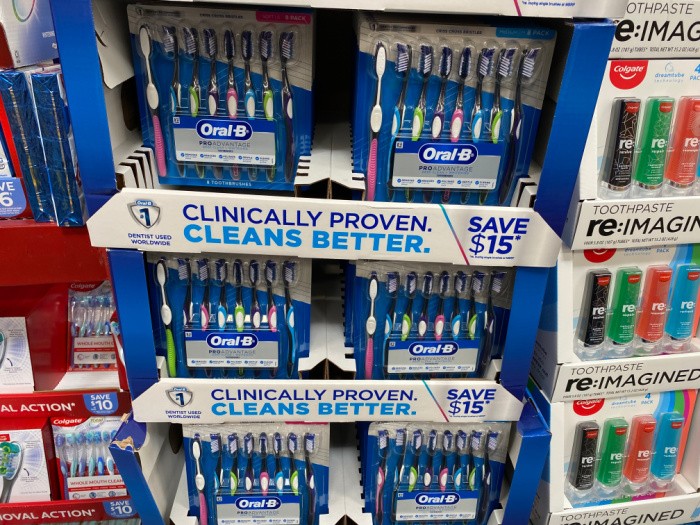
Oral hygiene is often overlooked but extremely important. Individually packaged items are ideal for trade.
15. Toilet Paper
Lightweight and always in demand, toilet paper remains one of the most recognizable barter items.
16. Feminine Hygiene Products
Pads, tampons, and liners are essential and often hard to find during emergencies.
17. Diapers
Disposable diapers in various sizes are highly valuable to families with young children.
18. Baby Formula
Infant formula can become critically important during supply disruptions. Always store unopened, unexpired containers.
19. Over-the-Counter Medications
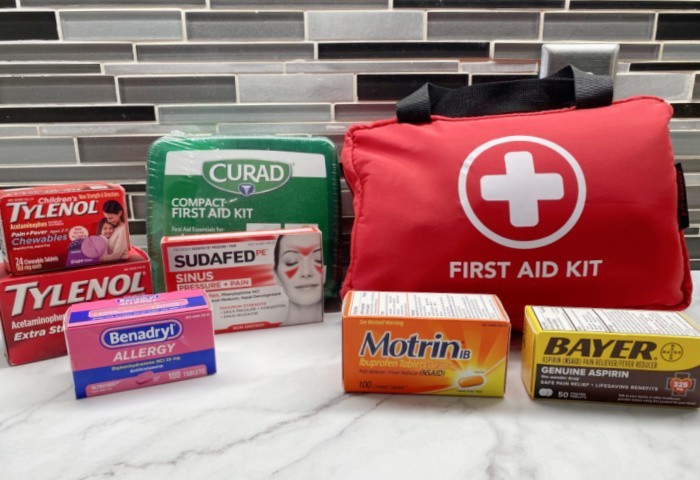
Pain relievers, allergy medicine, antacids, and cold remedies are frequently sought after.
20. First Aid Supplies
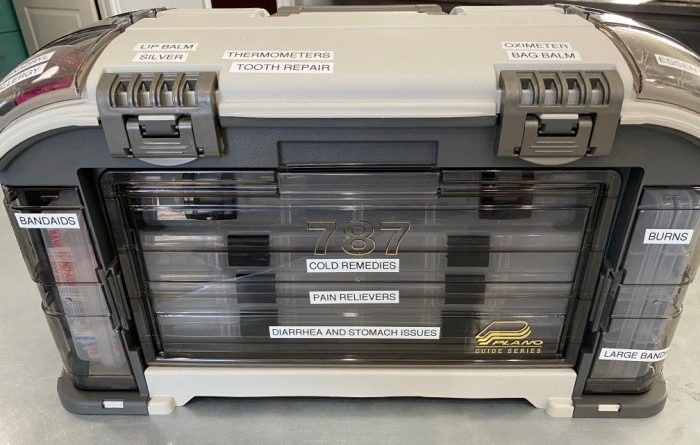
Bandages, antiseptics, gauze, gloves, and medical tape are valuable in any emergency. Here’s a link to this post: First Aid Supplies You Need.
21. Batteries
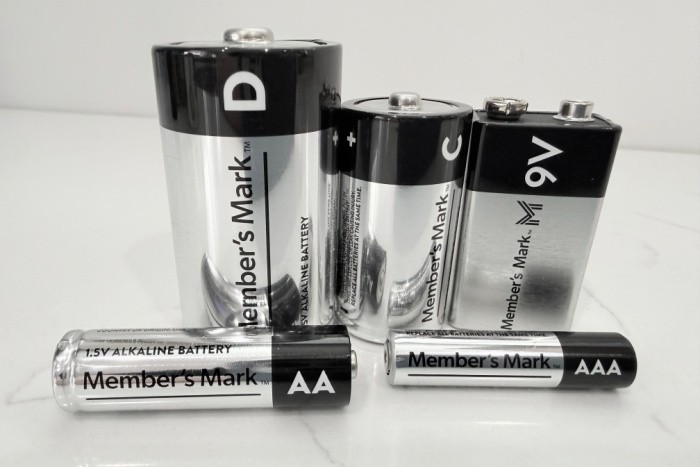
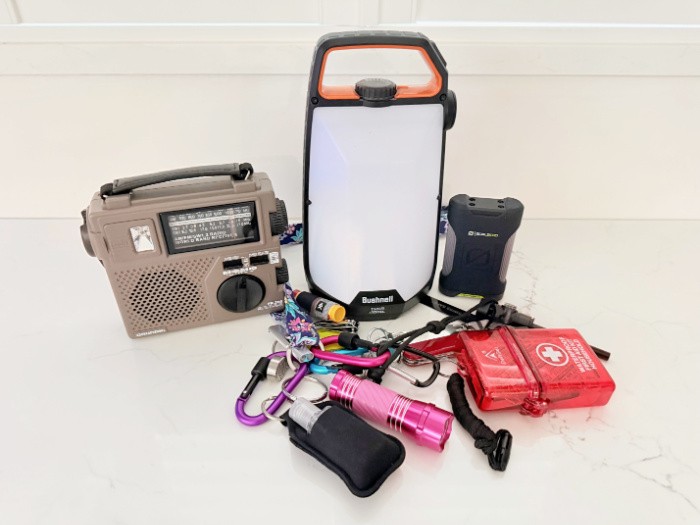
AA, AAA, and other common batteries are essential for flashlights, radios, and medical devices.
22. Candles
Candles provide light, warmth, and comfort when electricity is unavailable.
23. Matches & Lighters
Fire-starting tools are critical for cooking, warmth, and sanitation.
24. Flashlights
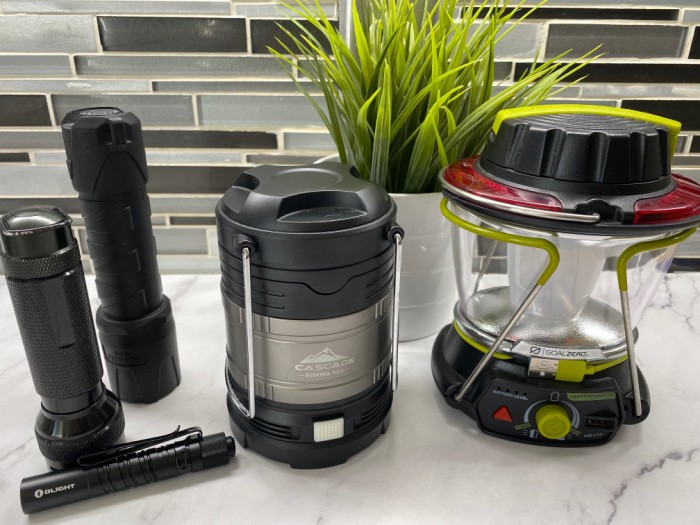
Small, reliable flashlights are useful and easy to trade.
25. Sewing Supplies
Needles, thread, buttons, and fabric allow people to repair clothing rather than replace it.
26. Tools
Basic hand tools like hammers, screwdrivers, pliers, and wrenches are always needed.
27. Gardening Seeds
Non-GMO, heirloom seeds are especially valuable for long-term food production.
28. Animal Feed
Feed for chickens, rabbits, or livestock can be hard to find during shortages and is valuable to homesteaders.
29. Fuel
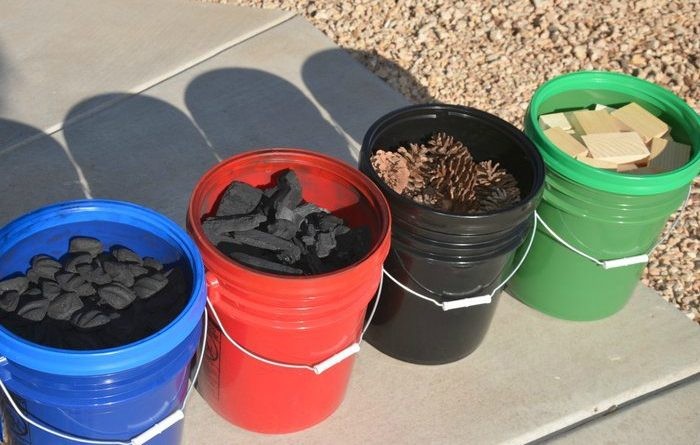
Firewood, propane canisters, charcoal, or lamp oil are extremely valuable for cooking and heating.
30. Skills & Services
Bartering isn’t just about items. Skills such as:
- Cooking
- Medical knowledge
- Mechanical repair
- Gardening
- Sewing
- Childcare
These can be just as valuable, sometimes more than physical goods.
Tips for Successful Bartering
- Store items in smaller tradeable quantities
- Choose goods with long shelf lives
- Avoid advertising everything you have
- Focus on practical, everyday needs
- Build trust within your community
10 Important Pioneer Skills That We Need
How to Barter with Food and Water
How to Be Prepared Before You Need to Be
Final Word
Bartering is about resilience, adaptability, and cooperation. Preparing barter items now doesn’t mean expecting disaster—it means being ready to help yourself and others if normal systems fail.
By stocking thoughtful, useful goods and learning valuable skills, you create security beyond money and strengthen your ability to thrive no matter what the future holds. Preparedness is not fear; it’s wisdom. May God bless this world, Linda


Linda,
I am glad you did not include ammunition. While I have heard others discuss bartering ammunition, I think that is the worst thing you can barter. You are bartering an item that the recipient could then use to turn on you and take away any other items you might have or even take your life. Not a very smart move in my opinion.
HI Harry, I learned that several years ago when I suggested ammo. Not smart, so I never mentioned it again! LOL! It was probably you or Matt that taught me that! LOL! I learn from the best! Linda
Love this post, Linda! Thank you for the reminders!d
Did you know you can make apple vinegar? I have made it before. It’s pretty easy. Add apple peels and core to a jar of water. Place in a warm dark place. (I put mine under the kitchen sink.) Shake every few days or so. It’ll take around 6 weeks or so to make.
I have some reusable sanitary pads for bartering. We stock up on all the above and a few things more.
Hi Deborah, I have never made apple vinegar, thank you for the tip! Yes, reusable sanitary pads will be in demand! Good job on stocking up my friend! Linda
I understand the idea of bartering but I am currently trying to make sure we have enough for us and our extended family. I’m afraid I would be too concerned with running out of what we need. I am still a work in progress
Hi Chris, hopefully you will never have the need to barter. But if you do this gives you an idea if you run out of something you can trade something for the items you need. We are all a work in progress, my friend. Linda
Linda, while I can’t imagine bartering water, since I have a solar system I could and would barter power. Need your battery charged? And among neighbors who are in my MAG I’d let them bring a fridge or freezer over to my garage so they could plug it in and keep their food cold or frozen.
I also have an extensive library of Prepper books I could lend in exchange for something I needed or wanted.
And while I’m at it I’d like to say that before TSHTF you’d better be stocked up on items like bow strings and arrows and crossbow strings and bolts, because once ammo runs out you’ll want such items.
Hi Ray, well, I would only barter the water in my high capacity tanks. Limited water for something I would need. I doubt I will ever need anything to be honest. You and I have been stocking for our families for years, its a way of life. We get it, some people will never understand why they must stock food and water at the very least. Great reminder on the bow and arrow parts. Linda
Linda, OMG! I just harvested a Golden Bell Pepper from a plant I couldn’t even see until I started pulling dead tomato plants. The Pepper plant had been killed by the cold too but it still had a good sized, firm bright golden yellow pepper on it. I have never harvested any kind of pepper in January before. Makes me think about getting a greenhouse and trying to grow summer crops year round.
Oh, my asparagus is coming up–not much yet, but enough for one meal. you should put in a small asparagus patch when you start your garden. It’s the easiest to grow, least maintenance crop I grow.
Hi Ray, oh my gosh, I love hearing this, the hidden yellow bell pepper!! Oh, I would love a green house, that has always been a dream of mine. I grew asparagus in Southern Utah, I think I purchased the wrong type of plant. They were very skinny but tasted good. I may try again here. Linda
What a blessing!! Two days ago, I was woken up in the a.m. by a phone call from our Amish organic farmer friends. They are a large family with father and 5 boys, all of the age that they can now hunt. Joseph, the father, called to say “Joyce, we’re processing deer meat into venison hamburger today. There will be 100 lbs. Can you please call your friends or anyone who is in need that you know, and distribute the hamburger for us? Say, how much do YOU want?”
You see, a local apple orchardist hired them to shoot the deer that were eating his apple trees (branches) this harsh winter, using a “nuisance permit”. So, Joseph told me “we are not allowed to sell the meat, but we do charge a minimal processing fee of $1.50/lb. to cover our own costs.” What a DEAL!!! Here it is 3 days later, and we are just today finally distributing the last few lbs. to families in need and to our best friends. What I asked for was stew meat, but to my great surprise, they sent me 15 lbs.+ of slabs of choice venison, some look just like steaks and tenderloins, etc., etc. PLUS they insisted that my portion was for free because I always share things with them. Wish you all lived out this way in Central New York! I pray that the Lord will send you ALL similar deals to stock your freezer with this winter! I believe if you ask Him, He will!!
Hi Jess, wow, what a blessing for so many families! I’ve never heard of a “nuisance permit”, yay! I agree, if you ask He will! Linda
Oh, yeah…I forgot to say that Joseph’s family did not send us 100 lbs. of venison hamburger. They sent about 125-130!! I think Joseph was so tired of processing it all, that he told my husband “just take the rest of that over there, too, please!! Don’t pay, just take it!” 🙂 Anyway, there are 2 pastors, and many other friends who are rejoicing, especially the newlyweds who are both in college…and now their maid of honor and hubby who was injured and now barely working have moved in and the newlyweds are housing and feeding them! What a blessing to be able to help these young folks out like this!! I am especially grateful to help my young friend, the bride, whose own mother died last May. (So, we try to reach out and help her when we can.)
Hi Jess, that is a lot of meat! What a blessing! Those young couples can sure use the help while going through college. So sad, one of them lost her mother. That breaks my heart, Linda