Dutch Ovens: Why Every Family Needs One
This post may contain affiliate links. We may earn a commission if you purchase via our links. See the disclosure page for more info.

Dutch ovens: why every family needs one. In today’s fast-paced world, families are constantly searching for ways to simplify meal preparation while still creating delicious, nutritious home-cooked meals. Enter the Dutch oven, a versatile kitchen workhorse that has been a staple in homes for centuries. Whether you’re a seasoned home chef or just beginning your culinary journey, a Dutch oven can transform the way your family cooks and eats together.
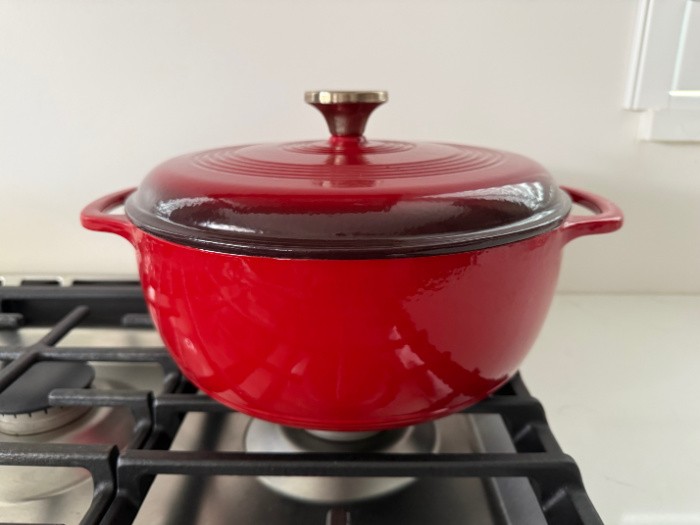
This comprehensive post will cover everything you need to know about Dutch ovens, from why they are essential kitchen equipment to how to care for them properly. By the end, you’ll understand why this single piece of cookware deserves a permanent place in your family’s kitchen. Choose a color you love so you can keep it on your stove year-round!
Kitchen Items I recommend:
- 6-Quart Lodge Enameled Dutch Oven
- Non-Stick Parchment Paper
- Silicone Lifters For Bread
- Cast Iron 6-Quart w/o Legs
- Long Silicone Oven Gloves
What Is a Dutch Oven?
A Dutch oven is a thick-walled cooking pot with a tight-fitting lid, traditionally made from cast iron. Modern versions may feature an enamel coating that provides a nonreactive cooking surface and eliminates the need for seasoning. The heavy construction provides excellent heat retention and even heat distribution, making it ideal for slow-cooking, braising, baking, and more.
These versatile pots typically range from 3 to 7 quarts, with 5-6 quarts ideal for most families. The thick walls and heavy lid create an environment where moisture circulates continuously, keeping foods tender and flavorful. This self-basting feature makes Dutch ovens exceptional for preparing restaurant-quality meals at home. Please note that the larger the Dutch oven, the heavier it is when empty or filled.
Why Every Family Should Own a Dutch Oven
Unmatched Versatility
One of the most compelling reasons to invest in a Dutch oven is its remarkable versatility. This single piece of cookware can replace multiple pots and pans in your kitchen. You can use it to make soups, stews, chilis, pot roasts, pasta dishes, bread, casseroles, and even desserts. It works beautifully on the stovetop for searing meats and sautéing vegetables, then transitions seamlessly into the oven for slow-cooking.
For busy families, this means fewer dishes to wash and less clutter in your cabinets. You can brown the chicken on the stovetop, add the vegetables and broth, and slide the entire pot into the oven to finish cooking, all in one vessel. This streamlined approach to cooking saves time and energy, making weeknight dinners more manageable.
Perfect for Budget-Friendly Meals
Dutch ovens excel at transforming less expensive cuts of meat into tender, flavorful dishes. The low-and-slow cooking method breaks down tough connective tissue, turning affordable cuts such as chuck roast, pork shoulder, or chicken thighs into melt-in-your-mouth meals. This makes it easier for families to stretch their grocery budgets without sacrificing quality or taste.
Additionally, Dutch ovens are ideal for batch cooking and meal prep. You can make large quantities of soup, chili, or stew on the weekend, then portion and freeze meals for busy weeknights. This approach not only saves money but also ensures your family has healthy, homemade options readily available.
Creates Memorable Family Moments
There’s something special about a meal that’s been slowly simmering away, filling your home with incredible aromas. Dutch oven cooking encourages families to slow down and enjoy the process. Whether you’re making Sunday pot roast, homemade bread, or a comforting chicken and dumplings, these dishes become traditions that children remember for years to come.
The one-pot nature of Dutch oven cooking also makes it perfect for teaching children about cooking. Kids can help add ingredients, stir, and learn about how different cooking methods affect food—all while staying safely away from hot stovetops and multiple burners.
How to Use Your Dutch Oven
Stovetop Cooking
Dutch ovens perform well on the stovetop for tasks such as browning meat, sautéing vegetables, boiling pasta, and making soups and stews. The heavy bottom distributes heat evenly, preventing hot spots that can cause food to burn. When using your Dutch oven on the stovetop, start with medium heat and adjust as needed. The thick cast iron retains heat exceptionally well, so you typically don’t need high heat settings.
For best results, preheat your Dutch oven gradually. This prevents thermal shock and ensures even cooking. When searing meat, ensure the pot is properly heated before adding the food. You should hear a satisfying sizzle when the meat hits the surface.
Oven Cooking
The oven is where Dutch ovens truly shine. Their heavy lids trap moisture, creating a self-basting environment that keeps food incredibly tender. This makes them perfect for braising meats, baking bread, or cooking casseroles. Most Dutch ovens are safe up to 500°F (260°C), making them suitable for virtually any recipe. Please check the maximum temperature for your brand.
When baking bread, the Dutch oven essentially creates a mini steam oven. Preheat the oven, carefully add the bread dough, cover with the lid, and bake. The trapped steam creates a crispy, artisan-style crust that’s difficult to achieve with conventional baking methods. This technique has revolutionized home bread baking for countless families.
Important Note About Ceramic-Coated Dutch Ovens
If you have a ceramic-coated Dutch oven, note that it’s designed for indoor use only. Unlike traditional bare cast-iron or enameled cast-iron Dutch ovens, which can be used over campfires or outdoor cooking setups, ceramic-coated versions should never be exposed to open flames or used for outdoor cooking.
The ceramic coating can be damaged by direct exposure to flames or extremely high, uneven heat sources. Stick to using ceramic-coated Dutch ovens on your stovetop or in your oven, where temperatures are controlled and evenly distributed. This will preserve the coating’s integrity and help ensure your Dutch oven lasts for many years.
Delicious Family Meals You Can Cook
Comfort Food Classics
Dutch ovens are ideal for preparing the comfort foods families crave. Pot roast with carrots and potatoes, beef stew, chicken and dumplings, and hearty chili all benefit from the slow, even cooking that Dutch ovens provide. These meals are ideal for Sunday dinners or cold winter evenings when you want something warm and satisfying.
The beauty of these dishes is their simplicity. Most require minimal preparation—just brown the meat, add your vegetables and liquid, and let the Dutch oven work its magic. The long cooking time allows flavors to meld beautifully, creating depth and richness that quick-cooking methods can’t achieve.
International Flavors
Expand your family’s culinary horizons with international dishes made easy in a Dutch oven. Moroccan tagines, French coq au vin, Italian osso buco, and Indian curries all translate beautifully to Dutch oven cooking. These dishes expose children to new flavors and cultures while remaining approachable and family-friendly.
The sealed environment of a Dutch oven is particularly well-suited to dishes with complex spice blends, as the flavors have time to develop and permeate every ingredient. This means you can create restaurant-quality international cuisine at home, often at a fraction of the cost of dining out.
Bread and Baked Goods
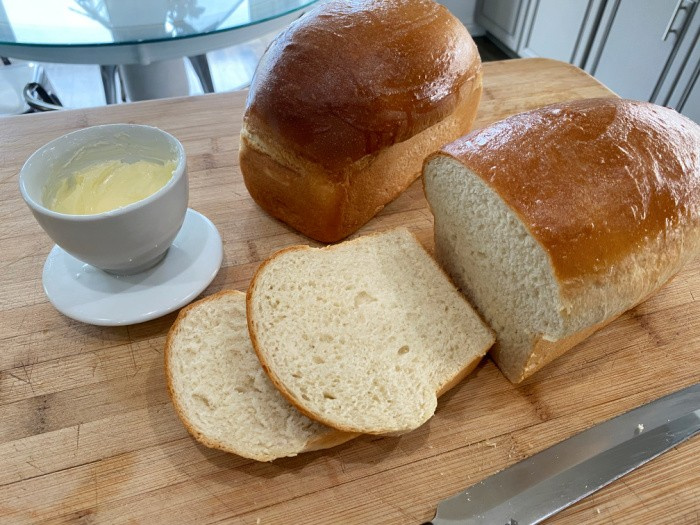
Homemade bread is one of the most rewarding things you can make in a Dutch oven. The enclosed environment creates steam, producing a crispy, golden crust with a soft, airy interior. No-knead bread recipes are particularly beginner-friendly and require minimal hands-on time, making them perfect for busy families.
Beyond bread, you can make cobblers, crisps, and even cakes in your Dutch oven. These desserts are perfect for family gatherings or special occasions. The even heat distribution ensures consistent baking, and serving directly from the pot adds a rustic, homey touch to any meal. No-Knead Homemade Bread Recipe.
Caring for Your Dutch Oven
Hand Wash Only
One of the most important rules for maintaining your Dutch oven is to always hand-wash it—never put it in the dishwasher. While this may seem inconvenient, handwashing protects the finish and significantly extends the life of your cookware. Dishwasher detergents are too harsh for both enamel and bare cast iron surfaces, potentially causing damage, discoloration, or degradation over time.
To clean your Dutch oven, allow it to cool slightly after cooking (but clean while still warm for easier removal of stuck-on food). Use hot water and a mild dish soap with a soft sponge or cloth. For stubborn food residue, fill the pot with warm water and a bit of dish soap, then let it soak for 15-20 minutes before washing. Avoid using abrasive scrubbers or steel wool, as these can scratch the surface.
Proper Drying and Storage
After washing, thoroughly dry your Dutch oven with a clean towel. Any remaining moisture can lead to rust spots, especially on bare cast iron. For extra protection, you can place the pot on the stovetop over low heat for a minute or two to ensure complete drying.
Store your Dutch oven in a dry place with the lid slightly ajar or completely removed. This allows air circulation and prevents moisture from being trapped inside, which can cause musty odors or rust. If you need to stack other cookware inside, place a soft cloth or paper towel between items to protect the surface.
Addressing Common Issues
If you notice staining or discoloration on an enameled Dutch oven, don’t panic; this is normal with use. You can remove stubborn stains by making a paste of baking soda and water, applying it to the stained area, and letting it sit for several hours before scrubbing gently and rinsing.
For bare cast-iron Dutch ovens, occasional re-seasoning may be necessary if food begins to stick or if you notice rust spots. This involves coating the interior with a thin layer of vegetable oil and baking it at 450°F (232°C) for 1 hour. This process restores the non-stick surface and provides rust protection.
Choosing the Right Dutch Oven for Your Family
Size Matters
For most families, a 5-6-quart Dutch oven is the sweet spot. This size is large enough to cook a whole chicken, make a big batch of soup for the week, or bake a substantial pot roast, yet it’s not so large that it’s cumbersome to handle or store. Smaller households might opt for a 3-4 quart model, while larger families or frequent entertainers might prefer a 7-8 quart capacity.
Consider your family’s cooking habits when choosing a size. If you regularly meal prep or cook for gatherings, go for larger quantities. If you primarily cook for 2-4 people and rarely make big batches, a smaller model will be more practical and easier to handle.
Enameled vs. Bare Cast Iron
Enameled cast-iron Dutch ovens feature a porcelain coating that makes them non-reactive and eliminates the need for seasoning. They’re ideal for acidic foods such as tomato-based sauces, wine-braised dishes, and citrus marinades. The enamel also comes in various colors, adding a decorative element to your kitchen.
Bare cast-iron Dutch ovens are more traditional and typically less expensive. They require seasoning to create a natural non-stick surface and must be dried thoroughly to prevent rust. However, they can withstand higher temperatures and are virtually indestructible. Many families find that enameled versions offer the best combination of performance, ease of care, and versatility for everyday use.
Investment Quality
A quality Dutch oven is an investment that will last for generations. Look for thick, heavy construction with a tight-fitting lid. The interior should be smooth and free of defects. While premium brands can be expensive, they often come with lifetime warranties and superior craftsmanship. However, several budget-friendly options offer excellent performance for families just starting their Dutch oven journey.
Remember that this is a piece of cookware you’ll use for decades. Many families pass Dutch ovens down through generations, making them true heirloom pieces. When viewed through this lens, even a higher initial investment becomes quite reasonable.
Conclusion: A Dutch Oven Belongs in Every Family Kitchen
A Dutch oven is more than just another pot; it’s a versatile kitchen tool that can transform your family’s cooking experience. From tender pot roasts and hearty stews to artisan bread and international cuisine, the possibilities are virtually endless. The one-pot convenience simplifies meal preparation and cleanup, making it easier to provide nutritious, home-cooked meals even on busy weeknights.
By following proper care guidelines, including hand washing only and appropriate use based on your Dutch oven’s coating, you’ll ensure this valuable kitchen tool serves your family for decades to come. Whether you choose an enameled Dutch oven for its convenience and versatility or a traditional bare-cast-iron model for its durability and high-heat capability, it is an investment in countless family meals and cherished memories.
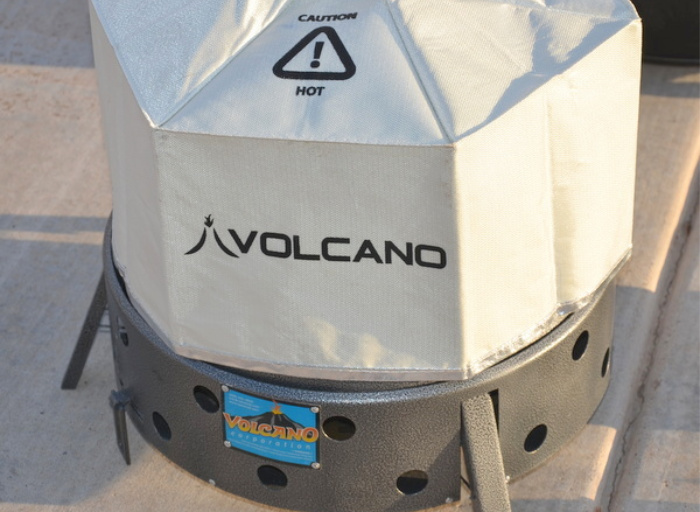
How To Make A Dutch Oven Stand Cheap (use with cast iron Dutch Ovens only)
How To Layer A Dutch Oven Breakfast
Final Word
Start with simple recipes, experiment with different cuisines, and watch as your Dutch oven becomes the most-used item in your kitchen. Your family will appreciate the delicious meals, and you’ll appreciate the simplicity, versatility, and quality that only a Dutch oven can provide. It’s not just cookware, it’s a cornerstone of family cooking that brings everyone together around the table. May God bless this world, Linda





Linda, I don’t have to tell you how much we love dutch ovens at our house! I have two that I use often and my husband has one he takes camping. I bought him one for his birthday a couple of years ago from Lodge and it’s small. I don’t recall the exact size, but it’s maybe 1 or 2 quarts. He bakes cakes and cobblers in it and it’s wonderful. He likes to experiment cooking on our fire pit before he tries his recipes on his fishing buddies! LOL
Hi Paula, oh this is the best story ever! I love hearing you husband tests out his recipe beforehand! LOVE THIS! I have several sizes for outside with legs that stack. I have always wanted the white Le Creuset Dutch oven, too expensive for my budget. My daughter splurged on a 5-1/2 quart years ago and she uses it every single day. It’s so fun to know she loves cooking from scratch. AND making bread in it. Linda
Ah, I have 3 cast iron camp dutch ovens – the kind with legs and a flanged lid – 8 inch, 20 inch and 12 inch. I love them for camping and cooking/baking outdoors. I have yet to get a flat bottomed dutch oven though but would like to get a small one. Must say, however, that it isn’t a high priority for me.
Hi Leanne, I have used the 6 quart ones with the legs in my oven. I love all cast iron Dutch Ovens. I can’t imagine lifting that 20 inch one! Great to have! Linda
l lol! I remember when my husband gave me that 12 inch Dutch oven! I was, perhaps 33 and pretty strong! I told him that if I filled that oven and he made me mad, I would be able to get id swinging. I actually only used it over the campfire full of soup or stew. I had no idea how to fully utilize it by baking in it using coals.
Hi Leanne, I bought a 17 inch Lodge cast iron fry pan because we used to fry scones for Marathon people in St.George, Utah. Great memories! I can’t imagine how heavy that 18 Inch Dutch oven weighs! That’s a keeper. Not the ex-husband, LOL! Just the pan! Linda
Happy Valentines Day!
I have a cast iron Dutch Oven. Haven’t used it yet. In fact I have a whole set of Cast Iron cookware. I have them for “What If” ever happens!
Hi Deborah, Happy Valentine”s Day! I was going to make a Valentine’s Cake, yeah that didn’t happen. LOL! Well, here’s the deal, you have a Dutch oven and other cast iron pans you will need when the time arises. Good job! Linda
If you don’t already know how to fully utilize the cast iron cookware, learn now before the “what if” happens.
Hi leanne, this is so true. I included the info in the post. Hopefully, people print it because I believe we will be using those pans outside sooner than later. I hope i’m wrong. Linda
I do know how! I grew up with grandparent and mother using them.
I have loved my Dutch Oven, but find more and more I use my slow cooker. Lifting a full Dutch oven has gotten too hard for me.
Great article!
I got my first dutch oven in a Yankee Swap this past Christmas. I had originally passed on the wrapped box because I couldn’t lift it. Lol. I have since made chili for the first time, then twice more because it was so easy and so delicious! My neighbors are happy to be part of my test kitchen. 🙂
I haven’t used it in the oven yet because it is still too heavy (I’m surgical post-op) but I’m hoping to find a gluten free bread recipe to try out soon. If you have a recipe to share it would be appreciated!
Love your articles! Thank you!
God bless
Hi Maryanne, Thank you for you kind words, my sweet friend. I bet your neighbors love your test kitchen! Dutch Ovens are heavy, and so are the pans.I wonder if you could use a GF Bread flour in my “No-Knead Bread” recipe? https://www.foodstoragemoms.com/no-knead-homemade-bread-recipe/
King Arthur has GF Bread Flour! I would try it. Happy Valentine’s Day! Linda
We grew up calling Dutch ovens “soup pots”. I didn’t get one for the longest time and can’t believe I was able to cook without it. I have a 6 quart one and recently got a 2 qt one from Aldi’s that has been great now that we are down to just hubby and I. It takes forever to remember how to cook for just 2 after cooking for a family for so long. I love the 2 quart Dutch oven for making soup and one pot meals for just two people.
Now the legged camping Dutch ovens, I have a couple of sizes but unlike my grandmother, I usually just use one at a time. When my grandmother would go camping with us when we were kids, she would have a campfire going and mutliple Dutch ovens… pot roast with potatoes and carrots in one, biscuits or cornbread in another and then cake or a cobbler in a 3rd one. Everything was timed perfectly so that dinner was ready at one time while desert would be read after dinner. She was amazing.
Hi Topaz, it’s so fun to go camping with Dutch ovens, all different sizes! LOVE this! It is really hard to go from cooking for 6 down to two. LOL! I totally understand! I think I’m cooking for the neighborhood sometimes. LOL! Encore/leftovers for days. Life is good! Linda