
Home and Household Skills: Why We Need Them
This post may contain affiliate links. We may earn a commission if you purchase via our links. See the disclosure page for more info.

Let’s talk about our home and house skills and why we need them. In a fast-paced world filled with convenience services, delivery apps, and disposable products, home and household skills are quietly becoming rare. Yet these skills—cleaning, organizing, cooking, maintaining a home, and managing daily routines—are the very foundation of a stable, peaceful household.
Knowing how to care for a home isn’t outdated. It’s empowering.
Whether you’re raising a family, living on a budget, preparing for uncertain times, or simply craving a simpler life, learning and preserving household skills can save money, reduce stress, and build confidence.
In July, Mark and I will celebrate our 57th anniversary. It’s been a wonderful journey together, and we’ve tried to support each other’s goals and dreams, as best we can. Over the years, we learned to share the “load” and help each other, and we tried to pass on that cooperative approach to our four daughters. We’re proud of each one and the household environments they’ve created and are now passing on to their own children. We have 17 grandkids and six great-grandkids who we love dearly.
Items You May Want
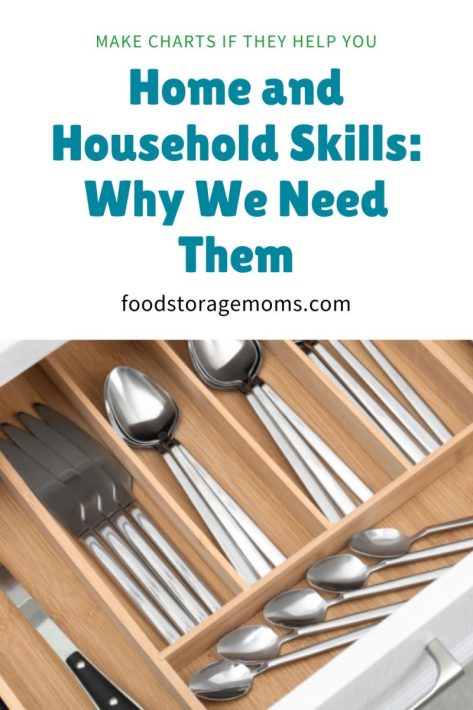
- Knife Organizer
- Silverware Dividers
- Plastic Containers to Organize Anything
What Are Home & Household Skills?
Home and household skills are the practical abilities needed to manage and maintain a functional home. These skills were once passed down naturally from generation to generation, but today, many people must intentionally relearn them.
Common household skills include:
- Cleaning and maintaining living spaces
- Organizing and decluttering
- Cooking meals from basic ingredients
- Laundry care and clothing maintenance
- Basic home maintenance and repairs
- Time management and household routines
- Budgeting and resource management
These skills support daily life and help households run smoothly, without constant outside help.
Why Home & Household Skills Are So Important Today
1. They Save Money
Hiring cleaners, ordering takeout, replacing damaged items, or paying for simple repairs adds up quickly. Learning to handle basic household tasks can save hundreds or even thousands of dollars per year.
2. They Build Self-Reliance
When you know how to care for your home, you’re less dependent on outside services. This is especially important during emergencies, financial hardship, or supply shortages.
3. They Reduce Stress and Overwhelming Feelings
A clean, organized home creates mental clarity. Simple routines prevent chaos, last-minute scrambles, and decision fatigue.
4. They Create a Sense of Pride and Stability
There’s deep satisfaction in maintaining a home that feels calm, functional, and welcoming. Household skills foster confidence and purpose.
Essential Home & Household Skills Everyone Should Learn
Cleaning Skills That Actually Work
Cleaning doesn’t have to be complicated or expensive.
Key skills include:
- Creating simple cleaning schedules
- Using multi-purpose, affordable cleaners
- Deep cleaning kitchens and bathrooms
- Preventing mess instead of reacting to it
- Cleaning with natural or homemade solutions
A clean home supports better health and helps belongings last longer.
Decluttering and Organization
Clutter is more than physical—it causes mental strain.
Important decluttering skills:
- Letting go of unused or duplicate items
- Creating designated spaces for essentials
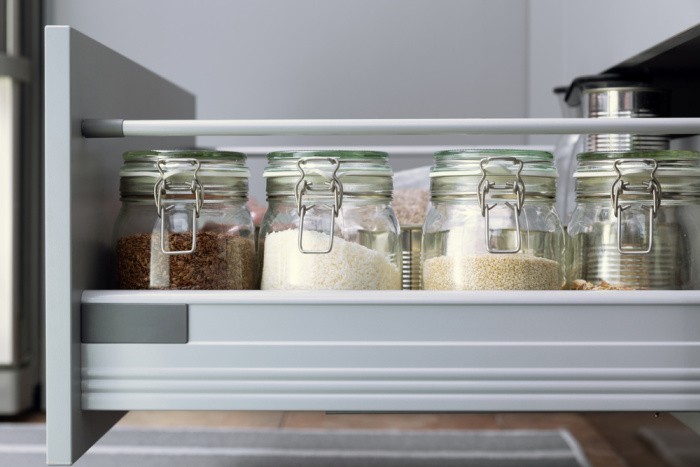
- Organizing kitchens, closets, and storage areas
- Maintaining order with daily habits
An organized home saves time, reduces frustration, and makes cleaning easier.
Cooking From Scratch
Cooking is one of the most valuable household skills you can learn.
Why cooking skills matter:
- Home-cooked meals are healthier and cheaper
- You control ingredients and portion sizes
- Cooking builds resilience during shortages or tight budgets
- Traditional cooking skills reduce food waste
Even basic cooking knowledge—soups, breads, casseroles, and pantry meals-can transform household food security.
Laundry and Clothing Care
Proper laundry skills extend the life of clothing and linens.
Essential laundry knowledge includes:
- Sorting clothes correctly
- Removing stains naturally
- Washing without damaging fabrics
- Air-drying and proper storage
- Basic mending and repairs
These skills save money and reduce the need for constant replacements.
Basic Home Maintenance Skills
You don’t need to be a contractor to maintain a home.
Simple but important skills:
- Changing furnace filters and light fixtures
- Preventing mold and moisture damage
- Keeping drains and appliances clean
- Seasonal home checks
- Identifying problems before they become costly repairs
Routine maintenance protects your biggest investment, your home.
Household Management and Routines
A home runs best with simple systems.
Household management skills include:
- Creating daily, weekly, and monthly routines
- Planning meals and grocery shopping efficiently
- Managing household supplies
- Balancing responsibilities among family members
- Teaching children age-appropriate skills
Good routines free up time for rest, creativity, and connection.
Teaching Household Skills to the Next Generation
Children benefit greatly from learning household skills early.
Benefits include:
- Increased responsibility and confidence
- Strong work ethic
- Practical life readiness
- Respect for shared spaces
- Reduced entitlement and dependency
Start small—making beds, helping cook, folding laundry, and build gradually.
Why These Skills Are Making a Comeback
More people are rediscovering household skills because of:
- Rising costs of living
- Food price increases
- Supply chain disruptions
- Burnout from fast-paced lifestyles
- Desire for simpler, slower living
Home skills are no longer seen as “old-fashioned”—they’re becoming essential life skills again.
How to Start Building Household Skills (Without Overwhelm)
You don’t have to master everything at once.
Start by:
- Learning one skill at a time
- Creating simple routines instead of strict schedules
- Practicing consistency, not perfection
- Using what you already have
- Focusing on progress over appearance
Small steps lead to lasting habits.
What Are Home and Household Routines?
Household routines are repeated daily, weekly, and seasonal habits that keep a home clean, organized, and running efficiently. These routines eliminate decision fatigue and prevent small tasks from becoming overwhelming problems.
Common household routines include:
- Morning and evening routines
- Cleaning schedules
- Laundry routines
- Meal planning routines
- Grocery and supply management
- Weekly reset routines
- Seasonal home maintenance
Unlike strict schedules, routines are flexible and adaptable to real life.
Why Home and Household Routines Are So Important
Reduce Stress and Mental Overload
When tasks are done routinely, you no longer have to constantly think about what needs to be done. This reduces anxiety, procrastination, and burnout.
Save Time and Energy
Simple routines prevent last-minute scrambles, repeated cleaning, and wasted effort. Tasks become quicker and easier when done regularly.
Create a Cleaner, More Organized Home
Small daily habits prevent clutter and mess from piling up, making the home easier to maintain.
Improve Family Cooperation
When routines are clear, everyone knows what’s expected. Children and adults alike benefit from predictable systems.
Support Health and Well-Being
Regular meal times, cleaning habits, and sleep routines contribute to better physical and mental health.
Essential Daily Household Routines
Daily routines focus on maintenance, not deep cleaning.
Common daily routines include:
- Making beds
- Washing dishes or loading the dishwasher
- Wiping kitchen counters
- Doing one small load of laundry
- Tidying common areas
- Preparing for the next day
These tasks usually take 15–30 minutes total and help prevent chaos.
Weekly Household Routines That Matter Most
Weekly routines keep the home from falling behind.
Important weekly routines:
- Vacuuming and mopping floors
- Cleaning bathrooms
- Changing bed linens
- Grocery shopping and meal planning
- Emptying trash and recycling
- Reviewing schedules and appointments
A weekly “reset” helps the home start fresh.
Monthly Household Routines
Monthly routines address tasks that don’t need constant attention.
Examples include:
- Deep cleaning appliances
- Decluttering one area
- Checking pantry and freezer inventory
- Washing windows or curtains
- Reviewing the household budget
- Replacing filters
These routines protect both health and finances.
Seasonal Household Routines
Seasonal tasks include:
- Spring cleaning and decluttering
- Winterizing the home
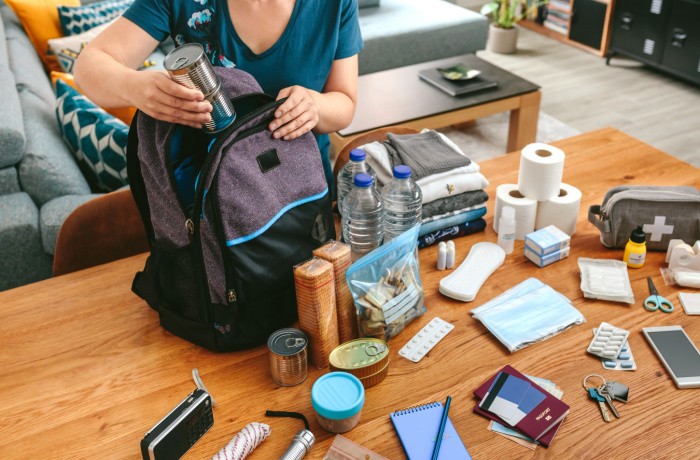
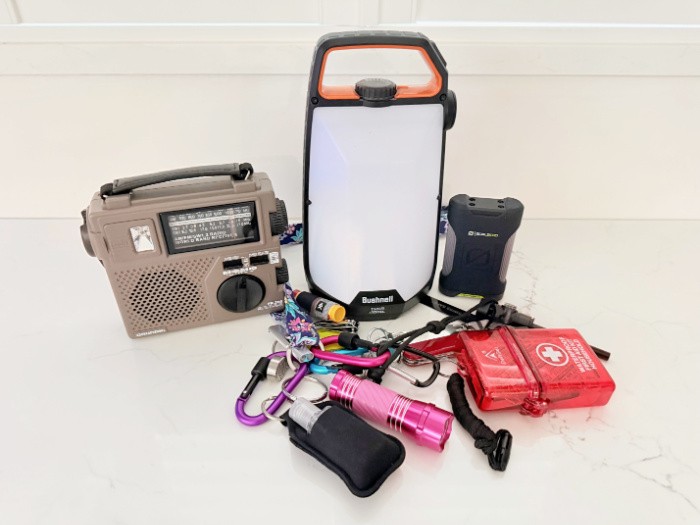
- Preparing emergency supplies
- Rotating clothing and linens
- Checking smoke detectors and batteries
These routines help prevent emergencies and costly repairs.
Meal Planning and Kitchen Routines
Kitchen routines are among the most impactful household systems.
Effective kitchen routines include:
- Weekly meal planning
- Prep days for chopping or cooking ahead
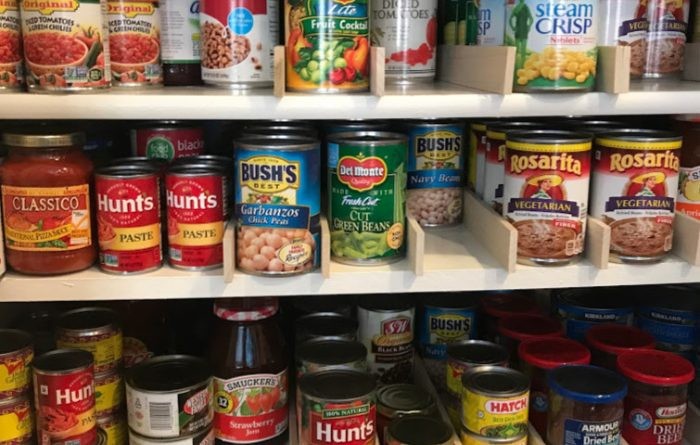
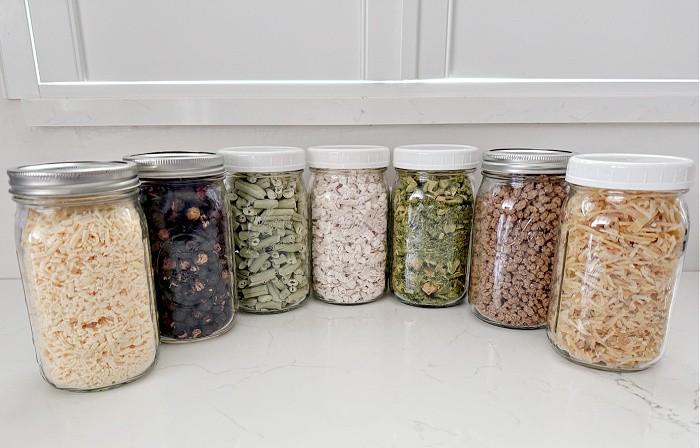
- Keeping a stocked pantry
- Rotating leftovers properly
- Cleaning the kitchen nightly
These routines reduce food waste and grocery costs.
Laundry Routines That Actually Work
A simple laundry routine prevents piles from taking over.
Popular laundry systems:
- One load per day
- Assigned laundry days
- Sorting clothes as they come off
- Folding immediately to avoid buildup
Consistency matters more than the method.
Routines for Families and Children
Children thrive on predictable routines.
Age-appropriate responsibilities may include:
- Making beds
- Setting or clearing the table
- Sorting laundry
- Feeding pets
- Tidying bedrooms
Teaching routines builds independence and life skills.
How to Create Household Routines That Stick
Start Small
Choose one or two routines and master them before adding more.
Attach Habits Together
Link new routines to habits you already have, such as cleaning the kitchen after dinner.
Keep It Realistic
Avoid overloading your schedule. A simple routine done consistently beats a detailed plan that fails.
Allow Flexibility
Life happens. Routines should support you, not stress you out.
Common Mistakes With Household Routines
- Trying to do everything at once
- Creating rigid schedules instead of flexible habits
- Expecting perfection
- Not involving all family members
- Giving up too quickly
Routines take time to feel natural—be patient.
Why Household Routines Are More Important Than Ever
With rising living costs, busy schedules, and increased stress, household routines help families:
- Stretch budgets
- Reduce mental load
- Maintain healthier homes
- Build resilience during uncertain times
What once seemed ordinary is now a powerful form of stability.
Essential Items Every Household Needs
10 Habits Of People Who Are Never Broke
Final Thoughts: Home Skills Are a Form of Freedom
Home and household skills aren’t about perfection or rigid rules—they’re about freedom, confidence, and resilience. When you know how to care for your home, feed your family, manage your resources, and maintain daily life, you gain something priceless: peace of mind. In uncertain times, these skills quietly become some of the most valuable tools you can have. May God bless this world, Linda
Copyright: Kitchen Box Organized with Utensils Depositphotos_746642342_S, Various Jars In Kitchen Hutch Drawer Depositphotos_336527270_S




Oh Linda, what an awesome post today. OK, so every days post is awesome! You should have been a home ec teacher. You’d have been a great one!
Hi Deborah, oh you always make my day, you are such a good friend to me! You and i could teach Home Ec classes together. We would have so much fun! It’s too bad they did away with them in some states. Linda
I agree with Deborah. Awesome post
I do a good share of the cooking and laundry chores. Keeping our home clean is difficult because our two German Shepherds shed faster than I can vacuum or sweep. I do almost all of the grocery shopping and veggie gardening due to Jane’s health. Keeps me busy, especially when I’m writing a new book. Thank God I’m retired.
Hi Ray, I do not know how you get so much done around the house, the garden and write a books. I have always admired all that you do. Jane is blessed to have you. I have written one book and it was the hardest thing I have ever done in my life. All the deadlines, the edits, I wanted to quit and Mark would keep encouraging me. You are SuperRay! Love it, Linda
Home has always been my domain. My job was to teach our children how to live useful lives. Our boys learned everything, including how to clean toilets…and balance the checkbook….not at the sametime….lol…. no daughter-in-law could say their husbands couldn’t do their fair share. And our girls cut the grass and stained the fence. Fair is fair. Unfortunately now alot of the daily falls on my husband. I have downsized and decluttered to make it as easy as possible. We live simple lives. Please everyone stay warm and safe and healthy.
Hi Chris, I did not have any brothers or sons. I had four daughters. You were smart to teach your sons and daughters all the skills you did. Mark does all the laundry and cleans the house. I clean the 2 bathrooms. We cook together which is a blessing. Living a simple life is the best! Linda
I wonder how many women know how to turn off water, propane, and electricity, and the water heater???
Hi JayJay, great question! LOL! Funny but not funny. I have written posts on how to turn it off gas lines and water lines. I will see if I showed how to turn off electricity. I will repost those. Thank you for the reminder, my friend! Linda
I agree with everyone – awesome post as all your posts are.
Having grown up on a large farm/ranch, there wasn’t much chance of NOT learning just about everything. That said, however, life and technology has changed so much over my 7 decades on earth!! There were only a few things my Dad wouldn’t allow us girls to be involved with – killing the animals that we would butcher for our table was one of them – ok, so right off the top of my head, that was the only one. I often wondered why!
So, to shorten this slightly, I have learned everything listed on the post but some things I don’t do often since I live alone.
We do need to teach the next generations of our family how to survive. An example: 3 years ago, my daughter and son-in-law and 5 kids moved from the big city to a small farm. Note, neither my daughter nor my SIL had any farm skills at all! They knew how to do a bit of gardening but that was the size of it. Now they raise a huge garden, can, dehydrate and freeze dry a lot of their produce. They have chickens, rabbits, a steer and a horse as well as barn cats and a couple of guard dogs to keep the bear and cougars away! They are soon to get some pigs for the kids to show and sell at the fair as well as to butcher for themselves. BIG projects.
Something I had the opportunity to teach my 14 year old grandson last August was how to “jury rig” a fix! They have 2 grain silos on the property and the wind had seriously damaged one of them. Dad was not around so he couldn’t advise my grandson. So, I told him what I would do based on how I was raised. He thought I was crazy – he wanted to build an entirely new door. That wasn’t going to happen until Dad came home. We went ahead and “fixed” the door. It is still holding together just how I suggested. They plan to replace the door in the spring though.
Also, I absolutely hate mopping my floors! I learned years and years ago to time myself. I didn’t do a deep clean but… It took me 15 minutes to sweep and mop. 15 minutes!!! I still use that method to organize my chores – especially the ones I dislike!
Anyway, keep on learning and keep on teaching!!
Hi Leanne, you had some awesome experiences in your life! It’s so fun to hear about your daughters family. I just love hearing the new “items” they are adding to their farm. It’s so exciting to me to hear how its grown. I love the 15 minute timer! I was going to put a timer on the post and I forgot. You can do a lot when you set that timer for 15 minutes! LOL! I detest dusting. LOL! Linda