No Food, No Water, And No Power, Now What?
This post may contain affiliate links. We may earn a commission if you purchase via our links. See the disclosure page for more info.

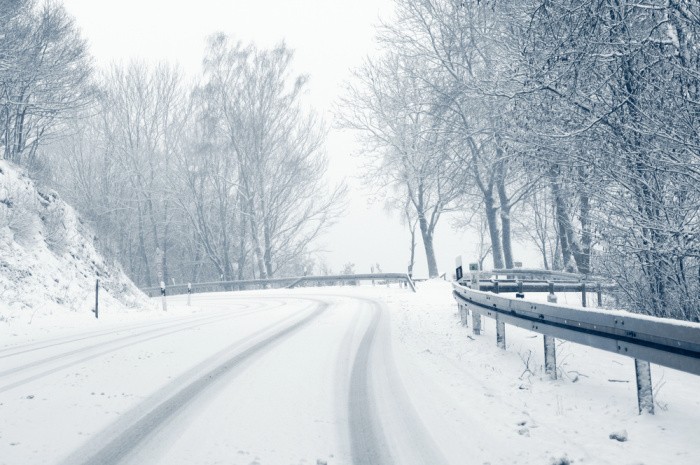
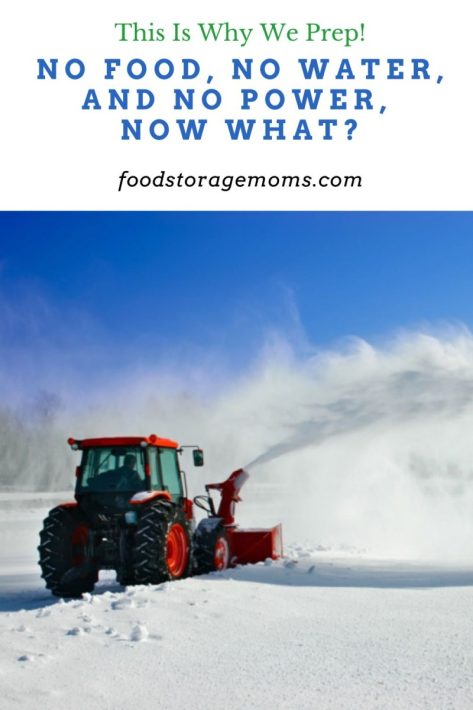
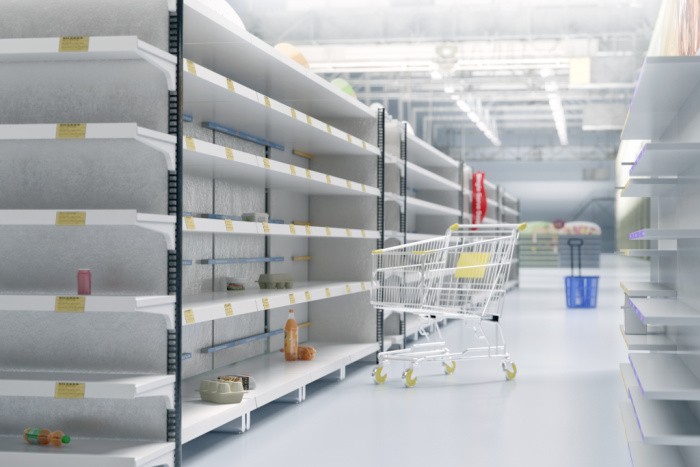
We watched the news this morning, and the reporter said the area he was covering had no food, water, or power. Obviously, some families hadn’t stocked up on food or water. The grocery stores were closed because ice-covered roads prevented trucks from delivering supplies. THIS IS WHY WE PREP!
A power outage isn’t something everyone can prepare for unless you have planned ahead with a generator or purchased a portable Mr. Heater Propane Heater. Please read this post if you can’t afford a generator.
PLEASE READ: How To Heat Your Home In An Emergency
I can’t afford a generator, so I purchased this unit. Please check Walmart, the prices may be lower. You’ll also need these items: Kidde Carbon Monoxide Detector, Propane, Natural, Methane, & Explosive Gas Alarm, Mr. Buddy/Heater Hose required, F273704 10-Ft Propane Hose Adapter Compatible With Mr.Heater and Mr. Heater F273699 Fuel Filter
When the lights go out, the taps run dry, and the fridge is empty, panic can set in fast. Whether it’s caused by a winter storm, hurricane, heat wave, wildfire, cyberattack, or infrastructure failure, losing food, water, and power simultaneously is one of the most stressful situations a household can face.
The good news? Survival doesn’t come from luck; it comes from knowledge, calm decisions, and smart priorities. This guide walks you step-by-step through what to do first, what to do next, and how to stay safe until help arrives or services are restored.
One: Stop and Assess the Situation
Before reacting, take a moment to assess what’s happening.
Ask yourself:
- Is this localized or widespread?
- Do authorities expect restoration in hours, days, or weeks?
- Is it safe to stay inside, or is evacuation possible?
Avoid using resources immediately out of fear. Panic leads to waste, and waste shortens survival time.
Two: Secure Water First (Your Top Priority)
Humans can survive 3 weeks without food; that wouldn’t be fun, but only 3 days without water.
How Much Water Do You Need?
- Minimum: 1 gallon per person per day
- Ideal: 4 gallons per person per day (drinking, cooking, basic hygiene, and laundry)
Immediate Water Sources to Check
- Water heater tank (if not contaminated)
- Toilet tank (not bowl, and only if no chemicals are used)
- Melted ice from the freezer
- Bottled beverages (juice, soda can supplement hydration)
If You Must Purify Water
- Boil for at least 1 minute (3 minutes at high elevation)
- Use unscented household bleach (if available)
- Use water purification tablets or filters
Never drink untreated water unless it’s your absolute last option.
Three: Ration Food the Smart Way
Food should be rationed based on calorie density, shelf stability, and effort required to prepare.
Eat This First:
- Refrigerated foods that will spoil quickly
- Frozen foods while they’re still cold
Save These for Later:
- Canned goods
- Dry goods (rice, beans, pasta, oats)
- Peanut butter, nuts, protein bars
No Power Cooking Options
- Propane or butane camp stove (outdoors only)
- Charcoal grill (never indoors)
- Solar oven
- Sterno or alcohol stove
Avoid eating salty or sugary foods without adequate water.
Four: Stay Warm or Stay Cool Without Power
Temperature control becomes critical without electricity. Most of us can survive three hours in extreme heat or cold if we have something to shelter us like an umbrella, a tent, or lean to. Longer than that, and we’re in trouble. You must have shelter. Close off a bedroom with blankets or thick plastic to keep the warmth in one room if you’re able to stay in your home.
Cold Weather Survival Tips
- Layer clothing
- Close off unused rooms
- Use blankets, sleeping bags, and body heat
- Never use gas appliances or grills indoors for heat
Hot Weather Survival Tips
- Stay in the shaded or lowest part of the home
- Wear light, loose clothing
- Avoid physical exertion during peak heat
- Use damp cloths to cool skin
Extreme temperatures can become deadlier than hunger.
Five: Maintain Sanitation and Hygiene
Poor sanitation causes illness, which can become dangerous quickly when medical care is limited.
Toilet Alternatives
- Line a bucket with heavy trash bags
- Add kitty litter, sawdust, or dirt after use
- Seal and store waste away from living areas
Basic Hygiene Tips
- Hand sanitizer when water is limited
- Baby wipes for cleaning
- Brush teeth using minimal water
Clean hands save lives during emergencies.
Six: Stay Informed Without Power
Information helps you make better decisions.
Communication Options
- Battery-powered or hand-crank radio
- Car radio (run briefly to conserve fuel)
- Emergency alerts on phone (use low power mode)
Avoid rumors. Rely on official emergency broadcasts when possible.
Seven: Protect Your Home and Family
Power outages often increase safety risks.
- Lock doors and windows
- Use flashlights instead of candles
- Keep fire extinguishers accessible
- Store fuel safely outdoors
If conditions become unsafe, evacuation may be the better choice.
Eight: Mental Strength Matters
Stress, fear, and uncertainty wear people down quickly.
- Stick to simple routines
- Keep children occupied with tasks or games
- Focus on what you can control
- Take deep breaths and rest when possible
Clear thinking is a survival skill.
How Long Can You Last Without Food, Water, and Power?
- Without water: 3 days
- Without food: 3 weeks (with water)
- Without power: Indefinitely, with preparation
Preparation turns a crisis into an inconvenience.
How to Prepare for the Next Time (Because There Will Be a Next Time)
- Store at least 3–7 days of water per person
- Keep shelf-stable food you actually eat
- Own alternative cooking and lighting sources
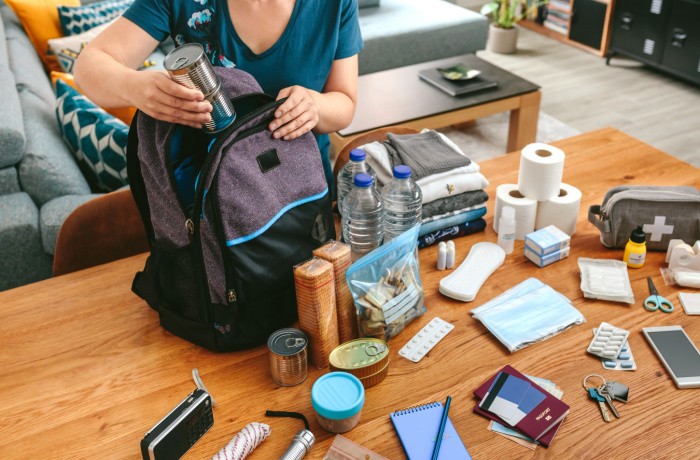
- Maintain a basic emergency kit
Preparedness is not fear; it’s responsibility.
Storms and Winter Outages: What Changes?
Winter storms and severe weather pose unique dangers when food, water, and power are lost simultaneously. Cold temperatures, snow, ice, and blocked roads can turn a short outage into a prolonged emergency.
Special Risks During Winter Storms
- Hypothermia from prolonged cold exposure
- Frozen or burst pipes contaminating water supplies
- Carbon monoxide poisoning from improper heating
- Delayed emergency services due to impassable roads
Winter-Specific Survival Priorities
Conserve Heat First
- Close doors and hang blankets over windows
- Stay in one room to conserve body heat
- Wear hats, socks, and layered clothing indoors
Protect Water Sources
- Drip faucets if possible before total loss from freezing
- Collect snow and ice for melting (purify before drinking)
- Shut off the water at the main if the pipes are at risk of freezing
Food Management in Cold Weather
- Use outdoor temperatures as a temporary refrigerator
- Store food securely away from animals
- Avoid thawing frozen foods unless you can cook them
Safe Heating Alternatives
- Use fireplaces with proper ventilation
- Never use grills, camp stoves, or generators indoors
- Install carbon monoxide detectors with battery backups
What to Do Before the Next Winter Storm Hits
Preparation is especially important in cold climates.
- Store extra blankets, sleeping bags, and cold-weather clothing
- Keep at least one week of water per person in winter regions
- Stock no-cook and low-water foods
- Keep snow shovels, ice melt, and traction aids accessible
- Maintain vehicles with fuel, antifreeze, and emergency kits
Final Word
No food, no water, no power, during a winter storm, these conditions become dangerous fast. Storms don’t just test your supplies; they test your decisions. Staying warm, hydrated, informed, and calm can mean the difference between discomfort and disaster. Preparation isn’t about fear; it’s about protecting your family when systems fail. When the next storm is on the horizon, you’ll be ready, not scrambling. May God bless this world, Linda
Copyright Images: Winter Driving On A Country Road Depositphotos_39221451_S, Snow Blower Depositphotos_2399901_S






I’m gonna be harsh.
Oh well. That’s my thought.
I don’t care because this society relies on victim mentality as a cred to their status.
Prepare or die. You can’t make it a few days that’s on you. It’s not like the floods in NC where it washed your stuff away or the tornadoes that took everything.
Hi Matt, I love your comment. You nailed it. Nothing was “washed away” like other major storms. I have so many church leaders ask me how to teach people how to stock food. My answer, read my blog. Watch any news briefing, HELLO!! No one is going to deliver food or water, we are on our own. Great comment, thank you, Linda
Matt, your thoughts are the same as mine. I try so hard to be compassionate but that only goes so far. We have spent a lot of time, money and effort being prepared while so many others just whine. The past two weeks here have been snowy and bitter cold. We have done just fine. No need to go out and test the elements. Some where I read the harder you work the luckier you get….maybe it’s not luck. Stay safe and warm.
Linda to the rescue!! Linda, I have to thank you for the suggestion of the twin fan for wood stoves and fireplaces. We actually have a propane insert that is flush with the front of our fireplace. It runs, not on electricity, but on air movement…cold in…hot out. The problem is that the heat is great directly in front of the unit, and it sort of keeps the family room warm, but those of us whose recliners are off to one side constantly feel drafts coming back down the stairs and not all that much of the heat coming out of that insert. THEREFORE, I have just now purchased a twin fan to set in front of the heater/insert, in hopes it will still work to distribute the heat around the room better. If anyone knows a best or better way to set this dual fan up so that it distributes the heat more evenly, please say so! I am getting really, really TIRED of having to have 2 fuzzy throws and a handmade quilt over my legs and torso just to watch the news or Hallmark or whatever. Thanks for any advice. At this point, I expect the twin fan will just sit directly on the bricks in front of the fireplace, where all the heat comes out. May God THAW OUT this world!
Hi Jess, oh you are so blessed to have a fireplace insert with propane! We had wood burning stoves for years and now we do not. Life changes. I hope that fan works for you it is amazing with that little Mr.Buddy Heater. I just about choked when I saw on the TV a woman with her propane tank INSIDE the house with her Mr Buddy Heater. YIKES!! She needs to put the propane tank outside with a long hose. Hopefully a neighbor tells her. Linda
It doesn’t even need to take such dire circumstances to cause problems. I recently was too sick to leave the house, then our water district had an emergency that required turning off the water. I was all set for both with a good supply of food and essentials. It was nice that we didn’t also have a wind storm that cut off electricity at the same time but I would have been ready for that too. I was personally lucky enough to have people call and ask if I needed anything but I took great satisfaction in being able to say I was fine. If I hadn’t had good neighbours or a good supply it could have been awful. At the end of two weeks of self imposed quarantine I was only running a bit short on some fresh veg. And that only because I had delayed restocking my usual fresh vegetables. I need to restock on some medications but I’ve learned my lesson and won’t delay.
Hi Alice, oh I’m so glad you have good neighbors who checked on you. I’m glad you didn’t have a wind storm, the weather is crazy everywhere. I’m glad you were warm and had food and water. Stays safe, Linda
I agree with Matt, but I a have suggestion regarding outside refrigeration. If you have plastic tote or even a metal trashcan you can bury them in the snow, fill them with refrigerator or freezer food and extend the amount of time you can use them safely vs leaving them inside your home.
Re: Keeping warm. If you have a fireplace you can use it to heat at least the room it’s in. But unless it uses an outside combustion air source it will draw outside air in through your weatherstripping or other wall penetrations, which will make the rooms farthest away from your fireplace colder.
And as for using a sun oven in winter. So long as you can see a shadow it will cook your food–may just take longer.
Hi Ray, my Sun Oven was the best investment I ever made. Or at least at the top of the list of my preps. I love your refrigeration idea. We do that when we have snow in the winter over the holidays. The weather is crazy in areas that don’t usually have snow. We have had zero snow this winter. This is not good for the water we all need in the spring. Hopefully we get some snow!! Linda
As a former first responder…here’s what I said to my guys and thought about telling the public. “Failure to plan on your part does not constitute an emergency on my part.” Also “if you are going to be dumb, you’d better be tough.
The best “stove” to have (outdoor use) is one of the little rocket type stove. Don’t even need to store or purchase fuel. This one folds up really small and holds my pressure cooker. REDCAMP Wood Burning Folding Camp
I highly recommend an old fashioned type pressure cooker. You can do a lot with it including use it on the above stove. They save fuel and time and make food taste great. I have one in the house and one in the camper. They are not just good for pressure cooking. Presto 01362 6-Quart Stainless Steel Pressure Cooker
Look for them at yard sales or there are others that may be less expensive. They pay for themselves. If you buy a used one, replace the rubber gaskets. Cheap to do.
You can even bake in them.
The warning signs and “jungle drums” seem to be getting stronger.
I don’t buy any groceries unless they are on sale.
My bread machine has paid for itself many times over. So easy and so good. Set it and forget it!
Hi CAddison, great tip on the stove and the 6 quart pressure cooker. The warning signs are getting stronger, that’s for sure. Oh the bread machine is the best purchase ever! Great reminder, Linda
Walmart has several Me Heaters at better prices than Amazon!!
People might look into dry shampoos and no rinse body cleansers. Both work great when I go camping
I ma have missed it, but we need ways to keep our phones changed.
When I moved to Wyoming, I wasn’t sure what I’d face when it came to power outages. I purchased rechargeable light bulbs. They stay charged when used as regular light bulbs in lamps. But when the power goes off, they come on as though there is electricity. The brand I purchased is not available at this time on Amazon but there are others available.
Hi Leanne, thanks for sending me the picture. I am going to watch for those. Almost everything has tripled in price or not available these days. If someone sees all the attachments at Walmart to go with the My. Heater/Buddy, get it now. I have been talking about rinseless wipes, we don;t know what we will be needing. Great tip on the light bulbs, love it. Linda