
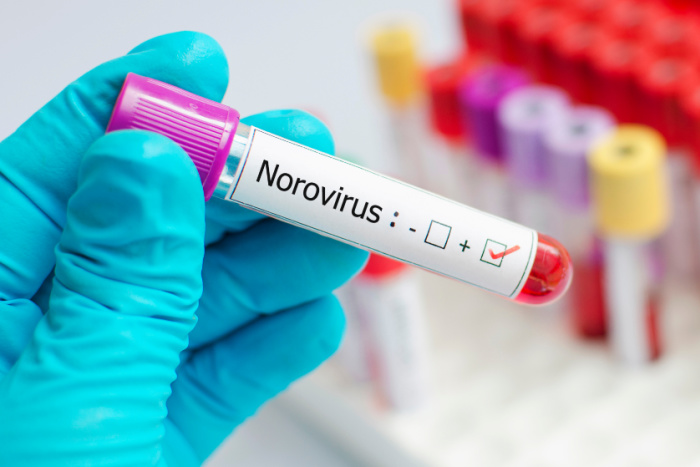
Norovirus: What Is It?
This post may contain affiliate links. We may earn a commission if you purchase via our links. See the disclosure page for more info.

Norovirus: What is it? If your stomach has ever suddenly turned on you, leaving you hunched over a trash can with no warning, there is a good chance norovirus was the culprit. It’s one of the most common illnesses in the world, yet many people have never heard its name. Understanding what it is, how it spreads, and how to keep your household safe can make a real difference, especially during the winter months when outbreaks peak. Oximeter (pulse oxygen monitor)
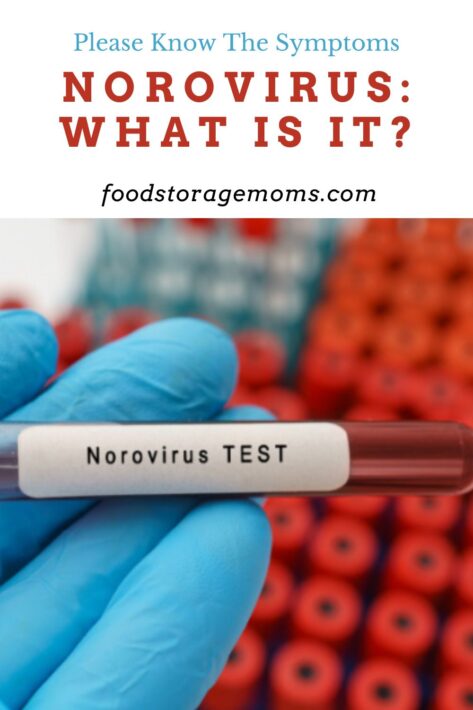
When I Got the Norovirus
This post is for general informational purposes only and doesn’t replace professional medical advice. If you have concerns about your health or a family member’s symptoms, consult a licensed healthcare provider. Please note, I’m not a doctor, nurse, or someone in the medical field. I got the Norovirus back in April 2024. I had all of the symptoms listed below. It came on so fast, I didn’t know what hit me. Some family members had some of the symptoms but hadn’t told Mark and me. They assumed they may have eaten some “bad food”.
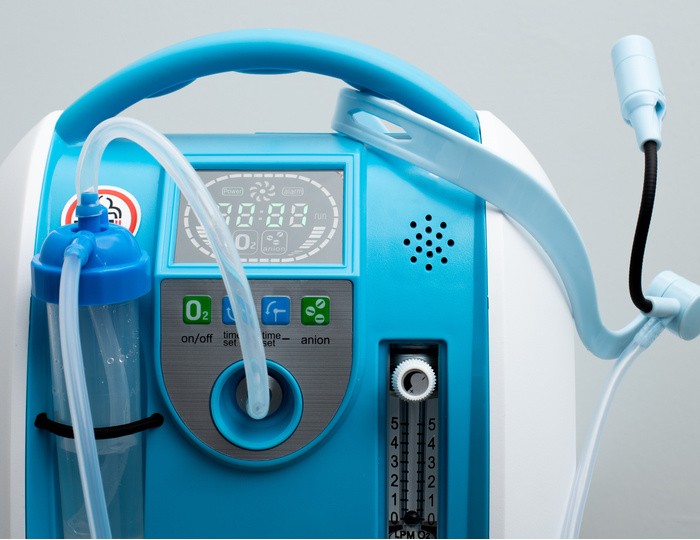
On April 12, 2024, I started having trouble catching my breath and told Mark to take me to the ER immediately. I’m sure I was very dehydrated, but this is when it was discovered I needed oxygen after being sent by ambulance to a regular hospital. I thought I had the “flu.” Then all the medical personnel started wearing hazmat-looking outfits. I asked, “What’s with the door sign that says ‘Do Not Enter Without Protective Gear?” No one told me what I had, so I finally asked the young girl drawing my labs why everyone was dressed in these blue outfits.
I was hooked up to oxygen and never told why. We all need an advocate with you when you go to the hospital. I was there 3 days and never saw a doctor. The nurses showed us how to turn the beeping buttons on and off.
Hospital Discharge Time
The next thing I know, I have a case worker checking me out of the hospital. She asked why my oxygen was turned off. I was wearing an oxygen tube in my nose. I said I didn’t know it was turned off. She said your oxygen level is 84 and that you need oxygen. My daughter called the hospital from California and said, “You are not sending my mom home without oxygen.” The caseworker took notes, and oxygen was delivered to my home before I got there. Of course, I drove home attached to oxygen. I’ll never be off oxygen living at this altitude. It’s not fun. I’ve never smoked or vaped. Life changed for me big time. But I’m glad I have a great husband who helps me with everything. Although it’s frustrating to use the oxygen, who knows when I would have found out it was necessary if I hadn’t sought treatment for the norovirus?
What Exactly is Norovirus?
Norovirus is a highly contagious virus that causes sudden inflammation of the stomach and intestines, a condition doctors call gastroenteritis, though most families simply call it the stomach flu. Despite that nickname, norovirus is not related to influenza at all. It belongs to its own viral family and is responsible for roughly 685 million cases of illness worldwide each year, making it the leading cause of foodborne illness.
The virus is extraordinarily resilient. It can survive on surfaces for days, withstand many hand sanitizers, and even linger in lightly treated water. A person can become infected by swallowing as few as 18 viral particles, a dose too small to see, smell, or taste.
Note: Norovirus is not the stomach flu. Influenza is a respiratory illness. Norovirus is a gastrointestinal illness caused by a completely different virus.
What Are the Symptoms?
Norovirus symptoms come on fast, often within 12 to 48 hours of exposure, and can feel overwhelming at first. The good news is that most healthy people recover completely within one to three days. Here is what to watch for:
Nausea that comes on suddenly
Vomiting, often repeated
Watery diarrhea
Low-grade fever
Stomach cramping
Fatigue and body aches
Headache
Loss of appetite
Dehydration is the most serious concern, particularly for young children, older adults, and people with weakened immune systems. Watch for signs like dry mouth, dizziness, dark urine, or a child crying without tears. If dehydration becomes severe, medical care may be needed.
Keep this product stocked: LMNT, Liquid IV, or Sugar-Free Liquid IV.
How Does Norovirus Spread?
Norovirus travels in several ways, and all of them are remarkably easy to encounter in everyday life. Understanding each route helps you interrupt it before it reaches your family.
Person-to-person contact is the most common route. When an infected person uses the bathroom and then touches shared surfaces like door handles, light switches, or faucet knobs, the virus can transfer to the next person who touches those surfaces and then touches their mouth, nose, or eyes. Caring for a sick child or family member puts you at heightened risk.
Contaminated food and water are also major culprits. Raw or undercooked shellfish, particularly oysters, are a well-known source because they filter large volumes of water and can concentrate viruses. Leafy greens, fruits, and other ready-to-eat foods can be contaminated if an infected food handler touches them. Buffet-style settings, cruise ships, and shared kitchens are environments where outbreaks often occur.
Airborne particles play a surprising role as well. When an infected person vomits, tiny droplets carrying the virus can travel several feet, landing on surfaces or being inhaled. This is one reason norovirus spreads so rapidly in enclosed spaces like schools, nursing homes, and cruise ships.
How To Keep Your Family from Getting Norovirus
There’s no vaccine for norovirus, but consistent, everyday habits can dramatically lower your family’s chances of getting sick. The following steps are practical, family-friendly, and backed by public health guidance.
Wash your hands with soap and water
Hand sanitizer alone is not enough. Norovirus resists alcohol-based sanitizers. Scrub with soap for at least 20 seconds, especially after using the bathroom, changing diapers, and before preparing or eating food.
Rinse fruits and vegetables thoroughly
Wash all produce under running water before eating or cooking, even items with a peel you’ll remove. Cook shellfish like oysters to an internal temperature of at least 145 degrees Fahrenheit (63 degrees Celsius).
Disinfect surfaces the right way
Use a bleach-based household cleaner or a product labeled as effective against norovirus. Wipe down high-touch surfaces like toilet handles, faucets, and counters, especially when someone in the home is sick.
Wash contaminated laundry immediately
Handle soiled clothing and bedding carefully, avoid shaking them, and wash on the longest, hottest cycle available. Dry completely before reuse.
Stay home when sick
Anyone with norovirus symptoms should stay home from work, school, and shared spaces until at least 48 hours after symptoms have fully resolved. The virus sheds in high quantities even after a person starts to feel better.
Keep everyone well hydrated
If illness does strike, focus on fluids. Oral rehydration solutions work well for children. Water, clear broth, and sports drinks can help adults replace lost fluids and electrolytes. Avoid sugary or caffeinated beverages.
When Should You Call The Doctor?
Most norovirus cases resolve on their own without medical treatment. However, call a doctor or seek urgent care if a child under one year old is vomiting, if anyone can’t keep liquids down for more than 24 hours, if there are signs of severe dehydration, if there is blood in the stool, or if symptoms last longer than three days without improvement.
Older adults and people with chronic health conditions should have a lower threshold for seeking medical advice, as dehydration can become dangerous more quickly for them.
The Takeaway
Norovirus is unpleasant, fast-moving, and very easy to catch, but it’s also very preventable with the right habits. Thorough and frequent handwashing is the single most effective thing your family can do. Pair that with careful food handling, proper disinfection, and keeping sick family members at home, and you give norovirus very little room to take hold. When illness does strike, keep fluids flowing and rest up. For most healthy people, the worst is over within a couple of days.
15 Essential Items For Your Hospital To-Go Bag
How To Tell If Your Child May Be Dehydrated
Final Word
Norovirus doesn’t discriminate. It finds its way into the cleanest homes, the best-run restaurants, and the most well-meaning families. Getting sick isn’t a sign that you did something wrong. What matters most is knowing what to look for, acting quickly when symptoms appear, and building a few simple habits that make it much harder for the virus to take hold.
Wash your hands well and often. Keep sick family members comfortable and hydrated. Give your home a thorough wipe-down when illness passes through. These are small steps, but they carry real weight.
The best time to prepare for norovirus is before it arrives. Now that you know what it is, how it travels, and how to stop it, you are already ahead of it affecting your family. May God bless this world, Linda
Copy Images: Norovirus Blood Test AdobeStock_191521166 By jarun011, Norovirus Lab Test With A GlovesAdobeStock_433224455 By luchschenF

















I have a neighbor whose 3 kids never missed a day of school in 12 years each. You know those kids went sick or not. I wish people would stay home when they don’t feel good. Lately I worry more about things like norovirus. Everyone please stay safe and healthy.
Hi Chris, this is why I rarely eat out, I don’t know how clean the kitchen is, besides the cost. I have always worried about germs, I don’t know why. I can’t imagine sending kids to school sick. It’s bad for the sick child, the classroom, the teacher, and the whole school. Wow! Linda