

Memorial Day Ideas To Honor Our Fallen Soldiers
This post may contain affiliate links. We may earn a commission if you purchase via our links. See the disclosure page for more info.

Let’s talk about Memorial Day ideas to honor Fallen Soldiers today. Be sure to thank a soldier who is on active duty right now, or one who returned home safely. Memorial Day is more than a long weekend or the unofficial start of summer. It’s a solemn federal holiday set aside each year on the last Monday of May to honor the people of the United States Armed Forces who gave their lives in service to this country. For families, it’s one of the year’s most meaningful opportunities to teach children about sacrifice, gratitude, and the true cost of freedom. American Flags made in the USA.
Whether your family has a direct connection to the military or wants to participate in a tradition that stretches back to the years following the Civil War, there are countless ways to observe this day with intention and deep meaning. Below you’ll find a collection of thoughtful, family-friendly ideas for making Memorial Day a holiday your children will carry with them long after the backyard cookout ends.
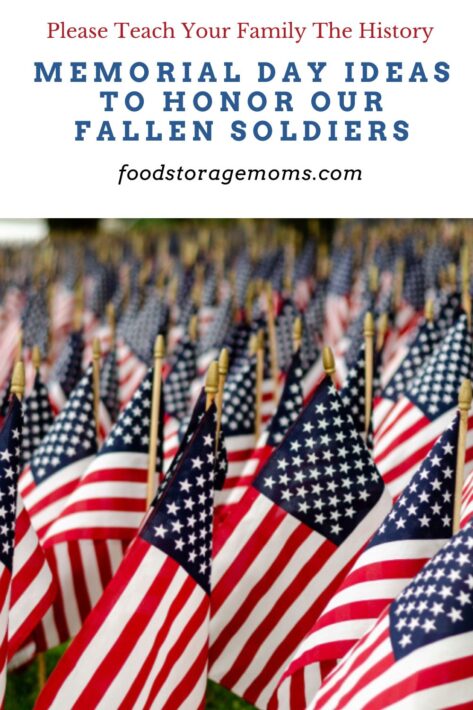
Memorial Day Ideas To Honor Our Fallen Soldiers
Visit a National Cemetery or War Memorial
One of the most powerful ways to teach children what Memorial Day truly means is to bring them to a national cemetery or local war memorial. The sight of row upon row of white headstones, each one representing a life given in service to our country, creates an impression that no classroom lesson can replicate. Many national cemeteries, including Arlington National Cemetery in Virginia, hold formal ceremonies on Memorial Day morning that families are welcome to attend.
Before you go, take a few minutes to talk with your children about what they’ll see. Explain that each marker represents a real person with a family, a story, and a future that was sacrificed so that others could live freely. Bring small American flags or flowers to place at gravesites if the cemetery permits it, and encourage older children to read the inscriptions aloud.
Participate in the National Moment of Remembrance
At 3:00 p.m. local time on Memorial Day, Americans across the country are asked to pause for a National Moment of Remembrance. Established by Congress in 2000, this one-minute pause is a simple and deeply moving act that the entire family can take part in, regardless of where you are or what you’re doing that day.
Turn off the music at the picnic, step away from the pool, and stand together in silence for sixty seconds. For young children, explain beforehand why you’re pausing. For older children and teenagers, the silence itself often speaks more powerfully than any words could. This single minute costs nothing and communicates everything about what the holiday stands for.
Watch or Join a Memorial Day Parade
Memorial Day parades are among the oldest civic traditions in the United States, with some communities having held them continuously since the 1860s. Most cities and many small towns host parades that feature veterans organizations, military units, marching bands, and community groups. Attending a local parade as a family connects you to that long history and gives children a chance to see and thank veterans in person.
Encourage your children to wave flags, applaud the veterans marching past, and ask questions about the uniforms and insignia they see. If anyone in your family is a veteran, invite them to march alongside an organization or simply stand with you along the route. After the parade, look up the history of your local observance and share what you find with the kids over lunch.
Write Letters or Make Cards for Veterans
This is a wonderful activity for children of all ages and one that extends the spirit of Memorial Day beyond a single afternoon. As a family, sit down together and write letters of gratitude to veterans currently living in VA facilities, assisted living homes, or military hospitals. Organizations such as Operation Gratitude and A Million Thanks have simple processes for submitting handwritten letters that are then delivered to service members and veterans.
Younger children can draw pictures or decorate envelopes with patriotic designs. Older children can write a paragraph or two expressing genuine thanks. The act of putting pen to paper, of deliberately forming words of gratitude by hand, is a lesson in both civic responsibility and basic human kindness that children benefit enormously from experiencing.
Create a Family Memory Wall or Scrapbook
If your family has military ancestors or currently has relatives serving in the armed forces, Memorial Day is an ideal time to preserve and share those stories. Pull out old photographs, medals, letters, and documents, and spend the morning creating a memory wall or scrapbook together. Let children ask questions and let the older members of your family share what they remember.
Even families without a direct military connection can create a tribute board featuring stories of local or historical service members they’ve learned about together. This kind of project anchors the abstract concept of sacrifice in real human faces and names, making the holiday far more meaningful to younger generations than statistics or speeches alone ever could.
Plant a Memorial Garden
Red poppies have been a symbol of remembrance for fallen soldiers since World War I, inspired by the famous poem In Flanders Fields. Planting red poppies, marigolds, or other red flowers as a family on Memorial Day is a living tribute that grows all summer long. Each time a child waters those flowers or watches them bloom, the meaning of the day is quietly reinforced.
You can also plant a small dedicated garden bed with a simple handmade marker. Let each child in the family choose a flower and dedicate it to someone who served. This ritual of planting and tending brings the values of the holiday into everyday life in a way that a one-day observance alone can’t.
Watch a Family-Appropriate Documentary or Film About Service
For evenings or rainy Memorial Day afternoons, watching a thoughtfully chosen film or documentary about American military history as a family can open powerful conversations. Look for age-appropriate options that focus on the experiences of real service members, the meaning of camaraderie, and the human cost of conflict rather than glorifying combat.
Afterward, talk about what you watched together. Ask children what surprised them, what they admired, and what questions they’re still thinking about. These conversations often become some of the most memorable a family has, precisely because the subject matter asks everyone involved to engage seriously with something larger than themselves.
Volunteer with a Veterans Organization
Turning gratitude into action is one of the most authentic ways to honor those who served. Many veteran organizations welcome family volunteers on and around Memorial Day. You might help maintain a veterans’ memorial, deliver meals to homebound veterans, assist with a ceremony, or simply spend time visiting veterans at a local care facility.
For children, volunteering alongside trusted adults teaches a lesson that extends far beyond the holiday itself. It shows that honoring sacrifice isn’t just something done with words and flags, but with time, presence, and genuine care for the people who gave so much.
End the Day with a Gratitude Reflection
As your family gathers in the evening, whether around a dinner table, a backyard fire, or a living room couch, take a few minutes to close the day in reflection. Ask each person to name one thing they’re grateful for that was made possible by the freedom others fought to protect. It can be as simple as the ability to attend school, practice a religion, or speak freely.
This simple practice of spoken gratitude costs nothing and leaves everyone feeling connected both to each other and to something far greater than the day itself. It’s a quiet and fitting way to close a holiday that is, at its heart, an act of remembrance.
Memorial Day doesn’t require elaborate planning or expensive activities to be observed with depth and meaning. What it requires is intention, presence, and a willingness to look beyond the sales and celebrations to the reason the day exists at all. When families take that step together, they give their children something no classroom and no screen can fully provide: a felt, lived sense of what it means to be grateful for a sacrifice freely made.
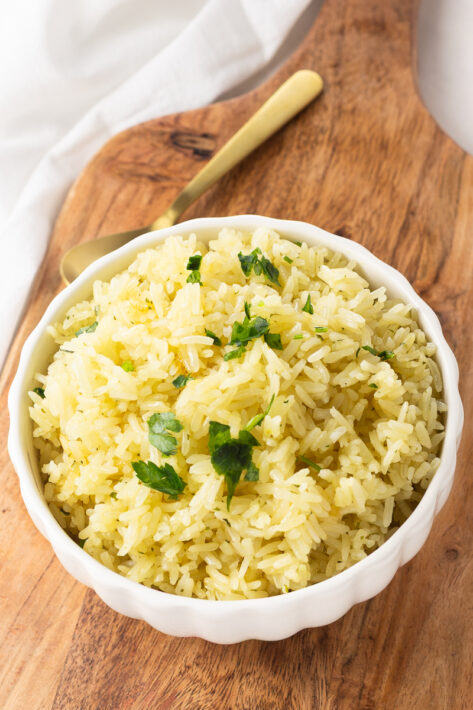
Memorial Day Menu For Your Family.
Final Word
Memorial Day belongs to all of us. It asks nothing more than a moment of honesty about what freedom has cost and who paid the price. However your family chooses to spend this day, carry with you the quiet awareness that the liberties woven into your ordinary life were purchased by extraordinary people who’ll never come home. That’s worth remembering. That’s worth teaching. And that’s worth honoring, not just on the last Monday of May, but every single day of the year. This Memorial Day, let your family’s celebration be worthy of what it commemorates. May God bless this world, Linda
Copyright Images: Field Of Flags Memorial Day AdobeStock_317538888 By Fitz, Memorial Day Flag AdobeStock_417171892 By angelmaxmixam,
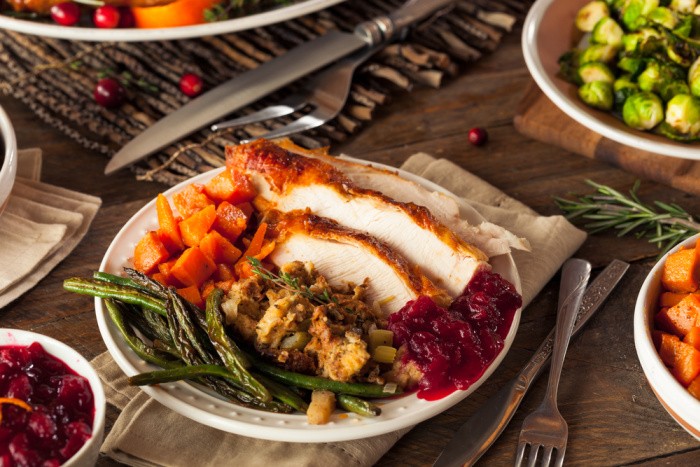
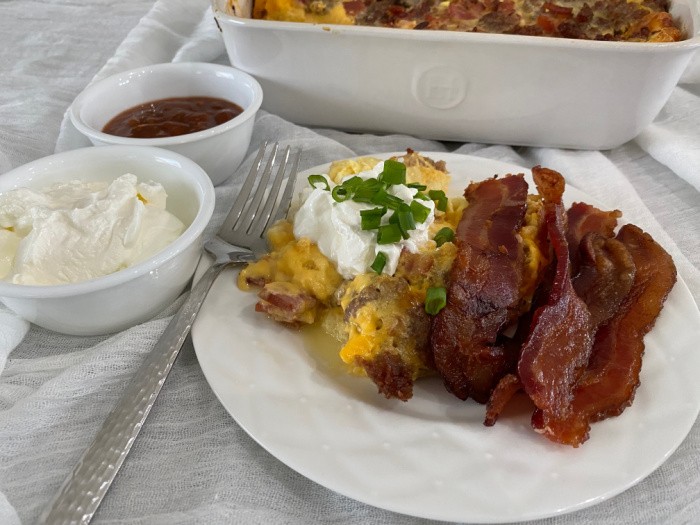


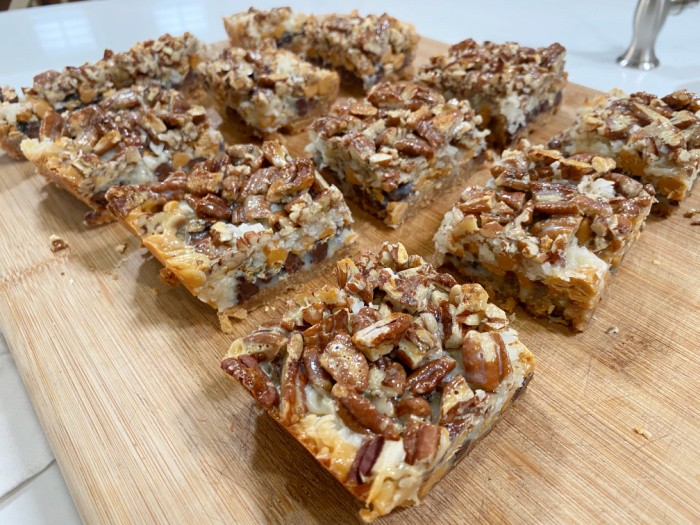



Simply remember.
Live your life to its fullest and don’t waste it.
I remember those I lost but I still live and to do anything less would be a dishonor.
So laugh, cook a hamburger, enjoy the company and be the best you that you can be
Hi Matt, I LOVE LOVE LOVE this, great advice! Now I want a hamburger or hot dog barbecued! Enjoy your life is big, love this, Linda
Matt totally nailed it. Remember the fallen and honor the serving, but live your life and enjoy your freedom.
Hi Ray, I totally agree. Great comment, Linda
In her Senior class, my youngest daughters, the class had to write a Bill and send it to Congress. Hers was that All US flags must be made in the USA. It did not pass. So sad!
I feel that we need to remember our fallen soldiers daily. Well, not just them, but all of them. Think about this, There are only two men that have or will lay down their lives for us; Jesus Christ, on the cross, and the American Soldier.
Hi Deborah, girl, you nailed it on that statement! Thank you so much, I LOVE it! Interesting she asked that the flags had to be make in the US and it got turned down. So sad. I bet she worked hard on writing that one as well. Linda
She did. And she was heart broken when it was turned down. So sad. Not just for her, but for our Country. It’s not bad now, but it used to be Great! (Not as bad as some countries!)
Deborah,
I take your daughter’s bill to heart. I refuse to buy any United States flag or my native state, Texas, flag that is not made in the U.S. Both of those fly daily at the front of our property. The Texas flag is allowed to fly at the same height as the U.S. flag since we were a sovereign nation that joined the U.S. by treaty. So, I have two equal height flagpoles, one for each flag. Just a little history there.
Harry, you are awesome! I’m a native Texan also. Born and raised. And, I’ll die in Texas! The only state that CAN sussed from the United Stated. I did know that the Texas flag can fly at the same height as the American flag. I feel that all state flags should be made here in the US. Yes, I do love Texas and I’m proud to be from here!
https://www.gunsnhosesswfl.com/
This is what I do year round. We did 160 or so performances last year. I’m doing 2 solos for big memorial gatherings…about 1,000 at one and the other is where flags will be placed on veteran’s graves at a large cemetary. I’ll join the Band later for another one.
All we do are things related to police, fire, military, ems, and veterans.
Some weeks I feel like I’m living in my kilt. Tomorrow we go to Land O Lakes where the Tunnels to Towers village is. They ask us to come each year for this huge event.
The Honor flights are the most fun. We did 2 a week or so ago.
3 of our members have been approved to march in THE DC 4th of July parade’s pipe band.
When I took up the pipes it was because I heard someone playing them on a sailboat in the Bahamas at sundown. We were on our boat. Sundown is a tradition. I just wanted to play the instrument.
I never realized that it isn’t a musical instrument as much as it is a lifestyle.
Folks these are NOT Irish. We do play Irish tunes, but these are the Great Scottish Highlands Bagpipes aka the War pipes. We are happy to play Irish tunes on our Scottish pipes.
Hi CAddison, oh my gosh, thank you for sharing that website!! I love the pictures! What a great life you have had. We are thankful for your service and now you are honoring others with your music. What a treasure!!! I can’t even imagine how you must feel standing there proudly playing your Scottish bagpipes or aka the War pipes. Linda
My husband is proud of the fact that he and 4 of his brothers enlisted rather than be drafted. He took the honor flight during the pandemic. Today he received a challenge coin from a woman who thanked him for his service. Such a difference from when he came home and all the protests.
Hi Chris, that is so nice. I remember the protests. Linda
Hi, Deborah,
Thanks for the reply. Third generation native Texan here. Unfortunately, my ancestry does not extend to when Texas was a sovereign nation but they got here as fast as they could. However, my wife is a Daughter of the Republic of Texas. Here ancestry goes back to around 1840. So, we have extremely strong Texas patriotism and pride. And, you are so right, all state flags as well as U.S. flags should be made in the U.S. Have a great weekend.