
What Are The Safest Pans To Cook In?
This post may contain affiliate links. We may earn a commission if you purchase via our links. See the disclosure page for more info.

What are the safest pans to cook in? If you’ve ever stood in the cookware aisle at the store wondering whether your pots and pans are actually safe for your family to use, you’re not alone. The truth is that not all cookware is created equal, and some popular options can release harmful chemicals directly into your food. This post breaks down the safest pans to cook in, explains what makes certain cookware toxic, and helps you make informed choices for your kitchen tools.
Why Cookware Safety Matters
Most people focus on the ingredients in their meals, but give little thought to what those ingredients are being cooked in. The surface of your pan can interact with heat, oil, and acidic foods in ways that leach metals, synthetic chemicals, or other contaminants into your dinner. Over time, consistent exposure to even small amounts of these substances can have real health consequences, particularly for children and people with compromised immune systems. Understanding what your cookware is made of is one of the simplest upgrades you can make for your family’s long-term health.
The Safest Pans To Cook In
1. Stainless Steel
Stainless steel is one of the most widely recommended cookware materials by health experts, and for good reason. It’s non-reactive, meaning it doesn’t leach metals into food under normal cooking conditions. A high-quality stainless steel pan labeled 18/10 or 304-grade contains 18% chromium and 10% nickel, which creates a stable, durable cooking surface.
Stainless steel is excellent for searing, browning, and cooking acidic foods like tomato sauces without any risk of chemical transfer. It’s also dishwasher safe, easy to maintain, and lasts for decades with proper care. One thing to note: lower-quality stainless steel can leach small amounts of nickel or chromium, especially when cooking acidic foods for long periods. Sticking to reputable brands and high-grade stainless steel significantly reduces this risk. Stainless Steel Pans
Best for: Searing meat, sautéing vegetables, cooking sauces, and everyday family meals.
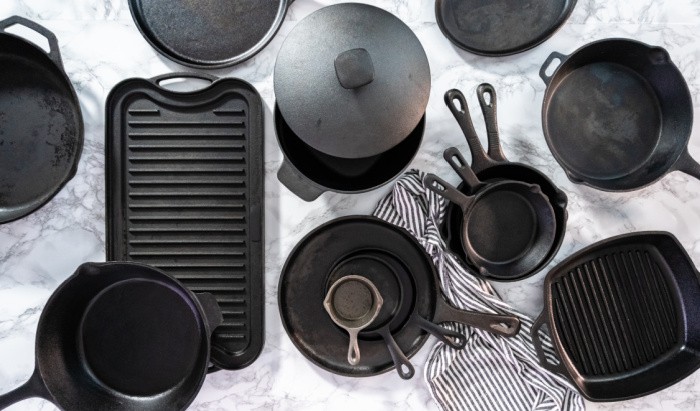
2. Cast-Iron
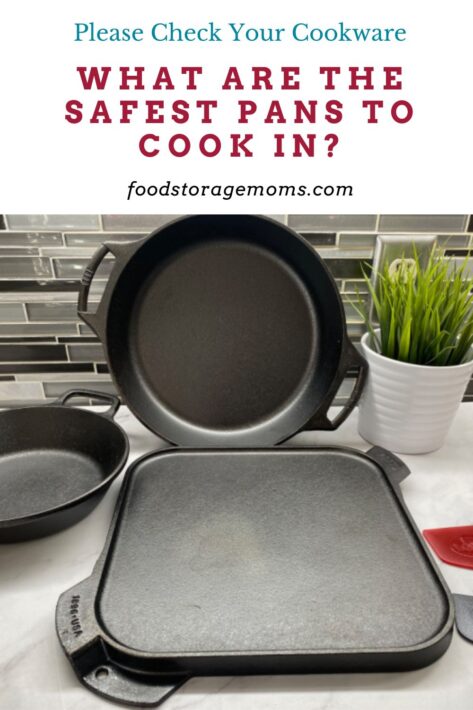
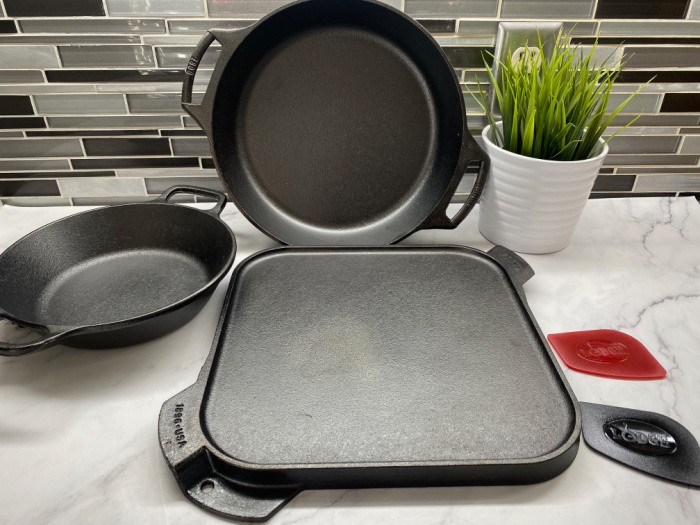
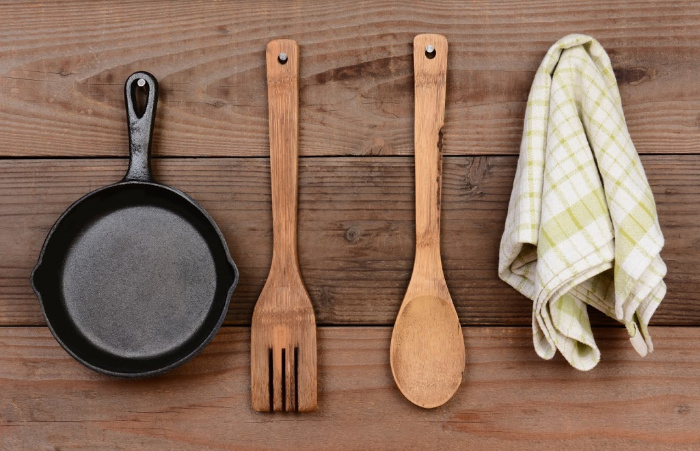
Cast-iron is a centuries-old cookware material that has stood the test of time. It’s naturally non-stick when properly seasoned, incredibly durable, and free of synthetic coatings. A well-seasoned cast-iron pan can last multiple generations.
One unique benefit of cooking with cast-iron is that it can add small amounts of dietary iron to food, a mineral many people, particularly women and children, are deficient in. While the amount is modest, it is a genuine nutritional bonus rather than a risk. Cast-iron does require some maintenance. It needs to be dried thoroughly after washing to prevent rust, and it should be re-seasoned periodically with oil. Note that heavily seasoned cast-iron cookware won’t allow as much iron to leach into the food. Cooking highly acidic foods like tomatoes in an unseasoned cast-iron pan can strip the seasoning and impart a metallic taste, so it’s best to use it for foods that benefit from high, dry heat. Cast-Iron Griddles, Cast-Iron Frying Pans, Cast-Iron Dutch Oven. If you have questions about the iron from this cookware option, ask your doctor before using it frequently.
Best for: Frying, baking cornbread, cooking steaks, and roasting.
How To Clean And Restore Cast-Iron Pans
3. Enameled Cast-Iron
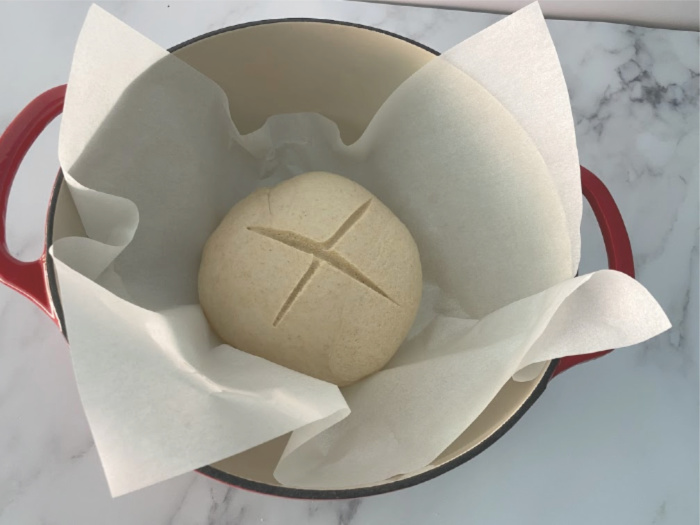
Enameled cast-iron offers the best of both worlds. It has the heat retention and durability of cast- iron, but with a smooth enamel coating that eliminates the need for seasoning and makes it non-reactive. This means you can cook acidic foods, such as braised tomatoes or citrus-based dishes, without concern. Brands like Le Creuset and Lodge are popular choices, though quality enameled cast-iron is available at various price points. The enamel coating should remain intact; if it chips, the pan should be retired, as damaged enamel can flake into food.
Best for: Braising, slow cooking, soups, stews, and sauces.
4. Carbon Steel
Carbon steel is a favorite among professional chefs and is closely related to cast-iron, but it’s lighter and more responsive to heat changes. Like cast-iron, it’s free of synthetic coatings and becomes naturally non-stick with seasoning over time. It’s an excellent choice for high-heat cooking, and many cooks prefer it for eggs, crepes, and stir-fries. It shares cast-iron’s need for proper seasoning and care to prevent rust. Carbon Steel Frying Pan
Best for: Eggs, stir-fries, crepes, high-heat sautéing.
5. Ceramic and Ceramic-Coated Cookware
Ceramic cookware has surged in popularity as a non-stick alternative to Teflon. True ceramic pans are made from inorganic, sand-derived materials and are free of PTFE and PFOA, the chemicals most commonly associated with toxic non-stick coatings. Ceramic-coated pans are typically aluminum pans with a ceramic-based coating applied to the surface. When intact, these coatings are considered safe. However, the coating can degrade faster than cast-iron or stainless steel, especially if exposed to very high heat or metal utensils. Once the coating chips or scratches significantly, it is time to replace the pan. When shopping for ceramic cookware, look for products explicitly certified PTFE- and PFOA-free, and avoid brands that haven’t disclosed their coating composition.
Best for: Eggs, pancakes, delicate fish, and everyday low- to medium-heat cooking.
6. Glass
Glass bakeware, such as Pyrex, is completely inert and one of the safest cooking surfaces available. It doesn’t react with food, doesn’t leach any chemicals, and is easy to clean. It’s a particularly safe option for baking casseroles, roasting vegetables, and storing leftovers. The main limitation of glass is that it’s not suitable for stovetop cooking and can shatter under sudden temperature changes. Use it within the manufacturer’s recommended temperature range, and avoid moving it directly from the freezer to a hot oven.
Best for: Baking, roasting, and food storage.
Cookware You Should Avoid or Be Cautious With
Traditional Non-Stick Pans (PTFE/Teflon)
Non-stick pans coated with PTFE, commonly known by the brand name Teflon, became a household staple because food slides off them so effortlessly. However, the safety of these coatings has been a subject of serious concern for years. The main issue is that PTFE begins to break down at temperatures above approximately 500°F (260°C). When overheated, it releases toxic fumes that can cause flu-like symptoms in humans, a condition informally called “polymer fume fever,” and is lethal to pet birds. In the past, the manufacturing of PTFE relied on a chemical called PFOA (perfluorooctanoic acid), a persistent environmental pollutant linked to cancer, thyroid disease, and developmental issues in children.
PFOA has been phased out of Teflon manufacturing in the United States since 2013, and many modern non-stick pans now claim to be PFOA-free. However, PTFE remains a concern because it releases fumes when overheated, and the replacement chemicals used in newer non-stick manufacturing haven’t been fully studied. If you use non-stick pans, keep the heat on medium or low, never preheat an empty non-stick pan, discard any pan with scratched or peeling coating, and ensure good ventilation in your kitchen.
Aluminum Cookware
Uncoated aluminum is a soft, lightweight metal that reacts with acidic and alkaline foods, leaching aluminum into whatever is being cooked. While the scientific consensus is still evolving, high levels of aluminum exposure have been associated with neurological concerns, and it’s considered prudent to avoid uncoated aluminum cookware when possible.
Anodized aluminum, which has been electrochemically treated to create a harder, non-reactive surface, is a safer alternative and is commonly used in higher-quality cookware. Still, once the anodized layer is scratched, the raw aluminum beneath is exposed. If you cook with aluminum, use only anodized versions, avoid cooking acidic foods in it, and replace any pans with scratched surfaces.
Copper Cookware (Unlined)
Copper conducts heat beautifully, which is why professional kitchens have used it for decades. However, unlined copper pans can leach copper into food, particularly when cooking acidic dishes. High copper intake can cause nausea, vomiting, and long-term health issues. Most high-quality copper cookware is lined with stainless steel or tin on the interior cooking surface, making it safe to use. If you use copper pans, always make sure the lining is intact and replace any that show exposed copper on the cooking surface.
What To Look For When Buying Safe Cookware
When shopping for new pots and pans, keep these principles in mind.
Look for transparency from the manufacturer. Reputable companies will clearly disclose what their cookware is made of and what certifications it holds.
Avoid pans that use vague terms like “eco-friendly” or “green” without explaining what the coating actually contains. These terms aren’t regulated and can be misleading.
Choose cookware that is PTFE-free and PFOA-free if you want non-stick properties without traditional Teflon coatings.
Invest in durability. Cast-iron, stainless steel, and enameled cast-iron last decades and often outlast cheaper alternatives that need frequent replacement.
Check for third-party testing. Some cookware brands voluntarily submit their products for independent safety testing, which adds layer of confidence.
A Quick Reference Guide
For families looking for the simplest possible guidance:
The safest everyday choices are stainless steel, cast-iron, enameled cast-iron, carbon steel, and glass. These materials are durable, well-studied, and free of synthetic chemical coatings.
Ceramic non-stick is a reasonable middle-ground option if you maintain it carefully and replace it when the coating degrades.
Traditional PTFE non-stick pans carry the most risk when overheated and should be used with caution, kept at low to medium heat, and replaced frequently.
Uncoated aluminum and unlined copper should generally be avoided for regular family cooking.
Final Word
Upgrading your cookware doesn’t have to happen all at once. Even replacing one or two of your most-used pans with a safer alternative is a meaningful step. A good cast-iron skillet or a quality stainless steel saucepan can serve your family for years, cook food beautifully, and give you peace of mind at every meal. The kitchen is one of the most important rooms in the home. The tools you use there are worth choosing with care. If you have specific health concerns related to cookware or chemical exposure, consult a qualified medical professional. May God bless this world, Linda




Linda,
We are good to go. Over the last couple of years, concluding mid-2025, we have upgraded all of our cookware to those items on your “Safest” list. Further, we have changed out our cooking utensils to eliminate any that could damage our ceramic and enamel ware. The only reluctance we had was when we tossed the non-safe coated cookware in the trash. But, we felt that, if it is not safe for us, it is not safe for folks who would buy it from the resale shop.
Hi Harry, you were the one that told me about carbon steel, thanks again for that. I agree with you I trashed the bad ones, I didn’t want to donate pans I thoughts were unsafe. Years ago, when Teflon came out, I thought nothing about the chips peelings in the pan. Good grief. How things have changed! Linda
Yes, the carbon steel are similar to cast iron but much lighter for those who tire of the weight of cast iron. They do a take a little more effort with getting a good seasoning on them but are well worth it once that is done.
Hi Harry, yes, the seasoning would help make it not stick. The weight would be a lot lighter as well, like you said. Linda
Ok…. so I am in a bit of a silly mood, mainly because I finally got a good night’s sleep. I think the best pans are the ones the chef at the Longhorn is cooking my dinner in……lol
Hi Chris, this is the best comment ever! I would order a steak, medium rare! LOL! Linda
One of my rules of thumb I don’t buy any cookware, food containers, dishes, anything that food goes on or in from China. I have noticed some popular cookware such as Staub, All-Clad are made in China. Check the label and box for where product is made. So sad. I do buy products made in USA, Italy, and many other countries and yes you can find things at a good price.
Hi Libby, good point to be made. All clad is made in Canonsburg, Pennsylvania factory using American-sourced metals. Although the handles are made in China if they are plastic. Mine are all stainless steel handles. It’s too bad they have to send products to China to have the ceramic coating in well-known products. That will change I am sure. Great reminder, thank you, Linda
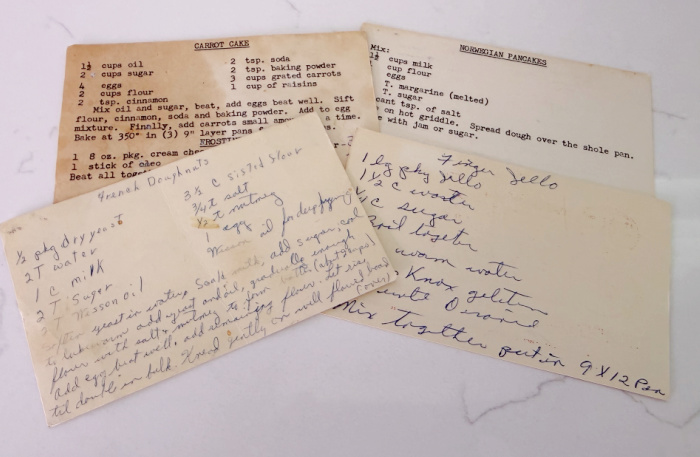
We only use stainless steel and cast iron. I do have some enamel coated ones, too. I like stainless steel for everything except frying and making cornbread. LOL I do have a whole set of cast iron sauce pans and a couple of griddles. Plus 3 cast iron skillets. I think we probably have too much.
Hi Deborah, LOL! You can never have too many cooking pans! Now I want to make cornbread again. Linda
So many spoiled people in North America!!! All these modern-day gadgets for human comforts are nothing but gimmicks to generate
big profits for corporations. Just go back to the Hunters and Gatherers’ era. Eat like a caveman & be happy!
Hi Pat, I think it is good to be informed on damaged cookware. My daughter has been using a pan with chipped “something on it” for years. It is not safe to fry in it anymore. Life changes, I agree with you the Hunter and Gatherers’ era would be wonderful! Linda
I have used carbon steel, cast iron, stainless steel and glass for a LONG time. Have been hearing about titanium cookware…….. What do you know about that?
Hi Tami, I do not know anything about titanium cookware. Interesting, lets see if another reader has used them. Great question. Linda
All I know about Titanium is my husband has it in his back. It’s not supposed to set off the scans in air ports, but it does. LOL
Hi Deborah, Oh the Titanium back, I bet he gets patted down all the time. Gotta love those TSA workers, they are doing their job. I have knee replacements, I get to go through the “machine” before being patted down. I won’t be flying anymore. Thank goodness, Linda