60 Items You Will Need When The Power Goes Out
This post may contain affiliate links. We may earn a commission if you purchase via our links. See the disclosure page for more info.

When the power goes out, whether it’s from a summer storm, a winter freeze, or something else unexpected, having the right supplies on hand can make all the difference for your family’s comfort and safety. Here’s a practical list of the items I believe every home should have ready before an outage ever happens, along with a bit more detail on why each one matters. Sometimes I need to repeat lists like this to keep everyone informed and reminded about what they may need.
Why Our Three Power Grids Are So Vulnerable
Something many people don’t realize is that the United States runs on three separate power grids rather than one connected system. These are the Eastern Interconnection, the Western Interconnection, and the Texas Interconnection, sometimes called ERCOT. Understanding why these grids struggle helps explain why outages happen so often and why being prepared at home matters so much.
Aging Infrastructure
Much of the equipment carrying electricity across the country, including transformers, transmission towers, power lines, and substations, was built decades ago. Many components are well past their intended lifespan. Replacing this infrastructure is slow and expensive, so utility companies often patch and maintain older equipment rather than replace it outright.
Weather Extremes
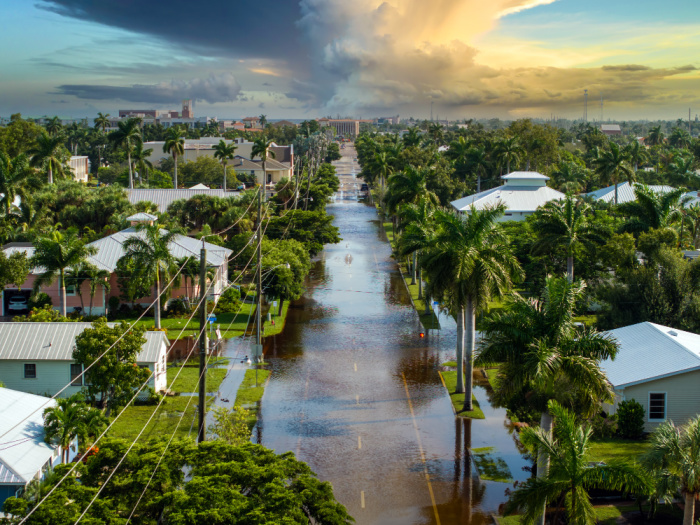
Grids were largely designed around past weather patterns, but storms, heat waves, and cold snaps have grown more intense and less predictable in recent years. A single ice storm can snap power lines across an entire region, while extreme heat can overload equipment faster than it can be cooled or repaired.
Limited Connections Between Grids
Because the three grids are only loosely connected to one another, power can’t easily be shared between them during a crisis. When Texas faced its major winter storm a few years back, the state’s isolated grid meant it couldn’t pull extra power from neighboring regions the way it might have with stronger interconnections.
Rising Demand
More homes now rely on electricity for heating, cooling, lighting, entertaining, and charging devices than ever before. This steady increase in demand puts more strain on a system that was not originally built to handle it, especially during periods of extreme weather when everyone needs power at the same time.
Vulnerability to Physical and Cyber Threats
Substations and transmission lines are spread across huge areas and are difficult to fully secure. This makes the grid vulnerable not only to accidental damage from storms or equipment failure, but also to physical tampering and cyber threats aimed at utility systems.
What This Means for Your Family
None of this is meant to cause worry, but rather to explain why power outages are becoming more common rather than less. Because the grid faces so many pressures at once, from aging equipment to extreme weather to rising demand, it makes good sense for every family to have supplies ready ahead of time rather than waiting until the lights go out.
60 Items You Will Need When The Power Goes Out
Water and Food Come First
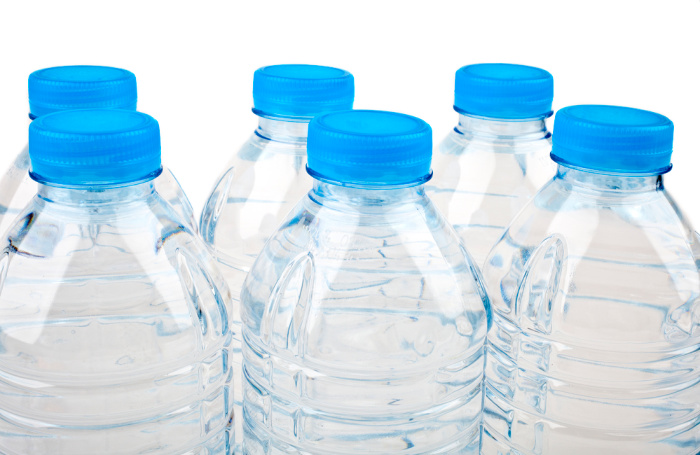
- Water, at least one gallon per person per day for a minimum of two weeks. This covers drinking, cooking, and basic hygiene needs. You know I recommend 4 gallons per day per person. I get thirsty just thinking about only one gallon.
- Water storage containers. Food-grade containers or commercially bottled water both work well; just rotate your supply every six months.
- A water filter or purification tablets. These give you a backup way to make questionable water safe if your stored supply runs low.
- Canned meats such as chicken, tuna, and ham. These provide protein without needing refrigeration.
- Canned vegetables. Look for low-sodium versions when you can, since they’re gentler on the body during stressful times.
- Canned fruits. These offer natural sugars and a bit of morale-boosting sweetness when things feel hard.
- Canned soups and stews. These are quick, filling, and can be eaten cold if needed.
- Peanut butter. It’s high in protein and calories and doesn’t require cooking.
- Crackers. These pair well with peanut butter or canned meats for a simple meal.
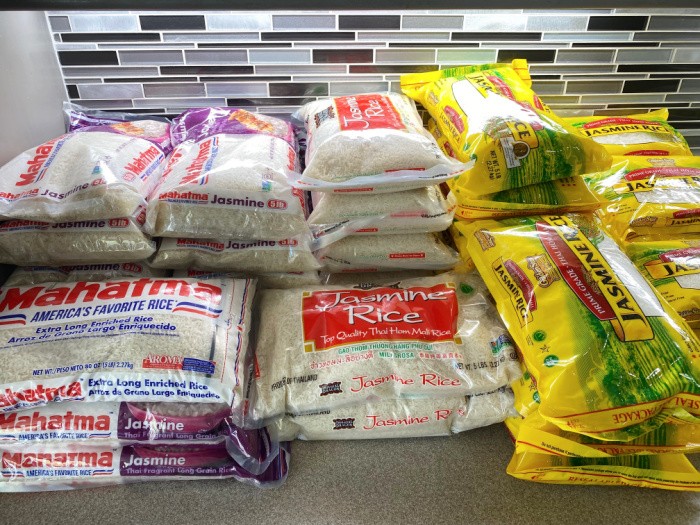
- Rice. It stores for years when kept dry and sealed and stretches a meal further.
- Beans, dried or canned. These are packed with protein and fiber and are very affordable.
- Pasta. Lightweight, long-lasting, and filling when paired with canned sauce.
- Powdered milk. Useful for cooking, baking, or simply having milk on hand without refrigeration.
- Cooking oil. Needed for most stovetop cooking and also useful in an emergency lamp.
- Salt, sugar, and basic seasonings. These make emergency meals far more bearable to eat day after day.
- Comfort snacks for the kids. Familiar treats help children feel calmer during an unsettling situation.
- A manual can opener. An easily overlooked item, but without one your canned food supply is useless.
Cooking and Heating Without Power
- A propane or butane camp stove. This lets you cook hot meals safely without electricity. Butane Stove and Butane Fuel.
- Extra propane or butane canisters. Keep enough on hand for at least two weeks of daily cooking.
- Waterproof matches or a lighter. Store several in different locations so you always have a backup.
- A charcoal grill for outdoor cooking only. Never use this indoors due to carbon monoxide risk.
- Charcoal and lighter fluid. Keep a bag or two on hand along with your grill.
- A cast iron skillet or Dutch oven. These work over an open flame, a grill, or a camp stove and last for generations.
- Aluminum foil. Useful for cooking, covering food, and even reflecting heat or light in a pinch.
- Paper plates and plastic utensils to save water. Washing dishes without running water is difficult, so disposable options help conserve your supply.
Light and Power
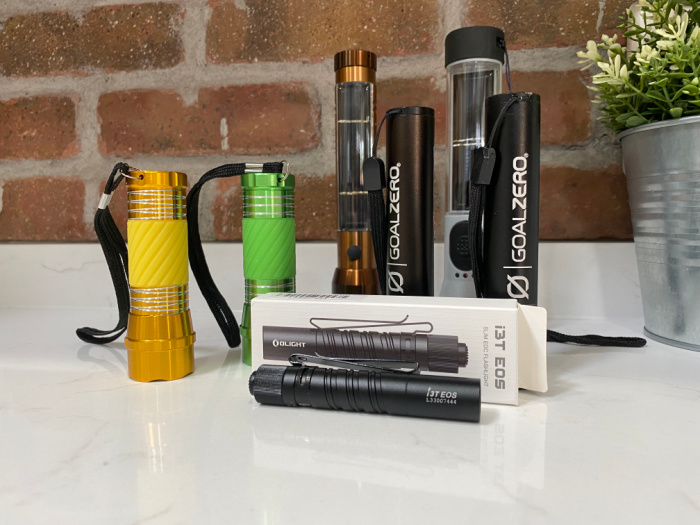
- Flashlights, one per family member. Everyone should have their own so no one is left in the dark searching for a shared one. Flashlights, Lanterns, Yard Lights (Solar).
- Extra batteries in several sizes. Check your flashlights and devices now so you know which sizes to stock. Sam’s Club has the best ones; Harry mentioned that to me one day. Now I only order them online from Sam’s Club. Members Mark brand.
- Battery-powered lanterns. These light up a whole room instead of just a narrow beam.
- Solar-powered lights. These recharge during the day and can provide light without using any batteries.
- A hand crank or solar radio for weather updates. This keeps you informed even if cell service and power both fail.
- A portable power bank for charging phones. Keep it fully charged and ready before a storm ever arrives.
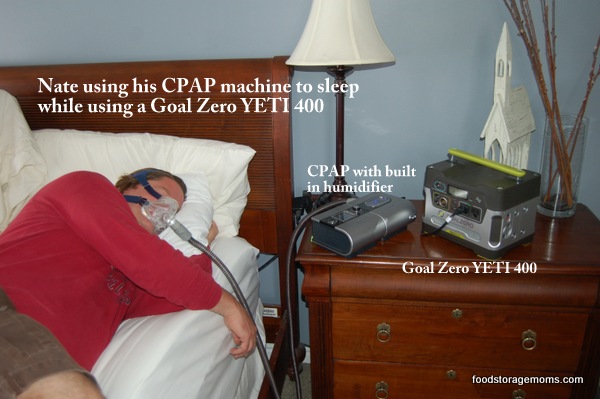
- A small, medium, or large generator if your budget allows. This can power a refrigerator, a few lights, or medical equipment.
- Extra fuel for the generator, stored safely outside the home. Never store or run a generator inside the house or garage.
Warmth and Comfort
- Extra blankets. Layering blankets is one of the simplest ways to stay warm without power.
- Sleeping bags. These trap body heat well and are easy to store when not in use.
- Warm coats and hats for every family member. A large portion of body heat is lost through the head, so hats matter more than people expect.
- Hand warmers. These small packets are inexpensive and provide hours of warmth in pockets or sleeping bags. Hand Warmers
- A battery-powered heater rated safe for indoor use. Always check that any heater is specifically approved for indoor use to avoid fire or fume risk.
Health and Hygiene
- A well-stocked first aid kit. Include bandages, antiseptic, gauze, and basic tools for treating minor injuries.
- Prescription medications, at least a two-week supply. Talk with your pharmacy about keeping a small emergency backup on hand. Ask for 90-day supplies, if possible.
- Pain relievers and fever reducers. Keep both adult and child formulas if you have little ones at home.
- Hand sanitizer. This helps maintain cleanliness when running water isn’t available.
- Baby wipes for the whole family, not just babies. These are wonderful for quick cleanups when a shower isn’t possible.
- Toilet paper. Store more than you think you need, since it’s one of the first things people run out of.
- Feminine hygiene supplies. Keep a full supply on hand since stores may be closed or picked over during an outage.
- Diapers and formula if you have little ones. Stock a two-week supply and rotate sizes as your baby grows.
- A portable toilet or heavy-duty trash bags for sanitation. This becomes essential if water service is also affected.
Communication and Safety
- A fully charged cell phone with a backup battery. Keep a charging cable stored with your emergency supplies.
- A written list of emergency contact numbers. Don’t rely on your phone alone, since it may lose power or signal.
- A whistle for each family member. A whistle carries much farther than a shouting voice and takes very little energy to use.
- A fire extinguisher. Candles and alternative heat sources raise fire risk, so keep one within reach.
- Smoke and carbon monoxide detectors with fresh batteries. Check these before storm season and again every six months. Carbon Monoxide Multi Detector
- Cash in small bills, since card readers will not work. Keep enough on hand to cover a few days of basic purchases.
Tools and Extras
- A multi tool or basic tool kit. Useful for small repairs, opening things, or handling unexpected situations.
- Duct tape. This can patch, seal, secure, or repair almost anything in a pinch.
- Work gloves. Protect your hands during cleanup or repair work after a storm.
- A tarp for covering damage or leaks. Keep one on hand in case a window, roof, or door is damaged.
- Games, books, and puzzles to keep spirits up. These help pass the time and ease anxiety, especially for children.
- Pet food and supplies if you have animals. Don’t forget leashes, bowls, and any medication your pets may need.
- A family emergency plan written down and reviewed together. Include a meeting place, contact person, and basic steps everyone should follow.
Power Outage Preparation: For Home Survival
What You Need in a Stay-at-Home Bag
Final Word
Emergencies rarely announce themselves ahead of time, but a little preparation goes a long way toward keeping your family calm, safe, and comfortable when the power goes out. You don’t need to buy everything on this list at once. Pick a few items each time you go to the store, keep them together in a spot everyone in the family knows about, and check your supplies twice a year so nothing expires or runs low without you noticing. The goal isn’t to live in fear of what might happen, but to feel steady and ready no matter what comes your way.
Being prepared doesn’t need to be complicated or expensive. Start with water and food, then build from there a little at a time. Even adding two or three items from this list each month will leave your family in a much stronger position when the lights go out. May God bless this world, Linda










I have been going over our emergency supplies and there always seems to be something I need. Right now it’s light bulbs and supplements for our health. We need to have our generator serviced in September before the winter snow. I am also trying to reload our canned goods because come September I will need to restock the freezer and I know that will break the budget .
Hi Chris, oh my gosh, the price of groceries are through the roof. Great idea on the light bulbs!! Having a well serviced generator is a blessing. You are doing everything you can to be prepared! Good job, my sweet friend! Linda
“A water filter or purification tablets. These give you a backup way to make questionable water safe if your stored supply runs low.”
Know what your filter is capable of and what contamination may be in the water!
Not all filters can remove the chemical contaminates you may be facing.
I read a lot of prepping sites that talk up the sawyer (and other) filters – they may help with dirt and bugs but do nothing for any chemical contaminates. In my area Agricultural chemicals (and some industrial) are prevalent :\
I have researched and found the AquaCera – CeraMetix do an amazing job in my system.
Mine uses the 7″ GF W951624
Besides fluoride they do an impressive list of possible contaminants!
If need be (like rain barrels or other surface water I might be stuck with as a supply) pre-filtering with a ‘dirt and bugs’ filter takes the load off the cones and greatly extends the life.
Water is too important to your life to chance it.
Hi Bruce, thank you for your comment! I LOVE LOVE LOVE it! People need to know what their filters are capable of filtering. I ask people to store water, it will become scarce, but it must be safe to drink. The Sawyer Filter Bottles are better than the straws. https://amzn.to/4wl8PHx. They remove 99.99% of whatever they list on their website. I have reverse osmosis but I still do not take my water source for granted. Most people would not stack WaterBricks and cases of BlueCans(out of stock currently) along one full wall in our Master Bedroom. I do. I have water in high capacity containers, cases of BlueCans under my bed. I can’t stress enough, check your filters like Bruce is saying and buy what you must to be prepared. Thank you, Linda
I just read an article about canning soups. I’m thinking this might be a good thing to do. We do love soup, especially in cold weather. Well, I can eat soup year round. LOL We already have what we need. Just not enough for my peace of mind.
Hi Deborah, great idea, but please remember you cannot can “flour” in any soups. “USDA doesn’t allow thickeners like cornstarch/flour in home canning due to quality, acidity changes, and heat penetration issues.” Have fun canning soup, thicken it after you open it to use it. Linda
I did read that!
Hi Deborah, have you heard of ClearJel? I wonder if they still sell that. Linda
I’ve heard of it, but never seen it.
Just checked Amazon. They do carry it.
Hi Deborah, I will order some! Thank you! Linda