My 30 Day Plan For Food Storage
This post may contain affiliate links. We may earn a commission if you purchase via our links. See the disclosure page for more info.

Let’s discuss My 30 Day Plan For Food Storage! Come on in, grab a cup of something warm, and let’s sit down at the kitchen table together. I get asked all the time, “Linda, where do I even start with food storage?” And my answer is always the same. Start with 30 days. Thirty days is big enough to carry your family through a job loss, a winter storm, an illness in the house, or a stretch when the grocery store shelves look a little thin. It’s also small enough that you won’t feel overwhelmed or need to empty your savings account.
My goal for this plan is about 2,000 calories per person each day. That’s roughly 120,000 calories for two people over 30 days. Don’t let that number scare you. Once you see the list, you’ll realize it fits in a closet, under a bed, or on a few shelves in the garage. I don’t recommend the garage, but if that’s your only option, it is what it is. It’ll shorten the shelf life. I confess I don’t count calories when it comes to meal planning; I probably should, but I don’t. It’s your choice.
Today I’m going to walk you through a 30-day food storage plan for a family of two. I picked two people because it keeps the math simple. If you have four people, just double everything. If you have six, triple it. Easy as pie.
Let’s Talk About Water First
I know this is a food storage post, but I wouldn’t be a good neighbor if I didn’t start here. You can go weeks without food, but only days without water. And so many of the foods we store, like rice, beans, oats, and pasta, need water to cook.
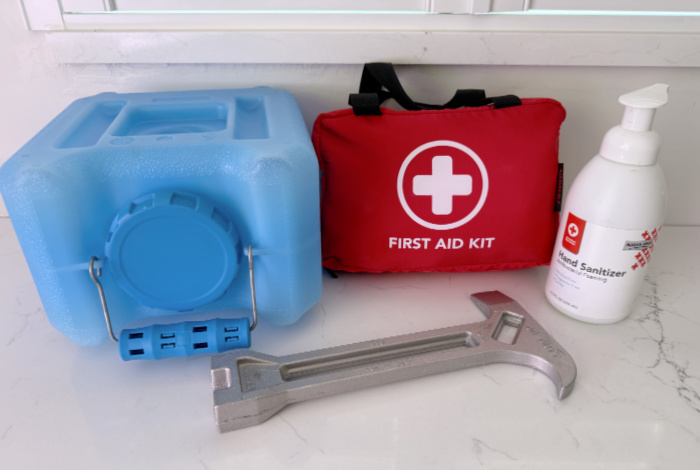
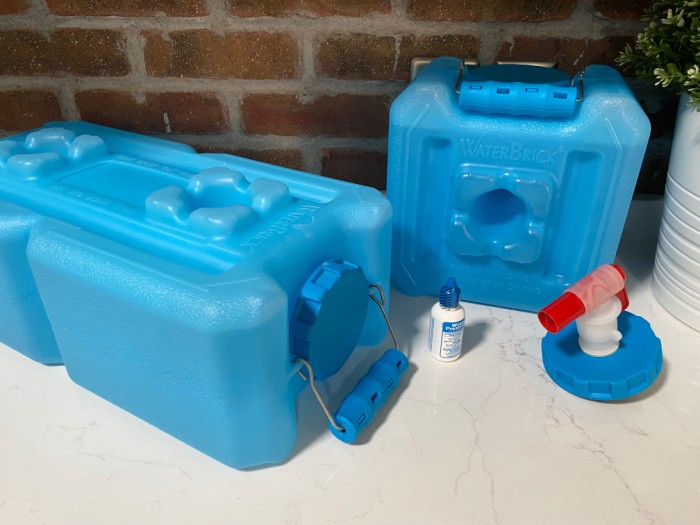
The general guideline is one gallon of water per person per day. For two people for 30 days, that’s 60 gallons. People like to store a mix of bottled water cases for grab-and-go, plus a few larger containers, like 5- or 7-gallon jugs. If you have room, a 55-gallon water barrel is a wonderful investment. Keep water away from direct sunlight and chemicals like gasoline or pesticides, because plastic can absorb those materials. A good water filter is a smart backup too.
You know by now that one gallon of water per person per day doesn’t cut it for me. I highly recommend 4 gallons of water per person per day. You need water to hydrate, cook, maintain personal hygiene, and do limited laundry for health and safety. It’s all about choices.
The Grains: The Backbone of Your Pantry
White Rice: 20 pounds
Rice has fed families around the world for thousands of years, and there’s a reason for that. It’s inexpensive, filling, and stores beautifully. White rice stored in a cool, dry place in airtight containers can last for many years, and when it’s packed in mylar bags with oxygen absorbers, it can last decades. I choose white rice over brown for long-term storage because brown rice contains natural oils that can go rancid in about 6 months to a year.
Rice goes with everything. Stir it into soups, serve it under beans, make fried rice with canned vegetables, or cook it with a little milk, sugar, and cinnamon for rice pudding. Twenty pounds gives you plenty of meals.
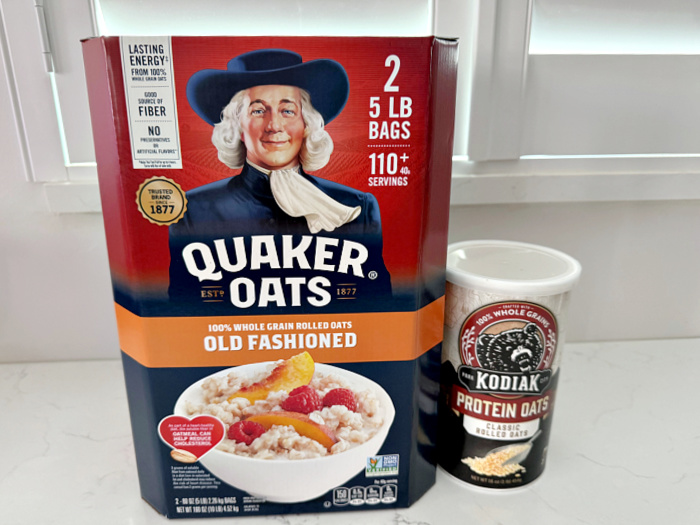
Rolled Oats: 10 pounds
Oats are my breakfast hero. A warm bowl of oatmeal sticks to your ribs and keeps you full until lunch. Old-fashioned rolled oats are more versatile than instant, and they store very well. You can use them for a bowl of oatmeal, homemade granola, oatmeal cookies, meatloaf filler, or even blend them into oat flour in a pinch. When times are stressful, a warm breakfast does wonders for the heart.
Pasta: 10 pounds
Pasta cooks fast, which saves fuel and water if you’re ever cooking on a camp stove. Families love it, and picky eaters rarely turn it down. Spaghetti, elbow macaroni, penne, egg noodles, store whatever your family enjoys. Pair it with canned sauce, canned chicken, or a little butter and parmesan. Dried pasta keeps well for a couple of years in its package and much longer when sealed in airtight containers. A reader told me about the Fasta Pasta Cooker; oh my gosh, I’ve never looked back after the purchase, and I’ve used it twice this week. I love it.
All-Purpose Flour or Bread Flour: 10 pounds
If you bake at all, flour gives you so many options. Biscuits, pancakes, tortillas, flatbread, gravy, and homemade bread. There’s something so comforting about the smell of fresh bread in the house when the world outside feels uncertain. Flour can attract little bugs, so I recommend freezing it for a few days when you bring it home, then storing it in a sealed bucket or container. I confess, I can’t freeze mine because I buy 200 pounds at a time in 25-pound bags, but I only buy a Lehi, Utah-based product from Lehi Mills. I get their bread flour from Costco. It’s produced in Utah, yes, where Kevin Bacon (1984) starred in the movie “Footloose”! Now, I have that song in my head; I love it!
Crackers: 4 boxes
Crackers are a quick, no-cook food that goes perfectly with peanut butter, canned tuna, or soup. They’re also gentle on an upset tummy. Rotate these more often since they’re best within about a year.
The Proteins: Keeping Your Strength Up
Dried Beans: 10 pounds
Beans are one of the most economical foods you can buy. They’re packed with protein and fiber, and properly stored dried beans can last a very long time. I like a mix of pinto, black, and white beans. One thing I always tell folks: older beans take longer to soften, so rotate them and use them in your everyday cooking. A pressure cooker makes quick work of cooking dried beans and saves fuel too.
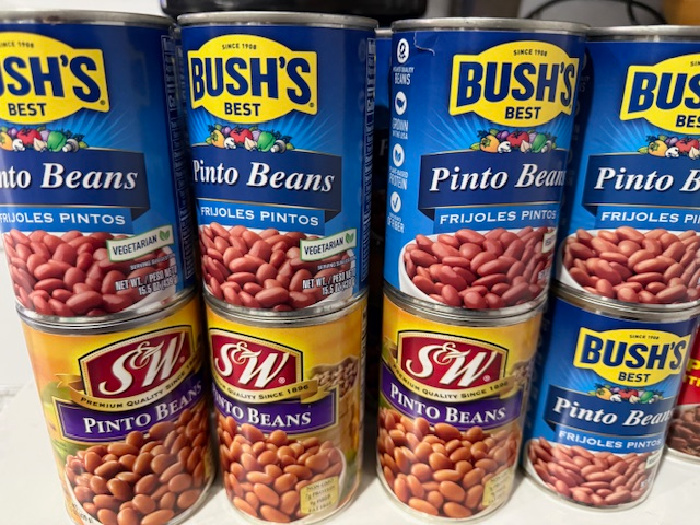
Canned Beans: 12 cans
Why both dried and canned? Because canned beans are ready to eat. If the power’s out or you’re short on water, you can open a can and have dinner. Refried beans, chili beans, black beans, and garbanzo beans are all great choices.
Canned Meats: 20 cans
I recommend a mix of canned chicken, tuna, salmon, and maybe some canned ham or beef. Canned meat is fully cooked and shelf-stable, turning a pot of rice or pasta into a real meal. Twenty cans provide protein for many of your lunches and dinners. Chicken and rice, tuna casserole, chicken noodle soup, salmon patties. These are meals that make a house feel like home.
Peanut Butter: 4 jars (16-ounce)
Peanut butter is a calorie powerhouse. One 16-ounce jar contains about 2,700 calories, plus protein and healthy fats. Kids and grandkids love it; it requires no cooking and pairs well with crackers, bread, apples, or oatmeal. Check those dates, because peanut butter is best used within a year or so. If you have a peanut allergy in the house, sunflower seed butter is a wonderful swap.
Nonfat Powdered Milk: 1 large box (enough to make about 20 quarts)
Powdered or Instant milk is perfect for baking, cooking, oatmeal, hot cocoa, and mashed potatoes. Nonfat powdered milk stores much longer than whole milk powder because there’s less fat to go rancid. Mix it up and chill it overnight, and it tastes much better than you might expect.
Eggs (Powdered or Freeze Dried): 1 can or pouch
This one is optional, but if you bake, powdered eggs are so handy. They work great in pancakes, muffins, and scrambled eggs. If your budget is tight, skip it for now and add it later.
The Fruits and Vegetables: Vitamins and Comfort
Canned Vegetables: 30 cans
That’s one can a day, which is a nice, simple goal. Green beans, corn, peas, carrots, mixed vegetables, and spinach are all good choices. Canned vegetables give you vitamins, fiber, and color on the plate. Don’t pour that liquid down the drain either. It has nutrients and works great in soups.
Canned Tomatoes and Tomato Sauce: 12 cans
Diced tomatoes, tomato sauce, and spaghetti sauce are flavor builders. They turn plain pasta, rice, and beans into chili, goulash, Spanish rice, and spaghetti. Tomatoes are high acid, so they’re best used within about 12 to 18 months.
Canned Fruit and Applesauce: 20 cans or jars
Peaches, pears, pineapple, mandarin oranges, fruit cocktail, and applesauce. Fruit brightens a meal and gives everyone a sweet treat that feels like a normal part of life. Applesauce can also replace oil or eggs in some baking recipes. I love that kind of double-duty food.
Dried Fruit: 2 pounds
Raisins, dried cranberries, and dried apples are wonderful in oatmeal, trail mix, and baking. They’re lightweight, need no can opener, and make a great snack.
Instant Potato Flakes: 2 large boxes
Instant mashed potatoes cook with just hot water and a little powdered milk. They’re a fast side dish, and they can thicken soups and stews too. They’re comfort food in a box.
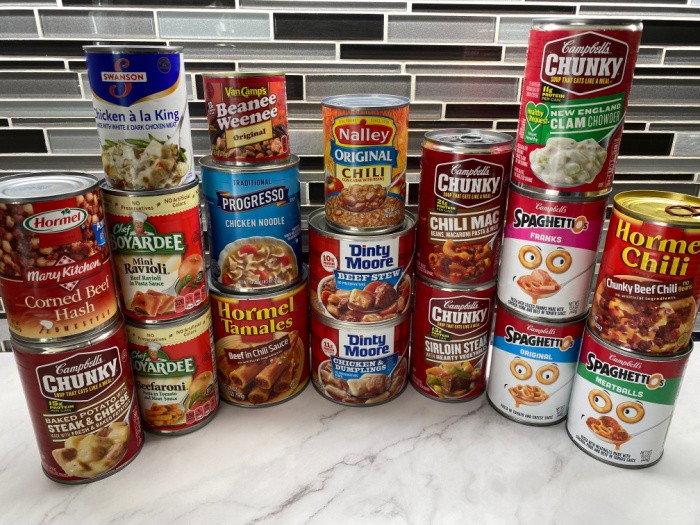
Canned Soups and Stews: 15 cans
Soup is a complete meal when you’re tired, sick, or just need something easy. Chicken noodle, vegetable beef, cream of mushroom, and cream of chicken. Cream soups are great for casseroles, too. Hearty stews and chili are wonderful on a cold night. Of course, you can make your cream soups from scratch. I just buy them; that’s how I roll.
Fats, Sweeteners, and Baking Basics
Cooking Oil: 1 and a half quarts
Fat is important. It gives your body energy, helps you absorb vitamins, and makes food taste good. Vegetable oil, olive oil, or coconut oil all work. Oil does go rancid over time, so buy what you’ll rotate through in a year or so. Coconut oil and shortening tend to last a bit longer.
Honey: 2 pounds
Honey is one of the few foods that essentially never spoils. If it crystallizes, just set the jar in warm water and it’ll turn smooth again. Use it in oatmeal, tea, and baking, and to soothe a scratchy throat. Please remember honey should never be given to babies under one year old.
Sugar: 5 pounds
Sugar stores indefinitely when kept dry. It’s for baking, sweetening oatmeal, and making a batch of cookies when everyone needs a little cheering up.
Salt: 2 containers
Salt never goes bad, and you need it for flavor, baking, and your body’s health. I always keep extra.
Baking Powder, Baking Soda, and Yeast
These little items make a big difference. Without them, your flour can only make flatbread. Baking powder and yeast lose their strength over time, so check the dates and store yeast in the freezer, if you can.
Spices and Seasonings
Garlic powder, onion powder, chili powder, cinnamon, Italian seasoning, black pepper, and bouillon cubes. Please don’t skip these. Eating rice and beans for a month gets old fast, but seasonings make the same foods taste brand new. Bouillon cubes alone can turn plain rice into something you look forward to.
Comfort Items
Coffee, tea, hot cocoa mix, a few candy bars, and some popcorn kernels. I call these morale foods. When life’s hard, a cup of hot cocoa or a bowl of popcorn on movie night reminds everyone that we’re going to be just fine. Don’t forget chocolate!
How to Build This in 30 Days Without Breaking the Bank
Now, I don’t expect anyone to buy all of this in one trip. Here’s how I’d spread it out over four weeks so it fits into your normal grocery budget.
Week One: Water and grains. Pick up your bottled water and containers, the rice, oats, and pasta. These are the foundations, so they come first.
Week Two: Proteins. Add your dried beans, canned beans, canned meats, and peanut butter. Watch for case-lot sales, as canned meats often go on sale.
Week Three: Fruits and vegetables. Grab your canned vegetables, tomatoes, fruit, soups, and potato flakes.
Week Four: Fats, baking basics, seasonings, and comfort foods. Finish with the oil, honey, sugar, flour, salt, spices, powdered milk, and those little treats.
By the end of the month, you’ll have a full 30 days of food tucked away. What a peaceful feeling that is.
What a Day of Meals Might Look Like
Let me show you how this all comes together. Breakfast might be oatmeal with raisins, cinnamon, and a drizzle of honey, plus a cup of coffee or cocoa. Lunch could be tuna on crackers with a side of canned peaches. Dinner might be chicken and rice with green beans, seasoned with garlic powder and a bouillon cube. Snack time could be peanut butter on crackers or a handful of dried fruit.
See? Those are real meals. Nobody is going hungry, and nobody feels like they’re eating survival food.
My Best Tips for Storing It All
Store what you eat and eat what you store. This is the golden rule. Don’t buy foods your family doesn’t like just because they store well or cost less. If your husband won’t touch canned salmon, buy chicken instead.
Rotate, rotate, rotate. Put new cans in the back and pull older cans from the front. Use your storage in everyday cooking so nothing goes to waste.
Keep it cool, dark, and dry. Heat, light, moisture, and oxygen are the enemies of stored food. A closet in the middle of the house is better than a hot garage.
Label everything with the date. A permanent marker is your best friend. Write the purchase date right on the can or container.
Don’t forget a manual can opener. I can’t tell you how many people have a closet full of cans and only an electric opener. Get two manual ones and keep one with your food storage.
Have a way to cook without power. A camp stove, a butane burner, or an outdoor grill with extra fuel will let you cook your rice, beans, and pasta even when the electricity goes out.
Think about those in your home who have food allergies, diabetes, or take medications, or if you have a baby or pets, plan for them too. Pet food is food storage, too!
PRINTABLE: 30-Day-Food-Storage-Checklist
My 30 Day Food Storage Shopping Checklist
For a Family of Two
Check off each item as you bring it home. For four people, double the amounts. For six, triple them.
Week One: Water and Grains
☐ Water, 60 gallons (1 gallon per person per day)
☐ White rice, 20 pounds
☐ Rolled oats, 10 pounds
☐ Pasta, 10 pounds
☐ Crackers, 4 boxes
Week Two: Proteins
☐ Dried beans, 10 pounds (pinto, black, white)
☐ Canned beans, 12 cans
☐ Canned meats, 20 cans (chicken, tuna, salmon, ham, beef)
☐ Peanut butter, 4 jars (16 ounces)
☐ Powdered eggs, 1 can or pouch (optional)
Week Three: Fruits and Vegetables
☐ Canned vegetables, 30 cans
☐ Canned tomatoes and tomato sauce, 12 cans
☐ Canned fruit and applesauce, 20 cans or jars
☐ Dried fruit, 2 pounds
☐ Instant potato flakes, 2 large boxes
☐ Canned soups and stews, 15 cans
Week Four: Fats, Baking Basics, Seasonings, and Comfort Foods
☐ All-purpose flour, 10 pounds
☐ Nonfat powdered milk, 1 large box
☐ Cooking oil, 1 and a half quarts
☐ Honey, 2 pounds
☐ Sugar, 5 pounds
☐ Salt, 2 containers
☐ Baking powder
☐ Baking soda
☐ Yeast
☐ Garlic powder
☐ Onion powder
☐ Chili powder
☐ Cinnamon
☐ Italian seasoning
☐ Black pepper
☐ Bouillon cubes
☐ Coffee, tea, and hot cocoa mix
☐ Popcorn kernels
☐ A few candy bars or treats
Don’t Forget These Essentials
☐ Manual can openers (2)
☐ Water filter
☐ Camp stove or butane burner with extra fuel
☐ Airtight containers or buckets for flour and grains
☐ Permanent marker for dating everything
☐ Special foods for allergies, babies, or medical needs
☐ Pet food
Storage Reminders
☐ Store in a cool, dark, dry place
☐ Write the purchase date on every item
☐ Put new items in the back, use older items first
☐ Store what you eat and eat what you store
Final Word From My Heart
Friends, food storage isn’t about fear. It’s about peace of mind. It’s about knowing that if a storm rolls in, a paycheck is late, or a neighbor knocks on your door in need, you’ll have something to eat and share. I’ve seen how a little preparation can turn a crisis into simply an inconvenience. Start small, start today, and before you know it, you’ll have 30 days of comfort sitting right there on your shelves.
Remember, you don’t have to do it all at once. One can, one bag, one week at a time. You can do this, and I’m cheering you on every step of the way. May God bless this world, Linda
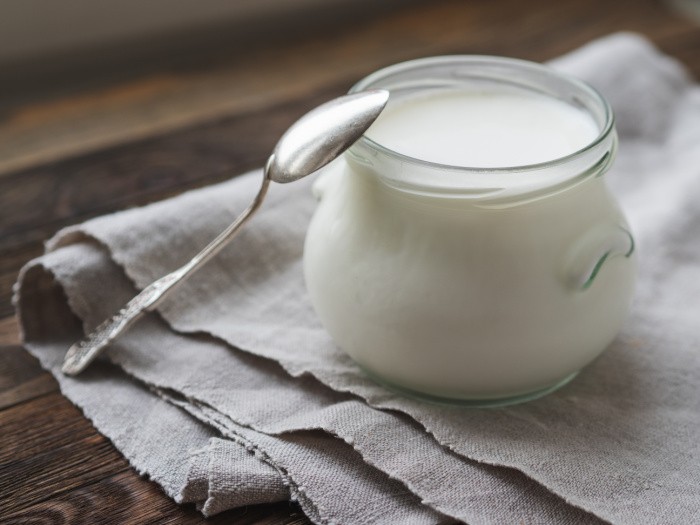





This is one of your best. With powdered milk it is easy to make yogurt. No “yogurt maker” needed. All that is needed is a pot or some sort of way to keep the culture warm. I have a small insulated “cooler” that worked for me for years when we were off the grid. The beauty of it is that it is easier than sour dough starter. Both can last generations.
Now I use my instant pot for many things. It has paid for itself in convenience and electricity saving.
A couple of years ago I bought my favorite plain greek yogurt. Used that for the starter. I make 2 1 quart containers in each batch. When it is time to open the 2nd container, I dip out 1/2 cup (amounts may vary)- because it is clean and not contaminated. I use an instant pot now. We have the rest of that quart to use while the other yogurt gets made. I have used that same started over and over.
I figure a quart of yogurt costs about $1.70
My machine made bread costs under $2. If flour is on sale, it’s lower! The compact machine I use is convenient and paid for itself long ago.
Linda is SO right…if you plan, anyone can make this work. People get overwhelmed.
I tell them “how do you eat an elephant?—-one bite at a time!”
Give yourself a compact bread machine for Christmas. They can be found for under $100. That’s 20 loaves of bread at $5 store bought.
Hi CAddison, thank you for your kind words. Making your own yogurt is so much healthier. You are so right about the bread machine. I love mine; I see some really good buys on them right now. I can’t pay $5.00 a loaf, or should I say I will not pay $5.00 for a loaf of bread. LOL! There is nothing better than a hot loaf of fresh bread! Linda
This is a great and totally doable list. I thought I was better prepared and then I stocked my kitchen pantry and now I need to restock my basement grocery store. This list is a great starting point. Thank you!
Hi Rhonda, thank you for your kind words. I wanted a Printable list for my readers to make it easier than just looking at a computer. It is a starting point for sure; we all have other items we would add. Life is good. Linda