
Should Your Family Prepare for 90 Days?
This post may contain affiliate links. We may earn a commission if you purchase via our links. See the disclosure page for more info.

Should your family prepare for 90 days? The 90 days everyone is talking about recently comes from the military, not from a warning for our homes. According to documents reviewed by Fox News Digital, major U.S. military bases would prepare to keep essential operations running without outside support for at least 90 days. The program is called FORTRESS America, and it was announced by Secretary of War Pete Hegseth during his September 30 State of the Force address at Marine Corps Base Quantico in Virginia.
What does that cover? Pentagon chief spokesperson Sean Parnell said it covers essential needs, including electricity, water, fuel, and communications. The plans include small nuclear reactors, battery storage, and microgrids that can disconnect from the wider electrical network. The program also includes bringing critical supply chains home, protecting bases against cyberattacks, sabotage, and drones, and building reserves of munitions, fuel, medicine, and blood. Hegseth put it this way: “If an adversary takes down the grid by cyberattack, by sabotage, or by any means, our bases stay lit.”

What Our Leaders Are Saying
Just this week, the Vice President addressed it directly. On Monday, November 16, Vice President JD Vance told Fox News host Laura Ingraham that he advises his friends against building bunkers or stocking up on food and water. He said, “We don’t see a crisis coming down,” but added that officials must prepare for every scenario. He called the Pentagon’s 90-day plan “just basic good government,” making sure the military is ready in case of a crisis.
It’s worth knowing that his comments came just days after a global Microsoft 365 outage and a November 13 FAA halt of departures that affected about 10,000 flights. Meanwhile, overseas, Ireland and the United Kingdom have told their citizens to stockpile at least 72 hours’ worth of emergency supplies.
A Word About That Viral Post
If you saw a post claiming President Trump told Americans to “stock up on at least 90 days of food, water, and essential supplies,” please know it isn’t real. Fact-checkers reviewed his Truth Social account and found no record of that message, and no established news outlets had reported it. I always tell you to check before you share, and this’s a perfect example.
Tidbit for Banking Issues
I heard from several friends who tried to withdraw cash from their banks but were unable to. Others were told they would only take deposits, no withdrawals. Some asked to trade large bills for smaller ones. They had to show ID; she had her debit card in hand. It was a hassle for everyone involved. Please get some five- and ten-dollar bills, my friends. Cash will be needed sooner rather than later.
Should We Prepare for 90 Days?
Here is my heart on this, after more than a decade of writing about food storage. Nobody has told American households to expect three months without power. But I’ve never needed a government announcement to keep a well-stocked pantry, and neither did our grandmothers. Job losses, illness, winter storms, a long power outage, or empty grocery shelves can happen to any of us. Ninety days is simply a good, sensible goal for a family pantry, and it gives you peace of mind no matter what the headlines say.
The official starting points are smaller. FEMA recommends at least a three-day supply of nonperishable food, plus one gallon of water per person per day for at least three days. The American Red Cross recommends three days of food and water if you need to evacuate and two weeks of supplies at home. So please don’t panic buy. Build in layers: three days first, then two weeks, then one month, then ninety days. Every can on your shelf counts. One gallon of water per day doesn’t cut it for me. I suggest 4 gallons per person per day to cover needed hydration, cooking, personal hygiene, and limited laundry. It’s your choice.
Water: Start Here
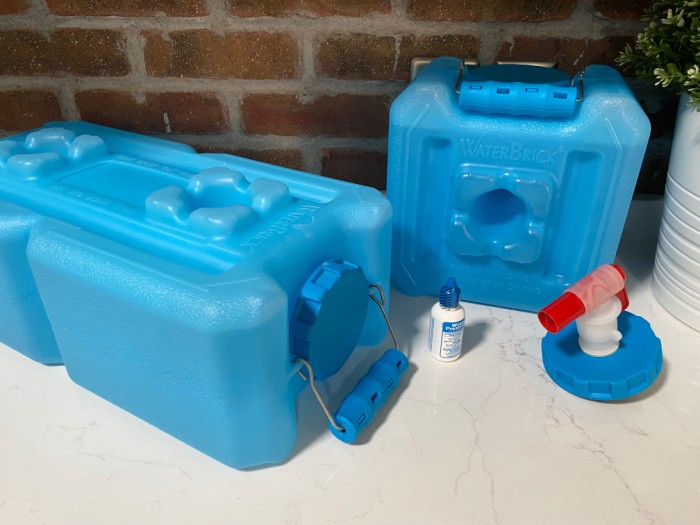
You can live without many things, but not water. Plan on one gallon per person per day for drinking and basic cooking, and more if you can for washing. For ninety days, that’s 90 gallons per person just for the basics, which means 360 gallons for a family of four. That sounds like a lot, so mix your methods. Keep cases of bottled water for the first few days. Add food-grade water storage containers or 55-gallon barrels stored off concrete and away from sunlight. Rain barrels are wonderful for washing, flushing, and the garden. Most important of all, own a good water filter and some purification tablets or unscented household bleach, because a filter can turn creek, pond, or rain barrel water into drinking water when your stored supply runs low.
Food: Store What You Eat, Eat What You Store
The golden rule of food storage hasn’t changed in all my years of doing this: store what you eat, and eat what you store. A pantry full of food your family won’t touch isn’t preparedness; it’s wasted space and money. So let’s break this down one shelf at a time.
How Much Food Does a Family Need?
Most adults need around 2,000 calories a day, and more if they’re doing hard physical work like hauling water, chopping wood, or shoveling snow. For ninety days, that’s about 180,000 calories per adult. Kids need a little less, and teenagers often need more. Don’t let the big number scare you. When you break it into grains, beans, canned goods, and staples, it adds up faster than you’d think. The amounts below are rough per-adult guides for three months, scaled down from the one-year supply guidelines many food-storage families have used for generations. Change them to fit your family’s appetite and tastes.
Grains: The Backbone of Your Pantry
Grains give you the most calories for your money and store for a very long time. Plan on roughly 75 to 100 pounds of grains per adult for ninety days. Mix it up so you don’t get tired of eating the same thing.
White rice is inexpensive, easy to cook, and can last 25 years or more when it’s sealed in Mylar bags with oxygen absorbers. Brown rice has more nutrients, but its natural oils go rancid in about 6 months to a year, so only keep what you’ll rotate through. Rolled oats work for breakfast, baking, meatloaf, and cookies. Hard red or hard white wheat berries keep for decades and can be ground into fresh flour if you have a grain mill. Flour from the store is handy for everyday baking, but it keeps best in a cool, dry place and should be rotated within a year. Also consider pasta, cornmeal, popcorn, and boxed cereal or crackers for days when you don’t want to cook.
Beans and Legumes: Protein You Can Count On
Beans are inexpensive, filling, and full of protein and fiber. Plan on about 15 pounds per adult for three months, and more if your family loves beans. Pinto, black, navy, kidney, and Great Northern beans are all good choices. Lentils and split peas cook much faster than other dried beans, which saves fuel when the power’s out. Sealed properly, dried beans can keep for many years, but very old beans get hard and take longer to cook, so rotate them. Canned beans are a wonderful shortcut because they’re already cooked and ready to eat cold if needed.
Canned Meats and Other Proteins
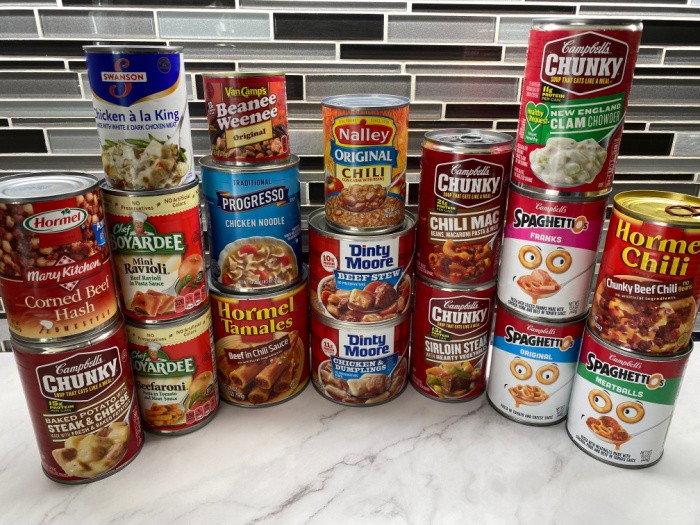
Protein keeps your family strong and full. Stock canned chicken, tuna, salmon, beef, ham, Spam, and chili with meat. A good goal is about one can of meat or fish per adult every day or two, which works out to roughly 45 to 90 cans per adult. Peanut butter is a pantry hero. It’s full of calories and protein, and kids love it. Plan on several jars per person. Nuts and seeds are great too, though they don’t keep as long because of their oils. If you can food, jars of your own chicken, beef, or chili are a true treasure in an emergency. I store pinenuts, peanuts, almonds, and pecans in my freezer.
Fruits and Vegetables
Nutrition matters when times are hard. Canned vegetables like green beans, corn, peas, carrots, and mixed vegetables are easy and inexpensive to use. A helpful target is about one can of vegetables per adult per day, or around 90 cans, plus about 60 cans of fruit. Canned tomatoes, tomato sauce, and tomato paste are worth extra space because they turn plain rice and beans into soups, chili, and casseroles. Applesauce, raisins, and dried fruit add sweetness and fiber. Freeze-dried and dehydrated fruits and vegetables are lightweight, keep for a long time, and are perfect for soups and snacks.
Dairy and Eggs
Fresh milk and eggs won’t last long without power, so plan ahead. Nonfat powdered milk stores well and can be used for drinking, baking, and making yogurt or pudding. Plan on at least 4 to 5 pounds per adult, and more if you have children. Shelf-stable boxed milk, evaporated milk, and sweetened condensed milk are handy for cooking and baking. Powdered eggs and powdered cheese are worth considering if you bake a lot. Butter powder and canned butter are options too.
Fats and Oils
This is the category people forget most, and it’s so important. Your body needs fat for energy, and you need it for cooking and baking. Plan on about 5 pounds of fat per adult for three months. Vegetable oil, olive oil, coconut oil, and shortening are all good choices. Most oils keep for about one to two years, so buy what you’ll rotate and store them somewhere cool and dark. Shortening and coconut oil tend to last longer than liquid oils.
Sweeteners
A little sweetness goes a long way for comfort and for baking. Plan on roughly 15 pounds of sweeteners per adult for ninety days. White sugar keeps indefinitely if it stays dry. Honey never goes bad. If it crystallizes, just set the jar in warm water. Brown sugar, maple syrup, molasses, corn syrup, jams, and jellies all add variety.
Baking Basics
If you store flour and wheat, you’ll want the ingredients to make bread, biscuits, and pancakes. Keep salt (about 2 pounds per adult for cooking and preserving), baking soda, baking powder, yeast, and vanilla. Yeast keeps the longest in the freezer, and an unopened, vacuum-packed brick can last a long time there. Pancake mix, biscuit mix, and cornbread mix are lovely shortcuts on busy or stressful days.
Flavor and Comfort Foods
Ninety days of plain rice and beans would wear anyone down. Flavor keeps your family eating well and keeps spirits up. Stock bouillon cubes or granules, salt and pepper, garlic powder, onion powder, chili powder, cumin, Italian seasoning, cinnamon, soy sauce, hot sauce, vinegar, mustard, ketchup, and gravy mixes. Then tuck away coffee, tea, cocoa, drink mixes, hard candy, chocolate, cookies, and popcorn. Trust me, when the lights are out and the kids are restless, a mug of hot cocoa and a batch of popcorn feel like a celebration.
Ready-to-Eat Foods for the First Few Days
The first few days of any emergency are often the most stressful. Keep a box of foods that need no cooking at all: granola bars, protein bars, crackers, peanut butter, canned fruit, canned meat with pop-top lids, trail mix, and juice boxes. These are also perfect for a grab-and-go bag if you ever need to leave home.
Freeze-Dried and Long-Term Kits
Freeze-dried meals and buckets are convenient for filling gaps, and many last 25 years. They do cost more and need water to prepare, so I think of them as a supplement to a pantry of everyday foods rather than a replacement. If you plan to buy them, try a few pouches first to make sure your family actually likes the taste. As you know, I no longer suggest #10 cans because they’re so overpriced. Why? Because food is overpriced.
Special Diets
Walk through every person in your home. Do you have a baby who needs formula and baby food? A family member who needs gluten-free foods, low-sodium options, or diabetic friendly foods? Someone with food allergies? These items are often the first to disappear from store shelves in a crisis, so stock them early.
Storing It All the Right Way
Food keeps best in a cool, dark, dry place, ideally below 70 degrees. Heat is the enemy of shelf life, so avoid garages and attics if you can. Use food-grade buckets, Mylar bags, and oxygen absorbers for long-term storage of staples, and keep everything off concrete floors. Label every container with what’s inside and the date you packed it. Rotate canned goods by putting new purchases in the back and pulling from the front. Check your shelves a couple of times a year and use anything getting close to its “use by” date. Your pantry should be a living, working part of your kitchen, not a museum.
A Simple Day From the Pantry
To show you how it all comes together, here’s what one day might look like. Breakfast could be oatmeal with powdered milk, brown sugar, and raisins. Lunch could be peanut butter on homemade bread with canned peaches. Dinner could be chicken-and-rice soup made with canned chicken, rice, canned carrots, bouillon, and a pinch of garlic powder, with biscuits on the side. Add a cup of hot cocoa before bed. Nothing fancy, but warm, filling, and made with love from your own shelves.
Cooking Without Power
If the power goes out, how’ll you cook all that rice and beans? Think about a camp stove with extra propane or butane, a propane grill, a rocket stove, or a wood stove if you have one. A thermal cooker or a homemade hay box saves a lot of fuel with beans and grains. Please remember never to cook with charcoal or propane indoors. Butane Stove and Butane Fuel
Power, Light, and Heat
We’re heading into winter, so this section matters. Stock flashlights, headlamps, and battery lanterns with plenty of extra batteries. Solar lanterns and a small solar power station can keep phones and lights going for weeks. If you own a generator, the CDC says it must stay outside, at least 20 feet from windows, doors, and vents, and every home should have battery-operated or battery-backup carbon monoxide detectors. Store fuel safely and rotate it with a stabilizer.
For warmth, gather wool blankets, cold-rated sleeping bags, warm hats, and layers for everyone. Pick one small room to heat and gather in if the furnace stops. A safe indoor-rated heater with proper ventilation and a working carbon monoxide detector can be a blessing. Carbon Monoxide/Gas Natural/Propane
For your freezer and refrigerator, keep the doors closed during an outage. An unopened refrigerator generally keeps food safe for up to four hours without power. Plan to eat from the fridge first, then the freezer, then the pantry.
Medicine and First Aid
This is the one I worry about most for my readers. If anyone in your family takes daily medication, talk with your doctor and pharmacist about getting a 90-day supply and refilling early when your insurance allows. Keep a written list of every medication and dosage. Build a solid first aid kit with bandages, gauze, antibiotic ointment, pain relievers, fever reducers, allergy medicine, anti-diarrheal medicine, electrolyte packets, a thermometer, and any supplies for chronic conditions, such as glucose test strips. Remember, I’m not a doctor, so please check with your own medical providers about what is right for your family.
Sanitation and Hygiene
When water is scarce, cleanliness keeps people healthy. Store toilet paper, paper towels, wet wipes, hand sanitizer, soap, shampoo, toothpaste, feminine products, diapers if needed, and plenty of heavy-duty trash bags. A five-gallon bucket with a toilet seat lid, bags, and kitty litter makes an emergency toilet if water service stops. Add bleach and disinfectant for cleaning. Portable Toilet
Communication and Information
If the internet and cell service go down, how’ll you know what’s happening? Keep a hand-crank or battery-powered NOAA weather radio. Write down important phone numbers on paper, because most of us don’t remember them anymore. Make a family plan for where to meet and who to check on. Some families enjoy getting their ham radio license together, and it’s a wonderful skill to have. NOAA Radio
Cash and Important Papers
Keep some cash at home in small bills, since card machines and ATMs need power. Gather copies of IDs, insurance policies, medical information, and property records in a waterproof folder or fire-safe box.
Pets and Neighbors
Your furry family members need food, water, and medication for 90 days, too. Babies need formula, diapers, and wipes. Some neighbors may need hearing aid batteries, extra glasses, or mobility supplies. Walk through each person’s day and ask what they couldn’t do without.
How to Build It Without Breaking the Bank
Nobody builds a ninety-day pantry in one shopping trip. Add a few extra items each time you shop. Buy one case of something on sale every week. Choose one category a month: water in December, canned meats in January, and medicine and first aid in February. Before you know it, you’ll look at your shelves and feel that sweet sense of peace that comes from being prepared.
Final Word
Being prepared is not about fear. It’s about loving our families enough to plan ahead and being in a position to help a neighbor when they need it. The military is ensuring its bases can sustain themselves for 90 days. We can do the same thing, one can and one gallon at a time. May God bless this world, Linda
Sources:
US Pentagon prepares for America’s ‘doomsday’ (Yahoo Finance)
Vice President JD Vance Claims There’s No Need for Americans to ‘Prepare for the Worst’ (Yahoo)
Fact Check: Trump Did NOT Post on Truth Social Urging People to Stock Up (Lead Stories via Yahoo)
Power Outage Preparedness: Behind the 90-Day Warning (The US Report)
90 Days of Supplies (Trail and Kale)













Living in FL we always have at least a 90-day supple of both food and water. Yesterday I read on Gettr.com that next big thing to have problems/hacking is financial institutions, so be sure to have actual money in your home. If you want to have a 90-day supply of medications contact your doctor to call into your pharmacy a 90-day supply of the drug to be paid with Good-RX.
Get some jump drives or a Passport and save files on your computer/laptop that you will need if the Search Engines go down. I have 2 Passports with over 2,000 files saved.
Good luck to everyone, it’s going to be rough ride – so buckle up.
YES! Everyone, everywhere should be prepared. We never know what can and will happen next! Over the weekend we were sitting watching TV and heard a loud explosion. I looked at Larry and he looked at me. Neither knew what it was. Larry went outside and it was the nut behind us. He had started a big fire and apparently there gas on the fire. It scared me. I think I expect an attack at any time. And have since 9-11. With the way things are in the world today, I expect anything and everything to happen at any minute. I hope it doesn’t, but I want to be prepared. Does this make me a doomsday nut?