27 Monthly Bills You Can Cut or Lower Right Now
This post may contain affiliate links. We may earn a commission if you purchase via our links. See the disclosure page for more info.

Have you looked at your bank statement lately and wondered where all the money went? You’re not alone. Groceries cost more, insurance keeps creeping up, and those little monthly charges have a way of multiplying when we aren’t paying attention. Many families I talk with feel stretched thin, and none of us knows what the economy will do next. What we do know is that we can take charge of our own household spending.
I’ve always believed that being prepared isn’t only about having water stored and a full pantry. It’s also about having margin in your budget. When you lower your monthly bills, you free up money for your emergency fund, your food storage, and the things that truly matter to your family. Today I want to walk you through 27 monthly bills you can cut or lower right now. Some of these will save you a few dollars, and some could save you hundreds over the year. Every little bit adds up.
When we lived in Southern Utah, I saw a lot of fraud with food stamps and low-income housing. People made a game of trying to “beat the system” by not reporting money paid under the table or admitting you were living alone even though you were living with a baby daddy. They would get free hospital services, children’s services, free breakfast, and lunch for their kids at school. I met with a group of ladies for coffee and breakfast every week. One of the ladies had a baby, no insurance, and stated she was living alone while living with her baby daddy, so she got a lot of free benefits. Food stamps/EBT card, etc. I knew many who did this. You may think I’m judging them; I just want things to be fair. I was taught to be honest and live with integrity.
I remember being at a church meeting when three ladies at my table were all living in low-income housing. One lady told the other two young mothers: If I have one more child, I can get an extra $800.00 in food stamps/EBT every month. I didn’t say a word. I was shocked, to say the least. Anyway, my readers know I’m real, and I don’t play games; I am against all fraud- enough said.
Lanterns Solar Outdoor Ones (you can bring them inside when you need them)
Grab a cup of coffee, tea, or hot cocoa, pull up your last few bank statements, and let’s go through this together.
- Cable or Satellite TV
This is often the first bill people cut, and for good reason. Many families pay for hundreds of channels and watch only a handful. Free antenna TV still works well in many areas, and you can get local news, weather, and some favorite shows without a monthly fee. If you love a certain program, consider picking one streaming service instead of a full cable package. Ask yourself honestly how much your family watches and whether that time might be better spent together doing something else.
- Streaming Services
Here’s the funny thing. Many of us cut cable and then slowly added four or five streaming services that now cost almost as much, or even more. Look at every streaming charge on your statement. Keep one, cancel the rest, and rotate. Subscribe to one service for a month, watch what you want, cancel, and move to another. You’ll never run out of things to watch, and you’ll only pay for one at a time. Hopefully, you can find one streaming service that provides the majority of your favorite channels or shows so you can stop the run around and stick with just one.
- Unused Subscriptions and Memberships
Take a careful look for those small recurring charges you forgot about. Apps, cloud storage, magazine subscriptions, monthly boxes, premium versions of games, and free trials that quietly turned into paid plans. These are the sneaky leaks in a budget. On most phones, you can see your active subscriptions in your settings. Cancel anything you haven’t used in the last month. If you miss it, you can always sign up again.
- Gym Memberships
If you use your gym membership several times a week, it may be worth every penny. But if you’re paying for a gym you visit twice a month, it’s time to let it go. Walking is free. Bodyweight exercises at home cost nothing. Many communities have parks, walking trails, and free online fitness videos. Gardening, chopping wood, and hauling feed buckets count as a workout too, as any homesteader can tell you.
- Your Cell Phone Plan
Phone plans from the major carriers can be very expensive, especially for a whole family. Prepaid and smaller carriers often use the same networks for a fraction of the price. Check how much data your family actually uses each month. Many people pay for unlimited data when they mostly use WiFi at home. Switching plans can be one of the biggest savings on this list.
- Phone Insurance and Device Payments
Look closely at your phone bill for insurance add-ons and device installment payments. Do you need insurance on every phone, or could you put that money in a savings account instead? When your current phone is paid off, consider keeping it longer rather than upgrading right away. A good cell phone case and screen protector cost much less than a new phone every couple of years.
- Internet Service
Call your internet provider and ask what promotions they offer. Many companies offer lower rates to new customers and will sometimes match those rates to keep you. Also check your speed. If you’re paying for top speed but only use email, browsing, and a little streaming, a lower tier may work just fine. Some providers also offer reduced rates for qualifying low-income households, so it’s worth asking.
- Home Phone Line
Many homes still have a landline they rarely use. If everyone in the family has a cell phone, the landline may be an easy cut. If you keep it for emergencies or rural reliability, ask about a basic plan without the extras like long-distance packages and voicemail features you never use.
- Car Insurance
Insurance is one area where loyalty doesn’t always pay. Shop your car insurance at least once a year. Ask about discounts for bundling, good driving, low mileage, safety features, and good student grades. Consider raising your deductible if you have a solid emergency fund to cover it. If you have an older car that’s paid off, talk with your agent about whether full coverage still makes sense for that vehicle.
- Homeowners or Renters Insurance
Just like car insurance, it’s wise to compare homeowners or renters insurance every year. Bundling your home and auto policies with one company can lower your premiums on both. Installing smoke detectors, deadbolts, and a security system may qualify you for discounts. Make sure you’re properly covered, though. The goal is to stop overpaying, not to leave your family unprotected. Carbon Monoxide-Propane-Natural Gas Detectors
- Life Insurance
Life insurance is an important form of protection for families, but some people are paying for policies that no longer fit their needs. Term life insurance is often much less expensive than whole life for the same amount of coverage when it’s first issued. The premiums increase each time the term expires, so keep that in mind. If you’re unsure, sit down with a trusted, independent professional who can look at your situation. I’m not a financial advisor, so please get good counsel before making changes here.
- Your Electric Bill
You may not be able to cut your electric bill significantly, but you can usually lower it. Turn off lights when you leave a room. Unplug chargers and small appliances when they aren’t in use. Wash clothes in cold water and hang them to dry when you can. Use a programmable thermostat. Swap old bulbs for LED bulbs. Ask your power company about budget billing and free energy audits. Little habits really do make a difference over the course of a year.
- Your Heating and Cooling Costs
Heating and cooling often account for a large share of home energy use. Seal drafty windows and doors with weatherstripping and caulk. Close curtains on hot summer afternoons and open them on sunny winter days. Dress for the season inside your home. Wearing a sweater and warm socks in winter, and using a fan in summer, lets you adjust the thermostat by a few degrees. Change your furnace filter regularly so your system doesn’t have to work so hard no matter what season.
- Your Water Bill
Fix leaky faucets and running toilets right away, because they waste more water than you might think. Take shorter showers. Only run the dishwasher and washing machine with full loads. Water your garden in the early morning to reduce evaporation, and consider collecting rainwater where it’s allowed in your area. Being careful with water is good for your budget and good conservation and preparedness practices too.
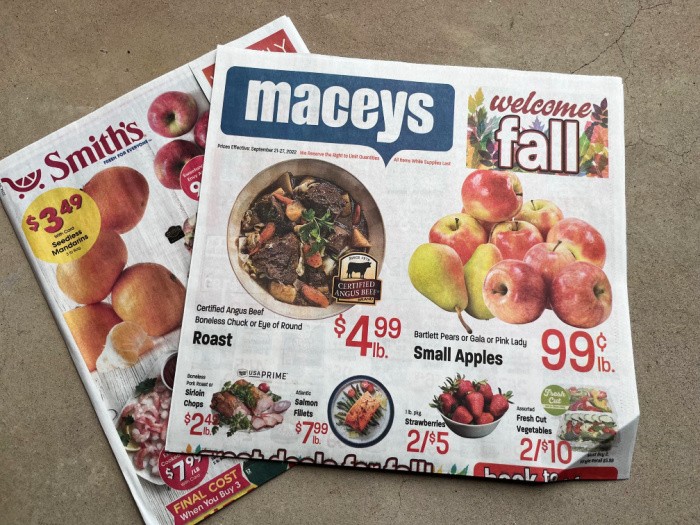
- Your Grocery Bill
This is my favorite category because it’s where so many families can save the most. Plan your meals around what you already have in your pantry and freezer. Make a list and stick to it. Buy in bulk when prices are good like fall case lot sales, and store food properly. Cook from scratch as often as you can, because convenience foods cost much more per serving. Shop the sales and use coupons when offered. Stock up on the things your family really eats. A well-stocked pantry protects you when prices go up.
- Takeout and Restaurant Meals
Eating out has become very expensive for families. I’m not saying you can never enjoy a meal out, but it helps to make it a planned treat instead of a habit. Keep a few easy meals ready for busy nights, like soup in the freezer or a casserole you can pull out and bake. Teaching your children to cook simple meals is a gift that lasts a lifetime and saves money right now.
- Meal Kit Delivery Services
Meal kits can be helpful when you’re learning to cook, but they usually cost much more than buying the same ingredients yourself. If you enjoy the recipes, save them and shop for the ingredients yourself. You’ll get the same dinner for less money.
- Coffee Shop Visits
A daily coffee shop drink can quietly add up to a big monthly expense. Brewing your coffee at home and carrying it in a good travel mug is one of the simplest changes you can make. If you love your fancy drinks, learn to make a version at home with a little milk, flavoring, and a whisk. Save the coffee shop for a special outing with a friend.
- Bank Fees
Look at your bank statements for monthly maintenance fees, overdraft charges, and ATM fees. Many banks and credit unions offer free checking accounts, especially if you set up direct deposit. Local credit unions often have lower fees and better customer service. There’s no reason to pay your bank to hold your money.
- Credit Card Interest
If you carry a balance on your credit cards, interest may be one of your most costly bills. Call your card company and ask for a lower interest rate. You might be surprised how often they say yes, especially if you’ve paid on time. Focus on paying off one card at a time, and try not to add new charges while you do. Getting out of debt gives your family so much more freedom.
- Loan Payments
Take a fresh look at your car loans, personal loans, and other debts. Sometimes refinancing at a lower rate can reduce your monthly payment, but be careful not to extend the term so long that you end up paying more in the end. If you’re able, putting even a little extra toward the principal each month helps you get out of debt sooner. Please talk with a trusted financial professional before making big decisions about your mortgage or major loans.
- Car Expenses Beyond Insurance
Owning a vehicle costs much more than the payment. Combine errands into one trip to save gas. Keep your tires properly inflated, and your car maintained so it runs efficiently. If your family has more vehicles than you really need, selling one could eliminate a payment, insurance, registration, and upkeep all at once. Carpooling with neighbors or friends for school and activities helps too.
- Children’s Activities
We all want the best for our children, and activities can be wonderful for them. But when every child is in several paid activities, the costs can add up quickly with fees, uniforms, gear, and travel. Consider having each child choose one activity they love most. Look into free programs through your library, church, or community center. Some of the best childhood memories come from simple things like backyard games, helping in the garden, and family nights at home.
- Lawn Care and Household Services
If you pay for lawn mowing, house cleaning, pest control, or other services, consider which ones your family could handle in their own. Doing chores as a family teaches responsibility and saves money. I understand there are seasons of life when help is truly needed, especially with health issues or a new baby. This is about looking honestly at what fits your current season.
- Pet Expenses
We love our pets, and they’re part of our families. You can still lower some of the costs. Compare prices on pet food and buy larger bags when they’re on sale. Learn to do basic grooming at home. Ask your vet about lower-cost vaccine clinics in your area. Keep your pets healthy with good food and exercise so you avoid bigger bills later.
- Online Shopping and Impulse Buys
Online shopping makes it so easy to spend a little here and a little there. Delete saved card information from shopping sites so you have to stop and think before you buy. Unsubscribe from store emails that tempt you with sales. Try a waiting rule: wait a few days before buying anything that isn’t a true need. Many times you’ll find you don’t want it after all.
- Warranty and Protection Plans
Extended warranties and protection plans are often sold at checkout, and some families end up paying monthly for coverage they never use. Review any recurring protection plans on your statements. For many household items, setting aside money in your own repair fund may serve you better. Read the fine print before you buy any new plan.
How to Get Started Without Feeling Overwhelmed
Please don’t try to tackle all 27 of these in one weekend. Start with the easiest wins. Cancel the subscriptions you don’t use. Make a few phone calls to your insurance, phone, and internet companies. Plan your meals for the week. Those three steps alone can make a real difference.
Next, sit down with your family and talk about why you’re doing this. Children understand more than we give them credit for. When they know the family is saving for an emergency fund, a family goal like a fun vacation, or simply peace of mind, they often become wonderful helpers. Make it a family project, and celebrate your progress together.
Write down every bill you cut or reduce and how much you save each month. Then put that money to work. Build your emergency fund first, then add to your food storage, pay down debt, or save for the next big expense. Money that isn’t given a job has a way of disappearing.
Why This Matters So Much Right Now
None of us can control the economy, grocery store prices, or what happens in the news. What we can control is how we manage the resources we’ve been given. When your monthly bills are lower, you have more breathing room if hours get cut, a job is lost, or an unexpected expense comes along. That breathing room brings peace, and peace is priceless.
I’ve learned over the years that being prepared is really about stewardship. It’s about taking good care of what we have so we can care for our families and help others when they’re in need. Cutting your monthly bills isn’t about living a life of deprivation. It’s about choosing what matters most and letting go of what doesn’t.
101 Ways To Save Money Every Day
Final Word
Friends, I know it can feel discouraging to watch prices climb while paychecks stay the same. Please don’t lose heart. Every bill you cut or lower is a step toward more security for your family, and those steps add up faster than you might think. You don’t have to do everything at once. Pick one or two bills this week, make the calls, cancel what you don’t need, and watch your savings begin to grow.
Remember that living on less doesn’t mean living a smaller life. Some of our happiest family memories came from simple meals at home, evenings playing games around the kitchen table, and working side by side in the garden. When we stop spending money on things that don’t really matter, we make room for the things that do.
Keep building your emergency fund, keep stocking your pantry, and keep teaching your children how to be wise with money. These habits will serve your family well no matter what the future holds. We can’t control the economy, but we can control our choices and face whatever comes with faith rather than fear. Thank you for being here and for caring enough about your family to prepare. I’m cheering you on every step of the way. May God bless this world, Linda
Copyright Images: time-cut-costs-text-written-Depositphotos_911854800_S, cut-business-cost-energy-bill-Depositphotos_507384940_S