100 Items For Your 72-Hour Kits
This post may contain affiliate links. We may earn a commission if you purchase via our links. See the disclosure page for more info.

Here’s a comprehensive, organized list of 100 Items For Your 72-Hour Kits — everything you might need to survive and stay comfortable for at least three days in an emergency.
A 72-hour kit (also called a go-bag or bug-out bag) should sustain you for three days during an evacuation, disaster, or emergency. Each family member, even pets, should have their own kit for survival, comfort, hygiene, and peace of mind.
100 Items For Your 72-Hour Kits
My favorite items to put in my bags are on this limited list, but you will get the drift.
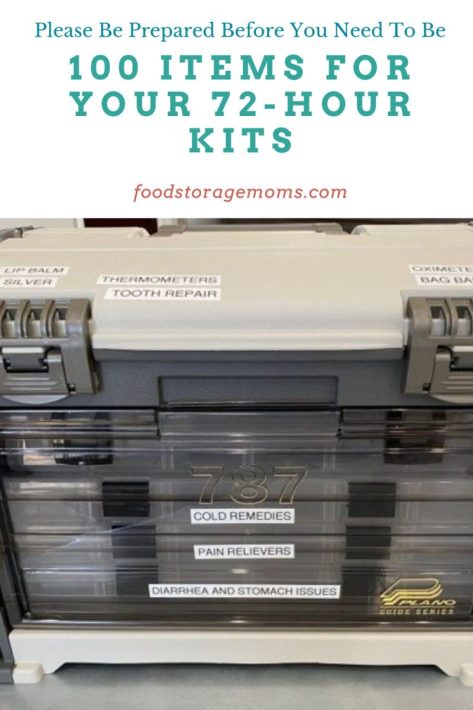
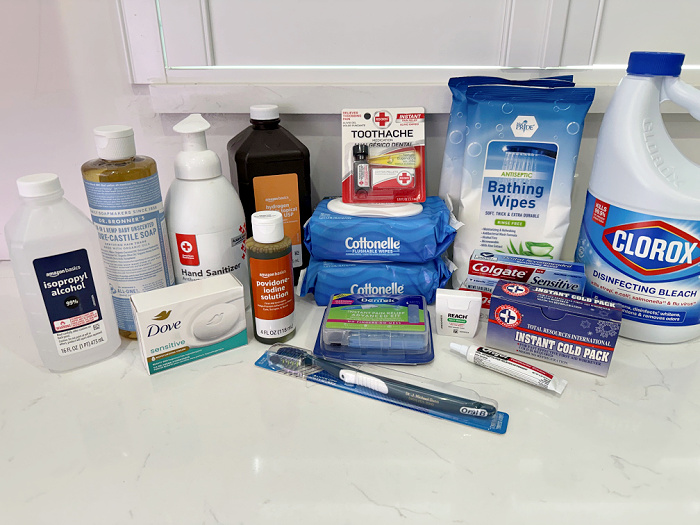
First Aid Kits (these fit in your bags)
100 Items For Your 72-Hour Kits
Food & Water
The priority in any emergency is hydration and nourishment. Your body needs a steady supply of energy to stay alert and decisive.
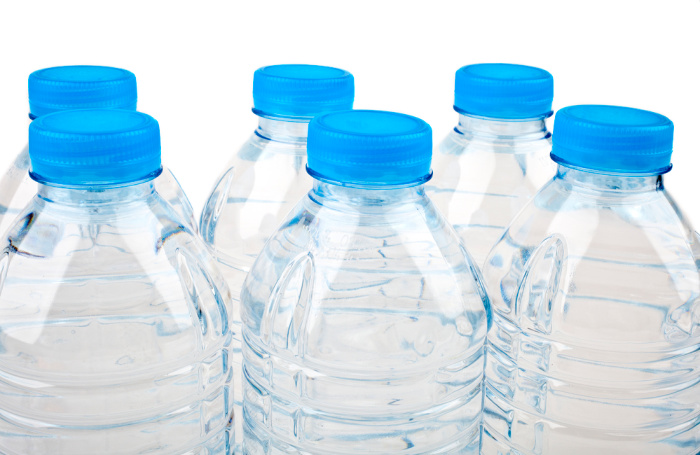
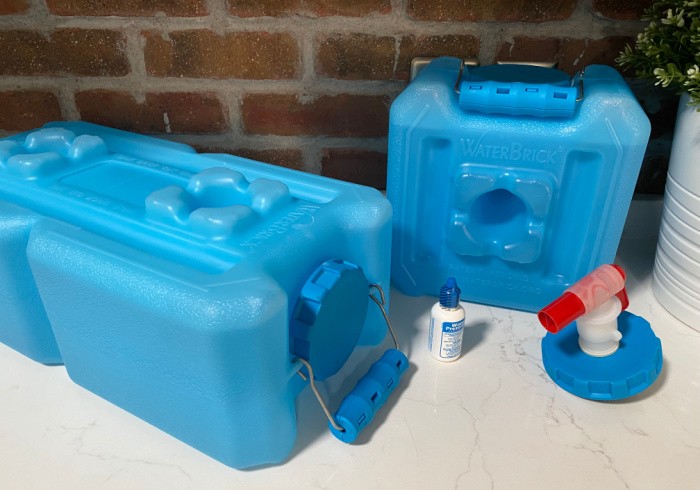
- Bottled water (1 gallon per person per day). Please note: I prefer 4 gallons per person per day.
- Water purification tablets
- Portable water filter (LifeStraw or Sawyer Mini)
- Collapsible water container
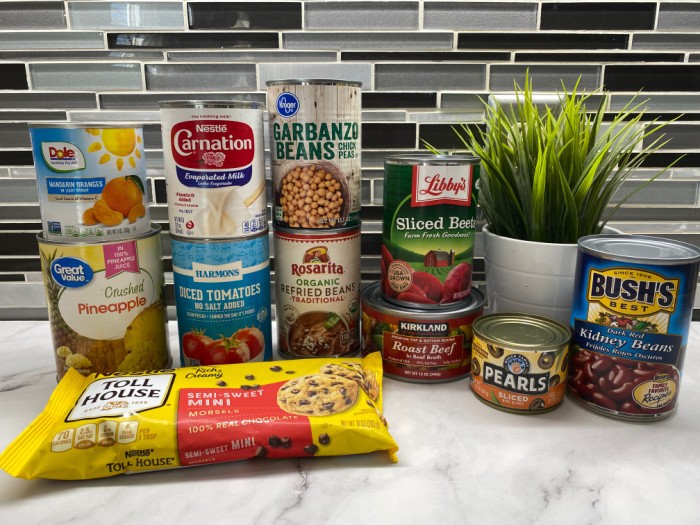
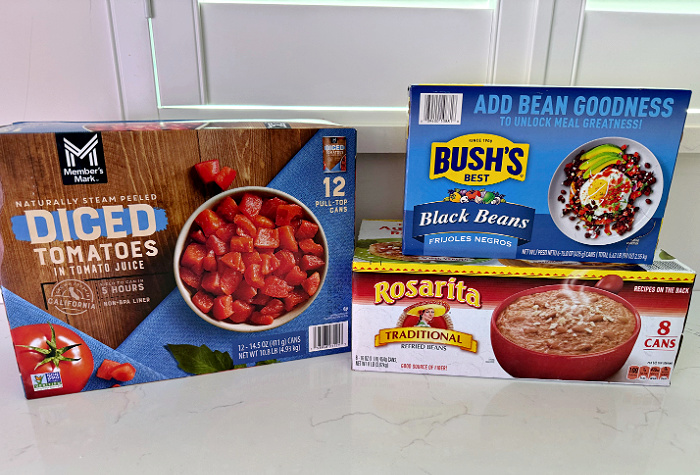
- Canned meals (stews, soups, chili)
- Canned fruit or vegetables
- Ready-to-eat meals (MREs)
- Energy or protein bars
- Trail mix or nuts
- Instant oatmeal packets
- Peanut butter
- Crackers
- Powdered milk
- Instant coffee or tea
- Hard candy or gum
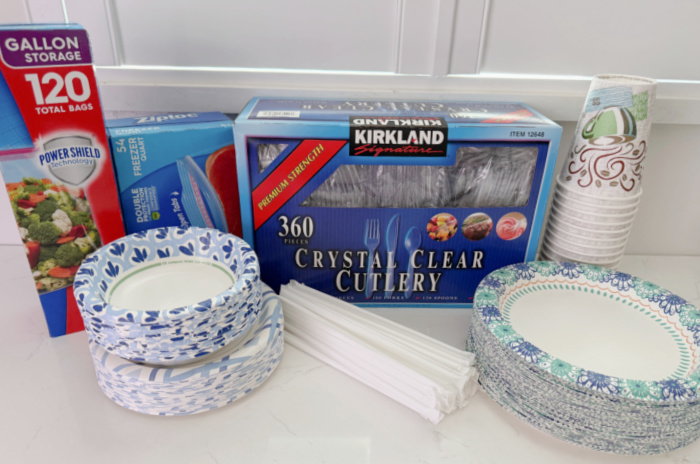
- Disposable utensils
- Can opener (manual)
- Small cooking pot or pan
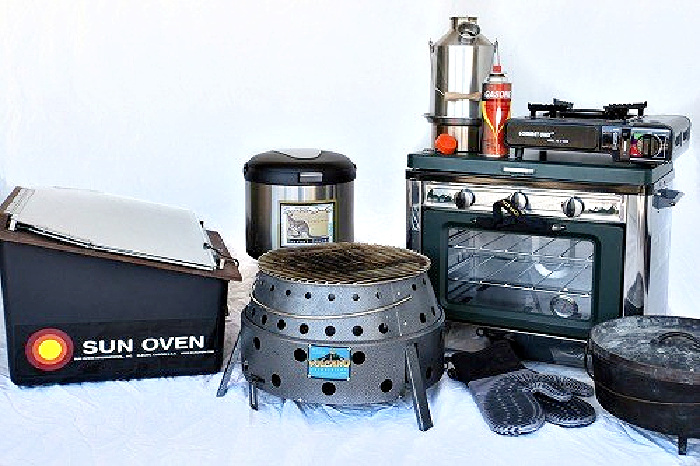
- Camping stove or solid fuel stove, Kelley Kettle
- Fuel canisters (propane, butane, or tabs) Butane Stove, and Canisters
First Aid & Health
A well-stocked first aid kit can prevent infections and save lives during a crisis.
- Adhesive bandages (various sizes)
- Sterile gauze pads
- Medical tape
- Antiseptic wipes
- Antibiotic ointment
- Tweezers
- Scissors
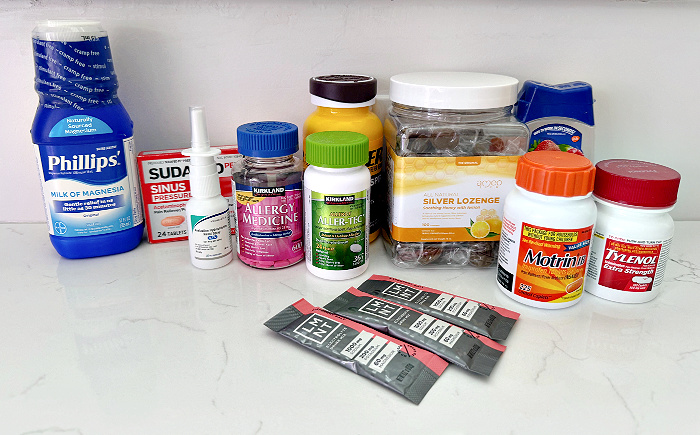
- Pain relievers (ibuprofen, acetaminophen)
- Antihistamines (for allergies)
- Burn cream or gel
- Instant cold packs
- Elastic bandage wrap
- Nitrile gloves
- Thermometer
- Prescription medications (3-day supply minimum)
- Eye drops
- Lip balm
- Face masks (N95 if possible)
- Hand sanitizer
- Small first-aid manual
Clothing & Warmth
Your clothing choices can mean the difference between comfort and danger in extreme conditions.
- Extra set of clothes (season-appropriate)
- Warm jacket or coat
- Rain poncho
- Sturdy shoes or boots
- Extra socks (at least two pairs)
- Hat and gloves
- Bandana or scarf
- Mylar emergency blanket
- Sleeping bag
- Compact sleeping pad
Tools & Gear
These items help with shelter building, signaling, and safety.
- Multi-tool or Swiss Army knife
- Duct tape
- Rope or paracord (at least 25 feet)
- Flashlight (LED preferred)
- Extra batteries
- Solar or hand-crank lantern
- Whistle
- Compass
- Waterproof matches
- Lighter
- Firestarter (cotton balls & petroleum jelly)
- Small shovel or trowel
- Pocket saw or folding knife
- Zip ties
- Glow sticks
- Super glue
- Safety pins
- Small sewing kit
- Trash bags (heavy-duty)
- Carabiners or clips
Hygiene & Sanitation
Cleanliness helps maintain morale and prevents disease, especially in group or shelter settings.
- Toothbrush & toothpaste
- Biodegradable soap
- Wet wipes
- Towel or washcloth
- Deodorant
- Comb or brush
- Razor & shaving cream
- Toilet paper
- Feminine hygiene products
- Small mirror
- Plastic bags (for waste)
- Portable toilet or disposable bags
- Hand sanitizer (extra bottle)
- Laundry soap sheets or powder
- Nail clippers
Communication & Documentation
Stay informed and connected when networks are down.
- Battery-powered or hand-crank radio
- Cell phone charger (solar or crank type)
- Extra power bank
- List of emergency contacts
- Copies of ID, insurance, and medical info (in waterproof pouch)
- Cash (small bills)
- Local maps
- Notebook and pen/pencil
- Sharpie marker
- Small Bible or inspirational book
Comfort & Extras
A few comfort items go a long way in reducing stress during emergencies.
- Deck of cards or small game
- Small book or puzzle
- Earplugs
- Lightweight tent or tarp
- Pet food and supplies (if applicable)
When Would You Need To Use Your 72-Hour Kit
1. Natural Disasters
Your 72-hour kit is essential if you need to evacuate quickly or shelter in place during:
- Earthquakes: Power, water, and roads may be unavailable for days.
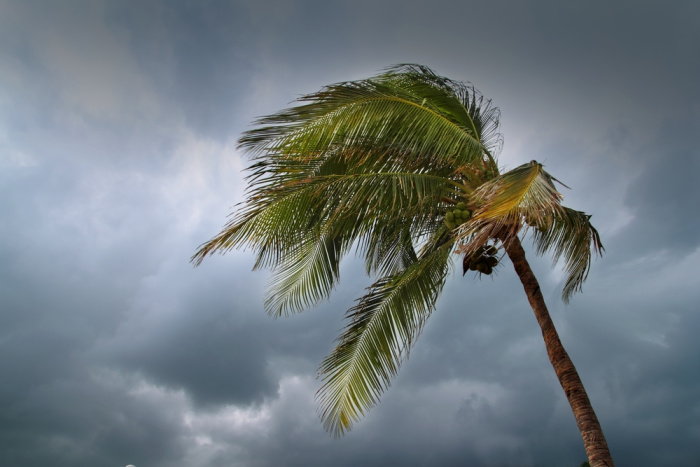
- Hurricanes or tornadoes: You may need to leave your home suddenly or stay in a shelter.
- Flooding or wildfires: Often requires immediate evacuation with little warning.
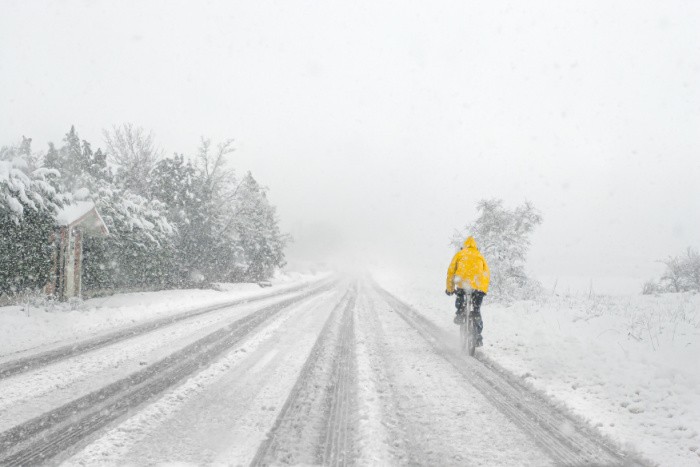
- Severe winter storms: Roads may close and power outages can last for days.
2. Power Outages or Utility Failures
If electricity, water, or gas service is interrupted for more than a few hours:
- Your kit provides flashlights, batteries, food, water, and warmth.
- It helps you stay comfortable and safe without needing to leave your home.
3. Evacuation Orders
Authorities may tell you to leave your area due to:
- Chemical spills or industrial accidents
- Train derailments
- Civil unrest or safety threats
Having your kit packed lets you leave within minutes with everything essential — ID, cash, meds, and food.
4. Stranded While Traveling
If you’re stuck in your car during a snowstorm or a highway closure:
- A small 72-hour kit (kept in your trunk) provides blankets, food, and light until help arrives.
5. Family or Medical Emergencies
In case you must leave home suddenly, for example, to stay with relatives or go to a hospital, your 72-hour kit ensures you have:
- Prescriptions, hygiene supplies, clothes, phone chargers, and personal items are ready to go.
6. Shelter-In-Place Scenarios
Sometimes, it’s safer to stay inside your home rather than evacuate, like after a chemical release or during a widespread power outage.
Your 72-hour kit helps you sustain yourself for three days without leaving your home.
FAQs About 72-Hour Kits
1. What is a 72-hour kit?
A 72-hour kit (or go-bag) is a portable emergency kit designed to sustain you for three days with essential food, water, medical supplies, and survival essentials.
2. Why 72 hours?
Most disaster-response organizations aim to reach victims within 72 hours, so you need enough supplies to stay self-sufficient until help arrives.
3. How often should I update my kit?
Check and replace expired food, water, and medications every 6 months. Update clothing and gear for the season.
4. Should each family member have their own kit?
Yes, tailor each kit for age, size, and medical needs. Even pets should have a mini 72-hour kit.
5. Where should I store my 72-hour kits?
Please keep them in an easily accessible place near your front door, car trunk, or emergency shelter area.
1. Emergency Shelters (Run by Red Cross, FEMA, or Local Agencies)
After most disasters, emergency shelters are among the first to open.
They’re usually located in:
- Schools
- Community centers
- Churches
- Convention centers
- Sports arenas
Tip:
Listen to local radio or emergency alerts for official shelter locations.
Never assume your local school or church will open automatically — some may be damaged or inaccessible.
2. Hospitals and Medical Centers
If you or a family member is injured, go to the nearest hospital, urgent care, or first-aid station set up by local responders.
During large-scale disasters, temporary medical tents or mobile units may be placed in:
- High school parking lots
- Fairgrounds
- Sports complexes
Bring your ID, insurance info, and medications from your 72-hour kit, if possible.
3. Police or Fire Stations
These serve as command centers during emergencies.
You can go there if you:
- Need safety from danger or crime
- Are lost or separated from your family
- Need to report missing persons or property damage
Note: They may not offer shelter, but they can direct you to available resources.
4. Designated Evacuation Centers
Counties often have pre-approved evacuation buildings that are built to withstand local hazards (like earthquakes or hurricanes).
Examples include:
- City recreation centers
- Municipal buildings
- Armories
You can find your nearest evacuation centers by checking your:
5. Faith-Based or Nonprofit Shelters
Many churches, mosques, temples, and community organizations open their doors during disasters — especially if government shelters are full.
Groups like:
- The Salvation Army
- Catholic Charities
- Local community coalitions
These often provide food, water, and temporary lodging.
6. Hotels or Motels (If Safe and Affordable)
If you can afford it and travel is safe, a hotel can offer privacy and comfort while infrastructure is restored.
Always check:
- Power availability
- Clean water access
- Safety of the surrounding area
7. Family, Friends, or Out-of-Area Contacts
If possible, it’s best to evacuate to someone you trust who lives outside the disaster zone.
This is where your family emergency communication plan comes in.
Make sure every family member knows:
- The address and phone number of your out-of-area contact
- How to send updates via text (texts often work when calls fail)
8. Last Resort: Open Areas or Temporary Camps
If all else fails and buildings are unsafe, go to:
- Open parks
- School fields
- Large parking lots
These areas are often used for:
- Helicopter landings
- Temporary aid stations
- Supply drop zones
Stay until authorities establish an official shelter.
72-Hour Bags Needed For Survival
PRINTABLE: 100 Items For Your 72 Hour Kit
100_Items_For_Your_72_Hour_Kits_ChecklistFinal Word
After a disaster:
Stay calm and check for immediate danger (gas leaks, fires, unstable structures).
Listen to official instructions via radio or phone alerts.
Go to a designated safe building, don’t wait until nightfall.
Bring your 72-hour kit with you wherever you go. Your 72-hour kit is your lifeline when disaster strikes, whether you’re sheltering in place or evacuating. Review and rotate supplies every 6 months to ensure everything stays fresh and functional. Customize kits for each family member’s age, health, and personal needs. May God bless this world, Linda



I can’t fit all that stuff into our emergency backpacks.
Hi Chave, no one can fit all of it one back pack. The idea is to pick and choose what YOU think is the most important items to take with you IF you had to evacuate. My husband has certain things (I typed the contents on 9 by 13 inch card stock) We each have different things. Some people need a list to help them get started, thats what the list is, YOU decide what is important for each member of your families bags. Linda
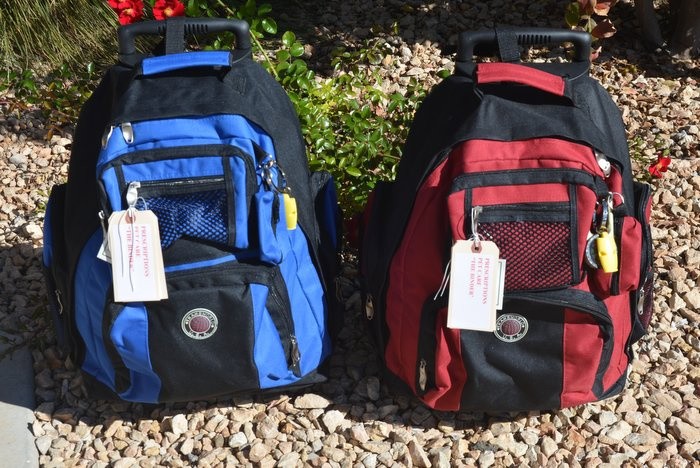
I’m sorry, Linda, but I actually laughed when I saw the photo of those backpacks and then saw your list. We used to backpack for 5-10 day trips. Carrying everything we would need except a small water jug. We had life straw devices and streams. We were young and in SHAPE. Our backpacks were twice that size.
As you know, I’ve lived off the grid AND been in numerous (25+) shtf type situations. When we came back from a 3 month camping trip in Canada for Hurricane Irma in 2017 (yes we were going home as everyone was leaving), I-75 was backed up north bound to the point that NOBODY was moving at all. From S Florida to nearly the Fl/Ga border. 500+ miles. Full stop. No exits, no fuel, no food. Accidents all over the place with no way for emergency services to get there in less than hours if ever because there we so many. Remember BOTH of us were emergency services in Miami. I was police. He was Fire/paramedic.
According to statistics 76% of ALL Americans are fat, out of shape, and have chronic illnesses. They can barely walk from their vehicle to the store. Been to a doctor’s office lately? Looks like God’s waiting room.
I’m sorry to be so harsh, but reality doesn’t care about “nice.” Had that storm come in when it was forecasted on I-75 with Irma, TENS of thousands of people would have been stuck and likely injured or made dead.
Telling people to not panic is like screaming into the wind. People do panic and will. It’s not a controllable emotion for most. I’ve never panicked nor been afraid, but I’m not the norm. I’m also a small female. In SHTF the mission takes priority. AFTER it is over, we all did our OH S-its. AFTER.
I tell people here that you are either going to LEAVE for a storm (DAYS in advance) or you are going to stay. And you need a place to go. Hotels will sell to a higher bidder who gets there before you. There is no wait and see. By the time you wait and see, you will be made dead with all the other sheep. And, I tell them it isn’t whether it is a 1-2-3+ storm. Ian went from 3 to 5 overnight while we slept. Yes, it was a 5. We had sustained winds from 185 to 206 outside our house. 16′ Storm surge. Most vehicles in our neighborhood were underwater. DRT deat right there. We have stilt homes.
“They” don’t declare a 5 until it is too late to file an insurance claim. The rules are different for “5” than “4”
In Andrew, 1992, the only storm in the country and limited to S Dade county, it was 2 full weeks before we saw help. I was a supervisor in THE police command post. In Ian, 3 years ago, we only got help because a local contractor took over and kicked the Feds out. They wanted us all to abandon our homes, some not damaged at all, so thieves could come in. Instead, because we knew we had no help, all who could patrolled with rifles and hand guns. Our laws allow us to shoot/kill looters or people who put us in fear for our lives. Did that happen? Maybe? Likely? I don’t know and don’t want to. We did not have a problem with them
Your list is nice, but the reality is vastly different.
THE best thing is for people to prepare and stay home. God help those in cities.
Read “One Second after” and “Lights Out.” THAT’s the reality. WHERE is it people are going to go for a big one?
The list is good, but it is not a bug out list. 72 hours is a dream time. Go for a few months, minimum. WE are not over IAN- 3 years. S. Dade took 10 years to recover from Andrew. And those are just hurricanes where the infrastructure remained in tact.
I don’t know the answer for most. I know the answer for us. Running away with a million others running with you is not a good plan.
Prepare for the worst and hope for the best.
Hi CAddison, I got the giggles over your statement, “Been to a doctor’s office lately? Looks like God’s waiting room”. Funny but not funny. You are so right. This list is for whatever each family wants or needs. I have a print out of what’s in Mark’s bag and what’s in my bag. No duplicate. Well, tooth brushes, buts thats it. No one could fill a back pack with all of these items, but so many people need a list they can pick and choose from, that’s this list. “Lights Out” is my very favorite book. It’s reality with stats wot back the truth. You know how to survive anything, because you have. I love your comment, Linda
You are right CAddison, I am fat and terribly out of shape. I also need two new knees, but I can’t have surgery because I am overweight and my body can’t handle pain medication. I can’t even get the weight loss drugs.
My husband had his first heart attack (the widow maker) at 34, bypass surgery, diabetes (he’s always been thin) and a brain anyersm. We do our best to take care of each other without imposing on our kids, but evacuating would be next to impossible. Our kids are first responders, so they would be busy with everyone else
Hi Chris, you have been through a lot with your health and your husbands health. I understand the first responders they will be on demand after a disaster. Linda
Thank you.
Hi CAddison, you are awesome! Linda
Unfortunately because of our medical issues neither my husband or I could evacuate unless our home is on fire. We have done everything we can to stay safe. Our home is designed for aging.
HI Chris, I’m glad you brought this up, you home is designed for aging. Ours is a well, I like that term. We will leave if there is a fire or an earthquake but that’s all. Linda
Please everyone pay attention to threats of rioting and theft on November 1st. from those who may not get their food stamps. The failure to appreciate that food stamps are to supplement their food budget not replace it. Not to mention those who are able bodies that refuse to work even 20 hours a week. Please stay safe and warm.
Hi Chris, I totally agree with you. I’m glad you brought this up, I’ve been worried about the very same thing. Hopefully, this is a wake up call for all involved. Nothing is free, food stamps are meant to be a temporary fix for those in need. I heard food banks are empty now. I pray those in need will be able to get work and buy food for their families. Linda