
If We Have a War: What Skills Will Homemakers Need?
This post may contain affiliate links. We may earn a commission if you purchase via our links. See the disclosure page for more info.

If we have a war: What Skills Will Homemakers Need? In an era of global uncertainty, more families are asking a question that once seemed reserved for history books: what happens to everyday life if war comes home? Whether it’s a large-scale conflict, supply chain collapse, or a prolonged national emergency, homemakers sit at the center of family survival.
The skills that once defined self-sufficient households, and that modernity allowed us to forget, may become essential again. This post explores the practical skills every homemaker should consider developing now, before they’re needed.
Why Homemakers Are the Backbone of Wartime Resilience
Throughout history, wartime survival at home has depended less on soldiers and more on the people managing homes. During World War II, homemakers rationed food, grew victory gardens, preserved harvests, and kept families functioning under extreme scarcity. That knowledge didn’t disappear because it was unnecessary; it disappeared because it was convenient to outsource it.
Today, the average household relies on grocery stores, utility companies, and online shopping for nearly everything. A serious conflict that disrupts supply chains, utilities, or transportation infrastructure would expose just how thin that margin of self-sufficiency really is.
Developing these skills now isn’t about fear; it’s about capability.
Food Production and Preservation Skills
Growing Your Own Food
One of the most critical wartime homemaking skills is the ability to produce calories on your own land or in your own space. Even a small backyard garden can significantly supplement a family’s diet. Homemakers should learn:
- How to grow high-calorie, high-nutrition staples like potatoes, beans, squash, and leafy greens
- Companion planting and natural pest control to reduce dependence on store-bought supplies
- Seed saving, so that gardens can be replanted year after year without purchasing new seeds
- Container and small-space gardening for those without large yards
Food Preservation and Storage
Fresh food doesn’t last, and during wartime, access to grocery stores can become unpredictable or impossible. Knowing how to extend the life of food is a foundational skill. This includes water bath canning and pressure canning for fruits, vegetables, and meats, as well as dehydrating and freeze-drying produce for long-term storage. Fermenting foods like sauerkraut, kimchi, and pickles not only preserves them but also adds probiotic nutrition. Homemakers should also understand root cellaring, how to store root vegetables, apples, and other produce in cool, dark, humid conditions without any electricity.
Cooking From Scratch Without Modern Conveniences
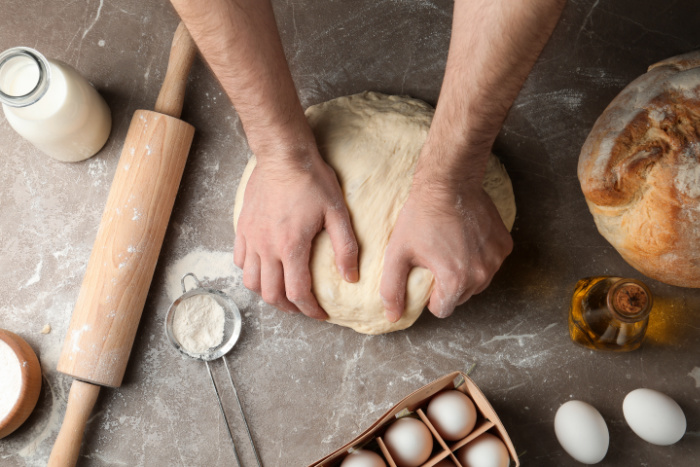
Knowing how to cook without a fully stocked grocery store, a microwave, or even a conventional oven is more valuable than it sounds. Skills like baking bread from basic ingredients, cooking over an open fire or wood stove, and stretching small amounts of protein and fat into nutritious meals are all worth developing.
Water, Sanitation, and Health Skills
Water Sourcing and Purification
Municipal water systems can fail during conflict or an infrastructure attack. Homemakers who understand how to collect rainwater, locate natural water sources, and purify water through boiling, filtration, or chemical treatment can protect their families from waterborne illness, one of the leading causes of death in wartime civilian populations.
Basic Medical and First Aid Knowledge
During wartime, hospitals become overwhelmed and medical supplies run short. Homemakers with solid first aid skills become critical caregivers within their households and communities. Areas to study include:
- Wound cleaning, closure, and infection prevention
- Managing fever and illness without prescription medications
- Recognizing signs of dehydration, malnutrition, and shock
- Safe childbirth basics and postpartum care
- Understanding herbal and natural remedies as supplements when pharmaceuticals are unavailable
Hygiene Without Modern Infrastructure
Sanitation breakdown is one of the fastest routes to a disease outbreak. Understanding how to manage human waste safely, make soap from rendered fat and lye, and maintain basic hygiene without running water can prevent the spread of illness in a household or community.
Textile and Clothing Skills
Sewing, Mending, and Repurposing
Fast fashion assumes an endless supply chain. In wartime, clothing must last, be repaired, and be repurposed rather than replaced. Homemakers who can sew by hand or machine are invaluable. Skills that matter most include darning socks, patching worn fabric, altering clothing as children grow, and constructing simple garments from basic patterns. Knowing how to repurpose worn-out clothing into rags, quilts, or other household items also reduces waste.
Knitting, Crocheting, and Weaving
Hand-producing warm clothing, blankets, and socks becomes important when the retail supply is interrupted. These skills are also mentally grounding; a meaningful occupation during long periods of uncertainty and stress.
Home Management and Resource Skills
Budgeting and Bartering
Wartime economies can destabilize currency, cause inflation, or shift communities toward barter systems. Homemakers who understand how to track resources, prioritize spending, and negotiate in trade are better positioned to keep families stable. In a barter economy, items like seeds, preserved food, alcohol, medicine, and fuel can be as important as money.
Energy Conservation and Alternative Heating
Fuel becomes scarce and expensive during extended conflict. Understanding how to insulate a home effectively, use a wood stove safely, manage a kerosene heater, and reduce energy consumption throughout the household can mean the difference between comfort and hardship.
Home Security and Situational Awareness
Protecting the household becomes a more active concern in unstable times. This doesn’t necessarily mean weapons; it means understanding how to assess risk, fortify entry points, build relationships with neighbors for mutual aid, and decide when to shelter in place versus when to relocate.
Community and Communication Skills
Building a Mutual Aid Network
No household can survive in complete isolation during a prolonged crisis. Homemakers who have invested in community relationships before a crisis occurs, knowing their neighbors, sharing skills, participating in local resilience groups, are far better prepared than those who rely entirely on independence. Wartime history repeatedly shows that communities that cooperate survive at much higher rates than those that don’t.
Communication Without the Internet
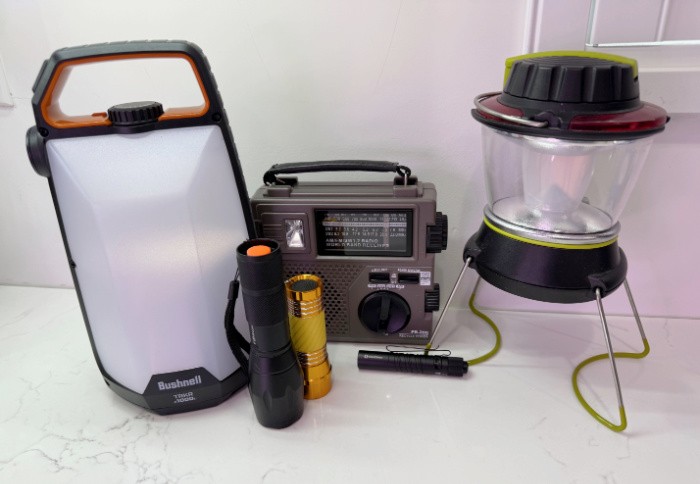
Knowing how to communicate when digital infrastructure is disrupted matters more than most people realize. Learning to use a ham radio, establishing code words or meeting points with family members, and keeping physical maps and contact lists are practical steps any homemaker can take.
Teaching and Passing Skills to Children
Children who understand how to contribute to household survival grow into resilient adults. Teaching children to garden, cook, sew, and manage basic emergencies gives them agency in crisis situations and reduces the overall burden on primary caregivers.
Mental and Emotional Resilience
Managing Stress and Maintaining Routine
Psychological stability during wartime depends heavily on structure. Homemakers play a central role in maintaining household routines that signal normalcy to children and other family members, consistent with mealtimes, bedtimes, shared tasks, and moments of rest or creativity. Understanding basic stress management, recognizing trauma responses, and knowing how to support grieving family members are skills that are often undervalued but profoundly important.
Staying Informed Without Succumbing to Panic
Knowing how to filter credible information from rumor, keep updated on developing situations, and make calm, rational decisions under pressure is a skill in itself. Homemakers who can stay levelheaded and think clearly in crisis become anchors for everyone around them.
How to Start Building These Skills Now
The best time to develop these skills is before they are needed. A few practical starting points:
Start one garden bed this season, even if it’s just a container of tomatoes and herbs. Take a basic first aid or wilderness medicine course. Learn one food preservation method, canning or dehydrating, and work through several batches before you need to rely on it. Practice cooking from a fully stocked pantry rather than a fully stocked grocery store. Connect with neighbors and talk openly about preparedness.
None of these steps requires assuming the worst. They simply expand what you are capable of, and that capability has value in everyday life, not only in crisis.
How To Build A Food Storage Supply You’ll Use
25 Things Our Kids Must Know Before Moving Out
Final Word
Homemaking has always been survival work. In periods of stability, that fact becomes easy to forget. In periods of uncertainty, it becomes impossible to ignore. The homemakers who kept families alive through the hardest chapters of the twentieth century did so with skills, community, and creativity that we can still learn and practice today.
Building these capabilities isn’t pessimistic. It’s one of the most practical and empowering things a person can do for their family and for the people around them. May God bless this world, Linda
Copyright Images: Making Bread Dough AdobeStock_274131752 By New Africa, Homemade Bread AdobeStock_418087349 By anaumenko









Whether war or not, these skills are good to know. Being as self-reliant as possible brings calm to our homes.
Hi Paula, you are so right, we all need these skills! It will help all families get prepared, hopefully. Linda
Linda, you know what to post when we need it! Thank you for caring.
I have a small tabletop loom, and love to weave! I need to get it set up and weave some again. I’m thinking of a bath mat in blue and green. My main bath is painted light blue, but I have hand painted pictures of frogs on the wall. Painted by SIL, and a cross stitch pitcher of a frog in a pink tutu.
Plus I know how to do most of the things mentioned. Yay for me!
Hi Deborah, oh, a loom would be a great thing to have, I love it! I love colorful things! Linda
Hi Linda, I am going to focus on my bugout plan today, as we live in a forest that is dying of drought and are experiencing high winds. We are in big trouble if it downs a power line, sparking a fire. Thanks to you, I am not worried but will just execute the plan.
Hi Roxanne, thank you for the kind words. It feels great to know what to do in case those power lines fall. These droughts are scary, stay safe, my sweet friend. Linda
I saw today’s topic but hadn’t read it yet when we went for a ride in the country. I thought about World War ll and what people did to help not just themselves but their neighbors. Gas prices here are already up 80 cents plus. Junk cars that have been sitting for 10 years or more could bring the owners gas money or more after stripped and scraped. I saw branches down from winter storms that gathered could feed a wood burning stove or backyard firepit. Clear out your attic and basement and garage and have a really great garage sale. Put the profits into your prepping supplies while we get ready for whatever comes our way.
Hi Chris, this is the best comment ever! We must all get rid of things we do not need, clear the brush around our homes, cut branches if you have a chainsaw or someone who can help you. Get rid of junk cars, sell the parts to a junk yard that can resell them. Have a garage sale, whatever you don’t need is actually costing you money every single month by storing it. Some might argue, it’s not hurting anything. I would say, yes it is, sell what you do not need NOW, get stuff you will NEED! I’m trying to teach people to bake bread without a machine almost every single day. It’s my no-knead bread recipe. Today, I showed someone how to make whole wheat no-knead bread. I will get off my soap box, LOL! Linda
Being prepared and skilled is the relief from anxiety for me. Well, that and my faith!
I’m going to be just a bit challenged if I need to start using my antique Singer treadle machine. At least I have one in excellent working order. I just need to practice!
Hi Leanne, oh that is a gem. My daughter has my treadle machine. Get it serviced so it works, they need to be cleaned and oiled at least yearly. You will be able to sew, it’s like riding a bike, it all comes back and you will sew like a seamstress! That’s a treasure. Linda
Linda –
My machine is a full cabinet treadle manufactured in Kilbournie Scotland in 1923!! I had never seen a full cabinet treadle machine prior to having this one gifted to me! I had it serviced just after receiving it and the guy said it appeared to have had very little use! I have 2 replacement belts for it. It came with the original manual, oil can and a few other parts that I haven’t explored the use of!!
While I am sure it will all come back to me when I use it, I will NEVER be a seamstress!! I have the ability to sew clothing and make things for my granddaughters but not for me! I am way too hard to fit! I took a class on how to adjust patterns but never made a single thing that fit right! So, no, not a seamstress! My daughter sews clothing for her girls and herself, but she is much easier to fit (aka a body that is in proportion!)
Hi Leanne, awesome, it was serviced, it will only need to be oiled from not being used. SQUEAL! That is so awesome, what a blessing! If we have a sewing machine to mend clothes, that’s all we need. Of course, we can refurbish or recycle. Love this! Linda
Last year I canned more than I ever have. It is nice to have food with taste.
Hi Janet, you were smart and always have been. I’m stocking up more than ever. Life is different. Linda