
Is Multigenerational Living A Good Idea?
This post may contain affiliate links. We may earn a commission if you purchase via our links. See the disclosure page for more info.

In recent years, multigenerational living—multiple generations of a family living under one roof has become more common. Rising housing costs, childcare needs, and a desire for stronger family bonds are bringing families back together. But is it truly a good idea? Let’s look at the pros, cons, and considerations before making the move.
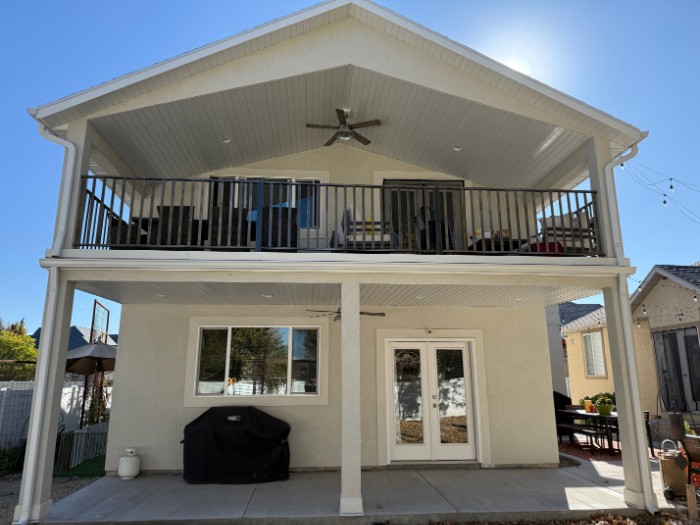
You can buy a lot of acreage and build several homes together, or build an ADU behind an existing home. An ADU is an Accessory Dwelling Unit. We built an ADU in our daughter’s backyard. It measures 1,000 square feet per floor. We have the main floor.
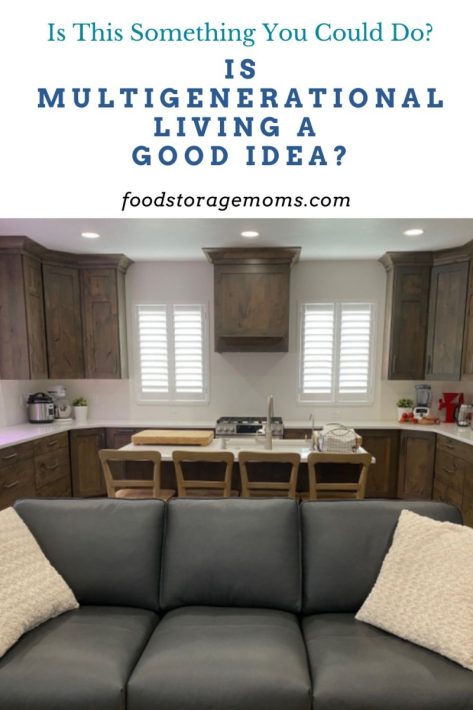
The picture below shows my combined kitchen and living room. We don’t have room for a kitchen table, but our home is a size that we seldom have guests over for dinner.
The Benefits of Multigenerational Living
1. Shared Expenses
Living together can ease financial burdens. Families can split mortgage payments, utilities, groceries, and other household costs, saving everyone money.
2. Built-in Support System
From grandparents helping with childcare to adult children caring for aging parents, having multiple generations together creates a support network that benefits everyone.
3. Stronger Family Bonds
Shared daily life fosters connection and understanding across generations. Grandchildren get to know their grandparents more deeply, and traditions are more easily passed down.
4. Emotional Well-being
Companionship and a sense of belonging can reduce feelings of loneliness, especially among older adults.
The Challenges to Consider
1. Lack of Privacy
More people mean less personal space. Everyone needs boundaries and designated quiet areas to maintain harmony.
2. Conflicting Lifestyles
Different routines, parenting styles, or generational values can cause tension if not discussed openly.
3. Unequal Contributions
If some family members contribute more financially or otherwise, resentment can build over time. Clear agreements help avoid this.
4. Space Limitations
Not every home is designed for multiple generations. Renovations or additions may be needed to improve accessibility and comfort.
Tips for Making It Work
- Communicate openly before moving in together. Discuss finances, chores, privacy, and expectations.
- Create separate zones in the home for each family unit.
- Set boundaries early to maintain respect and independence.
- Plan for the future, especially regarding health care and long-term living arrangements.
Pros and Cons of Multigenerational Living
Pros
1. Financial Savings
Sharing a home means splitting costs, mortgage, utilities, groceries, and maintenance, making life more affordable for everyone.
2. Built-in Childcare and Elder Care
Grandparents can help care for young children, while adult children can support aging parents. This reduces outside care costs and keeps loved ones close.
3. Stronger Family Bonds
Daily interaction fosters deeper relationships across generations and helps preserve family traditions and values.
4. Emotional Support
Living together can reduce loneliness and increase feelings of belonging and security.
5. Efficient Use of Space
Instead of multiple homes, one well-planned household can meet everyone’s needs, often allowing for upgrades or larger shared spaces.
Cons
1. Limited Privacy
It can be difficult for each person or couple to have their own space, especially in smaller homes.
2. Generational Conflicts
Differences in parenting styles, routines, and opinions can lead to tension or misunderstandings.
3. Unequal Responsibilities
If financial or household duties aren’t clearly divided, resentment can grow.
4. Overcrowding
Too many people in one home can cause stress and reduce comfort, especially if there aren’t enough bedrooms or bathrooms.
5. Harder Transitions
When someone’s needs change, for example, a parent over 70 needing more care, it may require emotional and logistical adjustments for everyone.
Legal Contracts for Multigenerational Living
When multiple generations live under one roof, it’s essential to treat the arrangement like a partnership, transparent, fair, and legally protected. A well-drafted agreement helps prevent misunderstandings and protects everyone’s rights.
Why You Need a Legal Agreement
Even among family members, verbal promises can easily be forgotten or misinterpreted. A written contract helps:
- Define ownership and financial contributions
- Clarify living arrangements and household responsibilities
- Outline exit plans if someone needs to move out or sell their share
- Prevent potential disputes later
Key Legal Documents to Consider
1. Co-Ownership Agreement
If more than one person’s name is on the title, a co-ownership agreement should outline:
- Ownership percentages
- Who pays for what (mortgage, insurance, repairs, taxes)
- How decisions are made (renovations, refinancing, selling)
- What happens if one person wants to move or sell
2. Rental or Occupancy Agreement
If one generation owns the home and others are living there, this agreement defines:
- Monthly rent or contribution
- Duration of stay
- Maintenance or shared utility costs
- Rules for privacy, guests, and shared spaces
3. Estate Planning Documents
It’s vital to plan for the future:
- Update wills to reflect property interests or inheritance intentions
- Create a power of attorney and a healthcare directive for older family members
- Consider a family trust to simplify property transfer
4. Remodeling or Accessibility Agreement
If modifications are made (adding an in-law suite or separate entrance), clarify:
- Who pays for the upgrades
- Ownership of any new additions
- How those changes affect property value
Tips for Success
- Hire a real estate attorney or family law attorney experienced in co-living arrangements.
- Put everything in writing — even small details like utilities or chores.
- Revisit agreements annually as family needs change.
- How to Hire a Builder for Multigenerational Living Spaces
If your home needs an addition, remodel, or separate suite to make multigenerational living comfortable, hiring the right builder is essential. Whether you’re adding a basement apartment, converting a garage, or building an in-law suite, the process requires planning, budgeting, and the right professional help. - Step 1: Define Your Needs
Before contacting builders, outline your goals:
Will you need separate entrances or kitchens?
Are accessibility features (like ramps, wider doors, or walk-in showers) required?
Do you want soundproofing between living spaces for privacy?
Having a clear vision helps builders give accurate quotes and design ideas. - Step 2: Set a Realistic Budget
Include:
Construction costs
Permits and inspections
Design fees (architect or draftsman if needed)
Contingency fund (10–15% for unexpected expenses)
Remember, it’s often cheaper to renovate existing space than to build a complete addition, but not always. - Step 3: Research Local Builders
Look for builders who specialize in:
Home additions or remodels
Accessory dwelling units (ADUs). This is what Mark and I built in our daughter’s backyard.
Aging-in-place or universal design
Ask family, friends, or local neighborhood groups for recommendations. Check online reviews and verify their license and insurance status with your state’s contractor licensing board. - Step 4: Interview and Compare
Ask potential builders:
How many similar projects have they completed
If they provide references or site visits to past jobs
Estimated timeline and payment schedule
How they handle permits and inspections
Who will be your main point of contact during construction
Get at least three bids and compare not just the price, but also the quality of materials, design flexibility, and communication style. - Step 5: Review the Contract Carefully
Before signing, make sure your contract includes:
Scope of work and detailed project description
Itemized costs and payment schedule
Start and completion dates
Warranty information
Change-order procedures
Liability and insurance details
Never rely on verbal promises. Everything should be in writing. - Step 6: Stay Involved During Construction
Visit the site regularly, communicate openly with your builder, and document any agreed-upon changes. Keep copies of all invoices, receipts, and inspection reports.
Why Is Multigenerational Living Becoming So Popular?
In recent years, multigenerational living has shifted from being a rare arrangement to a mainstream lifestyle choice. Families across the U.S. are rediscovering the benefits of living under one roof, not just out of necessity, but also for practicality, connection, and shared values.
1. Rising Housing Costs
Home prices and rent have skyrocketed in many areas, making it difficult for younger generations to afford housing on their own. Sharing a home helps reduce the financial pressure and allows families to pool resources.
2. Childcare and Elder Care Costs
Daycare and assisted living facilities are expensive. By living together, families can care for both children and aging parents at home, saving thousands each year and ensuring loved ones receive personal attention.
3. Desire for Family Connection
After the pandemic, many families realized how valuable time together truly is. Living together fosters closer relationships, emotional support, and a sense of belonging that’s hard to find elsewhere.
4. Cultural and Generational Shifts
In many cultures, multigenerational living has always been the norm. Now, more Americans are embracing that model again, especially as families seek interdependence over independence.
5. Aging in Place
As Baby Boomers age, many prefer to stay close to family rather than move into senior living communities. Multigenerational homes allow older adults to age safely and comfortably while remaining part of daily family life.
6. Sustainability and Efficiency
Sharing one home rather than maintaining several reduces overall energy use, transportation costs, and environmental impact, making it an eco-friendly choice.
Final Word
Multigenerational living can be a wonderful experience that brings families closer, provides security, and supports one another through life’s stages. However, it requires planning, communication, and flexibility. If everyone is on board and expectations are clear, it can be one of the most rewarding living arrangements your family ever experiences.
Multigenerational living works best when everyone feels emotionally, financially, and legally secure and respected. A simple contract can save family relationships and ensure the arrangement is fair for all generations involved. Hiring the right builder can make your multigenerational home safe, functional, and comfortable for every family member. Take your time, do your research, and choose someone who understands both your budget and your family’s unique needs. May God Bless This world, Linda


















This is a tough one. I haven’t had to deal with it yet however it’s still a possibility. Definitely not my first choice
Hi Matt, I totally agree with you. It would not be my first choice either. The price of homes in Utah is out of control, as is rent. Plus, there are no regulations to control rents. The landlords can raise your rent 25% or more every year. That’s rough on young families or students going to school. In Utah the majority of homes are well over a million dollars. Then add high mortgage rates, it may be impossible for our grandkids to purchase a home. After being a realtor and owning my own mortgage company for over 15 years we are way overdue for a housing correction. It will happen but when, not sure. I watch the housing market constantly. I’m seeing values going down in Nevada, Idaho, and a few more. It’s slowly happening especially where the homes were inflated due to investors purchasing the homes. Linda
Our daughter and her husband lived with us for 45 days, until their new home was finished. Granted it was only 45 days but it went well. Our son-in-law is a very focused and disciplined man. I wish I was. I saw them as a very loving couple who worked well together. But again, it was only 45 days
Hi Chris, what a blessing they didn’t have to rent a place for those 45 days. It’s fun to have family around. Linda
I lived in a multi-generation home for the first 5-1/2 years of my life. I loved it! LOL Grandparents, Mother (daddy died before I was born), mother’s brother, and 3 children 6 and under. Did I mention it was 2 bedroom, 1 bath. LOL It was work, I’m sure, but it worked out. Those were some of my favorite memories. That and going with my children to my grandparents for a week or two every summer. It had become a tradition with me. I was 21 when we stopped going.
Hi Deborah, what great memories, no cell phones, no iPads, no distractions! Just good family fun and interaction! I forgot your daddy died before you were born, what a tragedy! He would be so proud of the woman you have become, my sweet friend! Those summer vacations were awesome when we got to go see cousins and grandparents! Life was good! Linda
My sister has a problem with depression and she does best when she lives with other people. Our neice (daughter of another sister) has lupus and it seems that everytime she and her husband get ahead enough financially they can be approved to rent or buy a house, she ends up with terrible medical bills. At the time my sister was struggling with a nasty divorce where assets had been divided by the divorce decree, she had to get a court order to get her ex-husband to list the house. Until that happened, she was living in our parents house with our elderly mother (who was in poor health), our other sister, this neice, her husband and their two children. She realized she needed other people and our neice needed a good place to live after our mother passed. Once her ex-husband finally listed the house and it sold, my sister had money to put down on a house. She invited our neice and her family to live with her and they bought a house large enough for all of them. They divided the bills and set up chores and it has been a good thing for all of them.
My husband’s brother’s wife should be nominated for sainthood. For a number of years, in the upstairs of the house, it with BIL & SIL, plus my mother-in-law. In the basement apartment were my SIL’s parents. Her dad was losing his eyesight and her mom was losing her mobility. It worked. Sometimes, her parents would come upstairs and work a puzzle or watch a movie with MIL so SIL could go grocery shopping or into the bird center where she had been (and is now again) employed to take care of a sick or injured bird. SIL was able to take any of the elders to doctor appointments and by introducing herself as Dr. (she is a veternarian) she could not only know questions rest of us might not but was more likely to have the medical doctors answer them. There were other times, like when we called and BIL and all 3 of the elders had the ‘flu she said she felt like she was running her own nursing home.
Then there was the year that our oldest daughter, her husband and their daughter moved in with us. We did not discuss responsibilities and etc. prior to them moving in. It ended up with hubby and I doing all the cooking and clean up afterward. They were no help even in planning menus and then often only our granddaughter liked what we served. We spent a lot of money building an apartment in the basement for them to live and they didn’t even keep it clean. I think the only ones happy with the arrangement were the 4 cats… 1 of ours and 3 of theirs. They loved playing together, and her cats preferred the food we fed our cat and we kept the bowl filled for all 4 of them. Financially it took us two years to recover from the one year they lived with us. It helped that after they moved out, we got the apartment ready and are now renting it out to traveling nurses. It really was not a good situation.
Now our youngest daughter, who has been looking for a job in her field for almost a year, is moving in “just for a few weeks” and I’m nervous that it might be a repeat of before. I’m hoping it’s going to be easier.
HI Topaz, thank you for sharing the good and the bad, we all need to hear it. What a blessing when it worked. Groceries are expensive and it does take a toll on the budget. The cats, I love that story. Linda
My parents, son, DIL and their two kids shared a house for several years. We remodeled a large house to contain two large apartments and a small studio apartment in the basement for me. My son and his wife are busy career people but always made time for their kids and we had a lot of family meals together. I was on disability from my job but managed to be a caregiver for my parents and grandkids. Luckily I retired after a couple of years and was in better physical shape by then. I would say the main problem with our situation was that my parents were very old fashioned and thought they were in charge and had different notions of privacy than the rest of us. There was a lot of stress and tension because of this, and no matter how many times we discussed things and they agreed to change it didn’t happen. Eventually mom was left alone and then her dementia became such that we had to put her in a home. Once that happened my son and his family and I were so tired of the multigenerational life that we decided to split back up again. They made sure I had a place to live that I was fine with and now we enjoy each others’ company much more. If you’re going into this arrangement make sure that you take a realistic look at how the personalities mesh, regardless of any lip service to agreements. I’ve told my kids that I will in no way expect them to share living space with me.
All that said, we managed to enjoy a lot of good times too but the overall experience was one I would rather have done without.
Hi Alice, wow, you really did experience multigenerational living together. We did live with 8-10 people in my daughters home for 3 years until our home was finished. The food budget was what killed us. It’s expensive to feed that many people. We tried to take turns but food costs more than anything. I agree lip service does not work and legal contracts work better. We did not have either. Live and learn. Linda