What History Teaches Us About Emergency Preparedness
This post may contain affiliate links. We may earn a commission if you purchase via our links. See the disclosure page for more info.

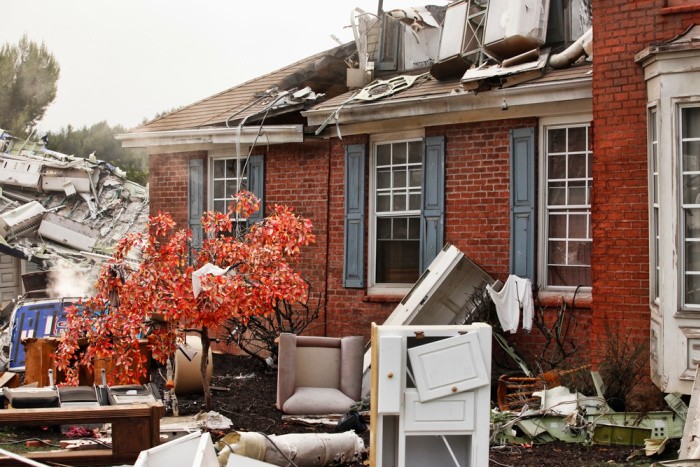
Today, let’s talk about what history has taught us about emergency preparedness. I’m talking about previous disasters. Natural disasters, economic crises, and infrastructure failures have shaped communities throughout history. From hurricanes and wildfires to blackouts and pandemics, each event leaves behind hard-earned lessons. Unfortunately, many of the same mistakes are repeated.
Understanding the lessons learned from past disasters can help individuals and families prepare more effectively, reduce panic, and save lives. Preparedness is not fear-based—it is wisdom-based on experience.
This article breaks down the most important emergency lessons history has taught us and how you can apply them today.
1. Disasters Happen Faster Than Expected
One of the biggest lessons from past disasters is how quickly normal life can change.
- Power grids can fail in seconds
- Roads can become impassable within minutes
- Stores shelves can empty in hours
Hurricane Katrina, winter storms in Texas, and widespread blackouts all proved that waiting until the last minute often leaves people without food, water, or fuel.
Lesson learned:
Preparation must happen before warnings are issued.
2. Government Help Is Often Delayed
Emergency responders work hard, but during large-scale disasters, they are overwhelmed. History shows that:
- Aid may take days—or weeks—to arrive
- Rural areas and older residents are often last reached
- Communication failures slow response times
- The government may NEVER show up
- Do NOT count on FEMA
- Be prepared to take care of your family
After major hurricanes, earthquakes, and ice storms, many families were on their own far longer than expected.
Lesson learned:
You should be prepared to be self-reliant for at least 72 hours, and ideally 7–14 days.
3. Water Is the First and Most Critical Need
In nearly every disaster—floods, earthquakes, power outages, or infrastructure failures- clean water becomes scarce quickly.
- Municipal water systems fail
- Boil notices are issued
- Bottled water disappears from shelves
People can survive weeks without food, but only days without water.
Lesson learned:
Store water first. Aim for 4 gallons per person per day, plus extra for pets and sanitation. You need to decide how many days’ worth of water to store. Start small and build up your inventory.
4. Power Outages Create Cascading Emergencies
Past disasters reveal that losing electricity affects far more than lights:
- No refrigeration for food or medications
- No heat or air conditioning
- No phone charging or internet
- Gas pumps and ATMs stop working
- Jan mentioned these: UVPaqlite
Extended power outages during winter storms and heat waves have been especially dangerous for older residents.
Lesson learned:
Plan for life without electricity, lighting, cooking, warmth, cooling, and communication.
5. Grocery Stores Are Not Emergency Warehouses
One of the most repeated lessons from past emergencies is how fast store shelves empty.
- Panic buying worsens shortages
- Deliveries are delayed or canceled
- People without transportation are stranded
Relying on “just running to the store” has left millions of people without food during emergencies.
Lesson learned:
Keep a rotating pantry with shelf-stable foods you already eat.
6. Communication Breakdowns Increase Fear
When cell towers fail, the internet goes down, or phones die, fear and misinformation spread quickly.
Past disasters show that a lack of communication causes:
- Confusion and panic
- Separation from loved ones
- Missed emergency instructions
Lesson learned:
Have multiple ways to communicate, including battery-powered radios and written emergency plans.
7. Community Matters As Much As Supplies
History consistently shows that communities that help each other recover faster.
- Neighbors checking on older neighbors
- Sharing tools, food, or skills
- Community-led cleanups and rebuilding
Disasters expose weaknesses, but they also reveal kindness.
Lesson learned:
Preparedness is not just personal, it’s communal.
8. Older Neighbors and Vulnerable Populations Are at Higher Risk
Past disasters have disproportionately affected:
- Older People
- People with medical conditions
- Those with mobility challenges
- Families with young children
Lack of planning around medications, power-dependent medical devices, and transportation has led to tragic outcomes.
Lesson learned:
Emergency plans must include medical needs, mobility support, and caregiver coordination.
9. Skills Are as Important as Supplies
Many people had supplies during past disasters—but lacked the skills to use them.
Examples include:
- Cooking without electricity
- Safely storing food
- First aid and basic medical care
- Home repairs after damage
Lesson learned:
Skills provide long-term resilience when supplies run out.
10. Preparedness Reduces Panic and Trauma
One overlooked lesson is the mental and emotional impact of disasters.
Those who were prepared:
- Felt calmer
- Made better decisions
- Helped others more effectively
Preparedness brings confidence, not fear.
Lesson learned:
Planning protects mental health as much as physical safety.
Learn From the Past to Protect the Future
History does not repeat itself exactly—but it rhymes. The lessons learned from past disasters are clear:
- Prepare early
- Store water and food
- Plan for power loss
- Build community
- Learn practical skills
Emergency preparedness is not about expecting the worst—it’s about being ready for reality. The best time to prepare was yesterday. The second-best time is today.
The Most Important Items to Have on Hand During an Emergency
When a disaster strikes, having the right supplies can make the difference between panic and confidence. Past emergencies have shown that many people were not unprepared because they didn’t care, but because they didn’t know what truly mattered.
These are the most important emergency items to have on hand for any situation, whether it’s a power outage, winter storm, natural disaster, or supply chain disruption.
1. Water (Your #1 Priority)
Clean water is the most critical emergency supply.
What to have:
- At least 4 gallons per person per day
- A minimum of 3–7 days’ supply
- Extra water for pets
- Water purification tablets or water filtering systems like Big Berkey and PortaWell.
Without water, everything else becomes harder.
2. Shelf-Stable Food
Food shortages happen quickly during emergencies.
Best options:
- Canned meats, vegetables, and fruits
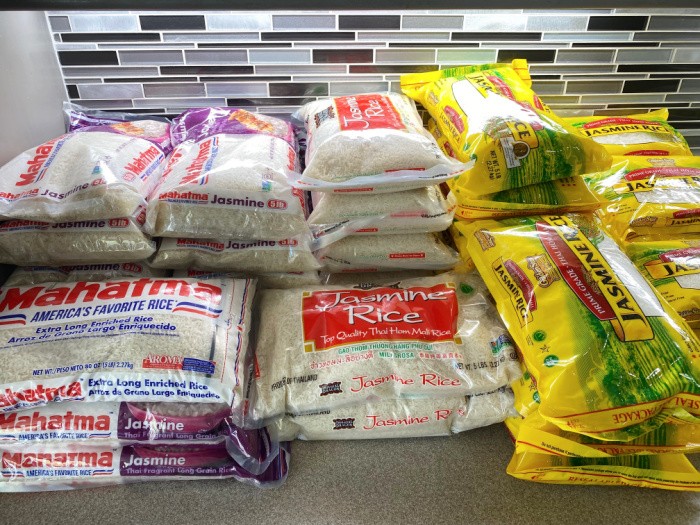
- Rice, pasta, oats, and dry beans
- Peanut butter and shelf-stable spreads
- Ready-to-eat meals (no cooking required)
Choose foods your family already eats.
3. Ways to Cook Without Power
Many people have food, but no way to prepare it.
Options include:
- Propane or butane camp stove
- Charcoal grill (outdoor use only)
- Sterno or emergency cooking fuel
- Manual can opener
Never use cooking devices indoors unless approved for indoor use.
4. Lighting and Power
Darkness adds stress and danger.
Must-have items:
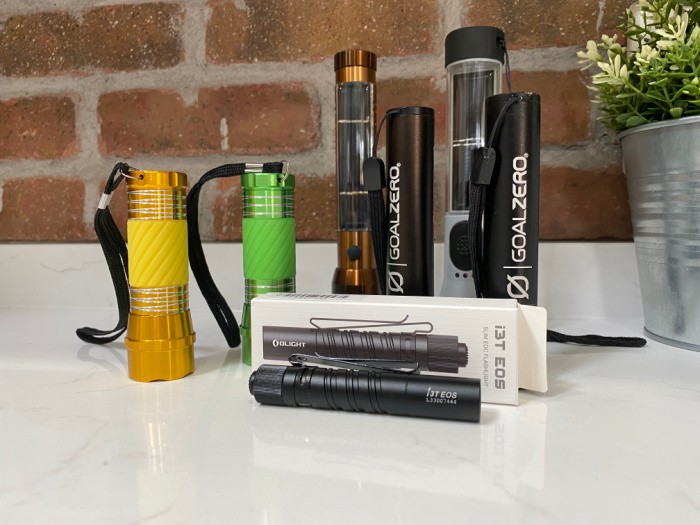
- Flashlights (one per person)
- Headlamps
- Battery-powered lanterns
- Extra batteries
- Solar or hand-crank chargers – I have solar flashlights charging in my window sills all the time.
5. Heat, Cooling, and Weather Protection
Extreme temperatures can be life-threatening.
Cold weather:
- Extra blankets or sleeping bags
- Warm clothing and hats
- Thermal layers
Hot weather:
- Battery-powered fans
- Cooling towels
- Shade and ventilation plans
6. First Aid and Medications
Medical access may be limited.
Essential items:
- Fully stocked first aid kit
- Prescription medications (7–14 days if possible)
- Pain relievers and fever reducers
- Medical supplies for chronic conditions
Caregivers should plan carefully here.
7. Communication and Information
Staying informed prevents panic.
Recommended items:
- Battery-powered or hand-crank radio
- Written emergency contact list
- Local maps
- Whistle or signaling device
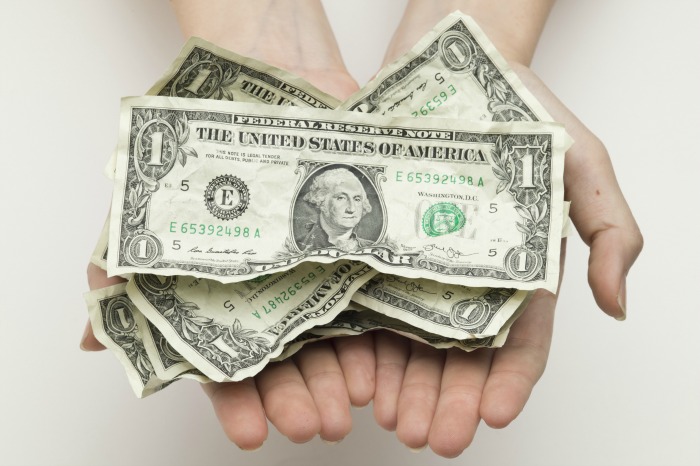
8. Cash and Financial Access
ATMs and card systems often fail.
Have on hand:
- Small bills
- Coins for vending or laundromats
- Copies of important documents
9. Hygiene and Sanitation Supplies
Sanitation problems escalate fast.
Include:
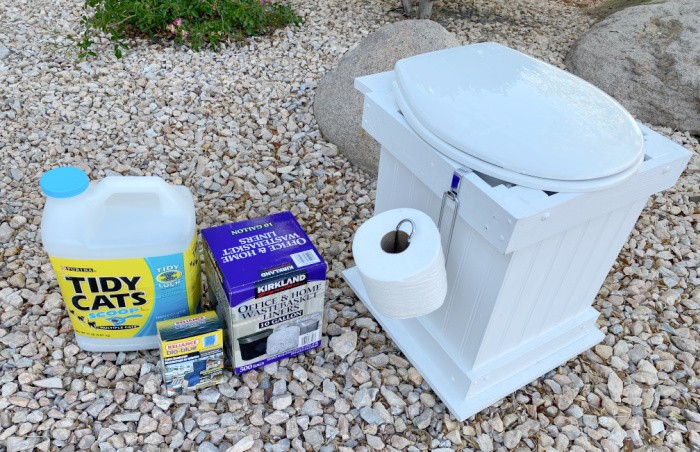
- Toilet paper and wipes
- Trash bags and zip-top bags
- Hand sanitizer and soap
- Feminine hygiene items
- Disposable gloves
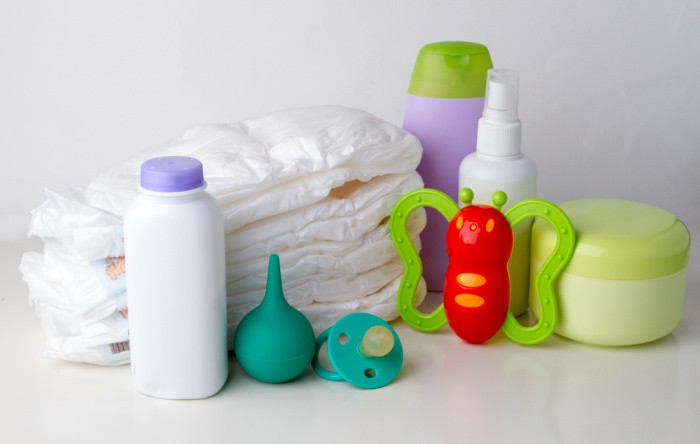
- Diapers for those little guys
10. Tools and Safety Items
Basic tools solve many problems.
Important tools:
- Multi-tool or basic tool kit
- Duct tape
- Work gloves
- Fire extinguisher
- Smoke and carbon monoxide detectors
Why is Emergency Preparedness Important?
12 Reasons Why You Should Prep
Final Word
Every disaster leaves behind a lesson—but only those who pay attention benefit from it. History has shown that emergencies rarely unfold as we expect, and help doesn’t always arrive quickly. The families who fare best aren’t the luckiest; they’re the ones who prepared in advance.
Emergency preparedness is not about fear or panic. It is about responsibility, resilience, and peace of mind. When you take small steps today—storing water, building a food supply, learning practical skills, and connecting with your community—you reduce risk and increase confidence for tomorrow.
The past has already taught us what we need to know. The question is whether we’ll use those lessons before the next disaster arrives so we can be properly prepared. May God bless this world, Linda
Copyright Images: City Street Blizzard Stuck Cars Depositphotos_455885940_S, Suburban Homes Lined With Snow Depositphotos_710014400_S




Testing comment
Testing Comments
I have tried to learn at least one new thing for each storm or emergency we have had.
Hi Chris, it’s interesting how we learn new things with each “disaster”, great comment, thank you! Linda
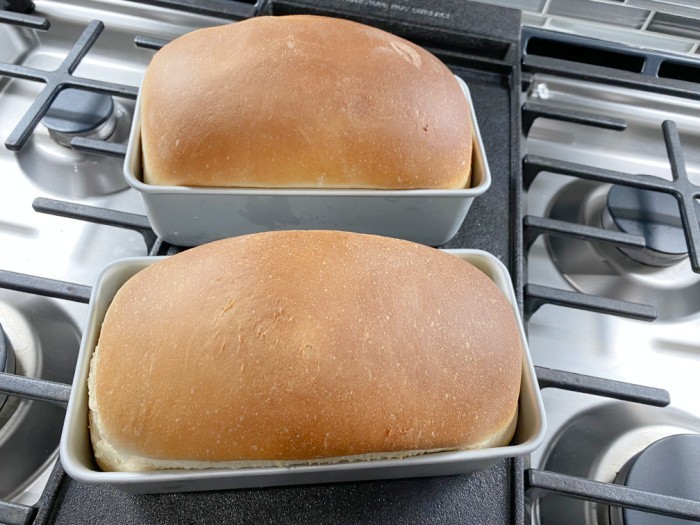
Great article Linda! I wanted to let you know that I made your no-knead bread this morning. Got it all stirred together before bed last night and then let it do its magic overnight. I was surprised that it had doubled, but yes, so fast and easy.
I baked it in my Lodge Blacklock Dutch oven, which was a Christmas gift from the husband. It turned out perfectly and the husband says it’s a keeper. Thanks so much!
Hi Paula, oh, I’m so glad you tried making it! My daughter and I keep trying different decorations with a razor blade, and I bought a Lame Knife. It’s so easy and so yummy!! It’s magical to me, nice gift!! The Lodge Blacklock Dutch Oven!! Love it, Linda
Hi Paula, I just looked up that Lodge Blacklock Dutch oven!! Oh my gosh, I LOVE it!!! Linda
Linda, I do love that Dutch oven! I wouldn’t pay that price for it and fortunately my husband found them marked down at one of our local farm stores. He knew I wanted one, so got it for my Christmas present last year. I’m a girl who doesn’t want diamonds; give me some good cookware, baking dishes, etc.
Hi Paula, oh I am the same way! I have to have good cookware and bakeware! I will watch for that one to go on sale! 5.5 quarts would be nice!! Linda
Good stuff. Unfortunately Americans don’t seem to try and learn from history as much as other cultures
Hi Matt, it’s good we have taught our kids and grandkids! We have to say we have given them the skills to survive, it’s our job. Great comment, Linda
I remember in summer 2003 when the whole eastern seaboard had a major power outage and we were affected, which was really weird as I live in London, Ontario, Canada and living in a townhouse at the time. Can’t recall how long we were without out power but for parts of our city, it was days. I think I had no power for a few days. I do recall that a nearby convenience store was open so I went down to get a couple of things as I did have some cash. The owners were using an actual calculator and pen/pencil & paper to figure the cost of everything peophe were buying. In the store I overheard someone tell her daughter she couldn’t get spaghetti-os as they had nothing to cook them on. I said they’re already cooked. You can eat them right out of the can. Then I said to someone else that if you have a BBQ and fireproof pots like a cast iron pan of some sort, even a frying pan, you can cook on that. You don’t have to just slap raw meat on it. You can do other stuff. Unfortunately I didn’t have a BBQ so I couldn’t do any cooking but we were still okay. I also believe we could still get water from our taps so we were definitely lucky in that regard. People just don’t seem to think outside the box when it comes to emergencies, etc.
I’m more concerned now that I’m a senior and living in a high-rise apartment building. I still try to stock up on toilet paper and need to start stocking up on other items again like I did when I lived in a townhouse. It’s just a lot trickier to store stuff – a lot less room, especially all the other stuff I still have here. LOL
Hi Mary, I love your story, it will inspire others that’s for sure. Oh my gosh, the Spaghetti-os! My daughters and grandkids loved those! A BBQ can indeed be used for cooking things other than cooking raw meat! Great comment. If you have a cast iron pan or Dutch oven, you can survive, if you have propane tanks filled. Life changes when we getter older, we have moved to a smaller home and it does indeed make it harder to stock up things. That 2003 storm sounds familiar, you were blessed to have been prepared for it. Our power grids are so antiquated, hopefully our government gets them replaced before we totally lose all power throughout the country. People do need to think outside the box. Great comment, Linda
We have had the coldest and hardest winter in years. Yesterday was our first time out since the new year. The only weakness in our supplies is milk, and my delightful but set in his ways husband won’t drink anything but fresh 1% milk. I even tried freezing some but he wasn’t happy. I realize a true emergency wouldn’t have CVS and Walmart doing free delivery. Fortunately we don’t seem to have suffered from cabin fever. We are heading into another week of record cold. Please everyone stay warm.
Hi Chris, sometimes you have to get out of the house. Going to the store to get fresh 1% milk beats going to a doctors appointment! LOL! I tried freezing milk, nope Mark did not like it. I do freeze buttermilk, I use it for recipes, I freeze it in Souper Cubes! It work great! I made my own birthday cake with it! Perfect! It does takes two days to “melt” in the frig. I can live with that! I bet getting out of the house was awesome! Linda
Hi Linda, glad comments are working… I would add glow in the dark somethings to your lighting list… good quality ones like from UVPaqlite and County Comm can glow all night after charging from sun, flashlight or uv flashlight… a small glow can be reassuing in the dark for adults as well as kids!!! Thanks for all you do and share!!!
Oops, that is UVPaqlite…
Hi Jan, great tip, I will add the links!! Thank you for lettig me know my comments were not working the other day. I really appreciate it! Linda
Usually we get the big storms, but this time it was my sister in Virginia. I’ve been chipping away at her for being prepared for emergencies and she has started listen, I’m so proud of her. A day before the 2nd storm was to hit, I was running through the list, she was saying yes to everything, then I hit flashlights. Our neice and her family live with my sister, she yelled for one of our grandnephews and said “go to the cabinet above the dryer and get out the box of flashlights” then say yes, got flashlights. She said that all 5 of the teenagers had been told to keep their phones, tablets, and back-up chargers. She did well. And had 3″ of ice on the road in front of her house. It took the county 4 days to plow the ice. But she was ready this time. Even better she talked her daughter, who lives in an apartment about 40 miles away, into being ready. Luckily they did not loose power, but they had a plan if they did.
Hi Topaz, great comment! I love the flashlight story! I’m so glad you family was able to check off the emergency preparedness list! Good job! Linda