
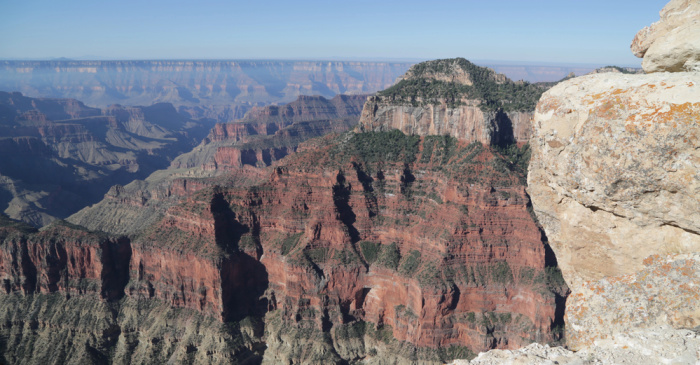
Grand Canyon Flash Flooding
This post may contain affiliate links. We may earn a commission if you purchase via our links. See the disclosure page for more info.

Grand Canyon Flash Flooding: What Just Happened and What It Teaches Us! This past weekend, a wall of water tore through Bright Angel Creek at the bottom of the Grand Canyon. Severe monsoon storms dumped rain at a rate of up to an inch an hour, and in the steep, rocky terrain of the canyon, that water had nowhere to go but down, fast.
Grand Canyon Flash Flooding
Campgrounds, footbridges, trails, and infrastructure at the canyon floor were wiped out in minutes. At least two people have died, more than a dozen remain missing or unaccounted for, and over sixty hikers and campers had to be airlifted to safety. The National Weather Service has kept a flood watch in place for northern and central Arizona, warning that more flash flooding is possible.
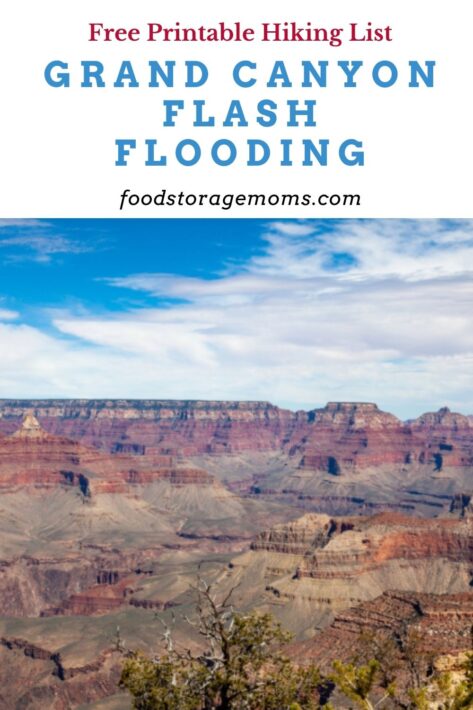
The National Park Service: December 1966
This isn’t the first time this exact stretch of the canyon has been hit hard. The National Park Service’s own records point to a flood in December 1966 as the most catastrophic flash flood ever recorded in the canyon, and it struck the same area, Bright Angel Canyon and Phantom Ranch. That flood stranded visitors and mules at the Ranch, uprooted the cottonwood trees lining Bright Angel Creek, destroyed much of the Bright Angel Campground, and wiped out sections of the original Transcanyon Pipeline. Repairs took several years to complete. Sixty years later, the same narrow drainage funneled another wall of water through the same ground.
Almost Black Water with Debris
If you’ve never stood at the bottom of a canyon during a downpour, it’s hard to picture how fast things can turn. Survivors described the water as almost black, thick with debris, moving so quickly that a footbridge was destroyed just ten minutes after their group crossed it. That’s the nature of flash flooding in the desert southwest. The ground here is often rock and hardpan clay, and it can’t absorb rain the way soil elsewhere can. A storm miles away, one you may not even see or feel, can send a wall of water down a narrow canyon before you have any warning at all.
That’s exactly why flash floods are one of the most underestimated hazards for anyone spending time outdoors in the West, especially during monsoon season, which typically runs from June through September in Arizona.
A few things every family should know and practice, whether you’re hiking a slot canyon, camping near a wash, or just driving through rural roads during storm season.
Know Before You Go
Know before you go. Check the weather forecast for the entire watershed above you, not just your immediate location. A storm forty miles upstream can flood a canyon under blue skies.
Watch for warning signs. A sudden increase in the speed or muddiness of a stream, a rumbling sound like a train in the distance, or falling debris in the water are all signals to move to higher ground immediately, without waiting to see what happens next.
Never camp in a wash or narrow canyon bottom during storm season. Even if it looks dry, that dry streambed is exactly where fast-moving water will travel.
Never drive or walk through moving water. It takes surprisingly little water, often less than two feet, to sweep away a vehicle, and the depth and force of floodwater are almost impossible to judge by sight.
Emergency Communication Plan
Have an emergency communication plan. Cell service is unreliable or nonexistent in many canyon and backcountry areas. Consider a satellite messenger device, and always tell someone your route and expected return time before you go.
Build flood awareness into your family preparedness plan, not just your fire or earthquake plan. Keep a basic emergency kit in the car with water, a first aid kit, a flashlight, and a way to charge your phone, and talk with your kids about what to do if you’re ever caught near rising water.
These aren’t abstract tips. They’re the difference between the families now waiting for news of missing loved ones and the sixty-plus people who made it out safely because they moved to higher ground when the signs appeared.
Our hearts go out to everyone affected by this tragedy, especially the families still waiting for word on those unaccounted for.
Age-Appropriate Hiking in the Grand Canyon and Places Like It
The Grand Canyon draws families from all over the world, and it’s entirely possible to have a wonderful, safe experience there with kids of nearly any age. The key is matching the trail to the child, not the other way around. A hike that’s a fun stretch of the legs for a teenager can be miserable, or even dangerous, for a younger child, and the canyon doesn’t forgive poor planning the way a neighborhood park might.
Toddlers and Preschoolers
Toddlers and preschoolers, roughly ages two to five, do best on the paved Rim Trail. It runs along the South Rim and doesn’t require any descent below the edge, which matters because every step down into the canyon is a step that has to be climbed back out later, often in rising heat. A jogging stroller or a child carrier works well here, and short outings with frequent breaks keep everyone happier than trying to cover distance.
Elementary Age Kids Six to Ten
Elementary age kids, roughly six to ten, are often ready for a short partial descent on a trail like Bright Angel, going only a portion of the way down to a landmark like the first rest house or Ooh Aah Point on South Kaibab, then turning around. The rule of thumb worth teaching kids early is that going down is the easy half. The National Park Service has long emphasized this because so many rescues involve people, including families, who hiked further down than they could comfortably climb back up.
Tweens and early teens, roughly eleven to fourteen, can usually handle longer partial descents and are old enough to genuinely understand safety instructions rather than just follow along. This is a good age to start teaching real trail judgment, reading the sky for building storm clouds, recognizing the sound of rushing water in a side canyon, and understanding why the family turns around at a set time no matter how far they’ve gone.
Older Teens Fifteen and Up
Older teens, fifteen and up, who are in good physical condition and have hiking experience, may be ready for more ambitious trips, potentially including a supervised descent toward the canyon floor with proper permits and planning. Even then, the canyon’s extreme elevation change and heat make it a place where experience and caution matter more than raw fitness.
A few points apply to every age group. Below the rim, temperatures can run twenty degrees or more hotter than at the top, so a cool morning at the trailhead can turn into a dangerously hot afternoon lower down. Water and salty snacks matter more than people expect, since dehydration and heat illness are the most common reasons hikers of all ages need rescue. And with monsoon season bringing sudden storms, any family hiking below the rim should watch the sky and know that a distant rumble or a change in a creek’s clarity means it’s time to head for higher ground immediately.
Right now this is especially worth keeping in mind. Following the recent flash flooding in Bright Angel Canyon, the corridor trails, Phantom Ranch, and the North Kaibab Trail remain closed as the park assesses damage. Families planning a trip should check current trail conditions before finalizing any hiking plans.
Junior Ranger Program
The Junior Ranger program is a wonderful way to build excitement for kids of almost any age without requiring a strenuous hike. Booklets are available for different age groups at visitor centers, and completing one with a ranger-led talk earns a badge, which often makes even a short, easy hike feel like a real accomplishment for a child.
The goal with any age group is the same. Let curiosity set the pace rather than mileage, turn around while everyone still has energy for the climb back up, and remember that the safest hike is the one where you knew your limits before you started.
Flooding: Everything You Need to Know
Final Word
The canyon has a way of humbling even experienced hikers, so there’s no shame in choosing the shorter trail or turning around early with a child in tow. The best family hikes are the ones everyone remembers fondly, not the ones that push a child past what their little legs and growing judgment can handle. Plan for the age you actually have, not the age you wish you had, and the canyon will give your family a lifetime of good memories.
Nature doesn’t send a warning text before a flash flood hits. It sends a distant rumble, a slightly muddier creek, and a few dark clouds on the horizon. Learning to notice those small signs and act on them immediately, without waiting for confirmation, is the single most important skill for surviving flash flooding. Whether you’re exploring a canyon or simply driving home during a summer storm, respect moving water and always choose higher ground first. As always, may God bless this world. Linda
Copyright Images: US Grand Canyon Depositphotos_320279708_S, Grand Canyon View Depositphotos_479389028_S












Linda, the current flash flood took out the water line again. Your tips about the sound of one, which can be anything from a rumble to a roar, and the change in water clarity are the surest ways to tell you to get to higher ground.
Back in the early 70’s when I was between semesters at Colorado State I used drive to the North end and ski down that trail until I ran out of snow. Then I’d backpack on down to Phantom Canyon ranch and camp while I explored up and down the Colorado. Those were memorable trips as I was studying geology and archaeology at the time.
The dangers of flash floods cannot be overstated. I believe I’ve told you about my experience with the Big Thompson Canyon flood. Based on that I seriously doubt they will find any more survivors. Never camp at the bottom of any dry wash or at the river’s edge.
And as for driving into flowing water the saying here in AZ is, “Turn around, don’t drown.”
Hi Ray, we used to have friends who hiked the Grand Canyon (one side) every year. One has since died, and the other can no longer do it. Flooding water is scary; people need to realize how quickly it can happen. One of our friends collapsed on the hike years ago, and they had to Life Flight her out. It’s beautiful, but you must be physically prepared and bring plenty of water. This is so true: “Turn around, don’t drown.” Linda
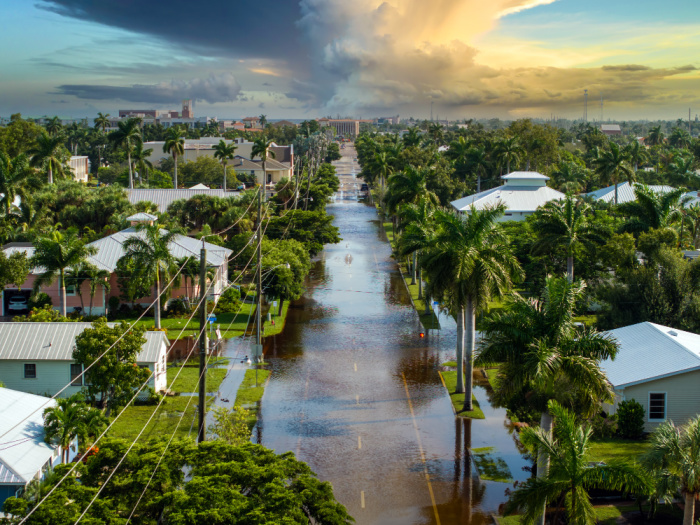
Here in TX, the saying is also “Turn around, don’t drown”. We are just a bit over a year past a horrific flood in the TX Hill Country (took over 100 lives, mostly children). This year (again in July), there was another flood in the same area. One must beware of their surroundings and when children are involved, that responsibility becomes even larger.
Hi Tami/TX, I remember the TX Hill Country flood. Then I heard about it repeating this year. You are so right; we must be aware of our surroundings. Linda
Hi, Tami,
We still have evidence of this year’s flood on the Guadalupe River here in Canyon Lake. It was under 50% full before the flood and is now just above full pool. I certainly hope though that such flood will not be an annual affair. Too many lives and property lost.
Remember, “Don’t Mess With Texas!” LOL!!
HI Harry, thanks for the update on “Guadalupe River here in Canyon Lake”, good to hear! Linda