
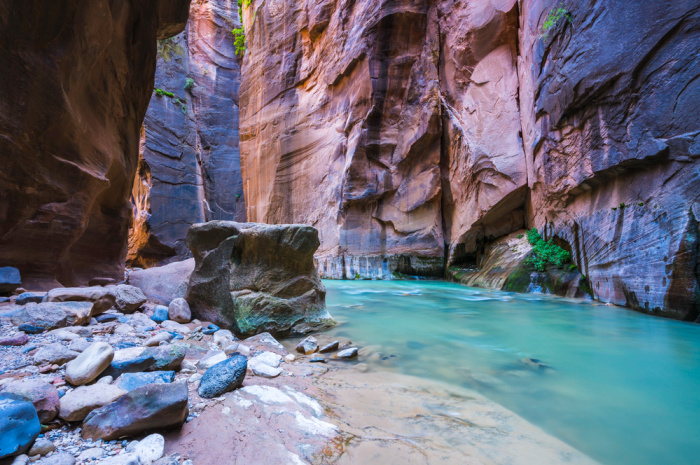
Flash Flood Safety and Prep
This post may contain affiliate links. We may earn a commission if you purchase via our links. See the disclosure page for more info.

Today, let’s talk about flash flood safety and prep. Summer thunderstorms roll in fast, especially across the desert Southwest. One minute, the sky is clear, and the next, you’re watching a wall of water move through a canyon that was bone dry an hour earlier. Flash floods are one of the most underestimated natural disasters in America, and they claim more lives each year than many people realize. As a mom who has spent years thinking through emergency preparedness for my own family, I want to walk you through what flash floods actually are, why July and August are peak danger months, and how you can keep your loved ones safe, whether you live near a canyon, a dry wash, or just a low-lying street that floods when it rains hard.
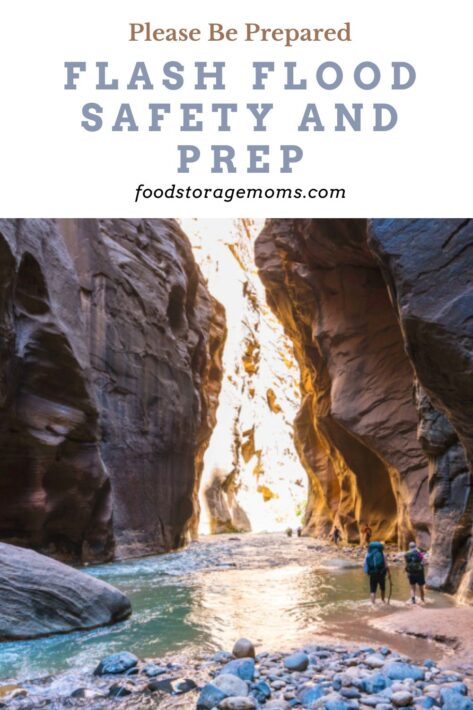
What Is a Flash Flood
A flash flood is a sudden, rapid rise in water levels, usually within six hours of heavy rainfall. Unlike a slow-moving river flood that gives you days of warning, flash floods can develop in minutes. The ground in desert regions is often hard-packed clay or rock, which means rain doesn’t soak in. Instead, it runs off quickly, funneling into canyons, washes, and low areas with tremendous force.
It doesn’t have to be raining where you’re standing for a flash flood to hit you. A storm miles away in the mountains can send a wall of water down a canyon that is under clear blue skies. This is one of the most dangerous and least understood aspects of flash flooding.
Why July and August Are High-Risk Months
Monsoon season across the desert Southwest typically runs from mid-June through September. During this window, the atmosphere holds more moisture, and afternoon thunderstorms become common. These storms can drop an inch or more of rain in a very short period over a small area, which is exactly the recipe for flash flooding.
Utah families in particular need to be aware of this pattern. Southern Utah’s slot canyons, including popular hiking spots, become significantly more dangerous during monsoon season. But this isn’t just a Utah issue.
Other Canyons and Regions Prone to Flash Flooding
While Utah’s slot canyons get a lot of attention, flash flooding is a nationwide concern. Here are other well-known danger zones your family should know about, especially if you travel or have relatives in these areas.
Antelope Canyon, Arizona
This iconic slot canyon near Page has experienced tragic flash flood events. Its narrow walls mean floodwater can rise many feet within minutes, leaving little room to escape.
Zion National Park, Utah
The Narrows and other slot canyons within Zion are stunning but notorious for flash flood danger. Park rangers frequently close trails during monsoon season based on storm forecasts.
Buckskin Gulch, Utah, and Arizona border
Known as one of the longest slot canyons in the world, Buckskin Gulch has very few escape routes once you’re inside, making it especially risky during storm season.
Havasu Canyon, Arizona
Home to the famous Havasu Falls, this canyon has seen flash-flood evacuations requiring helicopter rescues due to sudden, severe flooding.
Grand Canyon tributary canyons, Arizona
Many of the smaller side canyons that feed into the Grand Canyon experience the same rapid flooding patterns, catching hikers off guard even when the main canyon rim looks calm.
Ozark region canyons and hollows, Missouri and Arkansas
Flash flooding isn’t limited to the desert. The Ozarks see frequent flash flooding due to steep terrain and clay soil that doesn’t absorb water quickly.
Texas Hill Country
This region is sometimes called Flash Flood Alley due to its combination of steep terrain, shallow soil, and a climate prone to sudden heavy rainfall.
Appalachian Hollows and Creek Beds, Across Several States
Narrow valleys and fast-moving mountain streams in this region can flood with startling speed after heavy rain, especially in areas with steep drainage.
Warning Signs of an Approaching Flash Flood
Teach your family to recognize these signs, whether you’re hiking, camping, or simply driving through a low-lying area.
A sudden increase in the speed or volume of a stream or creek.
Water that turns muddy or debris-filled when it was previously clear.
A roaring sound is coming from upstream, even if you can’t see water yet.
Rapidly building thunderstorm clouds in the distance, even if your immediate area looks clear.
A noticeable drop in water flow followed by a sudden surge.
If you notice any of these signs while in a canyon or near a wash, move to higher ground immediately. Don’t wait to see what happens next.
Flash Flood Safety Rules Every Family Should Know
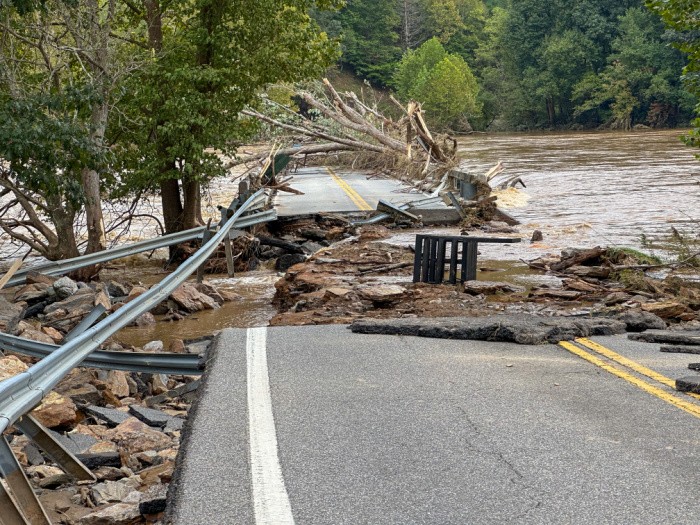
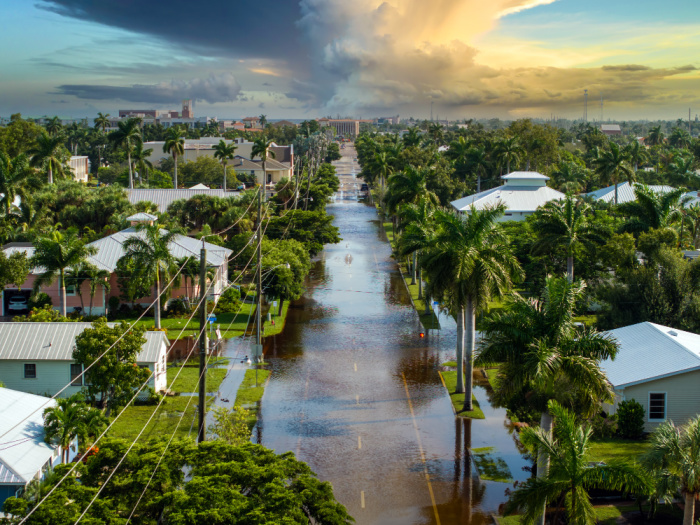
Never drive through flooded roads. As little as twelve inches of moving water can sweep away many vehicles. Turn around and find another route.
Avoid hiking in slot canyons or narrow washes during monsoon season, particularly if storms are forecast anywhere in the watershed area, even miles away.
Check weather and flash flood warnings before any outdoor trip, and continue checking throughout the day since desert storms can develop quickly.
Move to higher ground immediately if you’re in a canyon, wash, or low-lying area and notice any warning signs.
Never let children play near storm drains, washes, or creek beds during or after heavy rain.
Have a family communication plan so everyone knows where to meet if you become separated during an evacuation.
Building a Flash Flood Emergency Kit
Whether you’re heading out for a hike or simply preparing your home for storm season, having supplies ready can make a real difference.
For Hiking and Canyon Trips
Have sufficient water and a way to purify more if needed: LifeStraw Bottle
Have a fully charged phone and a Portable Bank Charger
Take a physical trail map, since cell service is often unreliable in canyon country
For your home
A battery-powered or hand-crank weather radio.
Sandbags if you live in a flood-prone area.
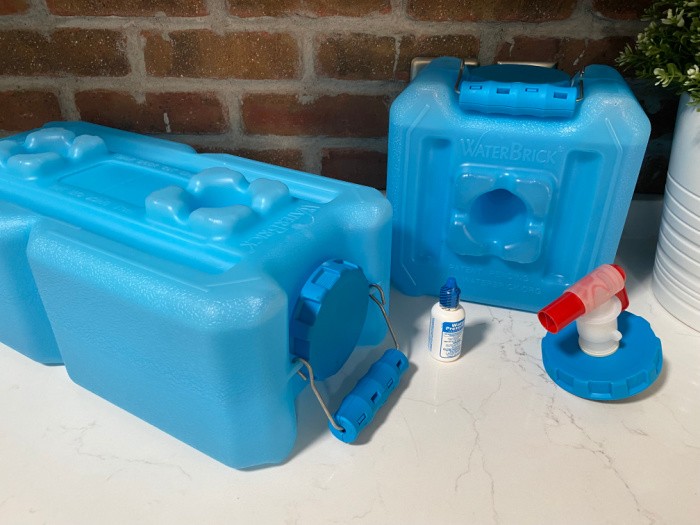
Copies of important documents stored in a waterproof container: Waterproof Container
A stocked seventy-two-hour kit for each family member.
A plan for moving vehicles and outdoor items to higher ground.
Teaching Kids About Flash Flood Safety
Children are naturally drawn to water, which makes flash flood education especially important. Keep the conversation calm and practical rather than frightening. Explain that moving water, even shallow water, has much more power than it looks like it does. Practice a simple family rule, such as “turn around, do not drown,” which is a phrase used by emergency management agencies across the country. Make sure kids know to always tell an adult immediately if they notice rising or fast-moving water.
Flash floods are fast, powerful, and often deceptively quiet until they aren’t. The best defense is awareness, a little planning, and a family that knows the warning signs before you ever need them. Whether your family loves exploring Utah’s slot canyons or you simply want to be prepared for a stormy summer at home, taking these steps now can make all the difference later.
Prepping for When Flooding Strikes
Flooding: Everything You Need to Know
Final Word
Flash floods don’t ask for permission, and they don’t give second chances. They move fast, they hit hard, and they catch people off guard because the danger often starts somewhere you can’t even see. The good news is that awareness changes everything. When your family knows the warning signs, respects moving water, and has a simple plan in place, you turn a potential tragedy into a story about being prepared instead. Talk with your kids this week. Check the weather before your next hike. Keep that emergency kit stocked. A few small habits now can protect the people you love most when a summer storm rolls in. May God bless this world, Linda
Copyright Images: Zion National Park Narrow Depositphotos_372263776_S, Zions National Park Narrow In The Afternoon Depositphotos_371031146_S











Excellent post, Linda. I can tell you from experience that ANY mountainous region has canyons that pose serious flash flood dangers. The Big Thompson Canyon Flood in 1976 killed at least 144 people. I volunteered for a Search and Rescue team for that one and the power of that water was unbelievable. Flesh was stripped from many of the victims bodies and in many cases we recovered only bone fragments.
If you are camped near any stream or river in a canyon and hear any weird sound from upstream you may have mere seconds to get to high ground. Do NOT stop to gather your possessions–just climb like your life depends on it.
Hi Ray, oh my gosh, I can’t imagine serving in that search and rescue. https://en.wikipedia.org/wiki/1976_Big_Thompson_River_flood OH MY GOODNESS! Thank you for sharing this flood information. I had to look it up. Be safe everyone. Linda
Linda,
Very good and timely post. As you well know, we had a horrible flash flood here in the Texas Hill Country just a year ago this weekend near Kerrville with almost 140 people killed and many more injured just over fifty miles west of where we live. So, this information is worth more than one might think. We live on a hillside near the top so we are safe from flash floods where our home is located.
On a brighter note, the beautiful pictures you posted reminded me of our hike some years ago into Santa Elena Canyon in Big Bend National Park. It is a 1500 foot deep slot canyon that is absolutely beautiful. That is unless a flash flood occurs. There was not a flash flood threat at the time of our hike.
Thanks for the great post.
HI Harry, oh my goodness!!! https://www.houstonchronicle.com/news/houston-weather/article/texas-hill-country-floods-july-how-it-happened-22329074.php. The slot canyons are so beautiful but can be deadly. Thanks for sharing about the Kerrville flood. That was terrible. I’m glad you live on a hillside. Linda