
Wildfires Across America
This post may contain affiliate links. We may earn a commission if you purchase via our links. See the disclosure page for more info.

Wildfires Across America: What Every Family Needs to Know Right Now. If it feels like every time you turn on the news there’s a new wildfire burning somewhere, you aren’t imagining it. This has been one of the toughest fire seasons in years, with major fires burning at the same time in Utah, Washington, Oregon, California, Colorado, and Texas. As a mom who cares deeply about keeping my family prepared and safe, I wanted to pull together what’s actually happening across the country right now, along with some simple steps every family can take today.
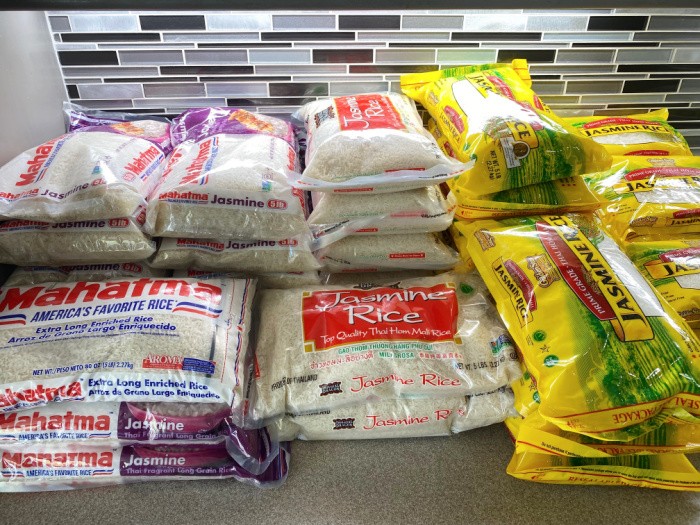
If we lose land by fire, we lose the capability to grow food. PLEASE store water and stock food.
The Big Picture: Wildfires Across America
Nationwide, more than 29,000 wildfires have burned over 2.3 million acres across the country in 2026, and fire season isn’t over yet. Forecasters saw this coming. Meteorologists predicted that 65,000 to 80,000 fires would burn between 5.5 million and 8 million acres across the country this year, with the highest risk centered on the Southwest, the Great Basin, the Rockies, and the Northwest.
Utah Is Having One of Its Worst Fire Seasons on Record
Right here at home, things are serious. Utah’s 2026 fire season has already burned almost 475,000 acres, making it the second-worst fire season by acreage in state history, trailing only the 2007 season, which burned 629,212 acres.
As of early August, 747 wildfires had burned 455,741 acres across the state. Of those fires, 374 were human-caused, 317 were sparked by lightning, and 56 remain under investigation. That breakdown matters, because it shows that more than half of these fires could’ve been prevented.
Here is a look at some of the active and recent fires burning in Utah.
The Widemouth 2 Fire near Fillmore in Millard County has been one of the most alarming. It grew to an estimated 84,229 acres with 0 percent containment, and about 420 personnel have been assigned to fight it. This fire more than tripled in size in a single day, jumping from about 10,300 acres to over 36,000 acres as strong winds pushed it north, forcing mandatory evacuations in Fillmore.
The Johnson Canyon Fire has seen better progress, with containment now at 65 percent. Another report put the Johnson Canyon Fire near Tremonton in Box Elder County at 6,889 acres and 95 percent contained.
The Babylon Fire, burning in the Manti La Sal National Forest near Blanding and Bears Ears National Monument, was reported at 95 percent contained, with closures affecting the Needles District of Canyonlands National Park. The Snyder Fire, which burned near the Utah and Colorado border, reached 100 percent containment after burning 28,264 acres.
In total, seven wildfires were burning in Utah at once, with four of them, Widemouth 2, Johnson Canyon, Black Canyon, and Dodge, sparking within just the last eight days. Three others, Cottonwood, Babylon, and Wild Goose, have been burning for more than a month. Governor Cox has been urging Utah families to avoid anything that could create a spark and to follow all fire restrictions closely.
Spokane, Washington, Is Facing a Devastating Emergency
Spokane County has been dealing with one of the most destructive fire events of the year, called the Spokane Complex Fire, made up of three separate blazes: the Old Trails Fire, the Fairview Fire, and the Autumn Lane Fire. They started over the weekend of August 1 and have grown rapidly since.
As of the most recent update, the three fires have burned over 10,500 acres combined, and the good news, finally, is that containment lines have now been established around the perimeter of all three fires after days at 0 percent containment.
Individual Fires
Here’s where each fire stands individually. The Old Trails Fire burned in the Indian Trail area northwest of Airway Heights. The Fairview Fire burned near Mead and was last reported at 1,056 acres with 5 percent containment. The Autumn Lane Fire, burning in the Nine Mile Falls area, was last reported at 5,869 acres with 13 percent containment.
The human toll here has been enormous. More than 700 structures have been destroyed, and roughly 65,000 people were forced to evacuate. Thankfully, all fourteen people who were initially considered unaccounted for have since been confirmed safe. Over 4,000 firefighters from twelve states, and even a crew from Australia, traveled in to help battle the flames. Cooler temperatures and higher humidity have finally allowed crews to make what officials called significant gains.
Governor Bob Ferguson
Governor Bob Ferguson declared a statewide emergency and issued a burn ban that runs through September 30. This fire season has been brutal for Washington as a whole. The state has already seen more than 1,000 fires burn about 425,000 acres this year, with more than 200,000 acres still actively burning across a dozen large fires.
One frustrating detail worth sharing with your family, especially if you have older kids who fly drones. Fire officials reported 26 unauthorized drone incursions over the active fire zone in a single day. Every time that happens, water and retardant-dropping aircraft have to be grounded until the airspace is clear, which gives the fire more time to grow and puts firefighters at greater risk. This is a great teaching moment for kids. If you see smoke, keep the drone on the ground.
California’s Fire Season Is Still Building
In California, the state has already seen 1,720 wildfires burning a total of 53,981 acres this year, with 13 structures destroyed so far. Thankfully, no deaths have been reported there yet in 2026. California’s fire danger was expected to build steadily through summer, with the broader risk peaking later in the season, so this is a state to keep watching closely in the weeks ahead.
Colorado Enters a Vulnerable Season
Colorado had one of its lowest snowpacks on record over the past winter due to warm, dry conditions, especially in the western part of the state, leaving Colorado more vulnerable to wildfires than usual this year. Low snowpack means less spring moisture in the ground and vegetation, which is one of the biggest ingredients for a dangerous fire season.
Texas Saw an Early and Intense Outbreak
Texas fire season actually peaks earlier than most western states, typically between February and April, though officials say the risk is becoming more of a year-round concern. That played out this year. Back in late February, the Texas Panhandle saw a serious outbreak near Amarillo. The Lavender Fire burned over 18,000 acres and forced evacuations for a boys ranch in the area, while the 8 Ball Fire nearby burned roughly 13,000 acres and prompted evacuations for the community of Howardwick. Red flag warnings and extreme wind gusts drove rapid fire spread across the region that week.
For the year overall, Texas has recorded 15 wildfires that burned more than 1,000 acres, adding up to a total of 76,553 acres statewide. The largest single fires included the Lavender Fire at 18,423 acres and the 8 Ball Fire at 13,564 acres, both in the Panhandle, along with the Yellow Fire at 14,374 acres, which closed a state highway and forced additional evacuations.
Texas Is Calmer
As of this week, things look much calmer in Texas. Live tracking shows only about 3 active wildfires burning across the state right now, covering roughly 524 acres total. The largest of those, the Bear Hollow Fire in Jack County, is at about 400 acres and 15 percent contained.
This is actually a helpful reminder for families. Fire risk doesn’t look the same everywhere or all year. Texas heats up early in the season, while places like Utah, Washington, and California tend to peak later in the summer. No matter where you live, it’s worth knowing your own state’s typical fire season, so you know when to be most alert.
Why So Many Fires Are Human-Caused
It can be easy to picture wildfires as purely a natural disaster, something started by lightning during a summer storm. But the numbers tell a different story. In Utah alone, human-caused fires are currently outnumbering lightning-caused fires. Common causes include unattended campfires, sparks from equipment or vehicles, fireworks, debris burning, and even dragging chains from trailers on dry roads.
This is actually good news in one way. While we can’t control the weather or stop lightning, we absolutely can control our own actions. Something as simple as fully dousing a campfire, avoiding outdoor burning during red flag warnings, and keeping vehicles off dry grass can prevent a fire from ever starting.
How Families Can Prepare for Wildfire Season
Whether you live in a high-risk area or simply want to be ready just in case, here are some practical steps every family can take.
Create a defensible space around your home by clearing dry brush, leaves, and debris at least thirty feet from your house. Keep gutters clean and trim tree branches away from your roof.
Family Emergency Kit
Put together a family emergency kit that includes water, nonperishable food, medications, important documents, a battery-powered radio, and a change of clothes for each family member. Store it somewhere easy to grab quickly.
Make an evacuation plan and practice it with your children. Decide on two ways out of your neighborhood in case one route is blocked, and choose a meeting place outside the area.
Sign up for local emergency alerts so you receive evacuation orders the moment they’re issued. Many counties, including several in Utah and Washington, use text and app-based alert systems.
Smoke Travels
Keep an eye on air quality, especially for young children, older family members, and anyone with asthma or breathing issues. Smoke can travel hundreds of miles from the actual fire.
Know your area’s fire restrictions before lighting any campfire, using fireworks, or burning yard debris, and always fully extinguish any fire you start.
If you have kids who enjoy flying drones, teach them that grounded drones save lives during an active wildfire. Unauthorized drones near a fire can force firefighting aircraft out of the sky at exactly the moment they’re needed most.
A Season That Calls for Extra Care
With so many states facing serious fire activity at once, from Utah’s second-worst season on record to the devastating losses around Spokane, this is a good reminder for all of us to slow down, be careful with anything that could spark a flame, and make sure our families are ready just in case. Preparedness isn’t about fear. It’s about peace of mind, knowing that if something does happen, your family already has a plan
Fire Emergency Preparedness: Make a Plan
Top Threats You Need to Be Prepared to Survive
Final Word
Fire season isn’t something any of us can control, but how prepared we are certainly is. Whether you live in Utah, Washington, Texas, or anywhere in between, take today as your reminder to check your family’s emergency kit, talk through your evacuation plan, and do your part to prevent the next spark. Small steps now can make all the difference later. Stay safe out there, keep an eye on your local fire updates, and take a few minutes this week to check your family’s emergency kit. May God bless this world, Linda
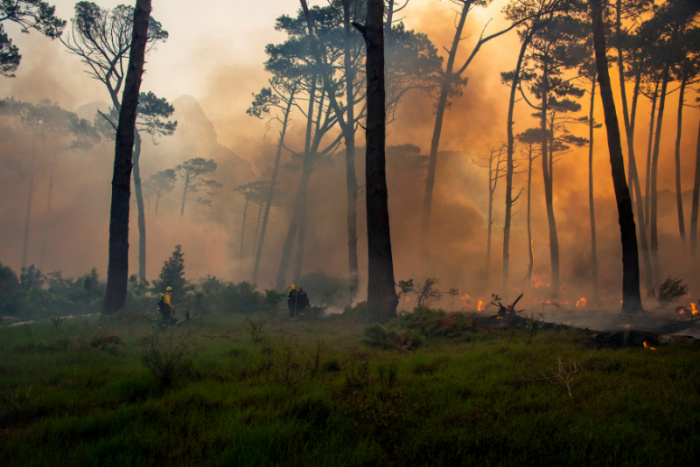
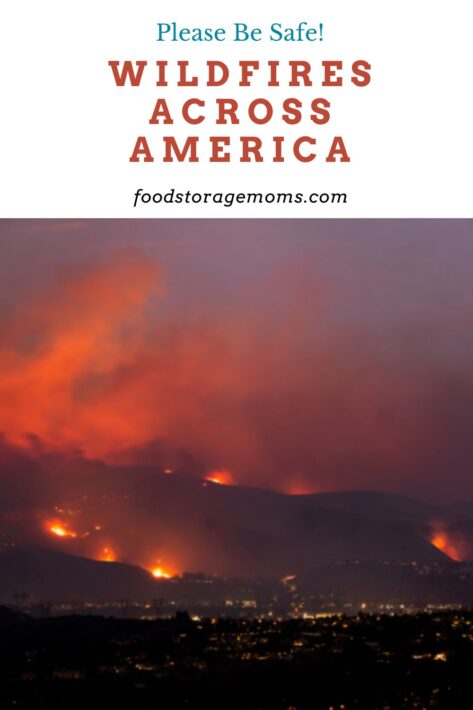
Copyright Images: Fires On Hills Of California AdobeStock_448209347 By Matt Gush, Fire Fighters Approaching Fire AdobeStock_513175836 By Patrick Ryan












While we don’t have any fires in our area, we have been dealing with exposure to smoke from the Canadian wildfires. We have had to stay in for up to 4 days at a time. We pray for each person in danger of these fires and the brave men and women fighting them.
Hi Chris, great reminder to pray for our first responders; they are fighting an uphill battle right now. The smoke is bad here, and Mark is golfing where a NEW fire started a few days ago out in Tooele, Utah. Every day, there is a new fire starting. It puts our first responders in danger, and so many families living there. Linda
I think the Wildfires will just get worse. Too many people aren’t cautious enough to prevent fires. If we burn anything, which is rarely, we always have a water hose near by and the water is on! I also spray the red ash as it flys. I remember Smokey the Bear telling us “Only You Can Prevent Forest Fires.” Still true! Not just forest fires though.
Hi Deborah, I agree, people are not as careful these days. They need to share those old commercials with Smokey the Bear! Still true! Linda