
Diesel Prices: Why Are They So High?
This post may contain affiliate links. We may earn a commission if you purchase via our links. See the disclosure page for more info.

Diesel Prices: Why Are They So High? If you’ve filled up a diesel truck or car lately, you already know the pain. Diesel prices have hit a new record in 2026, with the national average climbing above $5.60 a gallon in early September and reaching $6.60 a gallon on September 11, compared to around $ 4 a gallon for regular gasoline. That is a gap of $1.50 or more, well above the normal spread of 20 to 50 cents you’d expect. But here’s the thing many people don’t think about. Diesel doesn’t just affect truck owners. It affects every single person who buys groceries and other products because almost everything you eat, wear, view on a TV, and put in your house traveled on a diesel-powered truck to your store.
Let me break down why diesel costs so much, why it matters more than most folks realize, what it means for the truckers hauling our food and other products, and what you can actually do about it at home.
Why Diesel Costs More Than Regular Gas
A lot of people assume diesel should be cheaper than gasoline since it is a heavier, less refined fuel. That used to be true. Diesel actually traded below gasoline through most of the 1990s and into the early 2000s. That changed around 2004 and 2005, and diesel has cost more than gasoline almost every year since. A few things explain why.
First, diesel fuel sold in the United States must meet ultra-low-sulfur standards. Refiners have to strip almost all the sulfur out through an expensive process that requires costly catalysts and hydrogen, which raises the cost of every gallon produced.
Second, diesel is taxed more heavily than gasoline. The federal excise tax on highway diesel is 24.4 cents per gallon, compared to 18.4 cents for gasoline. That’s a built-in 6-cent gap before any state taxes or local fees are added.
Third, diesel demand is broader and steadier than gasoline demand. Gasoline demand mostly follows how much people drive. Diesel demand comes from trucking, farming, construction, shipping, and heating oil, all pulling on the same part of the refining process at the same time, alongside jet fuel.
Seasonal Weather
There’s also a seasonal piece to this. Diesel and heating oil are chemically related, so when cold weather arrives, refiners shift some of their capacity toward heating oil, which tightens the diesel supply. That squeeze happens right around fall harvest season, which is exactly when farmers need diesel the most to run tractors and combines and to move crops to market.
Right now there’s also a geopolitical factor pushing prices even higher. Disruptions tied to conflict near the Strait of Hormuz and attacks on Russian refineries have cut into the global supply of diesel and other distillate fuels, which is part of why diesel jumped to a new record high in September, and why 2026 is on track to potentially set a new annual average cost record.
How Diesel Prices Ripple Through the Whole Economy
This is the part that really matters for families. Nearly everything in your grocery store, your pharmacy, and your local shops and big box stores arrived by truck. Farmers use diesel to run their tractors, combines, and irrigation pumps. Trucking companies use diesel to haul produce, meat, dairy, and packaged goods across the country. Even the delivery trucks bringing packages to your door usually run on diesel, although some have transitioned to electric trucks. Trains and cargo ships also rely heavily on diesel, so imported goods and cross-country shipments are affected too.
When diesel prices go up, it costs more to grow, harvest, package, and ship food. Those costs get passed down the line until they land right in your grocery cart. That’s why you might notice higher food prices even when nothing else about the product has changed. The diesel cost baked into that loaf of bread or that gallon of milk is part of what you’re paying for, even though you never see a receipt that spells it out that way.
It’s not just groceries either. Diesel prices affect the cost of building supplies, since construction equipment and delivery trucks run on diesel. They affect the cost of having propane or heating oil delivered to rural homes. They even affect the price of everyday items at the store that have nothing to do with food, since almost every product on a shelf got there by truck at some point.
What This Means for the Truckers Themselves
It’s worth pausing here, because this story isn’t just about diesel prices. It’s about the people driving those trucks, many of whom are small business owners themselves.
For a trucking operation, fuel typically makes up 30 to 40 percent of total costs, second only to driver pay, and for owner-operators, it’s often the single biggest expense. With diesel over $ 6 a gallon in some places, industry analysts warn that if prices stay this high, between 6,000 and 10,000 carriers, mostly small independent operators, could be forced out of the industry in 2026. Even at $ 5 a gallon, owner-operators without a fuel surcharge built into their contracts are facing serious cash-flow pressure.
Thin Margins
One industry cost breakdown shows just how thin the margins get. At around $5.26 per gallon, fuel alone runs about $0.81 per mile. Once you add insurance, truck payments, maintenance, and driver pay, total costs can reach $2.66 per mile. Even with decent freight rates, an owner-operator can end up with well under 35 cents per mile in profit, which leaves little cushion for a slow week, a vehicle breakdown, or a rough weather season.
Larger fleets with fuel-efficient trucks, hedging contracts, and better route data are better positioned to weather these issues. Small operators, the family-run trucking businesses many of us depend on more than we realize, are the ones absorbing the hardest hit.
There’s a strange twist to all of this. If enough small carriers are forced to leave the industry, trucking capacity tightens, and tighter capacity historically pushes freight rates higher for the carriers who remain. So the truckers who make it through this stretch may eventually see better-paying loads once the market thins out. That’s a small comfort, but it doesn’t change how hard the road ahead looks for many hardworking families right now.
Why This Hits Rural and Self-Reliant Families Differently
If you live out in the country, or you’re working toward a more self-sufficient lifestyle, diesel prices can hit you from more than one direction. You may already be paying more to have goods delivered to a rural address. You may be running equipment on your own property that uses diesel. And you are still paying the same higher grocery prices as everyone else because of the supply chain costs.
This is one more reason why so many self-reliant families put real effort into growing their own food, raising a few animals, and building a stocked pantry. It’s not about giving up on the modern supply chain. It’s about giving your family a buffer so that a spike in diesel prices or a shortage of truckers to move goods doesn’t immediately show up as a crisis at your dinner table.
What This Means for Your Family
Understanding this connection isn’t about feeling helpless. It’s about being prepared. When you know that fuel prices directly affect your grocery bill, it makes sense to build up your food storage when prices are lower, so you’re less vulnerable when diesel prices spike again. Food storage isn’t just for emergencies like storms or power outages. It’s also a financial tool that protects your family from ripple-effect price increases.
It also helps to think locally. Buying from local farmers and producers can sometimes bypass some of that long diesel-powered supply chain, which may help keep costs a little more stable and support families in your own community. A shorter supply chain usually means fewer diesel-powered miles between the farm and your table, and fewer links that can break if trucking capacity gets tight.
A Few Practical Steps
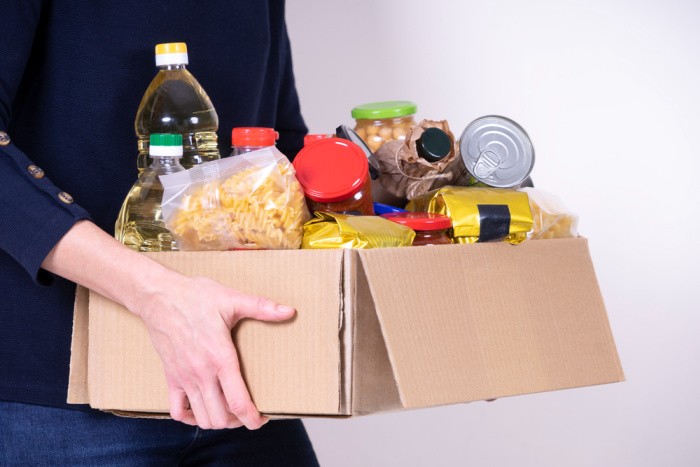
Build your pantry when prices are good, not just when you think you need to. Watching for sales on shelf-stable staples throughout the year, rather than waiting for an emergency, gives you a buffer when diesel-driven price increases hit the stores.
Consider a garden, even a small one. Anything you can grow yourself is one less thing riding on a diesel truck. Even a few tomato plants or a small raised bed with herbs and other veggies can take a little pressure off your grocery budget.
Get to know local farmers and ranchers. Buying direct, even occasionally, can help you save money and understand where your food actually comes from. Many communities have farm stands or co-ops that make this easier than people expect.
Keep An Eye On Fuel Trends
Keep an eye on fuel trends. You don’t need to be an expert, but noticing when diesel prices are climbing can give you a heads-up that grocery prices may follow in the coming weeks. Diesel price changes often show up at the grocery store a few weeks later, so a little awareness goes a long way.
Stock up on shelf-stable basics gradually. Rice, beans, flour, oats, canned goods, and other pantry staples all hold their value well and give you flexibility no matter what happens with fuel costs.
Plan meals around what you already have. When you shop your own pantry first, you reduce how often you need to buy groceries, which reduces how much those diesel-driven price increases affect your monthly budget.
The Bottom Line
Diesel prices might seem like someone else’s problem if you don’t drive a diesel vehicle yourself. But the truth is, diesel touches almost every part of how our food and most other goods get to us, and right now it’s also putting real strain on the truckers who keep that whole system moving. From the farmer’s tractor to the truck driver hauling groceries across the state, to the delivery truck outside your local store, diesel is quietly woven into the price of nearly everything we buy. Being aware of that connection, and preparing accordingly, is just one more way we can take care of our families and remember the people working hard to feed them, no matter what happens at the pump.
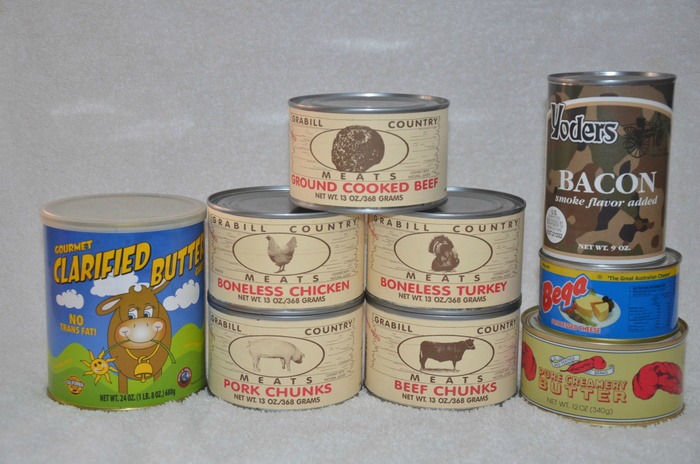
Please Stock Up On Canned Goods ASAP
Why It’s Important To Know How To Cook From Scratch
Final Word
None of us can control what happens at the pump or in the oil markets halfway around the world. But we can control how ready we are for it. Every bag of rice on your shelf, every jar you put up from your own garden, every relationship you build with a local farmer, is one more piece of steady ground under your family’s feet when the world outside feels less predictable. Diesel prices will rise and fall, and someday they may come back down. Until then, let’s keep doing what families like ours have always done. Plan ahead, take care of our own, and lend a hand to our neighbors along the way. May God bless this world, Linda
Copyright Images: Diesel Gas With Trucks AdobeStock_1567755759 by Katerina Bond, Diesel Gas Handle AdobeStock_2011231739 by Zarana











The oil reserves were drained partially by the Biden administration then completely by the Trump administration. The Venezuela reserves being touted will take 2 years before reaching us at least.
This means there’s no more buffering the cost.
Allegedly and theoretically we are supposed to be energy independent however what happened in the real world is we sell to the highest bidder. So no “America First” when it comes to real life.
Things are about to get real tough. Like 1970s odd/even rationing tough.
Hi Matt, I totally agree. I remember the 1970s. The long gas lines, and by the time you reached the pump, the pump was out of gas. Some people are not old enough to remember that; it was awful. Thanks for the reminder; it’s a good one. Linda
Did you know that freight trains also use Diesel fuel? And trains also carry the big rig trailers? Yep, they do! We, the consumer, just can’t win.
Hi Deborah, I did not know that. I hadn’t even thought about the trains; thank you, my friend. Linda
I guess we need to go back to steam engines for trains. They were fired either by coal or wood. Of course they also use water to produce the steam.
I wish the price of diesel was $6.00, here in California we have hit over $8.00/gallon. Our state government just keeps adding more taxes on to our fuel and we share that with others in the transportation of produce grown here and shipped around the country. Also those crops use tractors for working the ground, planting, watering and harvesting.
Hi Roxanne, my daughter lives in California, and she told me how expensive regular gasoline is. You are so right; our farmers and ranchers need diesel prices lowered. The prices are way out of control. Linda
Linda, you, Matt, Deb and Harry are all correct in your assessment of the problem. One other factor I’d add it the lack of refining capacity we currently have. During the previous two Democrat administrations refineries were forced out of business by “green” regulations and global warming propaganda. We have the oil we need, and yes the Venezuelan oil is coming eventually, but we can’t refine enough to keep up with demand. So the short answer if to build more refineries–and yes that takes time too.
Hi Ray, I am reading about an area with signs that say we’re out of Diesel at the pumps. I also heard there may be a trucking strike (rumors) on October 1, 2026. We shall see. Linda