
Gas Over $4 a Gallon: How to Save This Fall
This post may contain affiliate links. We may earn a commission if you purchase via our links. See the disclosure page for more info.

Gas Over $4 a Gallon: How to Save This Fall! Hi friends, if you’ve filled up your car lately, you already know the sticker shock I’m about to talk about. Gas prices are hitting families hard right now, and it doesn’t look like relief is coming anytime soon. The national average is now more than $4 per gallon according to AAA, and in six states (Alaska, California, Hawaii, Oregon, Nevada, and Washington) average prices are above $5 per gallon. That kind of increase adds up fast when you’re driving kids to school, running to the grocery store, and getting to work. NBC News. The last time Mark filled our Honda CRV, it cost him $4.94 per gallon. Last year at this time it was about $1.00 cheaper.
I want to share some practical ways our family is stretching every tank this fall. None of these tips require fancy equipment or a new car. They just take a little planning, a few new habits, and the same prepared mindset we use for our food storage.
Gas Over $4 a Gallon: How to Save This Fall
Why Gas Prices Are So High Right Now
Much of the pressure on fuel prices traces back to conflict in the Middle East and the Strait of Hormuz, a narrow shipping lane that carries a huge share of the world’s oil. The average price is still up more than a dollar per gallon since the start of the war. I’m not going to get into the politics, but I will say this: when something far away can change what we pay at the pump overnight, that’s a reminder of why preparedness matters. We can’t control world events, but we can control how ready our family is to handle them. NBC News
Higher fuel costs also ripple into everything else. Trucks deliver our groceries, farmers run tractors on diesel, and fertilizer prices climb right along with energy prices. So saving gas isn’t just about your car. It’s about protecting your whole household budget.
Start With Your Driving Habits
The easiest savings come from simply changing how we drive. GasBuddy’s head of petroleum analysis, Patrick De Haan, recommends using cruise control, avoiding aggressive acceleration between traffic lights, and not rushing, since a harder-working engine uses fuel less efficiently. kait8
Here’s what that looks like in real life. Pretend there’s a raw egg under your gas pedal and press gently when the light turns green. Look ahead and coast toward red lights instead of racing up and slamming on the brakes. On the highway, set your cruise control and stay a few miles per hour slower. Most cars lose efficiency quickly once you go above about 50 miles per hour, so easing off even a little can make a real difference over the course of a month of driving.
I’ll be honest, slowing down took some practice. But leaving five minutes earlier means we’re not tempted to hurry, and we arrive calmer too. That’s a blessing all its own.
Cut Down on Idling
Idling burns fuel while getting you nowhere. If you’re waiting in a school pickup line, sitting in a parking lot, or waiting for a friend to come out of the store, consider turning off the engine when it’s safe to do so. Modern cars don’t need long warmups either, even on chilly fall mornings. Give it a few seconds, then drive gently for the first few minutes while the engine warms up naturally.
Drive-thru lines are another sneaky gas waster. On days when the line wraps around the building, parking and walking inside often saves both fuel and time.
Combine Errands and Plan Your Routes
This is where a prepared mom really shines. Instead of making a quick trip to the store every time you need something, plan your errands for one or two days a week. Write a list, map out your stops in a loop so you aren’t crisscrossing town, and get everything done at once.
A warm engine is also more efficient than a cold one, so several short trips spread throughout the day use more gas than one longer trip covering the same stops. Try to schedule errands when traffic is lighter, because stop-and-go traffic is hard on your gas mileage.
Our food storage helps here more than you might think. When your pantry is well stocked, you don’t need to run out for a can of tomatoes or a bag of rice in the middle of the week. Meal planning, shopping once a week, and keeping a good supply of basics at home can dramatically reduce your driving. This means we have our own grocery store at home.
Take Care of Your Vehicle
A well-maintained car simply gets better gas mileage. These simple checks are worth doing this fall:
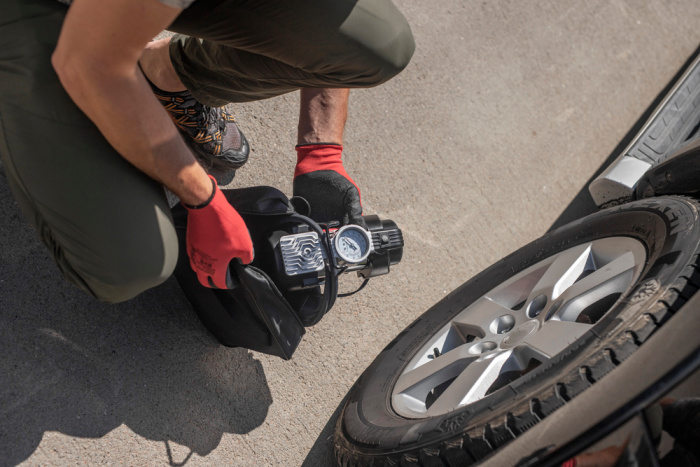
- Check your tire pressure at least once a month. Cooler fall temperatures cause tire pressure to drop, and underinflated tires make your engine work harder. Look for the correct pressure on the sticker inside your driver’s door, not the number printed on the tire itself. Portable Jump Starter with Air Compressor
- Stay on top of oil changes and use the oil grade your owner’s manual recommends.
- Replace a dirty air filter and keep up with recommended tune-ups.
- Get a check engine light looked at promptly. Some problems, like a faulty oxygen sensor, can quietly drain your fuel economy. Emergency Road Lights
Taking care of these things also keeps your vehicle reliable, which is a big part of emergency preparedness. A car that starts and runs well is one of the best tools you have if you ever need to evacuate. Flashlights, Flashlights, Flashlights.
Lighten the Load
Take a peek in your trunk. Many of us carry around sports equipment, bags of donations we keep meaning to drop off, or tools we haven’t used in months. Extra weight lowers your fuel economy, so clear out anything you don’t need.
Now, I’m not suggesting you remove your car emergency kit. Keep your water, blankets, first aid supplies, and a few snacks in there. Just pare it down to the essentials and take out the clutter. If you have a roof rack or cargo carrier you aren’t using, consider removing it if that’s feasible. Those create wind resistance that costs you at highway speeds.
Shop Smart for Gas
Prices can vary quite a bit from one station to the next, even within a few miles. Gas price apps like GasBuddy let you compare prices nearby so you can fill up at the best spot on your regular route. Just don’t drive across town to save a couple of cents a gallon, because you’ll burn up your savings getting there. Generally, gas is more expensive close to freeway exits. Check out options along your routes to school, church, and shopping to see what the pricing trends are.
Other ways to save at the pump include:
- Joining grocery store fuel rewards programs that give you cents off per gallon.
- Filling up at warehouse clubs if you already have a membership.
- Using a credit card with gas rewards, as long as you pay it off every month.
- Paying with cash at stations that charge more for card purchases.
- Buying the grade of fuel your owner’s manual recommends. Unless your car requires premium, regular gas usually works just fine.
Rethink How Your Family Gets Around
Sometimes the best way to stretch a tank of gas is to leave the car parked. Talk with neighbors and friends about carpooling to school, sports practices, or church activities. Taking turns driving can cut your fuel costs in half or more, and the kids usually love riding with their friends.
If you have a family with two vehicles, use the more fuel-efficient one for most daily driving. For short trips around the neighborhood, walking or biking saves gas and gets everyone some fresh air and exercise. Fall is such a beautiful time to be outside anyway.
Working from home even one day a week, if your employer allows it, can also make a noticeable dent in your monthly gas bill.
A Word About Storing Fuel
Many of you have asked me about storing gasoline as part of your preparedness plan. Having some fuel on hand can be wise for running a generator or getting out of town during an emergency, but it must be done carefully and safely.
Always use approved fuel containers designed for gasoline. Store them outside your home in a detached shed or well-ventilated area, away from heat sources, sparks, and living spaces. Add a fuel stabilizer to extend the life of stored gasoline, and rotate your supply by using it in your vehicle and refilling your containers every few months. Be sure to check your local fire codes and homeowners insurance rules for how much fuel you can legally store. Please never store gasoline in your house or attached garage. Safety always comes first.
Keep a Full Tank Habit
Here’s one preparedness tip I repeat often: try not to let your tank fall below half full. If an emergency, evacuation, or power outage occurs, gas stations may have long lines or be unable to pump at all without electricity. A half-full tank gives you options. It may feel like you’re spending more money at once, but you’re not using more gas. You’re just filling up a bit more often, and you’ll have peace of mind knowing you can get your family to safety if needed.
Track Your Progress
If you want to see how much these changes help, track your mileage for a month. Write down your odometer reading and the number of gallons you buy each time you fill up. Divide the miles driven by the gallons used, and you’ll have your miles per gallon. Watching that number improve is surprisingly motivating, and the kids can even help with the math.
Emergency Car Kits: What to Pack Before Winter Hits
Forget Your 72-Hour Bug-Out Bag You Need More
Final Word
Gas prices may stay high for a while, but we don’t have to feel helpless. By driving gently, planning our errands, keeping our vehicles in good shape, and relying on our pantries instead of running to the store as often, we can stretch every tank of gas further this fall. These small habits add up to real savings that can go toward groceries, food storage, or simply a little breathing room in the family budget.
Being prepared isn’t about fear. It’s about taking care of the people we love and being ready to help others when hard times come. I’d love to hear your favorite ways to save gas, so please share them in the comments below. May God bless this world, Linda
Copyright Images: Gas Pumps Depositphotos_278439952_S,Gas Pump Vertical Depositphotos_278440074_XL











Oklahoma and Texas governors had already allowed farm red dyed diesel to be used now President Trump finally caught on and made it nationwide for truckers. Some independents already went on strike temporarily and that will increase. Everything will shut down when it hits $10.
We cancelled a trip we had planned.
So we are still dealing with first world problems but by the end of the year we will be second world.
Farmers on the other hand are already there. Some fall crops will not be harvested and preparations for spring crops are delayed or not being done at all which will affect yields later.