
Are You Ready for a Once-in-a-Lifetime Storm?
This post may contain affiliate links. We may earn a commission if you purchase via our links. See the disclosure page for more info.

Are You Ready for a Once-in-a-Lifetime Storm? Extreme weather is no longer rare. Across the United States, once-in-a-lifetime storms are happening more often and hitting harder. From historic blizzards and crippling ice storms to hurricane-force winds far inland, Americans are facing weather events that overwhelm infrastructure, shut down power grids, and leave families stranded for days or even weeks.
Snow, Ice, and Wind Storm Preparedness in the United States
The question is no longer if a major storm will hit your area, but whether you are ready when it does. Many states are facing the prospect of one of these storms that could affect over 200 million people this weekend. The stores are already seeing unexpected shoppers trying to get ready for shortages. How prepared are you?
What You Need NOW
- Fill your Gas Tanks
- Charge Your Phones
- Get a Power Bank
- Fill your Propane Tanks
- Stock Batteries
- Flashlights and Lanterns
- Food and Water is a given
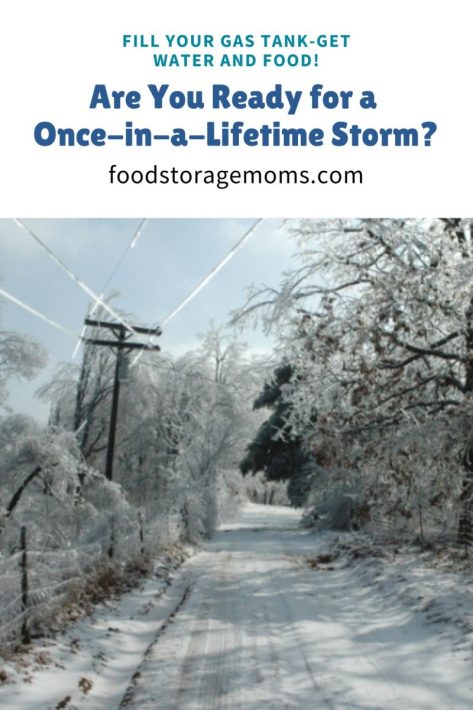
What Is a “Once-in-a-Lifetime Storm”?
A once-in-a-lifetime storm is a severe weather event that exceeds historical averages in intensity, duration, or impact. These storms often cause:
- Widespread power outages
- Dangerous travel conditions
- Structural damage to homes
- Water and food supply disruptions
- Extended isolation from emergency services
In recent years, storms once expected every 50–100 years have occurred far more frequently.
Snowstorms: When Winter Becomes Dangerous
Why Extreme Snowstorms Are More Severe Now
Heavier snowfall events are increasing as warmer air holds more moisture. When temperatures drop, that moisture falls as intense, fast-accumulating snow.
Major Risks of Severe Snowstorms
- Roof collapse from snow load
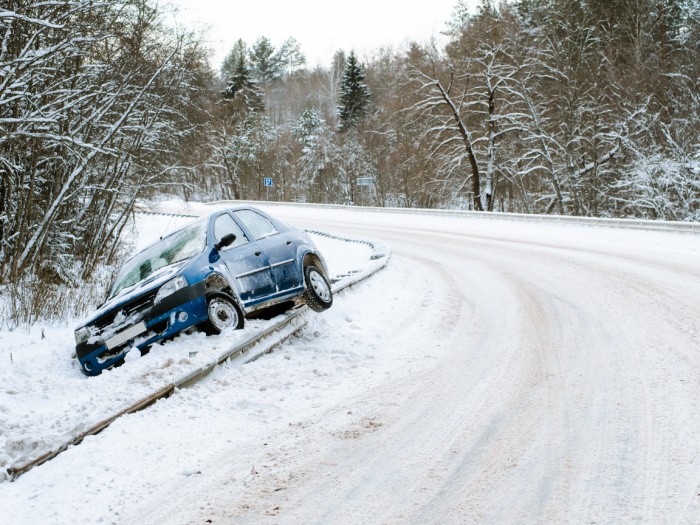
- Stranded vehicles and blocked roads
- Limited access to emergency services
- Carbon monoxide poisoning from improper heating
- Hypothermia during prolonged outages
Even areas accustomed to winter weather can be caught off guard when snowfall totals double or triple expected amounts.
Ice Storms: The Most Destructive Winter Threat
Ice storms are often more dangerous than snowstorms and far more damaging.
What Makes Ice Storms So Dangerous?
- Freezing rain coats surfaces with thick ice
- Power lines and trees snap under the weight
- Roads become impassable
- Outages can last weeks, not days
A half-inch of ice can add hundreds of pounds to trees and utility lines, causing cascading failures across entire regions.
Wind Storms: The Silent Force Behind the Damage
High winds often accompany winter storms, but they can also strike on their own.
How Wind Amplifies Storm Damage
- Turns falling debris into projectiles
- Accelerates heat loss in homes
- Knocks down power poles and cell towers
- Causes whiteout conditions during snowstorms
Inland windstorms now regularly produce gusts exceeding 70–90 mph, rivaling hurricane-force winds.
Why U.S. Infrastructure Struggles During Extreme Storms
Much of America’s infrastructure was built decades ago, based on outdated climate models.
Key vulnerabilities include:
- Aging power grids
- Overhead power lines
- Limited backup generation
- Just-in-time food supply chains
When severe storms strike, systems fail quickly, and recovery can be slow.
How to Prepare for a Once-in-a-Lifetime Storm
1. Power Outage Readiness
- Multiple light sources (not just one flashlight)
- Battery banks or generators
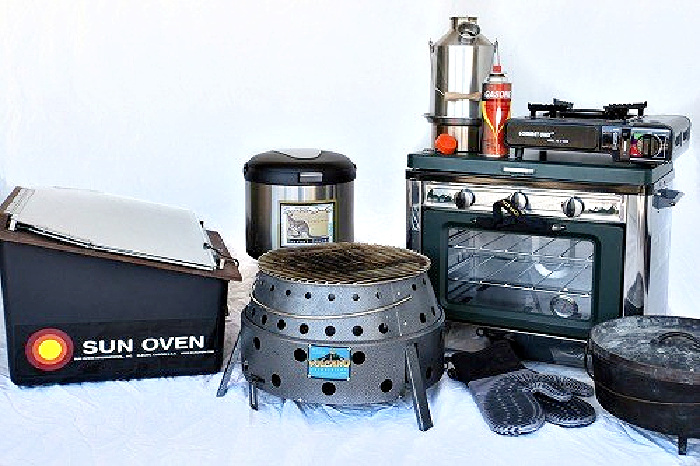
- Safe alternative heat sources
- Surge protection for electronics
2. Food and Water Security
- Shelf-stable foods requiring minimal cooking
- Manual can opener
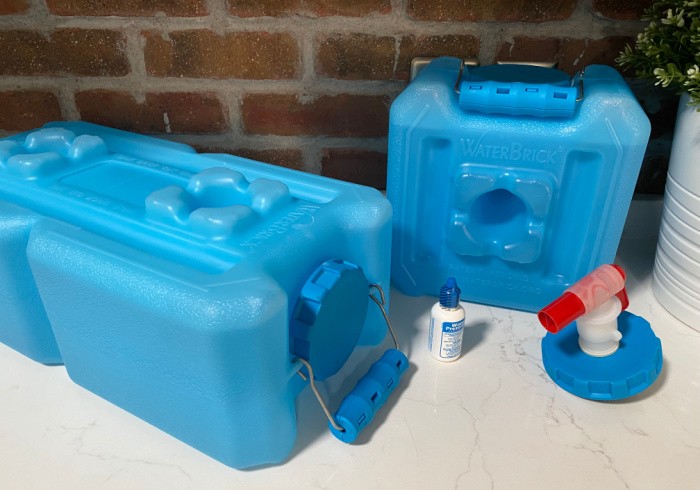
- One gallon of water per person per day (minimum 3–7 days)
3. Home Protection
- Insulate pipes
- Trim trees near structures
- Secure outdoor items
- Know how to shut off water and gas to your home
4. Communication Plans
- Battery-powered or hand-crank radio
- Emergency contact list on paper
- Local emergency alert systems enabled
Mental Preparedness Matters Too
Long-duration storms are stressful. Isolation, cold, and uncertainty take a toll.
Being mentally prepared means:
- Knowing your plan ahead of time
- Practicing calm decision-making
- Checking on neighbors when safe to do so
- Understanding that discomfort doesn’t mean danger, panic does
Preparedness brings peace of mind.
Storms Don’t Give Warnings—Forecasts Do
Many people wait until shelves are empty and roads are packed. By then, it’s already too late.
Preparedness isn’t panic; it’s a responsibility.
If a historic storm is forecast for your region, assume:
- Power may be out longer than promised
- Help may be delayed
- Conditions may worsen before improving
Once-in-a-Lifetime Storms: How Seniors and Families Can Stay Safe During Snow, Ice, and Wind Events
Extreme winter storms affect everyone—but seniors and families with children face unique risks when snowstorms, ice storms, and high winds strike. Power outages, freezing temperatures, and limited access to emergency services can quickly turn circumstances dangerous without preparation.
This companion guide focuses on simple, realistic steps that protect the most vulnerable during severe winter weather in the United States.
Why Seniors and Families Are at Higher Risk During Severe Storms
Seniors May Face:
- Limited mobility
- Increased sensitivity to cold
- Medical equipment requiring electricity
- Difficulty accessing supplies or help
Families May Face:
- Children who lose body heat faster
- Stress from disrupted routines
- Food and water shortages
- Safety risks during power outages
Preparedness reduces fear and prevents small problems from becoming emergencies.
Preparing Seniors Before a Major Storm Hits
1. Medical and Health Readiness
- Keep at least 7–14 days of medications on hand
- Store a printed list of medications, dosages, and doctors
- Backup power for oxygen concentrators or CPAP machines
- Thermometers and fever reducers are easily accessible
Cold weather can worsen chronic conditions, so health preparation is critical.
2. Home Safety for Seniors
- Clear walkways before storms arrive
- Install nightlights for low-visibility conditions
- Keep frequently used items within easy reach
- Avoid climbing ladders or clearing roofs alone
Falls are one of the leading storm-related injuries among older adults.
3. Staying Warm Without Power
- Layer clothing instead of relying on one heat source
- Use blankets, sleeping bags, and thermal wear
- Close off unused rooms to conserve heat
- Never use grills or generators indoors
Hypothermia can occur indoors, especially for seniors.
Preparing Families With Children for Severe Winter Storms
1. Food and Water for Kids
- Stock familiar, comfort foods
- Easy-to-open snacks for younger children
- Extra water for formula or special dietary needs
- Manual can opener and no-cook options
Familiar foods reduce anxiety during stressful situations.
2. Power Outages and Child Safety
- Nightlights or battery lamps in hallways
- Flashlights assigned to older children
- Cover unused outlets
- Supervise candles closely or avoid them entirely
Dark homes increase injury risk for children.
3. Keeping Children Calm During Long Storms
- Board games, books, puzzles
- Downloaded movies or audiobooks
- Warm pajamas and blankets
- Maintain routines as much as possible
A calm environment helps children feel safe, even when conditions outside are severe.
Ice Storm Safety for Seniors and Families
Ice storms are often more dangerous than heavy snow.
Key Ice Storm Tips:
- Avoid travel entirely, if possible
- Don’t walk on icy surfaces unless necessary
- Stay clear of downed power lines
- Assume fallen lines are live
Ice increases the risk of falls, vehicle accidents, and long-term power outages.
Wind Storm Precautions Everyone Should Follow
High winds can occur before, during, or after winter storms.
- Stay indoors during peak wind events
- Keep away from windows
- Secure outdoor furniture ahead of time
- Park vehicles away from trees and power lines
Wind-driven debris is a major cause of storm-related injuries and property damage.
Communication Plans Save Lives
Seniors and families should have a clear communication plan.
- Identify an out-of-area emergency contact
- Keep phones charged when storms are forecast
- Use battery-powered radios for updates
- Check in with neighbors when safe to do so
Isolation is one of the greatest dangers during extended outages.
When to Seek Help—and When to Stay Put
Call for help if:
- Indoor temperatures drop dangerously low
- Medical devices fail
- Someone shows signs of hypothermia
- Structural damage makes the home unsafe
Stay put if roads are blocked or conditions remain hazardous.
Community Preparedness Matters
Neighbors helping neighbors save lives.
- Check on seniors nearby
- Share resources when possible
- Offer help clearing safe pathways
- Coordinate childcare or supplies
Prepared communities recover faster.
How to Emergency Prep for a Winter Storm
How To Be Prepared For Extreme Cold Weather
Final Word
Once-in-a-lifetime storms are no longer rare events. They are becoming part of modern life in the United States. Whether it’s blinding snow, crippling ice, or destructive wind, families who prepare in advance experience fewer emergencies, less fear, and faster recovery. You don’t need to be extreme; you just need to be ready. May God bless this world, Linda
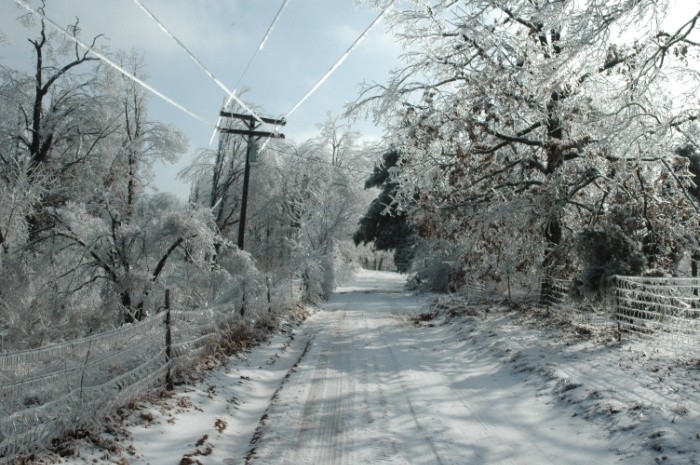
Copyright Images: Winter Storm AdobeStock_572789341 By Milan, Ice Storm Street AdobeStock_253151381 By Jack











Great article for those of us still waiting the arrival of the worst storm in years.
My family is as prepared as we can be and fortunately we’re far enough north that we’ll just be dealing with 1 to 2 feet of snow, but not the ice that folks to the south will be getting. Heck, with some areas getting 0.75+ inches of ice I’m not sure how well a standby generator would work…if the intakes get encrusted with that much ice they might be blocked. I’d certainly hate having to go outside in freezing rain with a mallet to try and break up the ice on the generator!
Here’s hoping everyone is safe out there during this event.
Hi DMWalsh, I vaguely remember some snowstorm somewhere where the city or county asked people not to use their generators. It was a safety warning. I need to think about it. Your tip on the ice may be why. Wow, ice is the worst. We can deal with 1 to 2 feet of snow, it’s that ice and windchill that keeps the ice from melting. The mallet, I love it! I hope it doesn’t come to that! Linda
We try to always be prepared. We both have books to read and other things to do that require no power. Just a little light. We do have oil lamps. Some were my grandmothers, some his moms and some we bought.
Physically, we’re ready. Mentally, not so much. LOL We will make it. We have before, and will again. We will be headed to the store in a bit to top off anything we need. We rarely get ice and snow here where we live, but it does happen. We have a generator if we lose power, and a gas fireplace if we need it. Plenty of food and water and such. I do need to get another bottle of CPAP water. ☹️ I don’t want to run out.
Hi Deborah, great idea on the CPAP water, there was a shortage of distilled water here in Utah a few years ago. Get more than one. You are blessed to have a generator, you have everything you need. Stay safe and warm. Linda
Ready or not here it comes. Put the tire chains on yesterday. Easier to take off than put on in single digits with minus winds.
Hi Matt, that’s for sure! Hopefully, you won’t have to go out and pull someone out of a ditch. This weather is so widespread! Crazy! Linda
We have survived 2 – Once in a lifetime storms…. The Buffalo Blizzard of ’77 and October Surprise in 2006. Right now our wind chill is -11. We are as prepared as we can be. Please everyone stay safe and healthy and warm.
Hi Chris, wow, two s a lot and a third. Weather is so different now. It snows where it has never snowed before. We have wells going dry. We just want normal rainfall and the wells to sustain the water that is meant for them. Linda