100 Reasons Why Cooking From Scratch Is Important
This post may contain affiliate links. We may earn a commission if you purchase via our links. See the disclosure page for more info.

I have 100 reasons why cooking from scratch is important today. Cooking from scratch is one of the greatest gifts we can pass down to our children and grandchildren. In a world full of convenience foods, drive-through windows, and boxed dinners, the simple act of making a meal with our own two hands has become almost a lost art. Below are one hundred reasons why teaching the next generation to cook from scratch matters so much, organized into categories to make them easier to read and share.
100 Reasons Why Cooking From Scratch Is Important
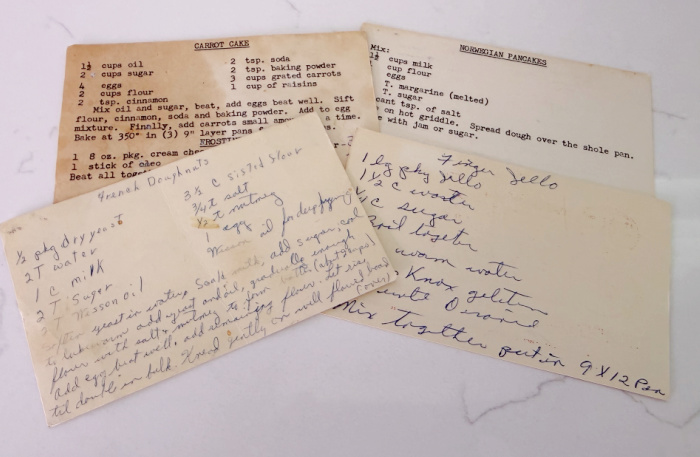
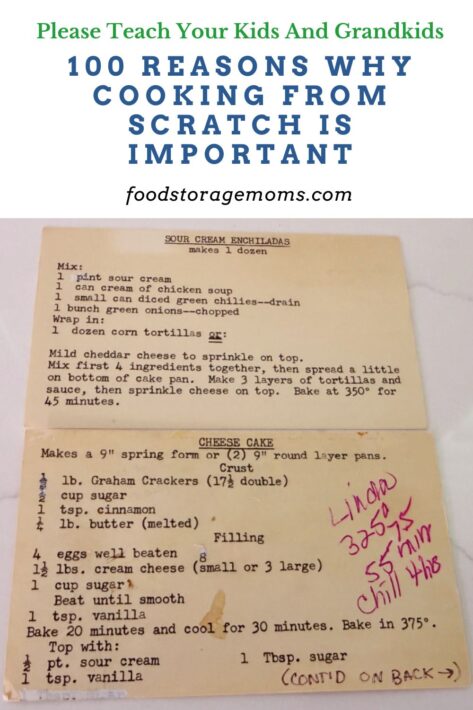
Don’t you love old handwritten or typed spilled-on recipe cards? I know I do. These were from my mother’s recipe box.
Health and Nutrition
- Cooking from scratch lets you control exactly what goes into your food, avoiding preservatives, artificial dyes, and unnecessary additives found in many packaged foods.
- You can reduce sodium levels significantly when you cook at home, since restaurant and packaged foods are often loaded with salt to extend shelf life and enhance flavor.
- Homemade meals typically contain less added sugar than their processed counterparts, which helps prevent energy crashes and long-term health issues like diabetes.
- Scratch cooking allows you to use healthy fats like olive oil, butter, and coconut oil instead of the cheap hydrogenated oils often used in mass-produced foods.
- You can tailor meals to specific dietary needs, whether that’s gluten-free, dairy-free, low-carb, or an allergy restriction, without relying on expensive specialty products.
- Fresh ingredients retain more vitamins and minerals than heavily processed foods that’ve been sitting on a shelf for months.
- Cooking from scratch naturally encourages greater fiber intake through whole grains, beans, and fresh vegetables rather than refined flours.
- Home-cooked meals help families avoid trans fats, which are strongly linked to heart disease and are still hidden in some processed products.
- When children learn to cook real food, they develop a taste preference for whole foods over highly processed snacks, which can shape healthier eating habits for life.
- Scratch cooking gives you the power to portion meals appropriately, helping prevent the overeating that often comes from oversized packaged servings.
Money and Household Savings
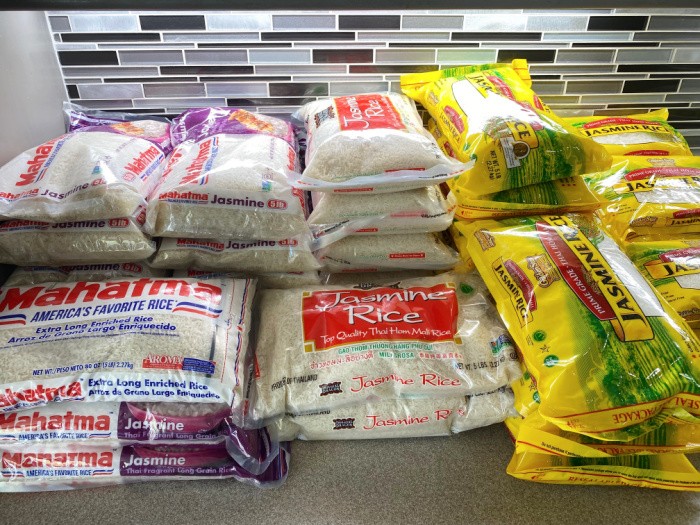
- Buying whole ingredients like flour, rice, beans, and oats in bulk is almost always cheaper per serving than buying pre-made meals.
- Learning to cook from scratch reduces reliance on takeout and restaurant meals, which can quickly drain a family budget.
- Home cooks can stretch a single roast, whole chicken, or pot of beans into multiple meals, cutting the overall cost per plate.
- Scratch cooking pairs naturally with home food storage, allowing families to buy in bulk during sales and rotate their pantry for savings all year long.
- Making your own bread, snacks, and condiments from scratch eliminates the markup that comes with convenience packaging and branding.
- Families who cook from scratch waste less food because they understand how to use leftovers creatively in meals like soups, casseroles, and fried rice.
- Growing a garden and cooking what you grow can multiply your savings even further, turning a few dollars’ worth of seeds into meals worth much more.
- Scratch cooking reduces the temptation to grab expensive convenience items during grocery runs, since you already have the staples on hand.
- Home canning and preserving what you cook from scratch allow you to enjoy garden or bulk-sale produce throughout the year at a fraction of grocery store prices.
- Teaching children to budget for and cook a meal from scratch gives them a practical money skill they’ll use for the rest of their lives.
Family Bonding and Memories
- Cooking together in the kitchen creates natural, unhurried time for conversation between parents, grandparents, and children.
- Recipes passed down through generations become a tangible connection to grandparents and great-grandparents who are no longer with us.
- Children who help prepare a meal feel a sense of ownership and pride when the family sits down to eat it together.
- Holiday traditions built around scratch-cooked dishes, like a special pie or a certain kind of rolls, become cherished memories that children carry into adulthood.
- Cooking from scratch as a family slows down the pace of a busy household and creates a shared ritual everyone can look forward to.
- Grandchildren who learn recipes directly from their grandparents preserve family history in ways that written recipes alone can’t always capture.
- Working side by side in the kitchen teaches siblings patience and cooperation as they learn to share tasks such as mixing, chopping, and setting the table.
- Family recipes often carry stories, such as who first made the dish or what occasion it was created for, and cooking it again keeps that story alive.
- A home filled with the smell of something baking or simmering creates a sense of comfort and security for children that they’ll associate with home for the rest of their lives.
- Teaching a child to cook is one of the most personal forms of mentorship a parent or grandparent can offer, built on patience and hands-on time together.
Practical Life Skills
- Learning to cook from scratch teaches basic math skills through measuring, converting units, and adjusting recipe quantities.
- Scratch cooking builds reading comprehension as children follow written instructions and understand cooking terminology.
- Children who cook learn to plan ahead, since many scratch recipes require prep time, marinating, or rising time before a meal is ready.
- Cooking teaches problem-solving, such as what to do when you’re missing an ingredient or need to fix a sauce that’s too thin or too thick.
- Knife skills, learned safely and gradually, build fine motor coordination and confidence in the kitchen.
- Understanding how to properly store, thaw, and cook meat safely is a lifelong food safety skill that protects health.
- Learning to bake bread teaches patience and an understanding of chemistry, as children see yeast, heat, and time transform simple ingredients.
- Scratch cooking teaches organization, since a cook must gather ingredients, follow steps in order, and manage multiple dishes at once for a full meal.
- Children who learn to cook develop independence early, giving them confidence to prepare their own meals when they leave home for college or their first apartment.
- Cooking from scratch teaches responsibility, as children learn that a meal depends on their effort and attention from start to finish.
Emergency Preparedness and Self-Reliance
- Families who know how to cook from scratch are far better equipped to prepare meals during power outages or emergencies when premade or frozen foods are unavailable.
- Scratch cooking skills allow you to make full use of a food storage pantry stocked with basics like wheat, rice, beans, and powdered milk.
- Knowing how to bake bread from scratch means your family will never go without fresh bread, even if store shelves are empty.
- Scratch-cooking knowledge allows a family to make do with limited or unusual ingredients during a supply shortage, rather than relying on specific packaged products.
- Understanding basic food preservation, such as canning, dehydrating, and fermenting, extends naturally from scratch cooking and builds a family’s resilience.
- A family skilled in scratch cooking can prepare nutritious meals over a camp stove, wood stove, or fire if the power goes out for an extended period.
- Teaching children to cook from scratch now means they won’t panic in a future emergency, because they already know how to turn basic pantry staples into a real meal.
- Scratch cooking skills reduce a family’s dependency on grocery store supply chains, which can be disrupted by weather, transportation issues, or economic instability.
- Knowing how to cook from scratch allows a family to make the most of garden harvests, hunted game, or bartered food during difficult times.
- Passing down scratch-cooking skills is a form of preparedness in itself, ensuring the next generation is never truly helpless in the kitchen, no matter what circumstances they face.
Cultural and Heritage Connection
- Many family recipes carry the flavors of a specific culture or region, and cooking them keeps that heritage alive for future generations.
- Learning traditional recipes from scratch helps children understand where their ancestors came from and what daily life was like for them.
- Scratch cooking preserves regional dishes that might otherwise be lost as families move away from the areas where those recipes originated.
- Holiday and religious traditions are often centered on specific scratch-made dishes, and preparing them helps keep faith and family customs connected.
- Teaching a grandchild a recipe from the old country or from a grandparent’s own childhood is a way to keep a family’s story alive through food.
- Scratch cooking connects children to their family’s agricultural history, especially if previous generations farmed, ranched, or gardened for their food.
- Learning to cook ethnic or regional dishes from scratch broadens a child’s appreciation for other cultures and their culinary traditions.
- Family cookbooks filled with handwritten scratch recipes become treasured heirlooms that carry more meaning than any store-bought cookbook.
- Cooking from scratch allows families to recreate dishes tied to specific memories, like a grandmother’s Sunday dinner or a father’s favorite camping meal.
- Passing down scratch cooking traditions honors the hard work and resourcefulness of earlier generations who didn’t have the convenience foods we have today.
Environmental Benefits
- Cooking from scratch typically produces less packaging waste than relying on individually wrapped, pre-made foods.
- Scratch cooking goes well with buying local and seasonal produce, which reduces the environmental footprint of long-distance food transportation.
- Home cooks can use whole ingredients efficiently, reducing the food waste that comes from unused portions of packaged convenience meals.
- Growing your own herbs and vegetables for scratch cooking reduces reliance on commercially farmed produce shipped from far away.
- Composting scraps from scratch cooking, such as vegetable peels and eggshells, returns nutrients to the soil rather than sending them to a landfill. I confess, I don’t compost. There, now you know. LOL!
- Making your own broth from bones and vegetable scraps instead of buying boxed broth reduces both waste and unnecessary packaging.
- Scratch cooking encourages using reusable containers for storage rather than the single-use packaging that comes with many processed foods.
- Families who cook from scratch often buy in bulk, which reduces the amount of plastic and cardboard packaging compared to buying many small packaged items.
- Understanding how to use every part of an ingredient, such as vegetable stems or bones, teaches children to reduce waste naturally.
- Teaching children to cook from scratch instills an appreciation for where food comes from, which often leads to more environmentally conscious choices as adults.
Taste, Quality, and Enjoyment
- Food made from scratch almost always tastes fresher and more flavorful than something that has been processed and sitting on a shelf.
- Scratch cooking allows a cook to adjust seasoning and flavor exactly to their family’s preferences, rather than accepting a standardized taste.
- Homemade bread, made fresh, has a texture and aroma that no store-bought loaf can fully replicate.
- Scratch-cooked meals can be customized for texture, spice level, and ingredient combinations in ways that packaged meals simply can’t offer.
- Children who grow up eating scratch-cooked meals often develop a more adventurous palate, since they’re exposed to real ingredients and genuine flavors.
- There’s a deep satisfaction in eating something you made yourself, from raw ingredients, that a microwaved meal simply can’t provide.
- Scratch cooking allows for experimentation, letting a family discover new flavor combinations and recipes that can become their own signature dishes.
- A meal made from scratch, timed and seasoned with care, brings a level of quality that fast food and pre-packaged meals rarely achieve.
- Cooking from scratch allows you to use fresh herbs and spices at their peak, giving meals a brightness that dried, pre-mixed seasoning blends often lack.
- The pride of serving a homemade meal to family and guests adds an emotional satisfaction that goes beyond just taste.
Confidence and Self-Sufficiency
- Children who learn to cook from scratch develop confidence in their ability to provide for themselves and their future families.
- Mastering scratch cooking skills reduces anxiety around meal planning, since a confident cook can look at basic ingredients and know what to make.
- Learning to cook builds resilience, as children learn from mistakes like a burnt dish or a failed recipe and try again without fear.
- A person who can cook from scratch is never truly dependent on restaurants or convenience foods, giving them freedom and flexibility wherever life takes them.
- Scratch cooking skills allow young adults to eat healthier and more affordably once they move out on their own, rather than relying on fast food.
- Teaching children to cook builds a sense of accomplishment that carries over into other areas of life, like schoolwork and future careers.
- Confidence in the kitchen often leads to social confidence in hosting others, allowing children to grow into adults who enjoy sharing meals with friends and family.
- Scratch cooking skills enable young people to care for themselves during illness, recovery, or difficult financial seasons without having to rely on others.
- A person who understands how to cook from scratch can adapt recipes to whatever ingredients are available, which builds resourcefulness for life.
- Raising children who know how to cook prepares them to teach their own children one day, continuing a cycle of self-sufficiency for generations to come.
Community, Sharing, and Generosity
- Families who cook from scratch are often more able and willing to share meals with neighbors in need, whether during a hard season or simply as an act of kindness.
- Scratch-cooked meals are a meaningful way to comfort a grieving family or celebrate a new baby, since a homemade dish carries more warmth than a store-bought one.
- Teaching children to cook from scratch encourages generosity, as they learn the value of preparing food to give away rather than just eat themselves.
- Potlucks, church dinners, and community gatherings are often built around scratch-cooked dishes, strengthening bonds within a neighborhood or congregation.
- Sharing a family recipe with a friend or neighbor is a simple but powerful way to build community and pass along kitchen wisdom.
- Scratch cooking skills enable families to contribute meaningfully to food drives and community meals by making dishes from affordable, wholesome ingredients.
- A family known for their scratch cooking often becomes a source of comfort and hospitality for others, welcomed and appreciated in their community.
- Teaching children to cook and share food helps them understand the biblical principle of caring for others through simple acts of service.
- Scratch cooking creates opportunities to mentor others, whether teaching a young neighbor to bake bread or helping a new parent learn a few easy recipes.
- Ultimately, passing down the skill of cooking from scratch is one of the most lasting gifts we can give our children and grandchildren, equipping them not only to feed themselves but to nourish and bless everyone around them for generations to come.
Learn To Make Bread
Hot Pads I bought size 9 and ALWAYS bake with these
- 1 cup warm milk
- 2 tsp. SAF instant yeast
- 2 tsp. dough enhancer (optional)
- 1 egg
- 1/8 cup oil-I use olive oil
- 3/4 tsp. sea salt
- 1/4 cup sugar
- 1/4 cup warm water
- 3 to 3-1/2 cups white bread flour
-
I start with a Bosch bread mixer, although you could make this in a bowl. I put the yeast, warm water, salt, oil, and sugar in the bowl.
-
I then add the eggs and lightly mix them in the Bosch so the egg does not “cook”.
-
Then I slowly add the warm milk and flour. I continue to add flour until the bread dough pulls away from the sides of the Bosch bowl.
-
Then knead the dough for about 7-8 minutes. I place the dough in a greased bowl and cover it with plastic wrap.
-
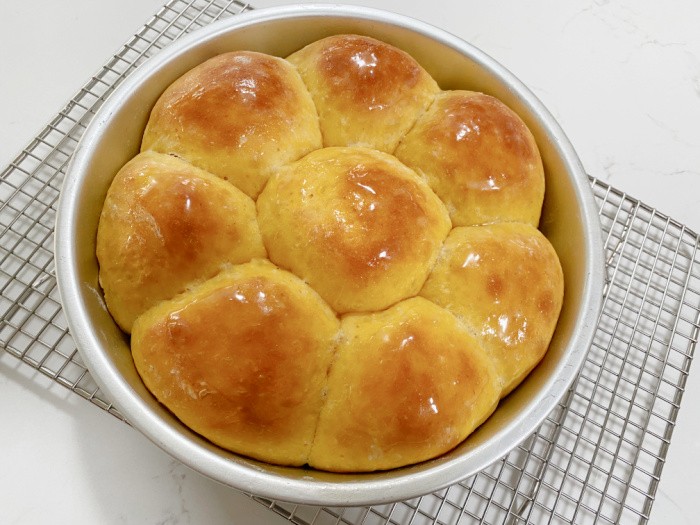
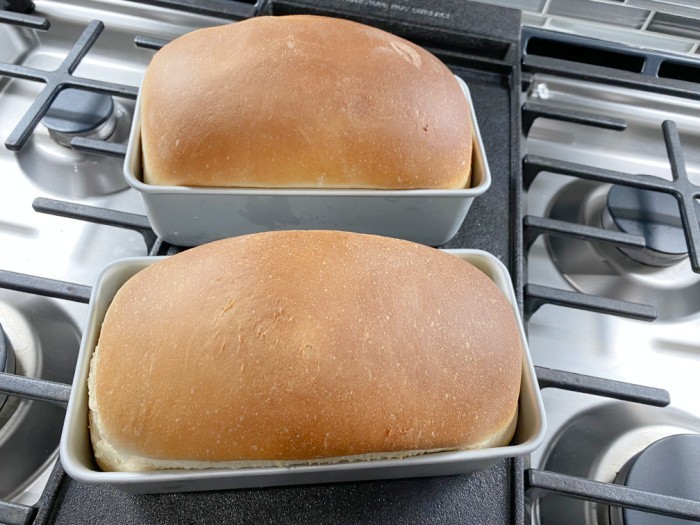
Let the dough rise until it's doubled in size. Then punch down the dough, make it into loaves, and place these in greased pans (this recipe makes two 1-pound loaves).
-
I let it rise once again (using the same plastic wrap) until doubled in size.
-
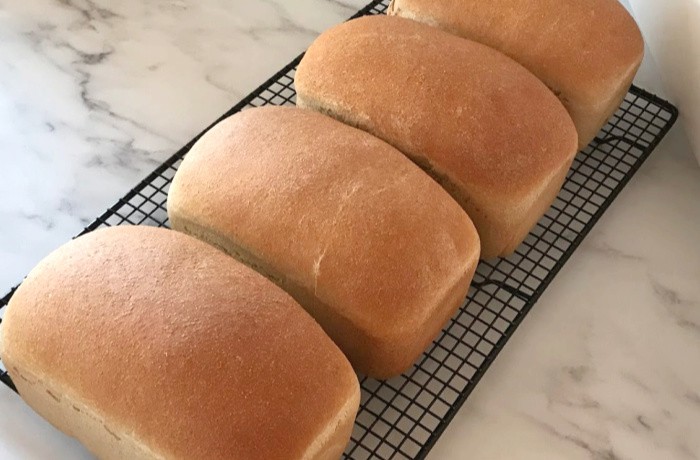
Remove the plastic wrap and bake them at 350°F (176°C) for 27-30 minutes. I lightly butter the tops of each loaf after baking and remove them from the pans.
HOW TO MAKE SCONES aka Fry Bread
- I start with a very large skillet and heat the oil one to two inches deep until I can spritz a few drops of water into the oil ever so carefully; then I know it’s hot enough.
2. You will start with one ball of dough about the size of a tennis ball, maybe a little smaller, but bigger than a golf ball.
3. Then mash the dough with the palm of your hand on a greased countertop and use a rolling pin to roll the dough from the center out. You keep rolling from the center out until they are very thin.
4. Then place them in the hot oil really carefully because the oil will splatter. Here’s the deal: yes, it’s a big mess, but I’m talking about memories right now.
5. Adults and kids always love hot scones. Fry them until golden brown, then turn them over and cook the other side until golden brown too.
30 Tips on How to Cook From Scratch
Final Word
Cooking from scratch isn’t just about the food on our table. It’s about the time we spend together in the kitchen, the skills we hand down, and the confidence we build in the children and grandchildren watching us stir the pot or knead the dough. Every loaf of bread baked, every pot of soup simmered, and every recipe taught is an investment in a generation that’ll know how to feed itself, care for others, and stand strong no matter what challenges come their way. Start small, start today, and let your kitchen become a place of learning, love, and lasting memories. May God bless this world, Linda


Linda,
The carrot cake recipe shown in your opening montage is basically the same as the recipe Pat inherited from her Mom fifty-six years ago. There is one difference, where yours shows to add a cup of raisins, hers adds a cup of chopped pecans, Texas style. We have been making her Mom’s recipe quite a number of times recently for neighbors, friends and family. I grate the carrots and she does the rest.
Hi Harry, oh, I need to try it with pecans, Texas style; my mom would have loved it. I may redo that recipe, and I will have Mark grate the carrots! LOL! Linda
Again, you have hit one out of the ball park. I started cooking from scratch when I was fresh out of school. Didn’t know any better and Mom gave me a cook book (still have it) telling me “all you have to do is read and think to do that stuff.” My dearest, now departed, mentor told me “cooking is just chemistry.” Oh, then, I had all the chemistry classes my university offered. Then, changed majors!
I do advise people to put their dry stores into containers that bugs can’t eat through. We bring most of them home from the grocery in our food. No cross contamination in my pantry.
How awful it would be (and a waste of money), to be in a situation a year from now where you NEED food, and it’s destroyed, dangerous, inedible.
Good one, my dear!
Hi CAddison, thank you for the 5 stars, my sweet friend. Nothing is worse than bugs, mice, and insects in our food storage. Every bit of my food storage is in an airtight container. Over the years, when we bought a new house, the soil was dug up or whatever, and lo and behold, Sugar ants, Mice, Weevils. I did help a friend with Pantry Moths; what a mess. What we store must be protected. I even put my cake mixes in Rubbermaid airtight containers. You get mice ONCE and you learn. LOL! Not fun! I’m glad your mother gave you a cookbook. Great gift, Linda
Cooking from scratch is one of the most important survival skills a person can learn, so good for you for listing all the reasons why we should.
Harry’s pecan carrot cake recipe is probably the same one my mom and grandma made. Delicious! My younger brother and I would gather and shell the pecans. I’d pick, peel and grate the carrots. That was the deal we had with mom and grandma for making that carrot cake.
Hi Ray, thank you for the 5 stars, my sweet friend. I bet our moms got the same recipe from someone!! I love it. Cooking and baking are critical skills for sure. Linda
Cooking from scratch is a valuable skill that is being lost. My great nephew was so impressed that I could make bread and the jam that goes on it.
Even Though I started out cooking from scratch, I have gotten better at it over the years. I don’t understand people who go out to eat, when it isn’t a special occasion.
Hi Janet, I totally agree. I love hearing that your nephew was impressed that you made the jam for your homemade bread! We have some great friends who love to eat out. I think they actually eat most meals out. We go out to dinner about every other month. We eat such simple meals that it doesn’t make sense to pay to go out when I can fix them at home. We do need a social life, but I guess I am just too frugal. Life is good petting my dog at home after my homemade meal. Linda
Great article Linda! The carrot cake with pecans sounds wonderful. I have deep roots in the south and pecan pie is my favorite pie, even more so than the peach pies I make for the husband. I will certainly try adding the pecans to my carrot cake! How can that be bad?
Hi Paula, thank you for the 5stars, my sweet friend. I love pecan pie with whipping cream; I always ask for one at Thanksgiving! I can going to try the pecans in my carrot cake now! LOL! I love pecans! Linda