The 3-Month Food Storage Challenge
This post may contain affiliate links. We may earn a commission if you purchase via our links. See the disclosure page for more info.

I feel it’s appropriate to help those without food storage to inform them about my 3-month food challenge. Building a food storage inventory doesn’t have to be complicated, expensive, or scary. Whether you’re motivated by emergencies, rising grocery prices, or just wanting more financial cushion, a 3-month food supply is one of the most practical things you can do for your family. Everything you need to know, what to buy, how to store it, and how to get started, even on a tight budget, is included in this post.
This post breaks it all down simply. By the time you finish reading, you’ll know exactly what to buy, how to store it, and how to build your supply week by week without breaking the bank.
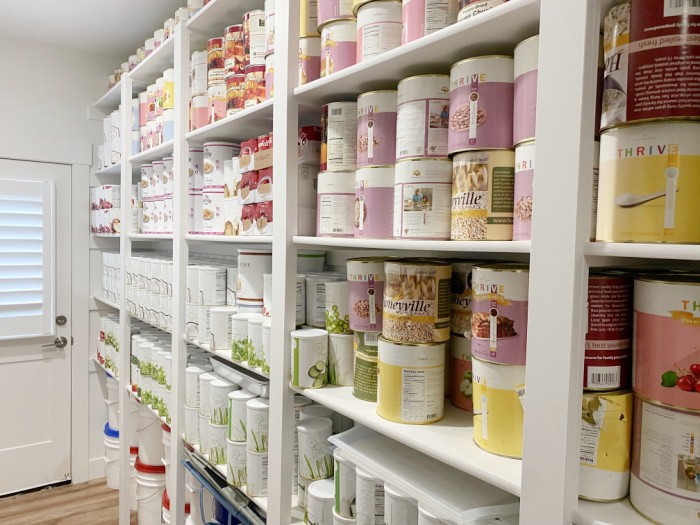
Did I mention that Mark and I are living off of our #10 cans of freeze-dried food? We decided that at our age, we may as well start eating it now. Our children won’t want all that we have stored. That’s okay, I get it. We taught them to garden, preserve food, cook from scratch, and, my favorite, to make bread. They all know how to cook from scratch; that’s a blessing.
Cooking with freeze-dried food takes more water than I had anticipated. Just giving you a heads up. Freeze-dried food takes a bit to get used to. I hope you practice now with a can or two. All of my #10 cans and pantry cans are from the company that closed, called Thrive Life. Great products, great company. It was sad to see them close.
Freeze-Dried Food
The meat is not what you would expect, my friends. It’s fine for casseroles and soups. It’s okay for tacos, but not my favorite. The chicken is chewier than I had expected. It’s fine, it’s food. I opted against any “prepared meals” because I knew I could cook from scratch. They have a lot of sodium in them, but hey, it’s quality food storage with a long shelf life.
My freeze-dried food is just what it says on the can: ground beef, chicken, onions, apples, etc. No additives. Just oxygen absorbers. I have everything I need to cook from scratch. Would I love a half of beef, of course I would. It’s not in the budget. We have everything we need to survive and stay healthy.
Why Build a 3-Month Food Storage Inventory?
Three months is the sweet spot recommended by emergency management agencies, financial experts, and preparedness communities for one simple reason: it’s enough to cover almost any realistic disruption.
- Job loss or income disruption: a fully stocked pantry means your food budget is covered while you get back on your feet
- Natural disasters: storms, earthquakes, and floods can cut off supply chains for days or weeks
- Illness or injury: when you can’t leave the house, your pantry has you covered
- Grocery savings: buying in bulk when prices are low can save families 20–30% on food costs annually
Key Insight: A 3-month food storage plan for one person costs roughly $300–$500 to build — about $25–$40 per week over 12 weeks. For a family of four, budget $800–$1,500 total.
What Food to Buy First
The golden rule of food storage: store what you eat, and eat what you store. Don’t buy a bunch of unfamiliar foods your family won’t touch in a stressful situation. Start with your everyday meals and build from there.
Here’s a breakdown of the core food categories to focus on, in order of priority:
1. Grains (Your Caloric Foundation)
White rice, pasta, oats, and flour form the backbone of your supply. They’re cheap, calorie-dense, and store for years. Buy these first and buy a lot of them.
2. Proteins
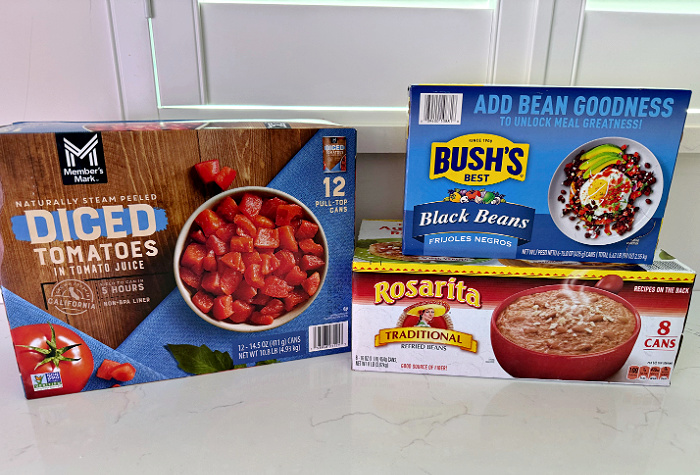
Canned tuna, canned chicken, salmon, beans, and lentils give you the protein your body needs. Peanut butter is also a pantry hero, calorie-dense, shelf-stable, and universally loved.
3. Canned Fruits & Vegetables
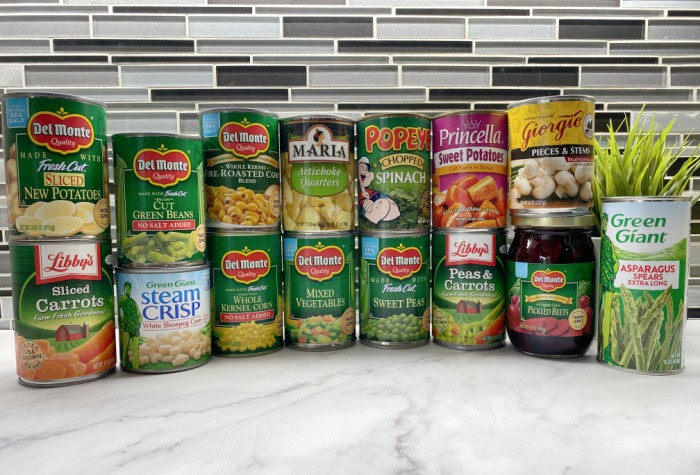
Canned tomatoes, corn, green beans, and mixed vegetables round out your nutrition needs and make meals feel like actual meals rather than survival rations.
4. Fats & Oils
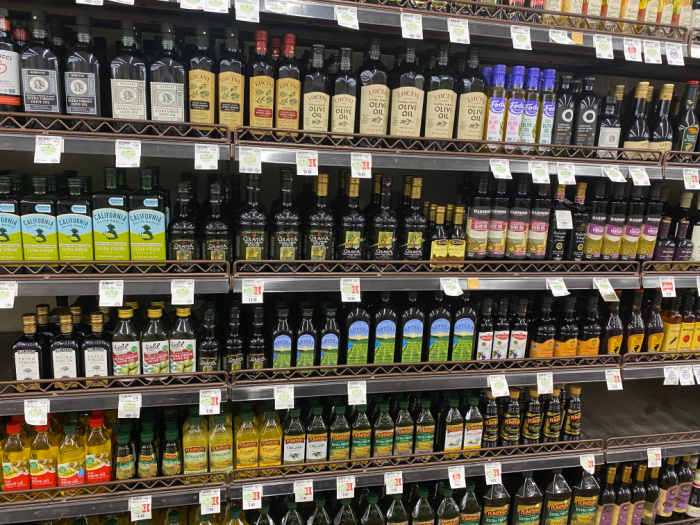
Olive oil, coconut oil, and ghee add calories and enhance the taste of food. These have shorter shelf lives than other categories, so buy smaller amounts more frequently.
5. Flavor & Comfort Foods
Salt, sugar, spices, coffee, tea, and a few comfort items are underrated. Morale matters during hard times. Don’t build a storage inventory that’s technically nutritious but miserable to eat from.
How Much Food You Actually Need
Here’s a simple reference table for a 3-month supply per person. Multiply by your household size.
PRINTABLE: 3 Month Food Supply Check List
| Food Category | Amount (per person) | Shelf Life |
|---|---|---|
| White rice | 25–35 lbs | 25+ years |
| Pasta | 15–20 lbs | 5–8 years |
| Oats | 10–15 lbs | 5–30 years |
| Dried beans & lentils | 20–25 lbs | 8–30 years |
| Canned protein (tuna, chicken) | 25–35 cans | 3–5 years |
| Canned vegetables | 40–60 cans | 3–5 years |
| Peanut butter | 6–10 jars | 1–2 years |
| Cooking oil | 4–6 liters | 1–2 years |
| Sugar & salt | 10–15 lbs each | Indefinite |
How to Store It Correctly
Buying the right food is only half the equation. Proper storage can double or even triple the shelf life of your food. The four enemies of food storage are heat, light, moisture, and oxygen.
- Keep it cool: Store food in the coolest area of your home, a basement, interior closet, or pantry. Avoid garages and attics. Every 10°F increase in temperature roughly halves shelf life.
- Keep it dark: Light degrades vitamins and fats. Use opaque containers or keep shelves in low-light areas. Label everything with the purchase date.
- Use airtight containers: Transfer bulk grains and beans from bags into food-grade buckets with airtight lids. Add oxygen absorbers for long-term storage.
- Rotate Using FIFO: “First In, First Out”; put new purchases in the back, eat from the front. Check dates every 6 months.
- Keep it off the floor: Shelves or pallets protect from moisture and potential flooding damage.
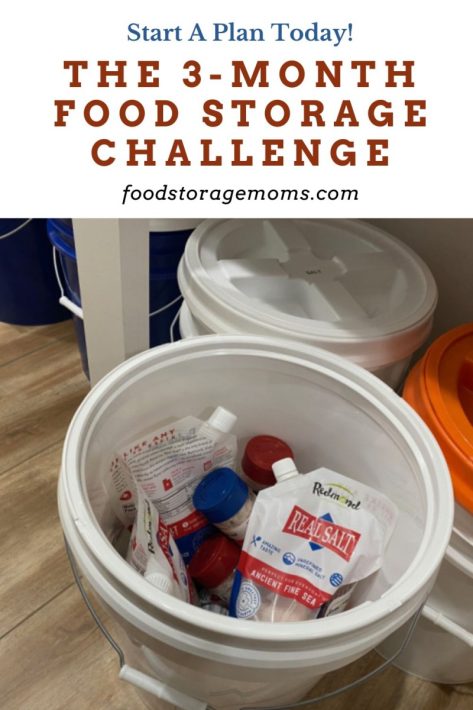
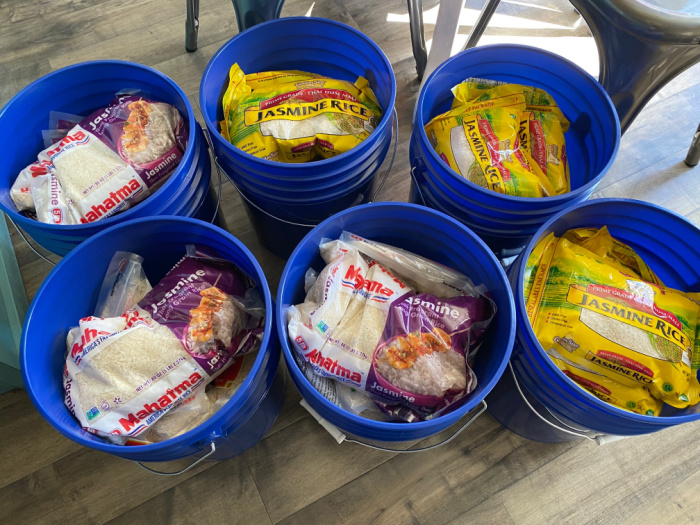
Best Storage Container: 5-gallon food-grade buckets with gamma-seal lids are the gold standard. They’re airtight, stackable, rodent-proof, and one bucket holds about 33 lbs of rice. You can find them at hardware stores or online for $8–$15 each. I have a lid color coding system, so I know how much of each food commodity I have in storage. I also have each container labeled so there’s no question what’s inside if I’m not available when food is being prepared using the stored item(s).
How to Get Started This Week
The hardest part of food storage is simply starting. Here’s a simple 4-step plan to get your first week going:
Audit What You Already Have: Walk through your pantry and write down what’s already there. You likely already have a good head start. Note expiration dates and identify gaps in commodities and dates.
Set a Weekly Budget: Even $20–$30 extra per week adds up quickly. Decide on an amount you can consistently commit to over the next 12 weeks.
Buy Your Grains First
This week, buy (1) 25-lb bag of white rice and 10 lbs of pasta. That’s your caloric foundation, and it’ll cost you around $20–$30. Store it in an airtight container.
Add Proteins Next Week
A case of canned tuna (24 cans) and a 10 lb bag of dried lentils. You now have the foundation of real, nutritious meals that could last weeks.
Keep going week by week, filling in vegetables, flavor builders, and comfort foods. Within 12 weeks, you’ll have a complete, solid supply.
Frequently Asked Questions
Do I need special “survival” food or freeze-dried meals?
No. Regular canned goods and bulk dry staples work perfectly well, cost a fraction of the price, and use foods your family already knows how to cook. Only consider freeze-dried food once your basic pantry is fully stocked.
Where do I store food in a small apartment? Under beds, in closets, behind furniture, and in storage ottomans. You’d be surprised how much a small apartment can hold with creative use of vertical space. A single tall bookshelf dedicated to food storage can hold a substantial supply for one or two people.
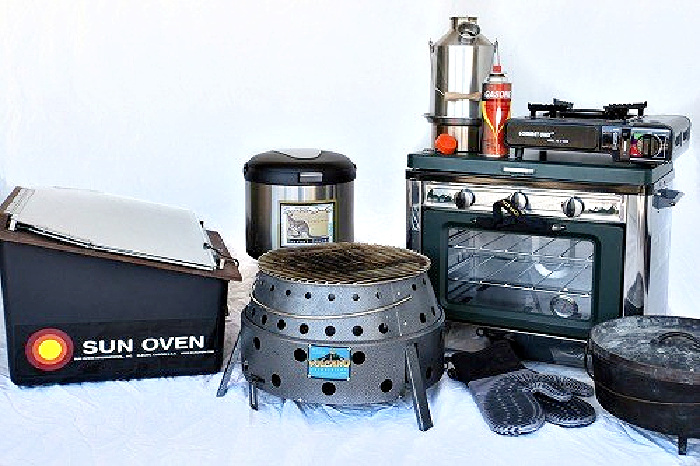
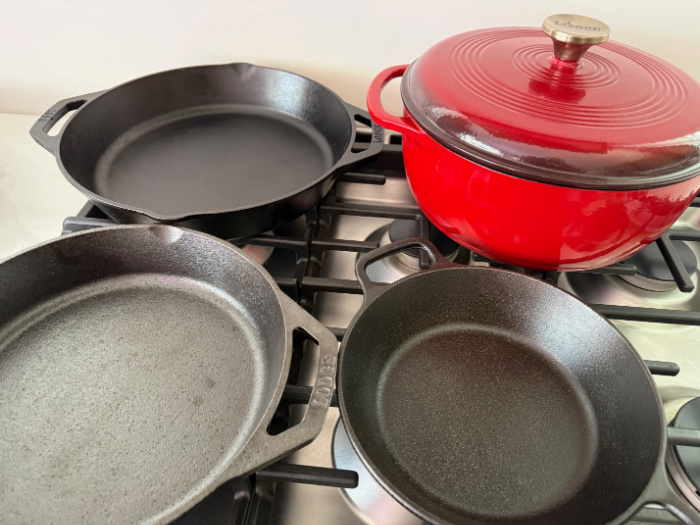
How do I cook if the power goes out? A two-burner propane camp stove ($30–$60) is the most practical solution for most households. Store a few extra propane canisters alongside your food supply. You’ll need a plan to use the stove outside for safety’s sake.
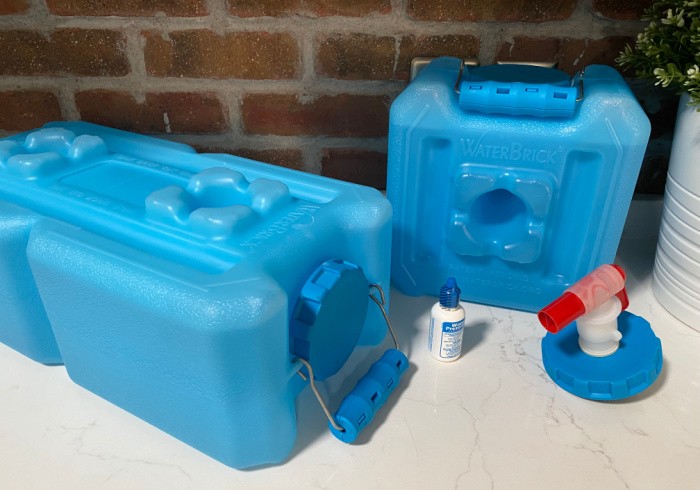
What about water? Water comes before food. The recommended minimum is one gallon per person per day; that’s 90 gallons per person for a full 3-month supply. Start with stackable water storage containers or large food-grade water barrels. I recommend 4 gallons of water per day per person. Please remember your pets need water.
Will this actually save me money on groceries? Yes, often significantly. Buying rice by the 25-lb bag instead of the 2-lb box typically cuts the price per pound by 60–70%. Having a full pantry also means you shop sales strategically and never make expensive last-minute grocery runs.
15 Foods I Would Stock For Sure
Final Word
Building a 3-month food storage inventory isn’t about living in fear; it’s about living with confidence. When your pantry is stocked, a job loss doesn’t become a food crisis. A storm doesn’t send you scrambling. An unexpected expense doesn’t mean skipping meals.
Start small. Buy a bag of rice and a case of canned beans this week. Add a little more next week. Before you know it, you’ll have something that genuinely protects your family and saves you money in the process. The best time to build your food storage was last year. The second-best time is today. May God bless this world, Linda





Excellent article, Linda! ALWAYS store what you eat for sure. I love lentils but the husband doesn’t so I don’t have much of that put back. Otherwise he eats whatever is set before him. He’s also a good cook in his own right!
Hi Paula, we are lucky our husbands eat what is put before them. LOL! I never put squash in front of Mark but he will eat everything else I put in front of him! It’s awesome to have help cooking in the kitchen too! Linda
I love this plan. I admit, right now, we are cooking thru some of our supplies. Using up before expiration dates and downsizing before we restock in the spring and summer. December and January were bitter cold and we were delighted to stay inside. Even our friendly squirrel needed our help to get thru this winter.
Hi Chris, that squirrel picture was the cutest thing ever! We are using up what we have and getting ready to restock as well. Linda
When people comment negatively on why I stock up. I ask them if they have health insurance, car insurance, house insurance. Well I tell them I have all of those but also have food insurance.,
Hi Sophia, the people who talk negatively about why you stock up will the first ones in line at your door after a disaster. They can’t count on you sharing, you are responsible for YOUR family. Good job!! The insurance story is the same thing I tell people. We may never use this but if we need it, we will have it. Linda
This is an excellent plan. You made it easy for everyong. Good job.
Once a pantry is set for 3 months, most everything can be bought on sale or BOGO going forward. This furthers the savings. I like clear glass snap wring top jars. They are not cheap but last forever. Living in the subtropics, even with a/c, pests and mold are always knocking on the door. They are not as efficient space wise as the buckets. We don’t have/can’t have basements. 3′ down (depending on tide) is mostly salt water.
Without a basement and with a few shelves in the garage area (we live in a stilt house) downstairs, I’m confident we have about a year of food. We do have some Freeze dried food buckets, too. I built it up starting in 2020 with what ship’s stores I had leftover from a 4 month sailing trip.
When you provision for off shore, there are NO stores, so if you don’t have it when you leave, you won’t have it on the trip. It’s good to know how much TP your household uses!
Life is good.
Hi CAddison, thank you for your kind words. You know how you lived would be such a great experience for everyone. What you have on the sailboat, it’s not conveniient to stop and shop. What you have is what you will eat and use. Yes, the TP must be estimated! Life is good! Linda
Hey, Linda: This must be all the rage right now, using up what you stored previously and restocking what you know you will eat without issues. We are so very blessed over here! I cannot even imagine restocking canned foods without being part of the Azure Standard deliveries. Wow! We just tried to Sierra Nevada White Cheddar (organic, grassfed, etc.) Cheese, and I am about to order a 5 lb. block!!! It is some of the best cheese I’ve ever eaten and is on sale this month, too.
After years of being friendly with our Amish friends about 20 mins. from our home, they keep calling from time to time to see if we want more ground venison, as they have been hired by a local orchardist to harvest deer that are eating the tender tips of his apple trees (due to such a hard winter over here). “Lucky us”! They have delivered to us 164 lbs.!!!!! of venison hamburger and even a little bit of slabs of venison off the sides they were processing over a period of maybe 2 1/2 weeks. Of course, we have been calling poor people who really need the help with food, and others that we know love venison or want some to send home with their adult kids (and their young families). What a blessing to become the local storehouse for venison that only costs $1.50/lb. for the processing! You cannot sell nuisance permit venison, but you can charge for the processing costs, so that is only fair. Most of those deer are young enough the meat is especially tender and tastes wonderful, since they are eating apples from the ground and apple tree wood. 🙂 We are grateful to be able to help so many hungry and unemployed people as well as many dear friends whose adult children grew up with ours!! Take care now, everyone! We pray for peace and God’s help through trying times!! Best to all, JESS
Hi Jess, oh how I wish we lived near the Amish, I would shop there all the time. You are so blessed to help others for a fraction of the price of meat at a grocery store. Love this, Linda
Hey, Linda: I apologize if my message sounded confusing. We do not shop at an Amish store. We two families are friends of over 10 years, and they know I am a “sharer”, so they asked if I knew any people who are poor that could use meat or anyone that would REALLY want it! We do not pay for the meat. We/They are only allowed the processing fee of $1.50/lb. I actually sometimes feel guilty about that negligible price, because they have to do a LOT of work to accomplish processing all of the nuisance deer that are eating the trees in the apple orchard. So, what I do, is I share lots of our frozen berries, which they love and sometimes other things with them, just to take the sting out of such a huge amt. of meat going for near nothing reimbursement (processing). I am thinking of sharing with them some quarts of my elderberry/blackberry/blueberry juice I steam process every fall. It is worth a LOT during cold and flu season, so they may love that, too. We have too many berries in our freezer, so we are delighted to offload some to others who are happy to get them! PLUS, that leaves us with more freezer space to freeze venison!!
Hi Jess, that is a blessing either way. They will love the berries and the juice you made as well!! Love it! Linda