50 Essential Pantry Items I Would Stock Today
This post may contain affiliate links. We may earn a commission if you purchase via our links. See the disclosure page for more info.

This expanded guide dives deep into 50 essential pantry items I would stock today, including the why, how to store them, how to use them, and practical tips for keeping your pantry organized and functional.
If there’s anything the last few years have taught us, it’s that having a well-stocked pantry is more than convenience; it’s a form of preparedness, peace of mind, and smart home management. Whether you’re cooking daily meals, preparing for inflation and rising grocery prices, or wanting peace of mind during emergencies, a thoughtfully stocked pantry can save your family time, money, and stress.
Why a Well-Stocked Pantry Matters
Pantry-building is an old-fashioned skill that has stood the test of time for good reason. Generations before us relied on bulk staples to get through every season—hot summers, cold winters, lean times, and the busy days that come with raising a family. Today, our reasons may look slightly different, but the benefits remain:
Saves Money
Pantry ingredients are usually inexpensive, especially when purchased on sale, in bulk, or during seasonal markdowns. A stocked pantry reduces impulse buys and last-minute shopping trips, which often lead to overspending.
Reduces Meal-Time Stress
You don’t have to wonder what’s for dinner when you already have the building blocks for hundreds of meals.
Increases Self-Reliance
Whether it’s a snowstorm, power outage, illness, or unexpected budget tightness, a full pantry gives you confidence that you can feed your family.
Fewer Grocery Trips
A well-planned pantry means you shop less often, saving time and reducing exposure to crowds during seasonal rushes.
Supports Cooking From Scratch
Homemade meals are cheaper, healthier, and more customizable—and a stocked pantry makes them possible on even the busiest nights.
How to Use This List
Below are 50 essential pantry items, each with:
- A detailed description
- Why it matters
- How long does it last
- Ways to use it
- Storage tips
- Budget tips
This is a trustworthy long-form resource my readers can rely on.
50 Essential Pantry Items I Would Stock Today
I. Baking Essentials
These form the backbone of from-scratch cooking—bread, biscuits, muffins, pancakes, desserts, sauces, and more.
1. All-Purpose Flour
All-purpose flour is the workhorse of the baking world. It’s essential for biscuits, muffins, cookies, pancakes, thickening sauces, dredging meats, and more.
Shelf Life: 12–18 months (longer in the freezer)
Store in: Air-tight containers to prevent pests
Use for: Quick breads, tortillas, pie crusts, gravies
Budget Tip: Buy during holiday sales when flour is deeply discounted.
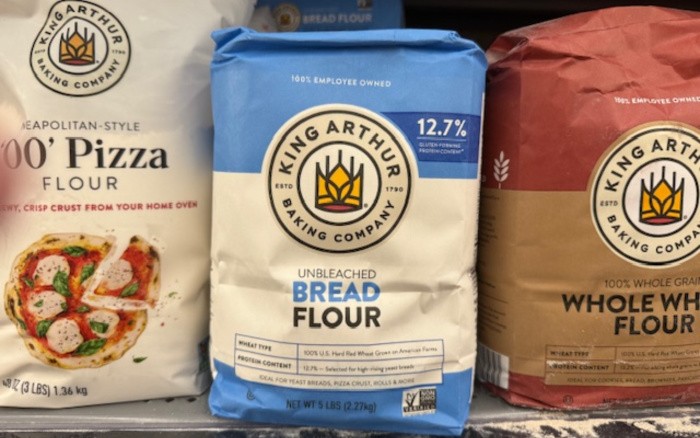
2. Bread Flour
Bread flour has a higher protein content that helps the dough rise higher and develop a better structure.
Use for: Homemade sandwich bread, pizza crust, cinnamon rolls
Why It Matters: Gives homemade bread a bakery-style texture.
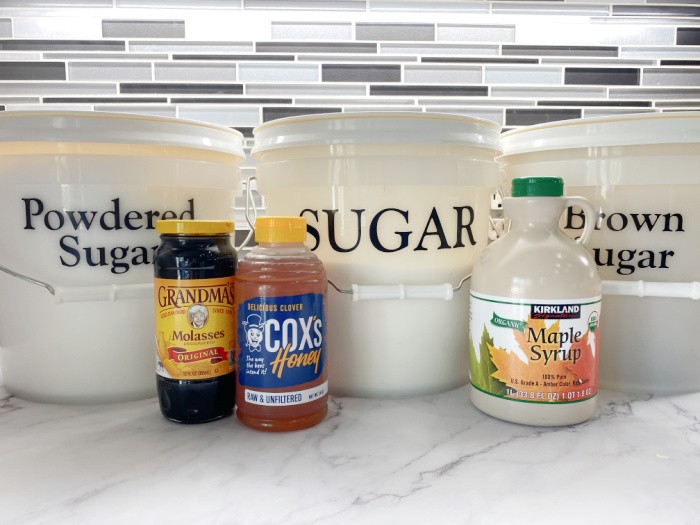
3. Granulated Sugar
A staple in baking and necessary for balancing the acidity of foods like tomatoes and vinegar.
Use for: Baking, canning, sauces, sweetening oatmeal
Shelf Life: Indefinite when stored properly
4. Brown Sugar
Moist and rich, brown sugar is essential for cookies, marinades, BBQ rubs, and warm breakfast dishes.
Storage Tip: Add a slice of bread or a few marshmallows to the container to soften if it hardens.
5. Powdered Sugar
Perfect for frostings, glazes, whipped cream, and dusting desserts.
Why It Matters: Enables you to elevate simple baked goods anytime.
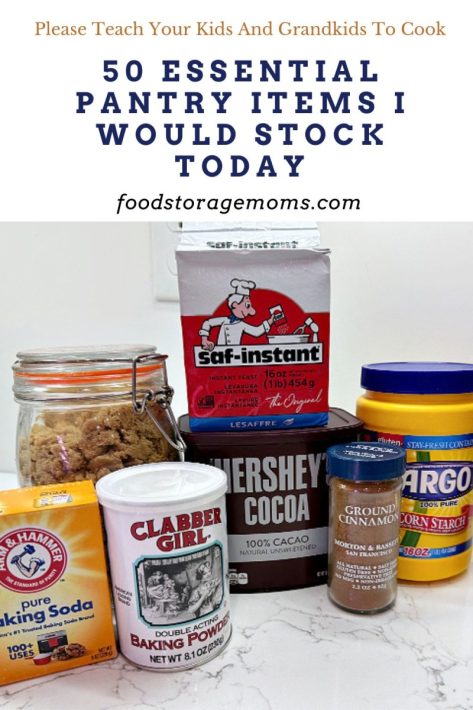
6. Baking Powder
A leavening agent used in cakes, biscuits, pancakes, and quick breads.
Shelf Life: 6–12 months
Tip: Test freshness by dropping a small amount into hot water. If it bubbles, it’s still good!
7. Baking Soda
Essential for baking and also a natural cleaning agent.
Use for: Cookies, muffins, pancakes, deodorizing, cleaning
Shelf Life: Indefinite for cleaning; 2 years for baking
8. Active Dry or Instant Yeast
The backbone of homemade breadmaking.
Store in: Freezer for the longest life
Use for: Bread, pizza dough, dinner rolls, cinnamon rolls
9. Cocoa Powder
Unsweetened cocoa powder is essential for brownies, cakes, cookies, hot chocolate, and homemade sauces.
Use for: Baking, frostings, hot cocoa, mole sauce
Shelf Life: 2–3 years
10. Cornmeal
This pantry staple can make cornbread, hushpuppies, corn pancakes, and can be used to dust pizza stones.
Tip: Store long-term in the freezer to prevent bug infestation.
II. Grains & Rice
Affordable, filling, and versatile—grains are the foundation of hundreds of meals.
11. White Rice
One of the longest-lasting pantry staples.
Shelf Life: 20–30 years when stored properly
Use for: Stir-fries, casseroles, soups, rice bowls, burritos
12. Brown Rice
Nutritious and fiber-rich.
Shelf Life: 6–12 months (higher oil content shortens life)
Tip: Freeze for longer-term storage
Use for: Rice bowls, pilaf, chicken dishes
13. Rolled Oats
A breakfast favorite with endless uses.
Use for: Oatmeal, granola, cookies, energy bites, bread filler
Budget Tip: Buy in bulk bags for the best price per pound.
14. Quinoa
High-protein, gluten-free, and cooks in just 15 minutes.
Use for: Bowl meals, salads, pilafs, or soups
Why It Matters: One of the healthiest grains you can store.
15. Pasta
Stores for years, cooks quickly, and pairs with almost anything.
Keep on hand: Spaghetti, macaroni, penne, egg noodles
Use for: Casseroles, soups, salads, skillet meals
16. Couscous
One of the fastest-cooking grains that is highly versatile
Use for: Quick sides, bowls, cold salads.
Perfect for: Fast meals when time is tight
17. Instant Rice
Ideal for camping, emergencies, and quick dinners.
Why It Matters: Ready in minutes—great for busy families.
III. Beans & Legumes
High in protein, nutrient-dense, affordable, and ideal for long-term storage.
18. Black Beans
A staple in Latin recipes, bowls, soups, and salads.
Use for: Black bean soup, burritos, casseroles.
Shelf Life: Canned: 2–5 years; dry: 20+ years
19. Kidney Beans
Perfect for chili and hearty stews.
Tip: Always cook thoroughly—red kidney bean toxins are neutralized by proper boiling.
20. Pinto Beans
Affordable, filling, and versatile.
Use for: Refried beans, chili, soups.
Budget Tip: Cook in bulk and freeze in portions.
21. Lentils
A miracle pantry item—high protein and cooks in 20 minutes.
Use for: Soups, curries, salads, veggie burgers
Shelf Life: 3–4 years
22. Chickpeas
One of the most versatile legumes.
Use for: Hummus, roasting, soups, salads, curries
Bonus: Aquafaba (the liquid) can replace eggs in baking.
23. Split Peas
A frugal classic.
Use for: Split pea soup or stews
Why It Matters: One of the cheapest and most filling foods available.
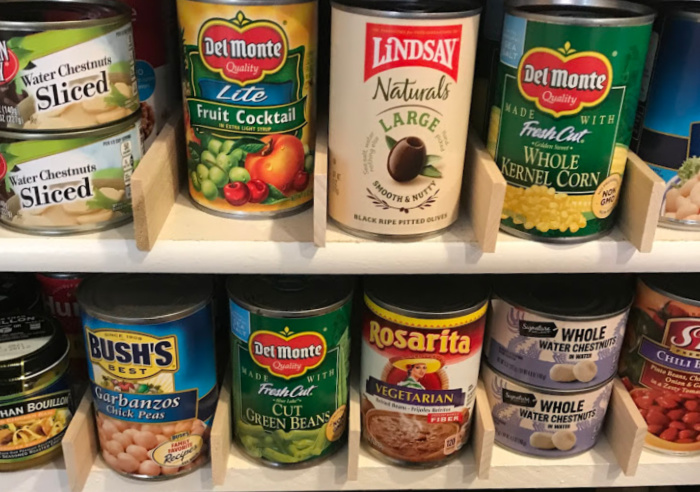
IV. Canned Goods
Reliable, affordable, and essential for power outages or quick meals.
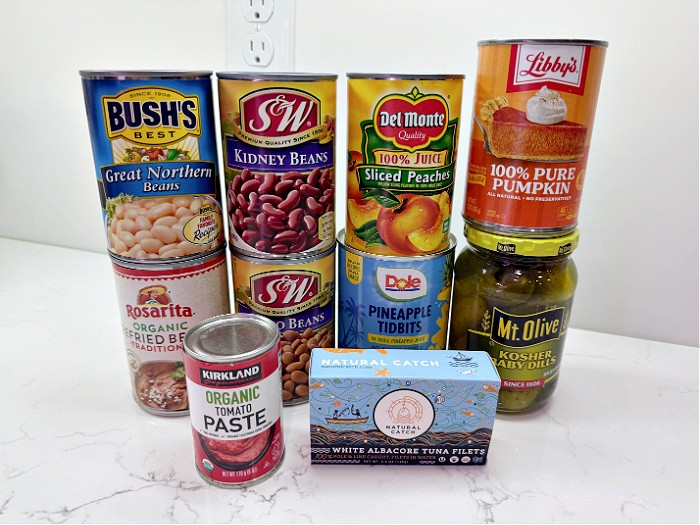
24. Canned Tomatoes
Stock up on several varieties.
Types: Diced, crushed, stewed, paste, and sauce
Use for: Soups, chili, casseroles, pasta sauce, or stews.
25. Tomato Sauce
Acts as a base for dozens of meals.
Use for: Pizza sauce, pasta, enchilada sauce, and slow cooker meals.
26. Canned Vegetables
Reliable backup when fresh produce runs low.
Best varieties: Corn, peas, green beans, mixed veggies.
Use for: Soups, casseroles, quick sides
27. Canned Fruit
Great for snacks, baking, and emergencies.
Good options: Peaches, pears, pineapple, mandarin oranges
Use for: Smoothies, cottage cheese bowls, desserts
28. Canned Tuna or Chicken
A protein source that requires no refrigeration.
Use for: Casseroles, salads, sandwiches, pasta dishes
Shelf Life: 3–5 years
29. Canned Soups
Cream soups are excellent for scratch cooking.
Stock: Cream of chicken, mushroom, tomato, vegetable beef
Use for: Casseroles, sauces, slow cooker meals
V. Oils, Fats, & Condiments
These ingredients enhance flavor and help transform basic staples into real meals.
30. Olive Oil
Best for sautéing and roasting.
Use for: Vegetables, pasta, marinades, or bread dipping.
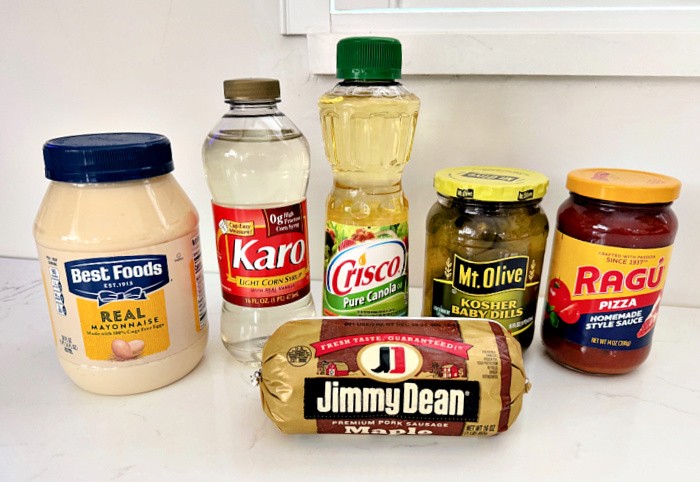
31. Vegetable or Canola Oil
Great for frying and baking.
Why Keep It: Neutral flavor and long shelf life.
Shelf Life: 1–2 years
32. Coconut Oil
Stable at high heat and ideal for Asian dishes and baking.
Use for: Curries, stir-fries, or granola.
Bonus: Lasts longer than most oils
33. Vinegar
Both white vinegar and apple cider vinegar have endless uses.
Use for: Pickling, dressings, marinades, or cleaning.
34. Soy Sauce
Adds depth and umami.
Use for: Rice, stir-fries, or marinades.
Shelf Life: Several years
35. Worcestershire Sauce
Enhances stews, gravies, marinades, and meat dishes.
Use for: Chili, burgers, roast beef, or soups.
36. Peanut Butter or Nut Butter
Protein-rich and shelf-stable.
Use for: Sandwiches, baking, sauces, and snacks.
Emergency-Friendly: No cooking required
VI. Herbs, Spices & Seasonings
These are the keys to turning basic ingredients into restaurant-quality meals.
37. Salt
The foundation of flavor.
Keep: Iodized, kosher, and sea salt
Use for: Everything
38. Black Pepper
Brightens and enhances nearly all savory dishes.
39. Garlic Powder
Essential for seasoning meat, veggies, soups, and casseroles.
40. Onion Powder
Adds depth and aroma—especially when fresh onions aren’t available.
41. Chili Powder
Perfect for Mexican and Tex-Mex dishes.
Use for: Chili, tacos, beans, and casseroles
42. Italian Seasoning
A blend that works for pasta, pizza, soups, and roasted veggies.
43. Cinnamon
Great for sweet and savory dishes.
Use for: Oatmeal, desserts, curries, or homemade cider.
44. Paprika
Adds color, mild heat, and smokiness.
Use for: Chicken, potatoes, soups, or stews.
VII. Snacks & Quick-Fix Items
Perfect for kids, fast snacks, and comfort during emergencies.
45. Crackers
Shelf-stable and versatile.
Use for: Soup sides, dips, peanut butter spread, and cheese plates
46. Granola Bars
Great for lunchboxes, emergencies, and grab-and-go snacks.
47. Applesauce Cups or Pouches
A kid-friendly staple that also works in baking.
Use for: Baking (can replace oil), snacks
Shelf Life: Long and reliable
48. Popcorn Kernels
One of the most affordable snacks you can buy.
Why It Matters: Lasts for years and costs pennies per serving
VIII. Breakfast & Natural Sweeteners
Nourishing ingredients that add flavor and variety.
49. Honey
A natural sweetener with an indefinite shelf life.
Use for: Tea, baking, granola, or marinades
Bonus: Never spoils
50. Maple Syrup
Great for more than just pancakes.
Use for: Glazes, oatmeal, baking, or yogurt bowls
Tip: Choose real maple syrup if your budget allows
How to Build and Maintain Your Pantry
Setting up your pantry is only the first step; maintaining it makes it worthwhile year-round.
1. Start with What Your Family Actually Eats
Don’t buy food you “might” eat. Buy food you already eat.
2. Build Slowly and Consistently
You don’t need to spend hundreds at once.
Add 2–3 items per week.
3. Rotate Inventory (“First In, First Out”)
Use older items before newer purchases.
4. Store Food Properly
- Use clear containers
- Label everything
- Keep dry goods in air-tight jars
- Protect grains from pests
5. Watch for Seasonal Sales
Holiday baking seasons, case-lot sales, and end-of-summer canning seasons are the best times to stock up.
6. Keep a Pantry Inventory
A simple list prevents duplicates and ensures you know what you truly need.
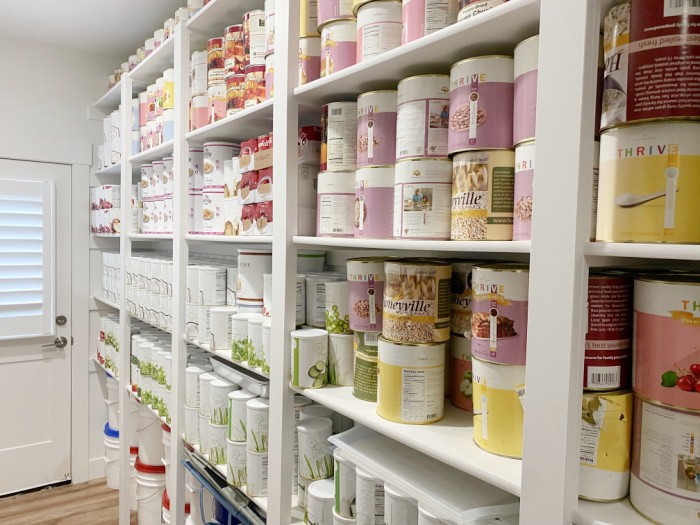
Food Storage Matters-We Must Be Self-Reliant
Foods with the Longest Shelf Life
Final Word
A well-stocked pantry is one of the greatest gifts you can give your household. It saves money, reduces stress, and provides comfort no matter what life brings. These 50 essential pantry items offer flexibility for thousands of meals, from scratch cooking to emergency preparedness.
You don’t need to buy everything at once; start small and build consistently. Over time, you’ll create a pantry that supports your family every single day. May God bless this world, Linda

An excellent list Linda! I read an article recently about how our ancestors put food on the table quickly because they used pantry staples daily to cook with. They made their own bread, used whatever the garden was producing, canned their own food to use later. It just makes sense and that’s how I cook most of the time. I don’t do fancy that requires exotic ingredients that I can’t find or will never use again!
Hi Paula, thank you for your kind words, my sweet friend. You are so right our ancestors did exactly what you said. I don’t do fancy either. Rarely do I have to go to the store to get something to make one of my recipes. Oh, I have to tell you a funny story. Years ago, I had a cute neighbor that every Sunday she would borrow an egg, some flour, some sugar, and chocolate chips (every Sunday it would be different ingredients). LOL! Every Sunday, I would say what are you making today when she asked to borrow something, she was the cutest mom and a good friend. My girls still laugh about the “borrowing”. I have never had to “borrow” anything in my life. I have a pantry and a refrigerator. LOL! Life is good! Linda
Linda, I’ve never had to “borrow” anything either. I also had a young neighbor woman who would borrow flour and sugar on occasion. One day she asked me if I could teach her how to make gravy, and I did! I told her it was a good idea to keep extra flour, sugar, etc, on hand in case she needed them. She never borrowed any food items again and told me that her gravy was a big hit with her husband and boys. Sometimes people just need some teaching!
Hi Paula, what a blessing she had you to teach her how to make gravy. She also learned how nice it would be to have some supplies on hand. We are here to help others and girl, you helped your neighbor! What a blessing for her family. Linda
Great list. Check, check, and check.
Hi Janet, thank you for the kind words. It feels great to have a pantry stocked! Good job! Linda
Linda, you are my HERO!
Yippie! I have all of these. Well, not chickpeas. I don’t eat them. LOL We keep about 5-10 cans of each veggie we eat, plus dried beans of all kinds. Rice. We stock up on sale. BOGO 1-cent sales are our favorite, as long as they don’t up the prices. I have even shopped at the Dollar General. A lot of their canned goods are as good as name brands!
Hi Deborah, you are the sweetest friend, thank you for your kind words! Congratulations on a well stocked pantry! I repost new lists in different ways just to remind us to keep our pantry as full as we can. The dollar store are great for spices sometimes, I just check the dates. Nowadays if we can get a BOGO it’s truly a blessing. I wish they had more chocolate on BOGO! LOL! I was going to go to the store after Halloween and forgot. Linda
By the time I got to the store after Halloween, it was all gone and they had Christmas items out.
With what is coming out now about the amount of bioengineered food, reading labels is very important. Breyers “Ice cream” can no longer be called “ice Cream.” Campbell’s soup – read the labels.
Look at “tuna” – on the front it says “100% tuna.” The fish IS tuna. The label on the back…tuna, soy. So, it can be 49% soy. Tuna packets or better yet Natural Catch brand (I believe you use that one, too)
Maple syrup can be 49% some other “sugar” – even high fructose sugar and still be called “maple syrup.” Nothing listed on the label. SAME for honey. You have to know your source. If it is reasonably priced, bet that it is adulterated. No grocery store honey or “maple” syrup in my pantry.
The glycemic value of pure maple syrup is vastly different from the sugars added to it.
It’s getting to where the only way to assure what is in your food is making everything from scratch (easy to do). Even then….terrifying, isn’t it?!
We do what we can.
Your list is VERY good. Again, you hit a home run.
Hi CAddison, oh my gosh, I have been researching about bio-engineered food. I gag thinking about them. We really do need to read the ingredients. Even organic may not really be organic (it depends on the country it is sourced from). I only buy honey from Cox’s Honey in Shelley, Idaho. I have it shipped to me. I know the owners, it raw unfiltered honey. Yes, I only buy Natural Catch tuna, Harry introduced me to them. Yeah maple syrup I have to know where it is sourced and of course the ingredients. Storing ii in glass jars is safer as well. Thank you for your kind words, we all do the best we can. Linda