What Can We Gift To Those Who Need Food?
This post may contain affiliate links. We may earn a commission if you purchase via our links. See the disclosure page for more info.

One of the most meaningful gifts we can give another person is food. Whether a neighbor has fallen on hard times, a family in our community is struggling, or a local food pantry is running low on donations, gifting food is a practical and heartfelt way to show we care. As someone who believes deeply in being prepared and self-reliant, I also believe that part of that mission is helping those around us. Today, I want to share some ideas for gifting food to those who need it most, along with suggestions on where to donate so your gifts reach the right hands.
I realize there are people in other countries who need help, but we have so many people in the USA who need help. If you have some options we should consider, I would love to add them to this post. If you know of a neighbor in need, quietly place a box of non-perishables on their doorstep and leave a note that says something like, “We’re so glad you live in the neighborhood.” Bags to use to donate: Large Grocery Bags
Why We Need to Give to Those Who Need Food
Food insecurity affects millions of families across the country, including people right in our own neighborhoods. When we choose to share what we have, whether it’s something we grew in our garden, purchased from the store, or took from our food storage inventory, we’re doing something powerful. We’re saying that no one in our community should go hungry. Even small contributions add up to something significant when communities come together.
The Best Foods to Gift to Those in Need
When thinking about what to donate or gift, focus on shelf-stable, nutritious foods that are easy to prepare. Here are some excellent options to consider.
Canned Proteins
Canned tuna, salmon, chicken, and beans are wonderful gifts for families in need. They’re high in protein, require no refrigeration, and have a long shelf life. These items are often at the top of food bank wish lists because they provide real nutrition and help stretch a meal.
Canned Vegetables and Fruits
Canned corn, green beans, peas, tomatoes, and fruits like peaches are all welcome donations. Look for low-sodium options when possible. Canned fruits packed in juice rather than syrup are an excellent choice for families with children.
Whole Grains and Dry Goods
Rice, oats, pasta, and dried beans are budget stretchers that feed a family for many meals. These are filling, versatile, and store well. A five-pound bag of rice or a large container of rolled oats can be a genuine lifeline for families who are struggling.
Peanut Butter and Nut Butters
Peanut butter is one of the most requested items at food pantries across the country. It’s calorie-dense and protein-rich, and children tend to love it. Sunflower seed butter is a good alternative for those with nut allergies.
Cooking Oils and Fats
A bottle of vegetable oil or a can of shortening goes a long way in helping someone prepare scratch meals. These are often overlooked items that food pantries frequently run short of.
Sugar, Salt, and Basic Baking Supplies
Flour, sugar, baking powder, and salt are humble but important gifts. They allow families to bake their own bread, make pancakes, and stretch other ingredients further. These basic pantry staples can transform simple ingredients into real meals.
Shelf-Stable Milk
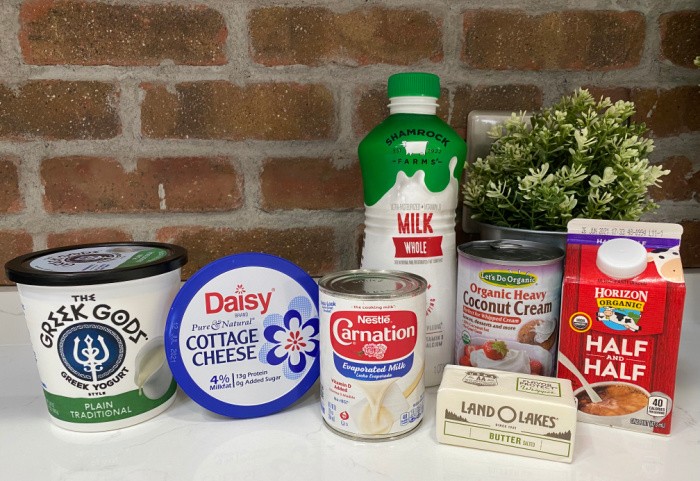
Canned evaporated milk or shelf-stable boxed milk provides families with a dairy option that doesn’t require refrigeration until opened. This is particularly helpful for families with young children.
Soups and Broths
Canned soups, broths, and stews are comforting and easy to prepare. They are especially helpful during cold weather months and for older individuals or those who are unwell.
Comfort and Snack Foods
Don’t overlook the emotional side of food. Crackers, granola bars, dried fruit, apple sauce pouches, and shelf-stable juice boxes are wonderful for families with kids. A little treat in the donation bag can bring real joy to a child who’s having a hard season.
Baby and Toddler Food
If you know a family with young children who is in need, formula, jarred baby food, and toddler snacks are invaluable. These are slightly more expensive items that food pantries often need more of.
Personal Hygiene Items Alongside Food Gifts
While not food, many food pantries and charitable organizations also accept and desperately need toiletries such as soap, shampoo, toothpaste, and diapers. Consider adding these alongside your food donation to make an even greater impact.
Garden Surplus
If you have a backyard garden, don’t let your extra produce go to waste. Fresh vegetables and herbs are treasured by food pantries and community organizations. Call ahead to confirm they can accept fresh produce, then bring your surplus zucchini, tomatoes, lettuce, or herbs. Many food banks have partnerships with local farms and gardens for exactly this reason.
Home-Baked Goods
There is something deeply personal about a homemade loaf of bread or a batch of cookies. If you know the family personally, home-baked goods are a beautiful and generous gift. For organized donation drives, check with the organization first, as some can’t accept homemade items due to food safety guidelines. Pre-packaged, commercially made baked goods are usually welcome.
Gift Cards to Grocery Stores
When in doubt, a grocery store gift card lets a family choose exactly what they need, including fresh produce, dairy, meat, and eggs that often can’t be donated in shelf-stable form. Even a ten or fifteen-dollar gift card can mean a great deal to someone who is stretched thin.
Where to Take Your Food Donations
Now that you have gathered your food gifts, here are some wonderful places to take them so they reach people who truly need them.
Local Food Banks
Your city or county food bank is the most direct path to getting food to families in need. They have systems in place to sort, store, and distribute donations efficiently. Most food banks post their current needs online so you can see exactly what they’re short on before you shop or gather donations.
Church Pantries and Community Food Closets
Many churches and faith communities operate small food pantries that serve people in their immediate neighborhood. These are often less formal than large food banks, which means your donation may reach a local family very quickly. If your own congregation operates a food pantry, ask how you can contribute regularly.
Neighbor Networks and Buy Nothing Groups
Neighborhood apps and local social media groups often have spaces where people can offer or request food. If you know of a neighbor who is struggling, a quiet, dignified drop-off at the door can make a world of difference without drawing unwanted attention to their situation.
Schools and Head Start Programs
Many elementary schools keep snack closets or food backpacks stocked for students who may not have enough food at home over the weekend. Reach out to your local school office or counselor to ask how you can help stock their pantry.
Homeless Shelters and Transitional Housing Programs
Shelters that serve individuals experiencing homelessness are always in need of both food and personal care items. Call ahead to find out their hours and current needs. Many shelters also welcome volunteers to help serve meals.
Senior Centers and Meals on Wheels Programs
Older individuals on fixed incomes often quietly face food insecurity. Local senior centers and Meals on Wheels programs accept food donations and welcome volunteer drivers to deliver meals directly to homebound older people.
Community Fridges
Community refrigerators, sometimes called free fridges, have become popular in many cities. These are shared refrigerators placed in accessible locations where anyone can freely leave or take food. They’re a wonderful option for sharing fresh produce, leftovers, or prepared meals.
Operation Underground Railroad and Other National Charities
Some national organizations accept monetary donations to purchase food for vulnerable families. While this differs from donating a physical item, it’s worth noting that a financial gift to a reputable organization can often go further than an individual donation because these groups buy in bulk.
Tips for Making Your Food Gifts Count
Check expiration dates before donating. Food that’s expired or nearly expired isn’t helpful and creates extra work for pantry volunteers.
Avoid donating items in glass jars when possible. Metal cans and cardboard packaging are safer for storage and transport.
Don’t donate items that have been opened or partially used.
If donating to a family directly, try to include a variety of foods that work together as a meal rather than random individual items.
Consider making food giving a regular habit rather than a once-a-year act. Food pantries experience a need every single month, not just around the holidays.
Involve your children in the process. Letting kids choose items at the store and helping pack a donation bag teaches generosity tangibly and memorably.
Preparedness Gift Ideas Every Family Needs
The Emergency Bucket Gift You Need
Final Word
Gifting food to those who need it is one of the most grounded and practical ways to serve our communities. It doesn’t require a big budget or a grand gesture. A few extra cans of beans, a jar of peanut butter, or a bag of rice set aside on your next grocery run can be the difference between a family eating well or going without. As people who care about food storage and self-reliance, we understand better than most just how much a well-stocked pantry means. Let’s share that blessing with others whenever we can. Even small acts of generosity ripple outward in ways we may never fully see. May God bless this world, Linda
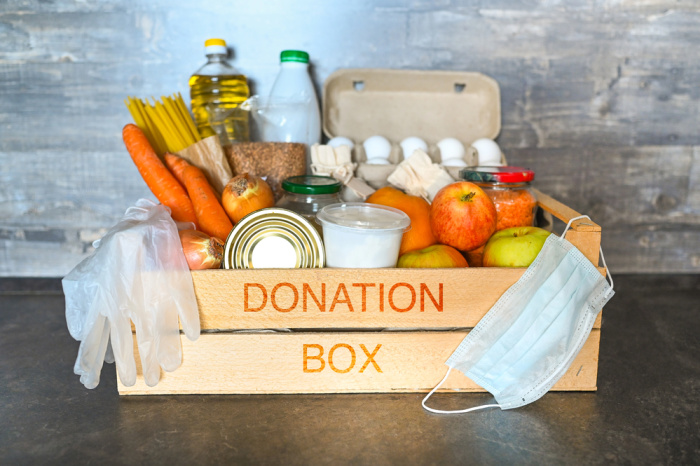
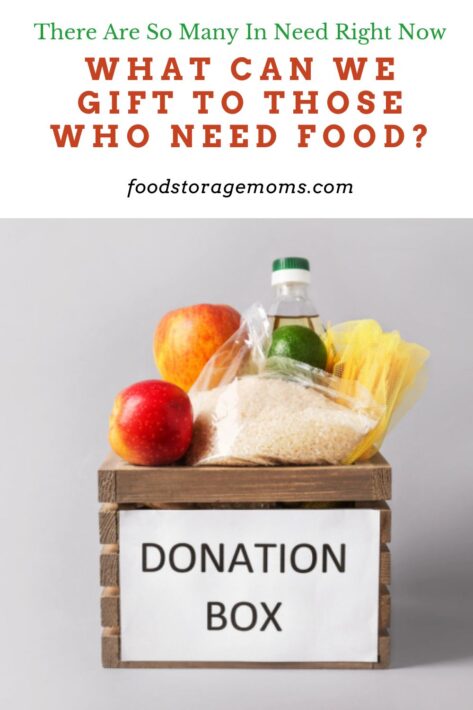
Copyright Images: Donation Box With Medical Gloves and Face Mask Depositphotos_368309270_S, Box With Donation Food Depositphotos_290604736_S





While I really want to help those in need, what we see around here is graft and fraud. Not everyone, but a LOT. My friend took her 10 year old son to a food bank to help distribute food. They overheard numerous people talking about how many places they had visited that day and the thousands of $$ they had acquired in food.
The food they don’t want, gets tossed in dumpsters at nearby businesses.
We have seen some dumped on the side of the road near where we live.
Years ago, Oprah said that there is no reason for anyone in this country to go hungry.
Schools are feeding kids year round now. What ARE the parents doing with the SNAP money? Black market?
Sometimes we get a good feeling by giving, but the recipient doesn’t care.
Children are going hungry because parents are not feeding them.
Everyone I know has been solicited in the grocery line to exchange items they have that they can’t use for SNAP – I’m to give them my items that would qualify for SNAP and then pay for the cigarettes or whatever they have. Then, do the exchange after to get my stuff. Most all of them are fat.
I tell them that I am not interested in comitting fraud.
I may sound like I’m nasty, but I’m done with it. I’m not spending my legitimately hard earned money so some louse can have money for their drugs, booze, and smokes.
THAT is the reality in all of the south of Florida and, from what I know…most everywhere.
So, yes, there are problems, but waste is the biggest one.
Hi CAddison, I totally agree with you. I have told people before , wait, the government is serving breakfast and lunch at school and their parents are on EBT cards. When they start eating better than me, I get ticked off. Our tax dollars are going for those steaks and salmon which we cannot afford. Something is not right. I saw a prepper brag on Instagram all the food she gets from the food bank. Then talks about her cruise she is going on, wait, WHAT? C’mon, lets get real here. What happened to integrity…..Linda
Any excess fresh food I grow that I can’t use goes to friends and neighbors. If I still have some left over I donate it to a local food bank.
Today I picked almost two bushels of heirloom carrots. I don’t want to can any more of them so I’ll keep a few for salads, soups and stews–maybe carrot cake. And I still have more I haven’t picked yet. But I have several neighbors and friends coming over for the excess carrots. Also for apples they can pick from my trees and tomatoes from my plants.
Aside from canning a bit more apple pie filling and applesauce (you can never have enough of them) I’m done canning until my beans are ready. Also my shelves are full–I know, terrible problem to have.
Hi Ray, I want to be your neighbor, those friends of yours hit a gold mine living near you. I have never picked two bushels of carrots, that is awesome! I have said this before, I can almost smell the pie filling from here! Life is good in your orchard! Linda
I give money to my county food bank rather than physical donations because I have to pay retail at the grocery store and they can get a lot more ‘bang for the buck.’
Hi Maryann, great idea, I hadn’t thought about that. Plus, they can fill the holes of what is needed that hasn’t been donated. Great tip, Linda