
23 Things You May Have Forgotten To Stock For Disasters
This post may contain affiliate links. We may earn a commission if you purchase via our links. See the disclosure page for more info.

Today, let’s talk about 23 things you may have forgotten to stock for disasters. When most people think about emergency preparedness, they picture water jugs and canned goods. Those are essential, no question. But experienced preppers know it’s the small overlooked items that can cause the biggest headaches when a disaster actually strikes. You may’ve spent months building your food storage only to realize on day three of a power outage that you’re missing something simple but critical. This post covers 23 things many families forget to include in their emergency supplies and explains exactly why each one matters.“Prepare Your Family For Survival” and “Bugging In”
23 Things You May Have Forgotten To Stock For Disasters
- Manual Can Opener
Your pantry may be full of canned beans, soup, and vegetables, but if the power is out and you only own an electric can opener, that food might as well be behind a locked door. A sturdy manual can opener is one of the cheapest and most important tools you can keep on hand. Keep one in your emergency kit and one in your kitchen drawer as a backup.
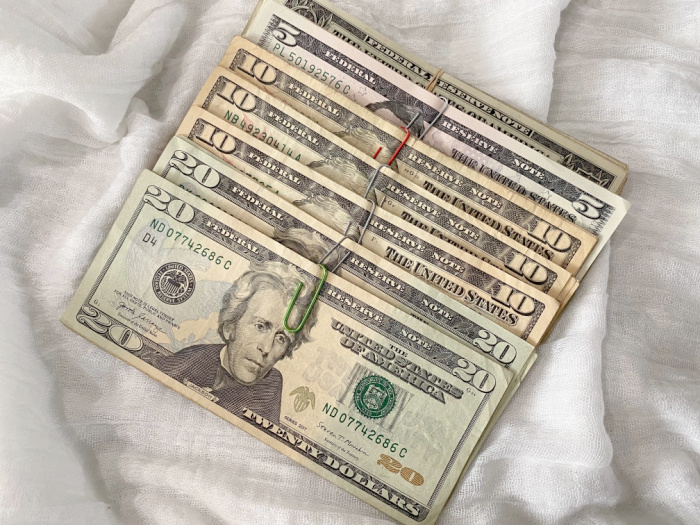
- Cash in Small Bills
When the power grid goes down, so do credit card terminals and ATMs. Stores that remain open during an emergency often revert to cash-only transactions. Having small bills on hand means you can actually purchase what you need without fumbling for change or being turned away entirely. Aim for a mix of ones, fives, and tens.
- Copies of Important Documents
Birth certificates, insurance policies, medication lists, passports, and property documents are easy to overlook until you desperately need them. Store physical copies in a waterproof bag inside your emergency kit and consider keeping digital copies on a password-protected USB drive. If you have to evacuate quickly, having these documents can save you hours of bureaucratic headaches.
- Prescription Medications
Many families keep only a few days’ worth of medication on hand. In a prolonged emergency or evacuation, running out of a critical prescription can become a medical crisis. Talk to your doctor about maintaining a small emergency supply and always rotate your stock so it stays current. If possible, I try to get my meds in a 90-day supply prescription. That way, I typically have plenty on hand. Make sure that the prescription can maintain its quality during the period, since some require special treatment like having them in your fridge.
- Extra Eyeglasses or Contact Supplies
If you or someone in your family relies on vision correction, losing or breaking your glasses during a disaster is a serious problem. Store a spare pair of eyeglasses, extra contact lenses, and plenty of contact solution in your kit. This is one of those items nobody thinks about until it’s too late.
- Feminine Hygiene Products
Feminine hygiene products are consistently left off preparedness lists, yet they’re a basic necessity for millions of women and girls. Stock several months’ worth and rotate them regularly. Beyond their primary purpose, items like pads can also serve as emergency wound dressings in a pinch.
- Infant and Toddler Supplies
Families with young children need to think beyond the standard adult supply list. Diapers, formula, baby food, wipes, and any special comfort items your child depends on should be stored in adequate quantities. Young children can’t adapt easily to shortages, and their needs aren’t negotiable.
- Pet Food and Supplies
Your pets depend entirely on you during an emergency. Store enough pet food for at least two weeks, along with water, medications, a leash, a carrier, and copies of vaccination records. Many emergency shelters don’t accept animals, so having supplies ready means you’re prepared to care for your pets wherever you end up.
- A Battery-Powered or Hand-Crank Radio
During a widespread emergency, your cell phone may lose signal or run out of battery. A battery-powered or hand-crank emergency radio lets you receive weather alerts, evacuation orders, and official updates from authorities without relying on the internet or cell towers. This is often your most reliable source of life-saving information during a crisis. NOAA Solar Battery Radio and Emergency Radio
- Lighting Beyond Flashlights
Flashlights are a standard prep item, but they require steady hands and can’t light a whole room. Stock candles with safe holders, battery-powered lanterns, and headlamps. Headlamps are especially useful because they free your hands for cooking, first aid, or caring for children. Keep extra batteries or rechargeable battery packs as well. Yard Solar Lights
- Matches and Lighters
Starting a fire for warmth or cooking without a lighter or matches is genuinely difficult. Keep waterproof matches in a sealed container, multiple disposable lighters, and ideally a flint fire starter as a backup. Store these in multiple locations so you always have access to one. Matches and Lighters
- Sanitation Supplies
When municipal water systems fail, basic sanitation becomes a real challenge. Stock hand sanitizer, bar soap, garbage bags, toilet paper, paper towels, and a portable toilet or waste disposal bags. Poor sanitation during a disaster is one of the leading causes of secondary illness and infection in affected communities. Portable Toilet
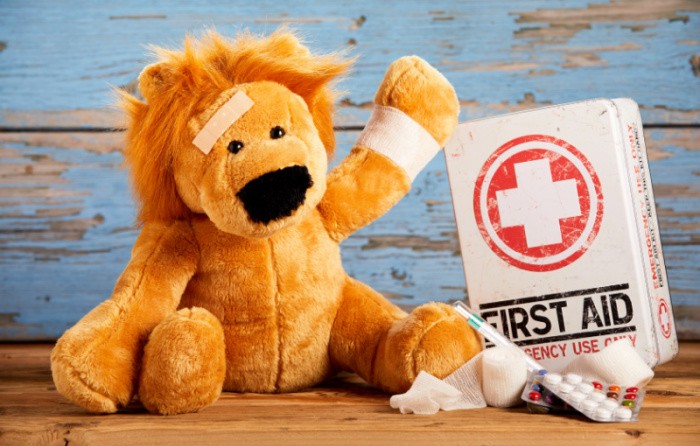
- A Basic First Aid Kit With Instruction Guide
Many families have a first aid kit, but have never actually opened it or read the instructions. Make sure yours includes bandages in multiple sizes, antiseptic wipes, antibiotic ointment, medical tape, tweezers, a thermometer, pain relievers, and an instruction booklet. Knowing how to use what you have is just as important as having it.
- Dust Masks or N95 Respirators
Earthquakes, wildfires, and chemical spills all create air quality hazards. Dust masks and N95 respirators protect your lungs from smoke, ash, and debris. Keep several per family member in your emergency kit, and check expiration dates periodically as the materials degrade over time. N-95 Masks
- Duct Tape and Heavy Plastic Sheeting
In the event of a chemical spill, hazardous air event, or damaged windows and doors, heavy plastic sheeting and duct tape allow you to seal off rooms or cover openings. This combination is specifically recommended by emergency management agencies for sheltering in place during airborne hazards. It costs very little and takes up minimal space. Gorilla Tape
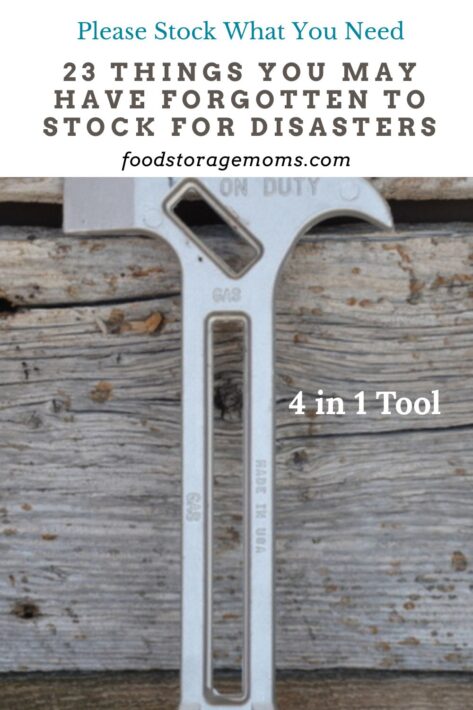
- Wrench or Pliers to Shut Off Utilities
After an earthquake or gas leak, knowing how to shut off your gas, water, and electricity can prevent a bad situation from becoming catastrophic. Store an adjustable wrench near your emergency kit and learn exactly where your utility shut-offs are located before disaster strikes. Post the locations somewhere your whole family can find them. 4 in 1 Tool. Note that once you’ve turned off your gas, you’ll usually have to request that the local gas utility come and turn it back on to eliminate any fire danger in your home.
- Extra Phone Chargers and Power Banks
A fully charged portable power bank can keep your phone alive for several extra days without grid power. In a modern emergency, your phone is your communication device, map, flashlight, and contact list all in one. Store a high-capacity power bank and keep it charged as part of your regular routine. Power Banks
- Comfort and Stress Relief Items
Disasters are deeply stressful, especially for children. Small comfort items such as books, card games, puzzles, a familiar stuffed animal, or a journal can make a significant difference in morale during a prolonged emergency. Mental and emotional well-being matters, and having something to do besides worry helps everyone cope.
- Local Maps
Most people navigate entirely by GPS today, which means they have no idea how to get anywhere if their phone dies or cell service is gone. Print or purchase detailed paper maps of your local area, your county, and any routes you might use to evacuate. Mark your emergency meeting spots and the locations of shelters, hospitals, and family members.
- Extra Fuel
Whether for a generator, a camp stove, or a vehicle, having extra fuel stored safely can extend your ability to cook, stay warm, and travel during an extended outage. Follow all local codes for safe fuel storage, use approved containers, and add a fuel stabilizer to gasoline that will sit for more than a month.
- Work Gloves and Sturdy Boots
After a disaster, broken glass, debris, nails, and unstable structures become everyday hazards. A pair of heavy-duty work gloves and sturdy closed-toe boots or shoes stored in an easy-to-grab location can protect your hands and feet when navigating damaged areas. Flip-flops and bare feet have caused serious injuries in post-disaster environments.
- Wool Blankets or Emergency Mylar Blankets
Mylar emergency blankets are inexpensive, compact, and reflect body heat remarkably well. Wool blankets retain warmth even when wet, making them a more durable option for longer-term use. Having both types in your kit prepares you for cold-weather emergencies, whether you’re sheltering at home or on the move. Wool Blankets and Mylar Blankets.
- A Written Emergency Plan
All the supplies in the world are less effective without a plan. Write out your family emergency plan and keep physical copies with your supplies. Include meeting locations, out-of-area contact numbers, evacuation routes, and individual responsibilities for each family member. Review and update it once a year. A plan that lives only in your head may not be accessible when you need it most.
25 Survival Items You Forgot to Buy
Forget Your 72-Hour Bug-Out Bag, You Need More
Final Word
Preparing for a disaster is one of the most loving things you can do for your family. The items on this list aren’t dramatic or expensive, but they’re the ones most likely to be missing when an emergency actually happens. Take this list to your emergency kit today and check off what you already have. Then pick up a few items each week until your supplies are complete. Your future self will be incredibly grateful that you took the time now. May God bless this world. Linda









Great list, Linda! I am going to go buy more blankets right away, plus some new plastic and gorilla tape…
Hi Jess, we all need a few reminders including me. LOL! Linda
Jess, i saw that Amazon has some wool blankets on prime day today… I think they were $42-… might even have some cheaper than that…
Hi Jan, great idea, I love sales! Linda
Take a look at thrift or consignment stores. They often have blankets- generally from estates. Just have them cleaned.
Make sure to at least run them through the dryer on hot for half an hour… we got bedbugs once… do not want them ever again!!!
Agree 100%. And if you can put some disinfectant in the wash water, all the better.
If you notice now, most all clothing and things made of material clearly say, “Wash before wearing.” We don’t know what is on that stuff.
Might as well buy from a thrift of consignment store. After you wash something new, it’s “old!”
Hi CAddison, I always wash my stuff new or slightly used before I use it, great reminder. Linda
Hi Jan, oh my gosh, that’s terrible. I’m so sorry!! Not good! Linda
We already have most of what’s listed, but do need to add a few extras! We also need to keep some OTC meds on hand. I feel like we never have all that we’ll need. There will be something we forget. That’s why I read the comments. There’s always more to learn.
Hi Deborah, we all feel the same way! I love our forums, we all learn, Linda
I never seem to have everything listed. We spent $327.00 at BJs, today, and we still don’t have everything. The prices!!!
Hi Chris, everything just keeps going up in price. It’s so frustrating. Linda
Another great posting! Thank you
Hi CAddison, thank you for your kind words, Linda