Strait of Hormuz: Do We Need to Be Concerned?
This post may contain affiliate links. We may earn a commission if you purchase via our links. See the disclosure page for more info.

Strait of Hormuz: Do We Need to Be Concerned? If you’ve been watching the news this year, you’ve probably heard the words “Strait of Hormuz” more times than you can count. Maybe you’ve noticed it at the gas pump or the grocery store before you ever heard it on television. Today I want to explain in plain language what’s going on, why a little strip of water on the other side of the world matters to our families, and what we can do about it without panicking.
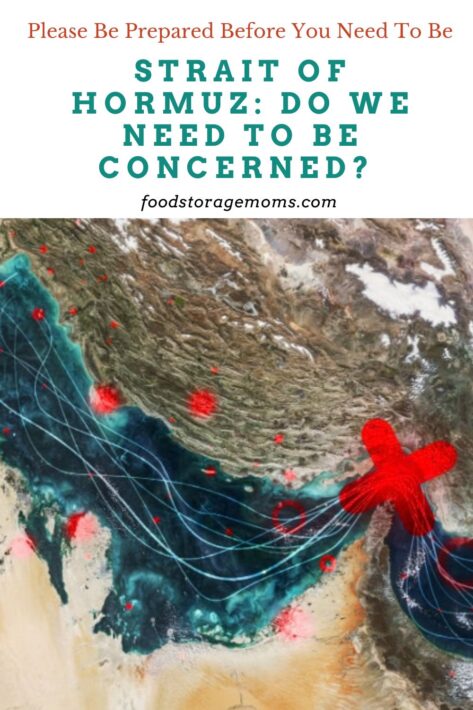
What Is the Strait of Hormuz?
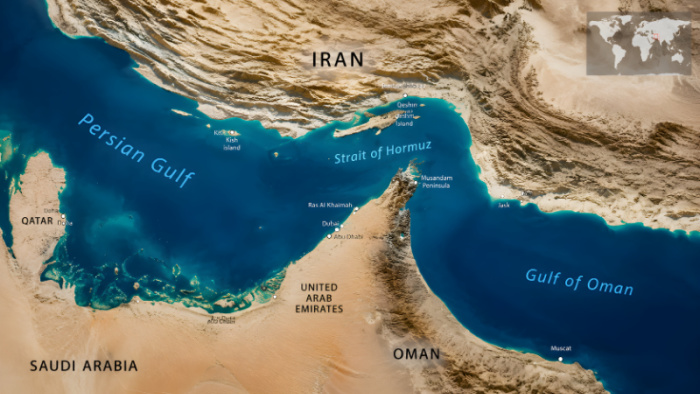
The Strait of Hormuz is a narrow waterway between Iran and Oman. It’s the only way for ships to travel from the Persian Gulf out to the open ocean. At its narrowest point, it’s only about 21 miles wide. That doesn’t sound like much, but an enormous share of the world’s energy travels through it. Before this year’s conflict in Iran, roughly a quarter of the oil shipped by sea worldwide and about 20 percent of the world’s liquefied natural gas passed through the strait. WikipediaWikipedia
Think of it like the one road in and out of a busy town. When that road’s blocked, everything backs up.
What Happened This Year?
Shipping through the strait has been mostly blocked by Iran since February 28, 2026, when the United States and Israel began an air war against Iran. In response, Iran’s Revolutionary Guard warned ships not to pass, attacked and boarded merchant vessels, and placed sea mines in the water. Wikipedia
Since then, there’ve been several rounds of talks, ceasefires, and agreements, followed by setbacks. In June, the United States and Iran signed a memorandum of understanding meant to end the war and reopen the strait. Sadly, it didn’t hold. That interim truce fell apart on July 8 after Iran struck several commercial ships in the strait. WikipediaWikipedia
Where Do Things Stand Right Now?
As of this week, the situation has actually grown more tense. Maritime security sources report that at least 12 oil and gas tankers were attacked around the strait between September 28 and October 5, the most in any single week since the war began. India’s foreign ministry said 12 crew members were hurt when a projectile hit a tanker called On Peace as it passed through. thestarthestar
Very few ships are getting through. One independent tracker reported just 4 ship crossings on October 4, compared with a normal pace of about 85 a day before the crisis. Please keep the sailors and their families in your prayers. Many of them are simply doing their jobs, far from home. straits. Please keep in mind these numbers will change often.
How Does This Affect Our Families?
This is the part that matters most for those of us running households.
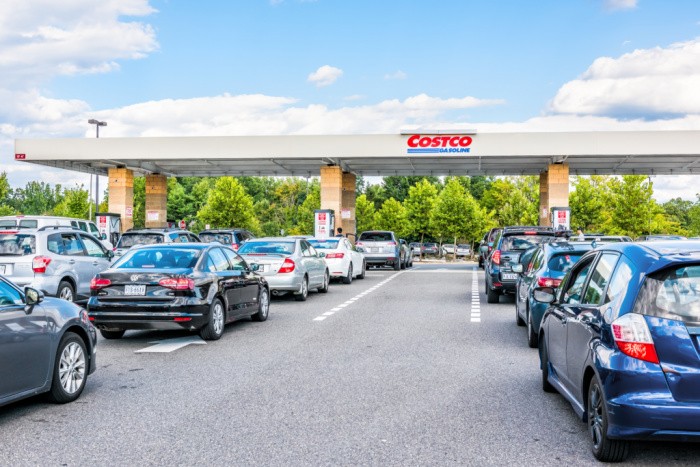
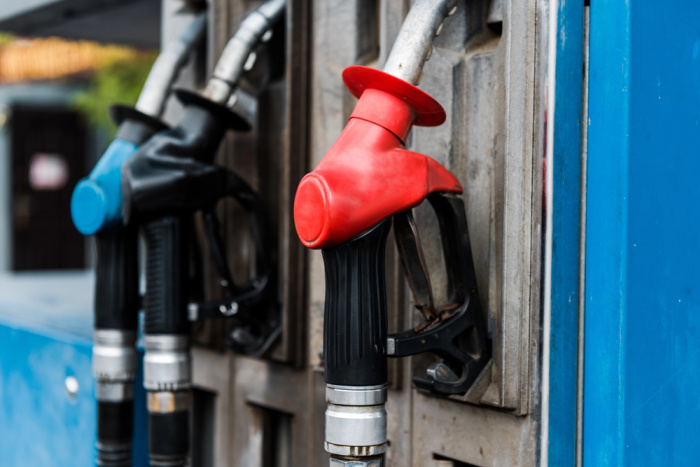
Gas prices. When less oil reaches the world market, prices rise based on supply and demand pressures. Brent crude oil climbed above $100 per barrel in early March for the first time in four years, peaking at $126 per barrel. Here at home, AAA reported the national average for regular gas at about $4.41 on October 1, following a record September when the monthly average was $4.33. A year ago, it was about $3.16. That difference adds up quickly for a family with two cars and a busy schedule. Wikipedia
Grocery prices. This is the one I want you to pay close attention to, because it’s easy to miss. The Persian Gulf region produces a large share of the world’s fertilizer. Up to 30 percent of internationally traded fertilizer normally passes through the strait. By late March, urea fertilizer prices had jumped 50 percent. Analysts warned that higher fertilizer costs and shortages during spring planting could reduce corn yields in the United States, which feeds our beef, poultry, and dairy animals, and could push food prices higher into 2027. When farmers pay more to grow food, we eventually pay more to buy it. 2026 Strait of Hormuz crisis +2
Everyday costs. Higher fuel prices touch almost everything, because trucks deliver nearly every item we buy. In March, the OECD projected U.S. inflation of 4.2 percent for 2026, about 1.2 points higher than it had expected before the war. Wikipedia
So, Should We Be Concerned?
My honest answer is this: we should be aware, not afraid. There’s some reassuring news. Some economists point out that today’s economy is less vulnerable to oil shocks than it was in the 1970s, and a July survey of 74 economists by the Wall Street Journal found most still expected the United States to avoid a recession. Nobody knows how long this will last. It could ease quickly with a new agreement, or it could drag on through the winter. That uncertainty is exactly why a prepared family sleeps better at night. Wikipedia
Practical Steps Your Family Can Take Today
Keep your gas tank at least 3/4 full. If prices spike suddenly or supplies get tight, you won’t be stuck. Combine errands and plan your driving for the week to save fuel.
If you store gasoline, do it safely. Use approved containers, add fuel stabilizer, keep it away from your home, and rotate it every few months. Never store more than your local rules allow. Gas Stabilizer
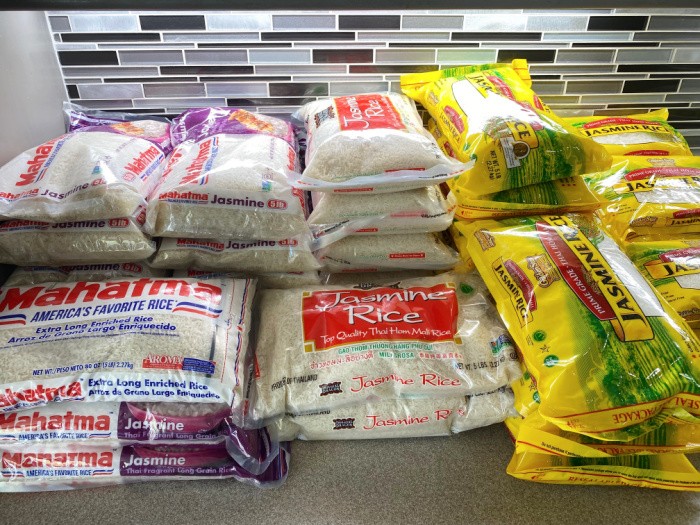
Build your pantry now, a little at a time. Prices on many foods may keep creeping up, so buying a few extra cans each week while prices are still reasonable is smart stewardship. Focus on what your family actually eats.
Stock up on the basics that store well. Rice, beans, oats, flour, pasta, canned meats, canned vegetables, and powdered milk/instant milk are great choices. Remember the rule: store what you eat, and eat what you store.
Plan next year’s garden. If fertilizer and produce prices stay high, a backyard garden becomes even more valuable. Start a compost pile this fall so you have rich soil ready in the spring.
Prepare for winter heating costs. Energy prices affect more than your car. Check your windows and doors for drafts, have warm blankets on hand, and set aside a little extra in your budget for higher utility bills.
Build a small emergency fund. Even a few dollars set aside each week can soften the blow of rising costs.
Avoid panic buying. Steady, thoughtful preparation is always better than rushing to the store when headlines get scary. Panic buying empties shelves for our neighbors and stretches our own budgets thin.
Frequently Asked Questions About the Strait of Hormuz
Is the Strait of Hormuz closed right now? It’s not officially closed to every ship, but attacks and threats have kept most commercial traffic away. Only a handful of ships are crossing each day, compared with the norm.
Why does the Strait of Hormuz affect gas prices in America? Oil is bought and sold on a world market. When a large portion of the world’s oil supply is blocked, prices rise everywhere, including here at home.
Will food prices go up because of the Strait of Hormuz? They may. Higher fuel costs in the trucking industry and fertilizer shortages both raise the cost of growing and shipping food, and some analysts expect effects to continue into 2027.
What is the best way to prepare? Keep your gas tank more full, slowly build a food storage pantry, plan a garden, and set aside some emergency savings.
Fertilizer: Why It’s Important To All Of Us
30 Food Items That You Need Now
Final Word
Events like this remind us why we prepare. We can’t control what happens on the other side of the world, but we can control how ready our own homes are. A stocked pantry, a little savings, and a calm heart go a long way. Take one small step this week, and then another next week. You’ll be amazed at how much peace of mind that brings. May God bless this world, Linda
Sources:
2026 Strait of Hormuz crisis, Wikipedia
Attacks on tankers in Hormuz hit highest of any week, Reuters via The Star
Straits daily brief, October 9, 2026
AAA Gas Prices, October 1, 2026
Copyright Images: Strait of Hormuz AdobeStock_2093994789 By Noor Afzal, Strait of Hormuz with Red AdobeStock_1983460073 By alones