Fertilizer: Why It’s Important To All Of Us
This post may contain affiliate links. We may earn a commission if you purchase via our links. See the disclosure page for more info.

Fertilizer: Why it’s important to all of us. When most of us think about our food supply, we think of grocery store shelves, farmers’ markets, and maybe even our own backyard gardens. What we do not usually think about is fertilizer. Yet fertilizer is one of the quiet foundations that our entire food system rests on. Without it, crop yields drop, prices rise, and the food we count on becomes harder to find and more expensive to buy. I want to walk through why fertilizer matters so much right now, and why I believe stocking up on food is simply wise, no matter what happens next.
Why fertilizer matters more than most of us realize
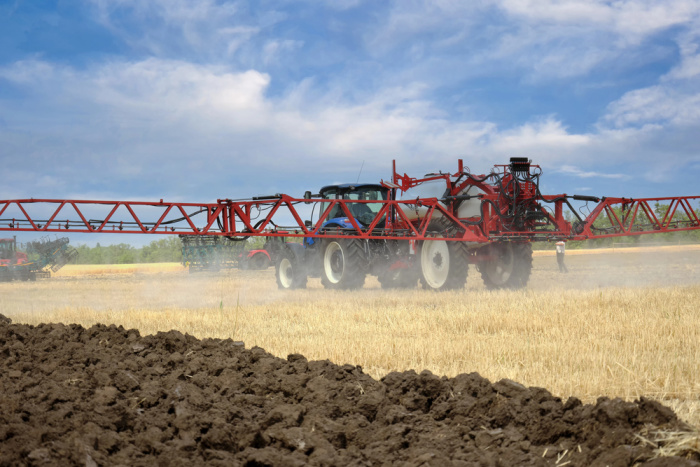
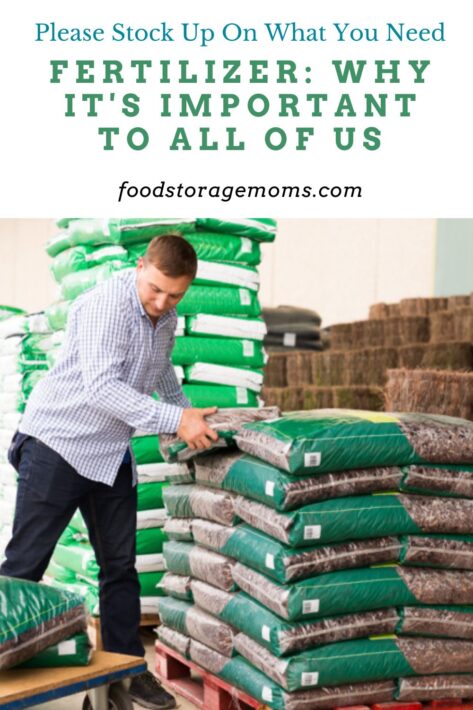
Modern farming depends heavily on nitrogen, phosphorus, and potassium fertilizers to keep soil productive enough to feed a growing world. Nitrogen fertilizer alone accounts for roughly 110 million tons of the nearly 190 million tons of plant nutrition products used worldwide each year. Without these inputs, farmers simply cannot grow enough food on the same amount of land. That means fertilizer is not some small farming detail. It is directly tied to how much food ends up on your table and mine.
The Strait of Hormuz and why a narrow strip of water affects your kitchen table
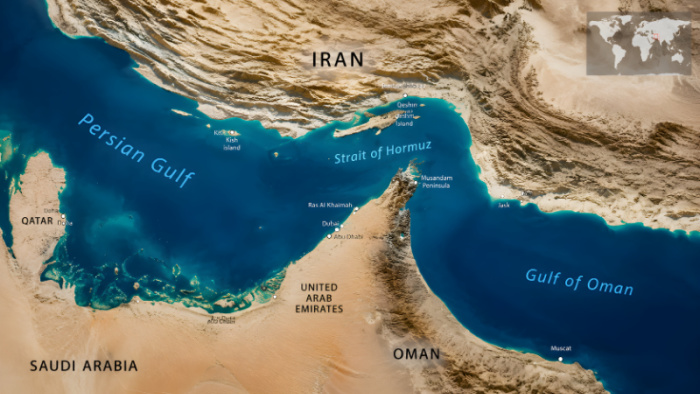
Earlier this year, conflict in the Middle East disrupted shipping through the Strait of Hormuz, one of the world’s most important waterways for oil, natural gas, and fertilizer. Before the disruption, roughly 30% of global fertilizer exports moved through that narrow passage, along with a large share of the sulfur needed to produce phosphate fertilizer. When ship traffic through the strait fell by more than ninety-five percent at the height of the crisis, urea and phosphate shipments backed up, natural gas prices climbed sharply, and fertilizer plants in the Gulf region were forced to shut down.
Nitrogen Fertilizer
Because nitrogen fertilizer production depends heavily on natural gas, prices for ammonia and urea rose quickly. Farmers preparing for spring planting faced a difficult choice between paying much higher fertilizer prices and cutting back on the amount they applied to their fields. Either choice affects the harvest that eventually reaches our grocery stores.
The good news is that since an interim peace agreement was reached, shipping through the strait has begun to recover, with fertilizer cargo vessels once again leaving the Gulf region. That is a hopeful sign. But experts have been clear that the effects of a disruption like this do not disappear overnight. Because fertilizer applied today affects harvests that will not reach store shelves for months, agencies such as the United Nations Food and Agriculture Organization have warned that tighter food supplies could persist well into next year, even as shipping improves.
Tariffs and the cost of growing our food
On top of the shipping disruption, American farmers have also been dealing with the cost of tariffs on imported phosphate fertilizer. Morocco holds about 70% of the world’s phosphate reserves, but duties imposed on Moroccan fertilizer in 2021 pushed prices higher for years, reportedly adding nearly $7 billion in extra costs for American farmers between 2021 and 2025.
Recently, in response to the fertilizer supply crunch, the administration suspended those duties for 8 months to help ease costs for farmers heading into the planting season. This is a helpful step, and it shows how closely trade policy and food security are connected. A tariff on a fertilizer input thousands of miles away can eventually show up as a higher price tag at your local grocery store.
Why grocery stores cannot simply absorb a disruption
Here is something many people do not realize. Most grocery stores operate on a just-in-time supply model. Rather than storing large amounts of extra inventory, stores rely on frequent deliveries, often multiple times a week, to keep shelves stocked. Because of this, many stores only carry enough inventory on hand to last about three days under normal conditions. This system works wonderfully when supply chains run smoothly. It becomes a real problem the moment something interrupts the flow, whether that is a storm, a fuel shortage, a shipping bottleneck, or a spike in farming costs that ripples through the whole system.
This is exactly why I have spent years encouraging my readers to build up their own food storage. It is not about fear. It is about being the kind of family that is ready for whatever comes.
What this means for your family
I am not a farmer, an economist, or a trade expert, and I always encourage you to consult qualified professionals and trusted sources, such as the USDA or Penn State Extension, for technical details. But as someone who has spent years thinking about food storage and preparedness, here is what I take away from all of this. Our food system is more connected to global events than most of us ever stop to consider. A conflict overseas, a shipping delay, or a change in tariff policy can all affect the price and availability of the food we depend on.
That is exactly why I keep saying the same thing again and again on this blog. Build your food storage now, while you have the time and the ability to do it thoughtfully. Start with the basics your family actually eats. Rotate what you store so nothing goes to waste. Add a little each week rather than trying to do it all at once. Whether or not a shortage ever reaches your local store, having a well-stocked pantry gives you peace of mind and one less thing to worry about.
Will Wheat Be in Short Supply This Year?
15 Items To Prioritize
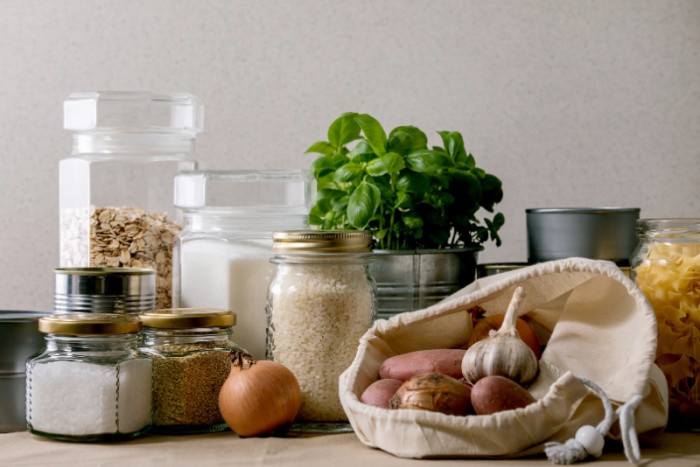
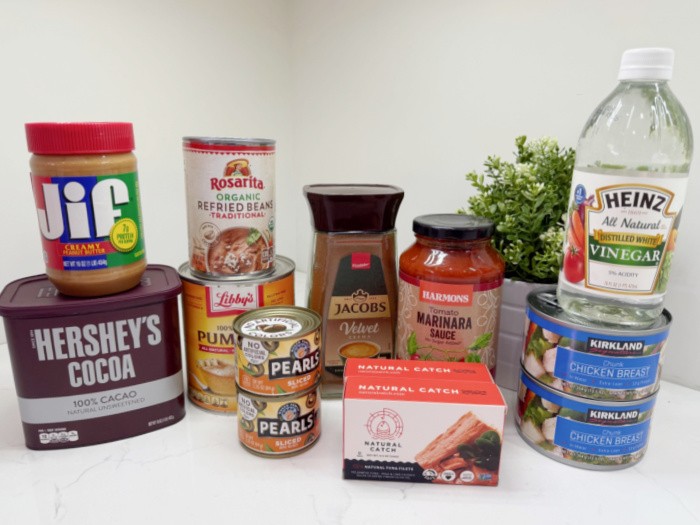
Here are fifteen items that make sense to prioritize, since they come from crops that are most dependent on nitrogen and phosphate fertilizers to grow well, or are downstream products made from those crops.
- Wheat flour and whole wheat berries, since wheat is one of the most fertilizer-dependent staple crops in the world
- Rice, particularly white rice, which stores well and relies heavily on fertilizer-intensive growing methods
- Dried corn or cornmeal, since corn requires some of the highest fertilizer inputs of any major crop
- Pasta, since it is made from wheat and has a long shelf life
- Oats, another grain crop sensitive to fertilizer costs and availability
- Dried beans, including pinto, black, and navy beans, since legumes are a stable protein source if grain prices rise
- Lentils, which store for years and provide protein without depending on meat supply chains
- Cooking oil, especially soybean or canola oil, since oilseed crops are also fertilizer intensive
- Sugar, since sugar beets and sugar cane both rely on heavy fertilizer use
- Canned vegetables, particularly corn, green beans, and tomatoes, since these crops are affected by both fertilizer costs and transportation
- Canned or dried potatoes, since potatoes require significant fertilizer input per acre
- Powdered milk, since dairy cattle feed relies on corn and soy, both fertilizer-dependent crops
- Peanut butter, since peanuts are a fertilizer-sensitive crop and peanut butter stores for a long time
- Baking staples like yeast and baking powder, since bread production will matter more if flour prices rise
- Animal feed grains if you keep chickens or livestock, since your animals depend on the same fertilizer-affected grain supply you do
A helpful approach is to buy a little more of these staples each time you shop rather than trying to stock up all at once. That keeps your budget steady and lets you rotate your supply so nothing goes to waste.
Why Are Grocery Store Shelves So Empty Right Now?
30 Food Items That You Need Now
Final Word
Fertilizer shortages can feel like a distant problem, something happening on the other side of the world that has nothing to do with our own kitchens. But as we have seen, the food on our shelves is tied to farming decisions made months in advance, and those decisions depend on fertilizer that comes from places far beyond our control. None of us can change global shipping routes or trade policy. What we can do is quietly and steadily build up our own food storage so our families are ready no matter what happens with prices or availability down the road. Start small, choose foods your family already eats and enjoys, and add to your supply a little at a time. That is how real preparedness happens: not all at once out of fear, but steadily out of love for the people you care for. May God bless this world, Linda
Copyright Images: Fertilizer with Man At Store AdobeStock_308118847By JackF, Tractor Spraying Fertilizer Depositphotos_740397656_S

Linda, what a great post. I’m pretty in tune to this stuff but I had no idea most of our phosphate comes from Morocco, so thank you for educating me. I do know that Morocco is on the NW coast of Africa so it’s phosphate doesn’t need to pass through the Strait of Hormuz–so I guess the tariffs and import duties are what mainly effects that price.
I was also surprised to hear how much fertilizer comes through the Strait. I thought we got most of ours from South America. But regarding Hormuz, I hope we keep destroying Iran’s missile capabilities until they agree to stop shooting at passing ships and MEAN it.
I know there are many ranchers and farmers in this country who are practicing what they call Sustainable or Renewable Agriculture in which they are using composted manure fertilizers to grow their crops, but, while it’s growing, the practice isn’t yet widespread–I think mostly because the chemical companies and big Agricultural companies want nothing to do with that practice.
As for me, I’ll keep on growing my food organically with worm castings and composted chicken manure. I harvest tomatoes almost every day and carrots at least twice a week. My Early Prolific Straightneck squash plants are flowering and I have one 4″ squash on one of them. My melons are swelling on my cantaloupe plants but so far nothing except flowers on my watermelons. I’m harvesting potatoes tomorrow morning while it’s cool out. I may have to replant my Sweet Success Cucumbers as some critter knocked the water line out of the pot I was growing them in and I didn’t catch on until I saw it all wilted this morning. Hope I rescued it in time. We’ll see. Last year at this time I had 12″ cukes in abundance from that variety, but so far this year nothing but flowers.
Oh I harvested another two gallons of worm castings from my two small bins this morning. Best fertilizer ever.
Hi Ray, oh how I love to hear about your garden. I think I have your cell phone number. I won’t post it here. I will send you a few pics of my prolific little garden. Linda
Great article. Yes, we are dealing with the high prices on fertilizer. Our wheat crop this wasn’t good at all, but we did better than expected.
I’m busy canning pickles and green beans now. They are doing well, and then I’m looking forward to the peaches I ordered arriving soon. I make my own spaghetti sauce and have for years. I use it for pizza topping too. I do buy diced tomatoes and tomato paste. Those are labor intensive and I have enough other things to can.
Pay attention to this. My caveat is that nobody needs fertilizer if there is no water or the crops bake to death in the field.
The coming heat dome and El Nino bear watching
I predict the possibility of food shortage and/or raging price increases as a result. My wheat berries arrive tomorrow
Hi CAddison, good point on the the heat dome and El Nino, I need talk about that. We need stock up on wheat and rice for sure. Yay, for the wheat berries coming tomorrow!! Linda
We’ve been having all these shortages for so long. Are some people just unaware? We’re lucky that we’ve been stocking up on needed supplies for a good long while now. Will we have enough to survive until our time on earth ends? I don’t know, but I’ll keep stocking up as long as I can. I just got 5 Mylar blankets for if/when we need them. From Amazon, company is Don’t Die. I have one of their tents as well. Plus a few other items. No, I don’t get anything from the company. I just like them.
Hi Deborah, I love hearing about the brands my readers have used and recommend. That’s all we can do keep stocking, rotating, using up what we have. Life is good, we can sleep at night knowing we have food to feed out family. Linda