
What You Need To Shelter In Place
This post may contain affiliate links. We may earn a commission if you purchase via our links. See the disclosure page for more info.

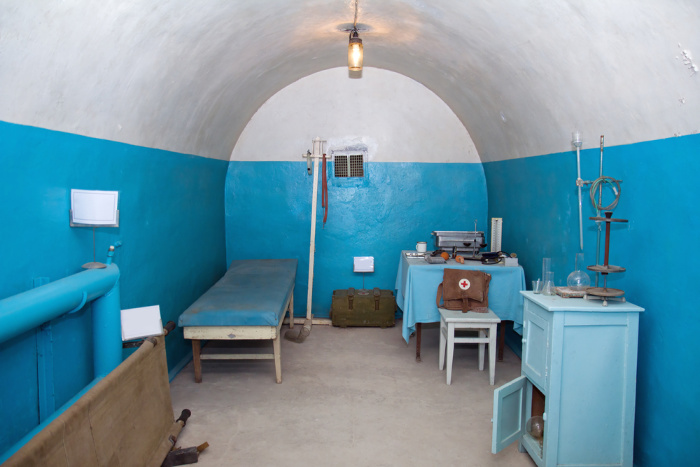
Today, it’s all about what you need to shelter in place. In an emergency, many of us are provided with food and water, either by our own preparedness efforts or by local agencies, but what about shelter? When it comes to sheltering during a crisis, there are some things that you need to know. I’m watching the TV news right now, and a church was damaged by a person who drove into it. He supposedly had explosives in the truck. All neighborhoods around this church were asked to shelter in place. (Michigan Synagogue, March 12, 2026.) Suspect is deceased. Luckily, they had armed security officers on the ground. Now another shooting in Norfolk, VA. Suspect not apprehended yet. Same day. So many unusual events in the news every day.
None of us expects this to happen in our neighborhood. Well, guess what, no neighborhood is immune. In an emergency, there are some things you should know about effective sheltering. What happens if you don’t have access to gas or electricity? What you need in your home for shelter is a real issue, and it’s something you should consider.
My Book: Prepare Your Family For Survival
One of the issues prompting the need to shelter in place is the presence of hazardous materials in the general area. The concern about hazardous materials is that they can contaminate the air around you. When choosing a Shelter In Place area, consider the following:
- The room needs to be big enough for all family members.
- The room should also be big enough for you and the pets.
- The room size has everything to do with air quality and not just the size.
- An upstairs room is advised because most chemicals are heavy and don’t float to that level.
Purchase or Create a SIP Kit
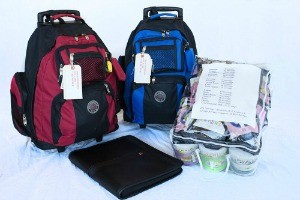
Another way to prepare a shelter-in-place area is to buy a kit. This kit, whether you make it or buy it, should have the following:
- 2 Large rolls of Duct Tape (this will go over any windows, vents, or doors)
- 4 MIL Clear Plastic Sheeting
- Scissors
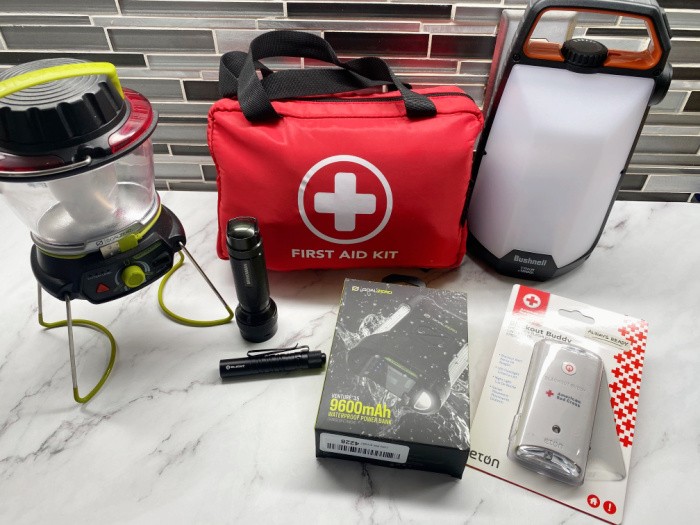
- Flashlights with batteries and Solar Flashlights, as well as LED Solar Ones
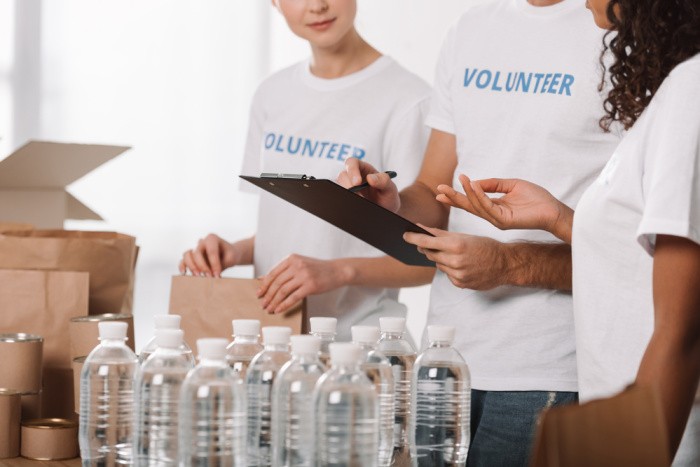
- Water, Food
- Diversions to keep the kids busy (Card Games & Board Games)
- Something to keep your cell phone charged
- Portable toilet
- Radio
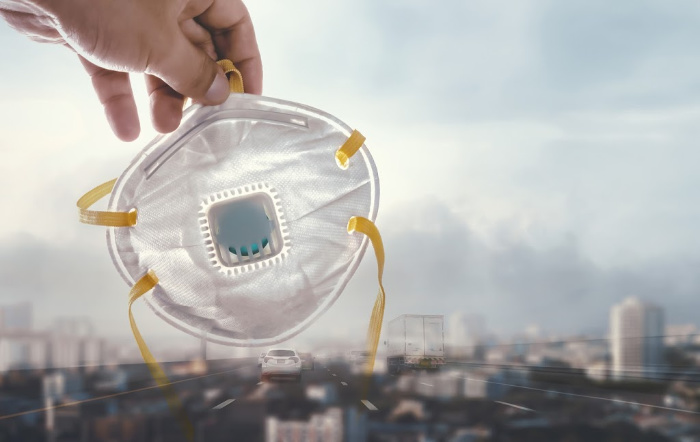
- N-95 Masks
How to Create a Cool Room When It’s Hot
Let’s talk about what to do if it’s hot outside, an emergency has struck your area, and you have lost power to your home. It’s not like you can just go plug in an air conditioner. Instead, you need to know how to cool down your house if it’s hot outside in a pandemic emergency.
Choose a lower level of the house
Although this is the opposite of a SIP situation, where they’re telling you to choose an upstairs room, this is when you should choose a room in the lower level of the house. Most houses get super hot upstairs, which means you could get sick from heat exhaustion.
Close the windows and doors
Although it seems as though you’d want to let the cool air in, this isn’t possible in a pandemic situation. You’ll want to keep the windows and doors closed because you don’t want all that hot air getting inside your home.
So, close the windows and doors. At night, if it’s safe, you can open the windows and doors for fresh air. At night, you can open the windows that are higher up to let the hot air that’s rising actually move out of the house.
Wet Clothes and Sheets Are Your Friends
Although this is hard to understand, sleeping in wet clothes can help you stay cool at night. I don’t know how many times I’ve ever slept in wet clothes, but in an emergency, anything goes. Don’t forget to put wet sheets and blankets in doorways and on the windows to help promote evaporative cooling.
Sleep on the Ground
Another way you can stay cool when it’s hot outside is to sleep directly on the ground. You can move your mattress right to the ground to help keep you cool.
How to Create Warm Rooms When You Have Cold Weather
It’s possible that you could lose utilities during very cold weather. I feel as though it’s a lot easier to layer up in cold weather with what you have at home than it is to deal with a hot home, as mentioned above. There are even more steps you can take to help stay warm.
Choose a Higher Level Room
I think you’re seeing a pattern here. When you choose a higher-level room, you gain access to the heat rising in your home.
Let the Sunlight In
When it comes to keeping warm when the utilities have gone out, you need to let as much sunlight in the home as possible. This will help keep it warm.
Move Everything to a Room
For example, every blanket, couch cushion, or other warm item you have should be moved to one room, if possible. Keep in mind that staying together and moving close together can also help keep you warm.
Cover Up the Cracks
One thing you can do to help when the utilities go out is to cover the cracks. Any cracks in the window frames or doors should be sealed with extra blankets or plastic. Plastic sheeting and duct tape are your new best friends.
Don’t Forget Ventilation
If you happen to be using a wood stove or a fireplace, remember that you need proper ventilation. Carbon monoxide is real and can kill your family if you don’t have proper ventilation in your home. Carbon Monoxide Detector (battery-operated).
What to do When a Emergency Happens

Now that you know how to create a warm room in cold weather and a cooler room in warm weather, you are a little more prepared. In case of an unforeseen emergency, you also need to know about a Shelter in Place, in case you’re not able to evacuate.
Now, what do you do when an emergency happens? Let’s go over this!
Step One: Go inside your home and make sure you lock all of your doors and windows.
Step Two: Go to your HVAC system and turn it off right away if the emergency involves air quality.
Step Three: Create your shelter-in-place area.
Step Four: Listen to the radio to understand what is going on. NOAA Emergency RADIO
Step Five: Leave the SIP room when instructed.
Step Six: Make sure you ventilate your house when possible and when it’s safe.
Stock Your Home Pharmacy
- LMNT Zero Sugar Electrolytes
- Imodium
- Aspirin
- Tylenol
- Ibuprofen
- Vicks VapoRub
- Bag Balm
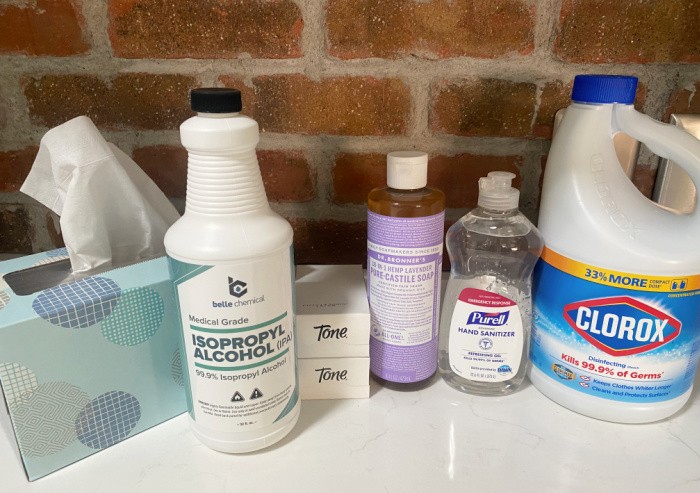
- Dr. Bronner’s Soap
- Hand Sanitizer
- Tooth Brushes and Toothpaste
- Orajel
- Benadryl
- Advil
- First Aid Supplies
- Survival Medical Handbook
- Non-latex Gloves
- Antibacterial Soap
- Bars of Soap
- Emergen-C
- Lip Balm
- Nasal Spray
- Vitamins
- Essential Oils
- Allergy Medications
- Infant Fever Reducer Medications
- Child Fever Reducer Medications
If you’ve ever received an emergency alert on your phone telling you to “shelter in place,” you may have wondered exactly what that means, and what you’re supposed to do. You’re not alone. Millions of people hear this phrase and freeze, unsure whether to hide in a closet, seal their windows, or call 911.
In this post, we’ll explain what shelter in place means, when authorities use it, and, step by step, what to do when the order comes, so you’re ready before an emergency ever happens.
What Does “Shelter in Place” Mean?
Shelter in place means finding a safe location inside the building you currently occupy and staying there until authorities give you the “all clear” or instruct you to evacuate. Rather than leaving and potentially exposing yourself to outdoor hazards, you take refuge indoors. Oftentimes, it involves a report of a dangerous person, like we’ve heard so often in local schools. You don’t want to expose yourself or others if this person enters your neighborhood.
According to the American Red Cross, a shelter-in-place warning is typically issued when chemical, biological, or radiological contaminants may have been released into the environment, whether accidentally or intentionally. However, it can also be used for severe weather events, active shooter situations, as mentioned, or other public safety threats.
Shelter in Place vs. Evacuation: What’s the Difference?
People often confuse shelter in place with evacuation. Here’s the core difference:
- Shelter in place: Stay where you are. Moving outside could expose you to greater danger.
- Evacuation: Leave immediately. Staying put is more dangerous than traveling.
Authorities decide which order to issue based on the type and location of the threat. Always follow official guidance from local emergency management, law enforcement, or FEMA.
When Is a Shelter-in-Place Order Issued?
Shelter-in-place orders are issued across a range of emergencies. The most common include:
1. Chemical or Hazardous Material Releases
Industrial accidents, train derailments, or chemical plant explosions can release toxic gases into the air. Going outside could mean inhaling dangerous substances. Staying indoors with windows sealed significantly reduces exposure.
2. Severe Weather Events
During tornadoes, severe thunderstorms, or hurricanes, sheltering in place in an interior room away from windows is often safer than trying to drive out of the area.
3. Active Shooter or Security Threats
During an active shooter event, law enforcement may issue a shelter-in-place alert for nearby neighborhoods or businesses, asking people to stay indoors, lock doors, and stay away from windows until the threat is contained.
4. Pandemic or Public Health Emergency
During the COVID-19 pandemic, many jurisdictions used shelter-in-place orders to reduce transmission. In epidemic scenarios, authorities may ask vulnerable populations to stay home to avoid infection.
What to Do When You Get a Shelter-in-Place Order
Acting quickly and calmly can make a significant difference. Follow these steps:
- Go indoors immediately. If you’re outside or in your car, get inside the nearest building.
- Close all doors, windows, and fireplace dampers.
- Turn off fans, air conditioning, and heating systems that pull in outside air.
- Move to an interior room with few or no windows. A bathroom, basement, or interior hallway is ideal.
- For chemical threats: Seal gaps in doors and windows with plastic sheeting and duct tape if available.
- Tune in to emergency alerts via TV, radio, or a NOAA weather radio for official updates.
- Call your emergency contact to let them know you’re safe and where you are.
- Stay put until authorities give the official all-clear. Don’t leave early.
Important: Most shelter-in-place orders last only a few hours, not days. Authorities will advise when it’s safe to move.
How to Prepare for a Shelter-in-Place Emergency
Preparation is the best defense. Before an emergency strikes, take these precautions:
Designate a Safe Room
Choose a small interior room in your home with minimal windows. A master bedroom with an attached bathroom works well; it offers access to water and a toilet if the shelter-in-place extends for several hours. Basements are ideal for tornado threats.
Know Your Local Hazards
Contact your local emergency management office to identify which hazards are most likely in your area. If you live near industrial facilities, major highways, or rail lines that transport hazardous materials, you’re at higher risk for chemical emergency orders.
Sign Up for Emergency Alerts
Register for your local government’s emergency notification system. Most counties and cities offer free text or email alerts. You can also enable Wireless Emergency Alerts (WEA) on your smartphone, which are automatically broadcast in your area during serious threats.
Frequently Asked Questions About Shelter in Place
How long does a shelter-in-place order last?
Most shelter-in-place orders last a few hours. They are intended as a short-term protective measure, not a long-term lockdown. Officials will provide updates and issue an all-clear once the threat has passed.
Can I leave a shelter-in-place order if I need to?
You should not leave unless there is an immediate life-threatening emergency requiring you to do so. Driving or walking outdoors during a hazardous materials release or an active security threat significantly increases your risk. Wait for official guidance.
Is shelter in place the same as a lockdown?
Not exactly. A lockdown typically refers to a security protocol, particularly in schools, in which people remain inside secure rooms, away from doors and windows, during an active threat. Shelter in place is a broader term that also covers chemical, weather, and public health emergencies. The procedures can overlap, but the context and steps differ depending on the type of threat.
What if I’m in my car when a shelter-in-place order is issued?
Pull over safely and move to the nearest solid building. If no building is available, roll up windows, turn off vents, and stay low in the car as a last resort. Don’t continue driving through a hazardous area.
Final Word
Shelter in place is one of the most important emergency protocols to understand, precisely because it can be ordered with little or no warning. Whether it’s a chemical spill, a severe storm, or a security threat, the steps are largely the same: get inside, seal up, stay informed, and wait for the official all-clear.
The good news is that preparation is straightforward. Designate a safe room, build a basic supply kit, know your local hazards, and sign up for emergency alerts. A little readiness now can make all the difference when a crisis occurs.
Now that you know all of this information, do you feel prepared for an unforeseen emergency? These tips will help you have the right things in your home for proper sheltering. Are you prepared? A disaster isn’t something you wait until later to prepare for; you do it NOW! What you need to shelter in place is no joke. This is as serious as emergency preparedness gets, my friends. May God bless this world, Linda
How To Stock Your Home Pharmacy
Copyright Images: Pandemic Depositphotos_29876035_s-2019, Pandemic AdobeStock_302581739 by Win Nondakowit, Hospital Room Depositphotos_211947456_s-2019, Bunker Depositphotos_28638121_s-2019.jpg






The big question now is “when” The timing of it all.
This is what I’ve put out to everyone:
It seems it’s just a matter of time. It’s time to start getting serious. Look at a 1 month lay in where you can’t leave the house.
Water – min standard is 1 gl per person per day. Don’t try to get fancy containers. Fill everything.
Food- not frozen in case grid goes dow due to lack of people to run it
Meds- get 90 days, be open to “alternatives”
Plan for the trash – I’m working on getting a burn barrel now
Loss of or sporadic power – candles, batteries, flashlights, chemlights, alternative cooking method.
Personal protection- time to check batteries, fresh ammo, actually have them at hand or on you even at home, carry a knife, OC spray etc.
Lots of TP and cleaners
Hi Matt, I need your help, great comment today. I respect your experience. I need to get a burn barrel, what should I look for? Linda
I got my barrel off of craigslist. I drilled a hole in the top then used a reciprocating saw you cut the top off. I let the top fall in to add thickness where the coal bed sits. I then drilled holes using a 1/2” speed bit in sides for airflow. If you have the option of just shooting holes in it that’s always better lol.
$10 and 10 minute prep.
OH Matt, when I read shooting the holes I got the giggles! Thanks for the tip on the barrel! I love it! Linda
When the advice is to turn off the HVAC system, I assume that’s so that you’re not bringing outside contaminated air in? But I have no AC, and a forced hot water heating system, so I’m guessing I don’t need to turn it off?
Hi Laura, yes, smoke or contaminated air can come through the vents. If we have a fire close to our home I shut off the A/C so it won’t pull the air in. I’m not sure about the forced water heater, that doesn’t involve air, so maybe not? Linda
Depends on the boiler in your system. Direct vent systems are safe enough since they only pull air in via a duct and push fumes out via another duct. Old school boilers with just a vent will cause air to be pulled into the house from the outside which can contaminate the area around the boiler and maybe more depending on the hazard.
Steel barrel. Doesn’t matter if it’s bent, got a lid or got holes in it cause we normally pop a few in it for air flow anyway.
Burned trash first third of my life. Don’t throw aresol cans in it lol. Well maybe for fun. Lol
Get a metal bar to stir it around while it burns. Try not to breath in anymore smoke than possible. Eventually there will be ash that requires dumping. Dig a hole and dump it. When things get back to normal that can be cleaned up.
If you can’t handle a full barrel look for a half one or get somebody to cut it for you.
Dunno what to tell folks who ain’t got septic other than dig a hole now. I’m thinking bout renting a bobcat while things are still normal and digging my trash hole.
Thanks, Matt, I will look for a steel one. Linda
Before I lived in an apartment (last 8-9 years now) I always had a burn barrel. Back then, I also had a husband who could handle dumping the barrel now and then! I suggest to all singles (even men) to go with a half barrel as Matt suggested! I would also suggest an easily removable “lid” to prevent the ash in the barrel from getting wet if it rains. Makes it more challenging to empty the barrel. I used an old galvanized wash tub.
Hi Leanne, great tip, I have plenty of galvanized wash tubs. Well, three to be exact. I will use one for burning trash!! Love it! Linda
There ya go! Smart idea that’s manageable.
BTW when your doing that digging the neighbors are to be told it’s for a landscape project, fishpond thing or or whatever. OPSEC
Hi Matt, great tip! Linda
I’d like to throw out another suggestion. Unless your real fond of swinging a sickle, a goat or have the old style push mowers I’d buy some roundup to control the yard in case fuel lines are disrupted.
I know I’m the crazy uncle no one likes to talk to at thanksgiving but I’m a bit worried bout this and you gotta think outside the box.
Matt, oh my gosh, I may be the crazy aunt at Thanksgiving! Or the crazy grandma? Best comment ever! You made me giggle! Linda
I still remember my grandfather cutting both the top and bottom off of tin cans (well, they are not “tin” anymore:). Then he would cut along the length of the can and open it up/ flatten it. He would tack them on fences or storage buildings. That way he would not have to dispose of them in the garbage.
Hi Diana, great comment! Linda
Them cans:
Hang them strategically as range markers for your weapons.
Use them on trip wires as the noise makers.
Cut bottom and top out and use them on seedlings as protection. Start the seedlings in them.
Melt crayons and leftover candle wax to make new candles.
Store leftover bacon grease and such.
Make games to toss rocks in them for kids to play with.
And so on …..
Great Tips! Linda
Round Up will kill all the grass you put it on, not to mention there are law suits of people getting cancer who used round up. Just hire a lawn service and put their $ in the mail box or between the screen door and locked front door.
Pandemic or no… not everyone will get sick.
Put all your bills on autopay, if you can. Wash, Wash, Wash your hands. Regular soap is sufficient. When you use antibacterial soap, the weak virus may die, but the strongest will survive to procreate. Used to work in a hospital.. I’d definitely have some face masks for times you just have to get out.
Yes, get bleach and Lysol to clean door knobs,etc. my hubby is a science teach and does not was hands unless in shower and believes the more germs a HEALTHY person is, the stronger his immune system is. Seems to work for him… he’s only been sick once.
Read up. Do what makes sense to you. Wishing health and a long life.
Hi Nancy Jo, thank you for your great comment today. My husband rarely gets sick either. I’m like you, I believe we need to wash our hands often! I hope people are setting up autopay and stock up bleach and Lysol, water and food. They must do it! Linda
Most of the cancer is from continuous years use of round up in large industrial/farm size sprayers. They usually run through hundreds of gallons to thousands each season.
If services such as electricity and fuel are disrupted there won’t be a lawn service even if they aren’t sick.
Wildfires are prevalent every early spring and fall. Short grass buffer zones may be the difference. A good example is the Ronald Reagan library that survived the wildfires due to goats keeping it beat down.
Matt, you are so right!!! Linda
I’m glad Matt mentioned water containers and to fill anything! On one website I view there was a woman saying how she wanted to store water but costs add up when buying those gal jugs of water from the store. Last time I bought a gallon of water from the store it was $1. Yep, that can add up! Especially if the water is to be used for ‘washing up’. There’s so many ways we can store water in plastics we might just put out into our recycling. Laundry soap jugs: just fill and save, good for any washing up! Milk and juice jugs: rinse and sanitize with dish soap and maybe a tsp of bleach. Fill with water while we still have it! Caveat here: can this water go bad? Maybe…? Years ago (before my rural electric co put all lines underground) we had regular power outages during winter ice storms. My well pump doesn’t work without electricity, lol. Water storage was Always a necessity in winter, so I contacted my county extension office to ask for their advice on keeping water safe. Pretty simple: just add 2 Tbsps of either vinegar or vodka per gallon. There is no taste of either but most bacteria are killed also by either. I did this with milk jugs and I also filled 2-40 gal drums adding vodka to one, white vinegar to the other. One year I didn’t have to use the drum water at all so I tested the water. Yep with a free testing kit from my extension office. The water tested fine and better yet, still tasted great. I found a store-bought gal of water that was the same age: tested fine but it had an icky taste. I just wanted to share this story with everyone who wants to store water but the cost of buying may prevent them from buying other preps.
Lol, one year I had family here to help me during cancer treatment. Mostly to help with outdoor chores…and an ice storm/blizzard came up. Just as my sis said, ” oh I hope the electricity doesn’t go out”, it did! No worries…her hubby and my kids hauled in extra firewood for the fireplace and cast iron stove. We got that going, and I had her put jars of homemade canned chili in my big pot on top of the stove. My grandson asked if he needed to haul in snow to melt for water…(yep, we’d done that one time)…but I reminded him we had stored water. I think he was a bit disappointed, lol. I had him position the oil lamps throughout house instead. During our supper of chili, we heated soap water (from my laundry jugs) on the stove for washing up. While both my sis and I had grown up when our folks lived in an un-modern house, in extreme poverty, she’d sort of forgotten how rural folks have all kinds of tricks to get by. We had a good laugh about how I had warm soapy water to wash dishes, even while our light was oil lamps. Our family played Monopoly all evening. We washed our faces and hands with my soap water before bed. The power came back on the next morning, the sun shone brightly melting most of the new snow. While this is a fun memory for us to share, if I hadn’t already been prepared, it would have been a rough night. Lol, the longest I’ve been without power, hence No well water, was 5 days in the middle of summer! Sorry this got long but people really need to know to Always have stored water.
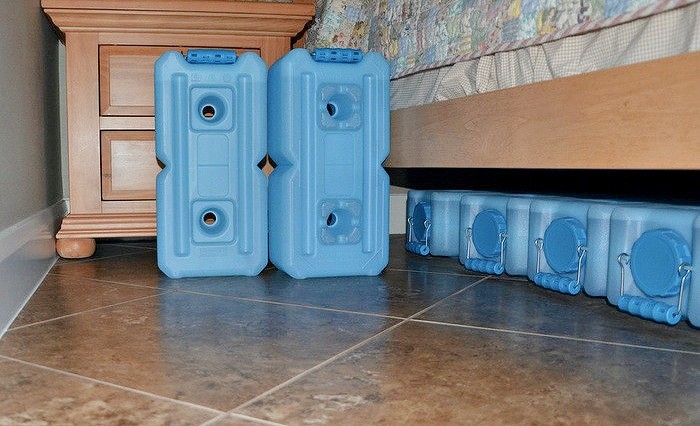
HI Wendy, no comment is ever too long for me, I read all of them. I LOVE your comment! Water is huge. I just ordered 6 more cases of Blue Cans today off the Brownell.com website (cheapest place). I love that water and all I have to do is stack the boxes. No jugs, no water preserver and it tastes better than any other water. But people can fill any container as you mentioned and use it for washing dishes or our underwear. Stay well, my friend, Linda
Linda, I found the Brownell website. I might be wrong but it looks like one 24 case of canned water (a soda size) is $30.99? Now, this water is probably good for decades but, whew, pretty pricey…maybe I misread their website?
Hi Wendy, no that’s the price. I just ordered another 6 cases. It lasts for 50 years and is the best tasting water you can store. It is NOT in aluminum (they coat it with something). It’s all about set and forget it. I have 24 cases right now. $211.00 for 6 cases.
Wendy ~
I have to use distilled water for a medical device so I do have to spend the money for those gallons of water! When I am getting water, I make sure that the jugs have screw on lids instead of the pop off lids. That way, when I filter water, I can fill the empty jugs or if I am just going to use the water for washing up, I don’t necessarily filter! Of course, I do rotate those jugs of water!
I know this reply is a bit late, but home water distillers are pretty inexpensive these days. I got one last year (off Amazon for under $60) and use it every couple of weeks to make a gallon of distilled water for used in our CPAP devices. Easy to use and fairly easy to clean. Definitely worth it with a gallon of distilled water costing $1.50 to $2 around here…already paid for itself. 🙂
For those interested the unit is VEVOR Water Distiller, 1.1 Gal Distilled Water Machine, 750W Pure Water Distilling w/BPA Free Plastic Container, Water Distillation Kit w/Button, Countertop Distilled Water Maker for Home, White
Thank you for the info on the distiller. I have looked at them and found that there were some pretty negative (1 & 2 level) reviews! Then, I started looking at my tiny kitchen and can’t figure out how or where I would be able to use it! I just have so little counter space!
I store it in the original box and only bring it into the kitchen when we’re going to make a gallon of distilled water. Takes about 4-4.5 hours depending on tap water temperature since it works by boiling the water and pulling it through the coils in the fan assembly and then the distilled water drips down through the spout.
I replace the carbon filter every other month despite it being good for more water…just don’t want anything to have a chance to grow in it.
Quick cleaning the unit after a run just involves a quick rinse, pouring out the residue then wiping it down with a clean cloth. Every second or third run when I start to see mineral deposits I use the cleaning solution to dissolve the deposits and give it a more thorough cleaning.
All that said, I live in New England where the water is pretty decent and I have a whole house water filter, so that drops the minerals pretty well before the distiller ever sees the tap water….so folks with hard water may see different results with residue and need to do a deep clean each time. YMMV
For those people who do not have wood stoves/fireplaces, you can use large candles to “cook” on! Line your sink with aluminum foil, place 2-3 candles in the sink (I like to use 2-3 wick candles), place the rack from your oven over the sink. Light the candles and set a pot with soup/stew/chili over the candles and voila, you have an effective heating device. You MUST line the sink with foil, though to prevent any wax from going down the drain – that is a disaster!
Also, if you know there is a storm brewing, it is a good idea to fill your bathtub with water that can be used for washing/flushing toilets, etc.
Thanks, Wendy for the tip on using vodka or vinegar for helping to preserve the freshness of water.
HI Leanne, I love this! Just remember the foil. Yes, I forgot to tell Wendy thank you for the tip on vodka and vinegar! I love my readers! Linda
As always, I love your posts!!!
I live in a condo in downtown Orlando and am in debt, so I have no money. (I’m using the last of my credit card for a Berkey.)
Am I gonna die?
LOL!
No, but seriously… am I?
HI Tom, thank you for your kind words. The Berkey will be worth it, you will have thousands of purified water. Stay well, stay safe, Linda
Greetings to all… & Thank You!
I am starting over… after giving my “full preps” to my son… since we sold our house. Now, we are senior citizens, living in a condo. How can I modify prep steps for my condo situation?
We are at the end of the building, between level one and level three. Our HVAC system is individual. However, the HVAC for the common areas goes throughout the building. We have a parking garage under the building, with a large storage space. Can I use this space for storing my water and other preps? I wonder about all of the car exhaust and large garage door opening all the time. There is no climate control. It gets very humid during summer.
Oh gosh! I am the Crazy Grandma too! My son “gets it.” The rest of my family, just wants me to stop squirreling away items for what they laugh off as the Zombie Apocalypse. Mostly, they just want me to be quiet! It’s no laughing matter. I am very alarmed with the pandemic situation we now find ourselves in and only partially prepared!
The feeling of understanding and community I get from all of you is very appreciated, as is the wealth of information that you share!
I want to thank you for taking the time to post all of this urgent information! You also have great recipes, Linda!
Hi Judy, oh, thank you for your kind words. Here’s the deal, I live in the desert. I cannot store any food outside. Even plastic items become brittle in the garage after several years. But I make it work. I store water under beds, in the closet, some in the garage, four-55-gallon barrels outside, etc. All my everyday food storage is in the small pantry. I have food (#10 cans stored under beds, in closets, you name it.) I may look like a hoarder, but my guests do not see the food except the whole wheat berries that line the guest bedroom. LOL! Oh, well, that’s how I roll. Look for every nook and cranny in your home. Stack cases of food behind a couch. It’s about survival. I am not bugging out unless an earthquake hits my home. LOL! Linda
I will make it work too! You have really opened my eyes to storage possibilities! My #10 cans are looked on with disdain, as was my water….until a storm knocked out our power for several days.
It was so nice to say see….we need this! Not optional!
Oh Gosh! I wish you zero earthquakes! Really tough to deal with. I’ve lived in California and Montana….earthquake country. Not a good scenario, that’s for sure! I’m not planning to bug out either! LOL! J
Hi Judy, I cannot bug out, I would be a target up in the hills! LOL! I have everything I need right here. Stay safe and keep prepping. Linda
I can’t bug out either! I’m getting ready to stay put. To make sense out of my #10 cans, I’m using Chef Tess “Meals in a Jar” cookbook. Enjoying it very much and great tasting meals! She gives directions for Mason jars and Mylar bags. The Mylar bags are really saving space!
Hi Judy, I think I have a similar book on making meals in a jar. I read so much about people bugging out, not me either. Linda
I grew up on a ranch in Northern California and we always had burn barrels and more. I miss those days. I now live in the “county” (but still considered developed) in Northern Nevada (Reno area) and we cannnot use burn barrels ever! We can’t hardly ever burn anything and quite frankly, it doesn’t bother me. We have such a risk of fires here due to sagebrush, etc. Trash is a definite issue for me during a pandemic, emergency, zombies, etc. My husband is a civil engineer and he could McGuyver a septic area/latrine so that’s not too bad, except for the digging part-we’re old and broken. If it’s winter, we could burn certain trash in our woodstove. We do have the tools/brushes necessary to keep the creosote down in the chimney. Alot of trash burning would create that.
I love reading this site! There are so many good ideas out there, not just from you, but from other people who have thought of wonderful, out-of-the-box ideas that are practical and affordable. I’m pretty nervous about this coronovirus thing. One, I think the media lies, lies, lies, but two, I think it’s out there, and it WILL reach the US. Our daughter works in a grocery store therefore, she’s highly likely to catch something and bring it home. Otherwise, I think we could avoid alot of people and issues just by staying home. We have the means and ability to hunker down for quite some time. If most people would use common sense (I’ll stop laughing in a minute) we could all be much better off.
In the meantime, Linda, you are one amazing woman and I personally thank you for the service you’re providing everyone!
Can not find Brownell.com
Hi Cynthia, it is Brownells, sorry about that. I will check my link. Thank you, Linda https://www.brownells.com/emergency-survival-gear/water-amp-hydration/water-storage/blue-can-water-24-pack-sku100016208-72110-155010.aspx
Oh, I forgot about the comment I was going to make about water. I used to fill anything and everything I could with water. I would buy cases of water from Costco for drinking but had “nonpotable” water for everything else. I found that alot of the containers were too flimsy and would break down afterwhile. We buy Tropicana Orange Juice from Costco and wow! those containers are sturdy! They’re thick, don’t break down and have flat sides so they can store up against each other nicely. I use only those and have my basement full of water in every space I can put them. I have water purifier tablets (and also bleach) to be able to purify the water if I need to but I think other than maybe tasting icky, it ought to be good enough to drink if I have to. I clean the bottles really well (no soap) before filling them so I start out with fresh, clean water. My bottles are always on wood, never directly on concrete. So, yes, I agree, fill whatever you can with water because you can never have too much of it! but be aware of “what” you’re using for optimal results.
Hi Robbie, you are so right! Be careful of the water you are storing. It can be filtered or boiled in most cases. AND you can always heat it up to wash dishes or laundry. We can do this! I like the idea of those Orange Juice bottles. Linda
I was out and about today and a couple of things that I noticed: I could not find N95 masks anywhere in town; Amazon is out of stock on them; other sites are also out or limiting to 2 boxes and the prices have risen steeply! I am so happy that I have a stock of them already but I was going to purchase a few more if I could!
Hi Leanne, I know it’s crazy about the N-95’s. It’s all about supply and demand. I have plenty, thank goodness. I’ve heard that even food storage is running low. I just ordered some more Blue Cans today. I have to have water, good water. Stay safe, stay well!!! Linda
I’ve been reading alot of articles about the coronovirus. “Experts” are saying that the face masks are palliative; they aren’t necessary. Good hygiene is the most important rule, i.e., washing hands, covering your coughs, etc. I don’t know. I have some masks but not enough but I’m not sure they’ll do that much good in the long run. If masks are going to help at all, even the giveaway ones from the doctor offices, etc. would be better than nothing. Also, if you wear glasses, like I do, the darn things fog up with masks on! I did check at Home Depot and there are some available (low stock, tho) in our local stores. Almost everything says no online/delivery – so check your local hardware stores, too.
Hi Robbie, if nothing else this coronavirus has made a few people wake up and realize they need to be prepared to take care of themselves if a disaster or pandemic hits their neighborhood. Let’s hope they remember to always be prepared, when this one passes. Linda
P100 or N95 “paint” respirators work better than the disposable mask with glasses. The low profile filtered ones are easier to shoot with. They also last longer and can be decontaminated for reuse. Just a thought or two.
Hi Matt, this will help others for sure, thanks for the tip!! Linda
Did a little shopping and Walmart was wiped outta powdered milk and went to get a bucket. Got “the look“ from the clerk who said “yeah those got wiped out in the last few days”. Lots of folks standing round the rice in the aisle. Like it was confusing them. I’m like “it’s rice, it lasts, it feeds, don’t overthink it.”
Looked for respirators at a few places today. One place had several other men looking for them as well. I’m good but I was looking cause I was shopping there anyway.
Things gonna get tight before long.
Hi Matt, I went to Costco tonight and there is hardly any toilet paper left, the rice section had one broken bag left. I guess people bought out the big bags of rice today. Things are going to get rough pretty soon, just like you said. Stay safe, my friend. Linda
I’m also getting a pump sprayer dedicated to decontamination.
Matt, great idea!!! Linda
I have been canning chicken, rump roasts, water. If my canner is not full I fill empty jars with water and start the canner. ( The water is then sterile still good for drinking or for cuts) I also use 2 liter pop bottles to store water, I change the water out every four to five months. Use the old water to water the garden or flowers. Usually your tap water now is still good and has bleach in it. If the water taste flat I just pour it back and forth in a glass to get air back in it. Then it is fine. I used it for drinking, cooking and sponge baths and washing my hair. ( was without water for two weeks) When you can grow a garden and can it or dehydrate it. Stay safe and God Bless
Hi Donna, you are doing all the things I would recommend to be prepared, keep up the good word! Stay well and God bless your family! Linda
I honestly wasn’t sure what an SIP shelter was. I like how you mentioned that get solar flashlights, water, and board games. With this whole COVID-19 pandemic spreading in my area, I’m glad I have food storage. Thanks for the great tips for making an SIP shelter.
Hi Taylor, I love hearing you have food storage! It looks like we will all be sheltering in place. Stay well, stay safe. Linda
I realize this original article goes back to February 2020. It is amazing how much we have all learned since then. Right now it is war not a pandemic that has us on high alert. It’s all the same. Preparing to keep ourselves and our families safe. Thank you Linda for all you have taught us. Please everyone, stay safe and healthy and warm.
Hi Chris, you are right it was originally written back in 2020. I added more information because it is now becoming more common to “shelter in place”. I don’t like to say that but it’s the truth. I may have new readers who have never heard that term. It is more critical today than it was in 2020. Sad but true. But we are prepared so we can sleep at night. Thank you for your kind words, my sweet friend. Linda