Emergency Preparedness and Food Storage
This post may contain affiliate links. We may earn a commission if you purchase via our links. See the disclosure page for more info.

Today, I want to address emergency preparedness and food storage. You should be stocking up on food and fuel right now. The window for easy, affordable preparedness is open, but it may not stay that way for long. Stocking food and fuel used to be something your grandparents did. Today, it’s something every household should be doing, and sooner rather than later.
Grocery store shelves that look full today can empty in hours during a regional emergency. Gas stations go dry within 24 to 48 hours of a major storm or supply disruption. For most American families, a one-week food shortage would mean real hardship. A two-week shortage could be a crisis.
This post explains why building a home food and fuel reserve is one of the most practical, financially sensible things you can do right now, and how to start doing it today.
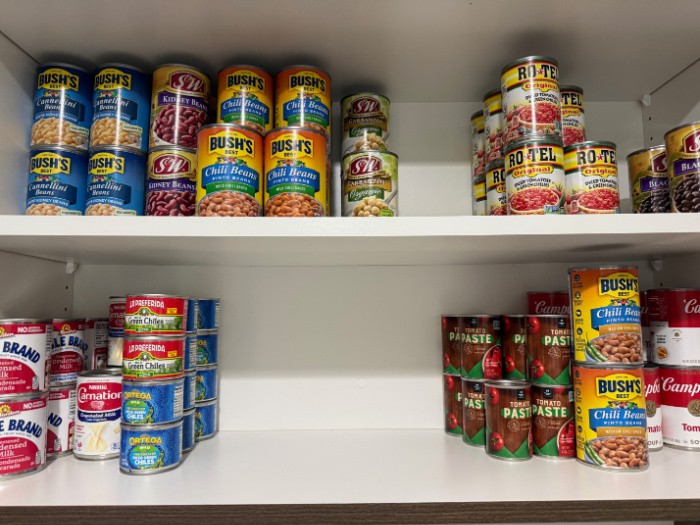
Yesterday, I checked out my pantry for holes or vacancies, you could say. I used my last two cans of diced tomatoes in a soup yesterday. Thankfully, Harry (in our forum) told me about Sam’s Club Plus program. Yes, it costs money once a year. The amount may depend on where you live. Here’s the deal: I just renewed mine. Why, you may ask. I can order online at store prices, not have to drive there since they deliver, and the prices would be the same if I had gotten dressed, shopped, and dragged those cases out to my car.
Today, I ordered two cases of refried beans, two cases of black beans, and two cases of diced tomatoes. They’ll be delivered to my door within a few hours. No tip, no delivery charge. The total was just over $50.00. Sold, no leaving my house and burning my gas.
Gas Stabilizer (gas without EO, Ethanol will store longer).
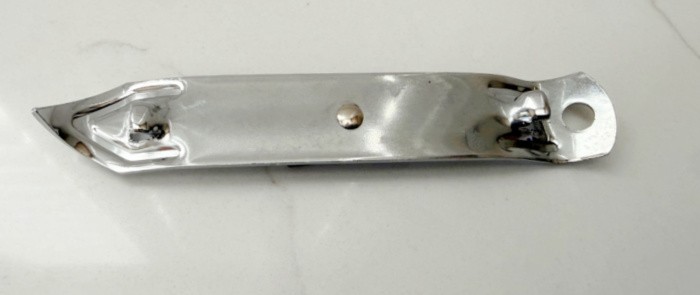
Can Punch Opener (this can open any can if you punch it all around the top). It opens bottles as well.
The Supply Chain Is More Fragile Than It Looks
Modern grocery distribution runs on a system called just-in-time inventory. Stores receive frequent, small deliveries rather than keeping large stockpiles on hand. This keeps costs low under normal conditions, but it means the buffer between “fully stocked” and “empty shelves” is razor-thin.
A single disruption, a trucking labor shortage, a port bottleneck, a severe winter storm, or a regional power outage can cascade through the supply chain faster than stores can respond. We have seen this play out repeatedly in recent years with everything from baby formula to cooking oil to bottled water.
When you build a home food reserve, you’re essentially creating your own personal buffer against a system that was never designed to absorb sudden shocks.
The U.S. Department of Homeland Security recommends that every household maintain at a minimum a 72-hour emergency supply of food and water. Most preparedness experts and organizations, such as FEMA, now suggest that two to four weeks is a more realistic and resilient target.
The difference between 72 hours and two weeks is not paranoia. It’s the difference between surviving a common power outage and being prepared for something more serious.
Six Reasons to Stock Up on Food Now
1. Natural Disasters Are Not Waiting for Anyone
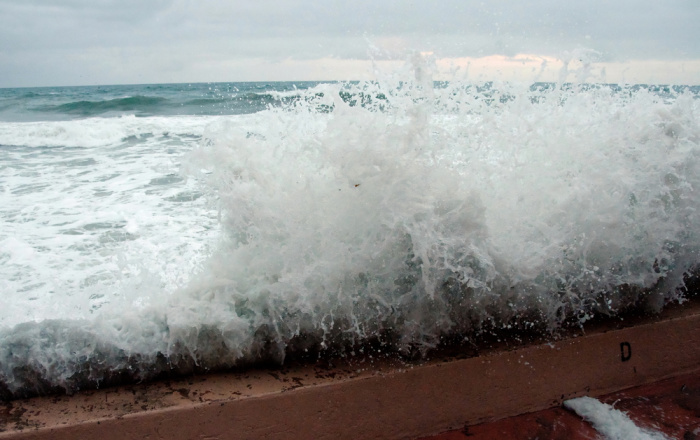
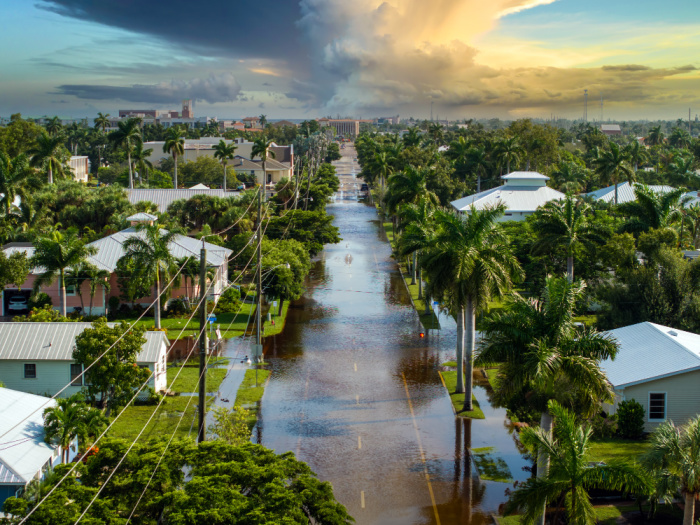
Floods, hurricanes, wildfires, earthquakes, ice storms, and extended power outages affect hundreds of thousands of Americans every year. In the immediate aftermath of a disaster, roads close, delivery trucks stop moving, and stores are cleaned out within hours. The families who fare best are those who were already prepared before anything happened. Within the past two weeks, there have been frequent news reports of millions of families without power, streets closed due to heavy snows, and main highways flooded or covered with black ice. All those issues have caused frustration and heartache for families needing food and water.
2. Food Prices Are Not Getting Lower
Food inflation has been persistent and unpredictable. Buying shelf-stable staples today — rice, dried beans, canned goods, pasta, oats, at current prices is a practical hedge against future price increases. A $200 investment in pantry staples today may be worth $280 or more in groceries two years from now.
3. Job Loss and Financial Disruption Are Real Risks
An emergency food supply is not only about external disasters. If your household loses income unexpectedly, a well-stocked pantry significantly reduces your most immediate financial pressure. Many families who have experienced job loss credit their food storage for giving them the critical breathing room they needed during a difficult period.
4. Geopolitical Uncertainty Affects Domestic Supplies
The United States imports a significant portion of its food supply, including key ingredients, cooking oils, fertilizers, and agricultural chemicals. Global trade disruptions, tariff escalations, or supply shocks in exporting countries can quickly translate into domestic shortages and price spikes. Building a reserve insulates your household from these pressures.
5. Grid Vulnerability Is a Growing Concern
Extended power outages lasting multiple days or weeks are becoming more common due to extreme weather events and aging infrastructure. Without power, refrigerated and frozen food quickly becomes unsafe. A well-planned home food storage system relies primarily on shelf-stable items that don’t require refrigeration, keeping your household fed regardless of what the grid is doing. Power grids are experiencing more pressure due to the rapid growth of high-power-demand AI computer-based facilities all over the country. Things are bound to get trickier until the needed infrastructure is improved and updated.
6. Fuel Availability Disappears Fast in Emergencies
During a regional emergency, gas stations are among the first businesses to face supply problems. Long lines, station closures, and local shortages typically begin within 24 to 48 hours of a significant event. Having a modest fuel reserve, properly stored with a fuel stabilizer, can mean the difference between evacuating safely and being stranded. Please keep your gas tanks in your vehicles above 1/2 or 3/4, even better. Full is the best, of course. When in doubt, fill it up!
What to Store: A Practical Starting Point
You don’t need to overhaul your lifestyle or spend thousands of dollars to build meaningful food security. The goal is steady, affordable progress over time.
Start with foods your household already eats and that have a long shelf life. The best food storage is food you will actually use.
- Dry staples: white rice, rolled oats, dried pasta, dried beans, lentils, split peas
- Canned proteins: tuna, salmon, sardines, chicken, canned beans
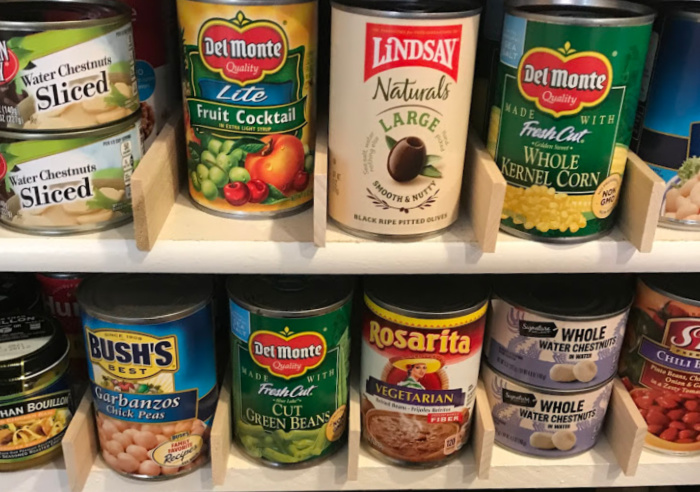
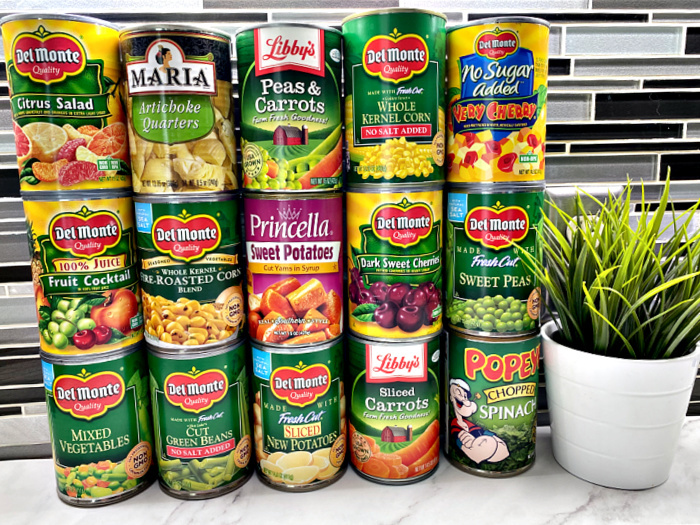
- Canned vegetables and fruits: whatever your family eats regularly
- Fats and oils: olive oil, coconut oil, ghee (all shelf-stable for 1 to 2 years)
- Salt, sugar, honey, and basic spices: these store almost indefinitely
- Shelf-stable dairy: powdered milk, evaporated milk
- Water: four gallons per person per day; store a minimum of two weeks’ worth
- Manual can opener and cooking supplies that work without electricity
Fuel Storage: What You Need to Know
Storing fuel safely at home is straightforward when done correctly. Gasoline for generators and vehicles, propane for camp stoves, and firewood for fireplace-based heating are the most common residential fuel reserves.
For gasoline, use only approved containers designed specifically for fuel storage. Add a quality fuel stabilizer to extend shelf life from the typical 30 days to 12 to 24 months. Store fuel away from living spaces, heat sources, and any open flame. Check local regulations, as many areas limit the amount of fuel that can be stored on a residential property.
Propane can be stored indefinitely in sealed tanks and is one of the safest and most practical home fuel options. A 20-pound propane tank will run a camp stove for many hours of cooking, enough to last a household several weeks.
For years, we took our girls on weekend family camping trips to gather firewood. We had a vehicle that could pull a small trailer, and we’d fill it up with dry wood. We had chainsaws at the ready so the wood could be effectively cut and stored along the side of our house and in the backyard.
How to Build Your Reserve Without Breaking the Budget
The most common mistake people make when thinking about food storage is treating it as an all-or-nothing project. It’s not. A gradual, consistent approach works better for most households.
- Add a few extra cans or bags of staples to your weekly grocery run
- Buy in bulk when sales align with your storage goals
- Rotate your stock, use older items, and replace them with fresh purchases
- Set a simple monthly budget, even $25 to $50 adds up meaningfully over time
- Focus first on a two-week supply before working toward one to three months
Within three to six months of consistent effort, most households can build a meaningful reserve without financial strain.
How To Stock Your Kitchen For Survival
Home and Household Skills: Why We Need Them
Final Word
The Right Time Was Yesterday. The Next Best Time Is Today
Emergency preparedness has a strange psychological quality: it feels most urgent right after a disaster, when it’s too late to prepare, and least urgent when life is calm, which is exactly when preparation is easiest and least expensive.
Stocking food and fuel is not about fear. It’s about responsibility to yourself, to your family, and to the peace of mind that comes from knowing you’re ready for what you can’t control. The shelves are stocked today. Prices are predictable today. Your schedule has room today.
These are the conditions that make preparation straightforward. Don’t wait until they change. “The best time to prepare for an emergency is before one begins.” Start with one week. Then two. Then a month. Every step forward is a step your future self will be grateful for. May God bless this world, Linda






What do you recommend when you have no room for storage of extra products ?
Hi Michael, this is a great question. I moved into a tiny home, 1000 square feet. Not exactly tiny, but tiny for my husband and I. How many square feet are you living in? Put cases of food behind your couch, line the hallway with WaterBricks of water. My bedroom wall has one wall devoted to storing water. Is it pretty? It is too me. It’s organized and I know I have water. You can store cases of food on top of each other and cut the ends off to get to the cans if shelving is not available. I store toilet paper and paper towels in my Master bedroom closet, the top shelf. My food storage lines a wall covered with built in shelves. I wanted doors on it but there wasn’t enough space. Look around your house and see if you can donate things you do not need. I hope this helps, you can do it. Linda
Good reminder for all of us.some of my children only buy one week of groceries. Nothing else. They don’t stock up on anything. I’ve had extras all my life. I grew up with extras.
Hi Deborah, it’s a way of life for us, my sweet friend. I have church leaders in Utah email me once or twice a month asking how to light the fire under their members to stock food. You know, I tell them, the leaders have to be the example and teach them the government or the church will not provide food after a disaster. It’s not going to happen. I still remember my sweet friend in Southern Utah delivering toilet paper to people during Covid. I gave her a Costco package because I had a surplus, no I’m not a hoarder, LOL! Who doesn’t stock TP? Life is good when we’re prepared. Life is good! Linda
My husband! Our PT supply got down. We had 4 rolls and I put it on the list. He said, we have 4 rolls, we don’t need any. I said we have 2 bathrooms! We got another big pack. I’d rather have several extra multi-packs. Since he has pancreatitis, he uses a lot more than I do. LOL He has diarrhea every 2-3 days due to to the pancreas letting the enzymes loose.
Hi Deborah, we have 4 rolls, that means no rolls to me and you! LOL! I love this! If I don’t have six cases of Costco toilet paper I get nervous. It’s how I roll, literally! Linda
This is a very good list and reminder to always be prepared. Our world is on fire now, so it really is important to be able to care for your loved ones. When everything was shut down in our town during Covid, we were ready. I didn’t have to run out to shop for groceries and husband had supplies and fuel he needed. It was such a relief to be able to stay at home because we had just retired a couple of months earlier!
Hi Paula, oh my gosh, what a blessing!!! You were prepared before you needed to be! You know I love hearing this, we need everyone to stock up now. Our world is on fire for sure. Way to go, girl! Linda
Linda,
Two recommendations to accompany this great post.
One recommendation is to store E0 (No Ethanol) gasoline if you plan to store gasoline. It will store longer and avoids the danger of phase separation where the gasoline and ethanol can sometimes separate in storage.
The other recommendation is to have a traditional piercing can opener as backup. That’s the old traditional beer can opener. LOL! With that, you can open any can by making enough overlapping piercings around the top of the can to the point that the top can be peeled back to allow access to the contents. I have done this many times. It works.
Just a couple of thoughts to help others prep!
Hi Harry, great tips, I have a traditional bottle opener. I will take a picture and add it to the list. Some younger people may not remember those! LOL! Thanks for the tip on storing store “E0 (No Ethanol) gasoline if you plan to store gasoline”! Good ones, thanks, my friend! Linda
We live on an island in hurricane alley. I was LEO, husband- fire. Key for fuel storage is to put fuel stabilizer in the fuel.
Also, be careful where you store it. Spectular fires come from a small amount of fuel.
We treat fuel storage just like people are supposed to treat EV cars or skateboards with lithium batters. Nowhere in or under you home.
Fire insurers here won’t cover your home if you parked one of those inside the garage or home.
I am very aware of the volatility of fuel storage and the need for safe storage in proper containers. I retired after 33 years with a major oil company and have been on the scene of some very spectacular fires out in the oil patch.
We have our storage in safety cans in a specially ventilated shed well away from our house. We also use adequate fuel stabilizer in our stored fuel, either Sta-bil or Pri-G. And, as mentioned before, we store nothing but E0 which tends to allow for a little longer storage than gasoline with ethanol.
I would hope that anyone on this blog who plans to store fuel has read Linda’s post on fuel storage.
Hi Harry, you are the best! Thank you, Linda
Folks we are nowhere near the high price of fuel historically.
I asked AI this question:
“What in the last 50 years has been the highest price for a barrel of oil? Then convert it to today’s pricing figuring in inflation.”
Here is the answer with the source. Took about 2 seconds. Folks, we aren’t even close now.
“The highest price for a barrel of oil in the last 50 years was $147.27 per barrel for West Texas Intermediate (WTI) crude oil in July 2008, driven by peak oil fears and speculation.
When adjusted for inflation to June 2025 dollars, this price is equivalent to $186.22 per barrel. This remains the highest inflation-adjusted price in the historical record, surpassing other major peaks such as the 1979–1980 surge and the 2022 spike following Russia’s invasion of Ukraine.
Nominal peak: $147.27 (July 2008)
Inflation-adjusted peak (June 2025): $186.22
Source: InflationData.com, historical oil prices chart (updated July 15, 2025”
Hi CAddison, thanks for the comparisons of barrels of oil prices. I still remember 1979 maybe where we were headed to Disneyland in a big old blue station wagon hoping we could get gas. Now we have a more efficient Honda CRV! LOL! Linda
And always fill your car’s gas tank when or before it is half full… thanks, Linda!!!
Hi Jan, oh goodness, YES! I need to go add that to the list! Thank you! Linda
Speaking of oil…I hope this will not upset anyone for me sharing the prophecy I heard yesterday. Dr. Emmanuel (Manny) Johnson says that God told him clearly that when the Middle East is shaken up and realigned (in March of 2026), the Asher Blessing will occur.
What is the Asher Blessing, you ask? It is when Asher (one of the tribes of Ancient Israel) will dip his toe in oil. I believe Dr. Manny has that right, but the timing, who knows any exact dates. All I know is that the company called “Zion Oil and Gas” is drilling right in the area of Megiddo, Israel, which sits at the exact spot where a person would say is the “toe” of Asher’s historical tribal land. You can take this or leave it. I am not worried, at under 30 cents/share, I figure it’s a cheap investment, in case they do find lots of oil with their drilling!
Just an FYI for anyone who is interested. However, I am not a stock advisor of any sort! Just passing along what I’ve heard from one accurate prophet, that’s all! When the 30+ cents turns into $80-$90 a share, I will be a happy camper!! 🙂 A very inexpensive way to make a financial investment in your future, if you’re into that sort of thing!! Another type of “prepping” for me, besides silver eagles…
About food storage, we’ve had so much venison come our way from our Amish friends, I finally pressure-canned 5 1/2 lbs. yesterday. Came out beautifully! I probably should have done more earlier on, but was overwhelmed when the first 130# came in all at once. That means I just made phone calls to hungry friends and gave most of it away!!! What a great and inexpensive way ($1.50/lb.) to avoid paying the super-high prices for cans of beef from prepping companies!!! I am excited to see what else they will send our way, as I think our Amish friends have decided the easiest thing is to call up Joyce (JESS) and have her get rid of it for them! We have a LOT of very happy friends right now, that’s for sure!
Hi Jess, oh my gosh, what a blessing to live near the Amish! Plus, a bonus to share with others, everyone is blessed. Linda
We are following your advice. We still have plenty of food from our winter stockpile. But I won’t be slowing down. We have an OTC card and WEX, so funds are available for medical needs. We also have 90 days surplus on prescriptions. Everyone please stay safe and warm and healthy.
Hi Chris, I am stocking up even more with what is going on in the world. It’s canned goods I need anyway. I don’t like to get to the bare minimum ever. It’s peace of mind for me. It eases my anxiety should shortages happen. Linda