

Pneumonic Plague: Should We Be Worried?
This post may contain affiliate links. We may earn a commission if you purchase via our links. See the disclosure page for more info.

Is pneumonic plague something families need to worry about today? Learn what it is, how it spreads, recent cases in the United States, and simple steps to keep your family and pets as safe as possible.
When most of us hear the word “plague,” our minds jump straight to history class and the Black Death sweeping across Europe in the 1300s. It feels like something from a dusty textbook, not something we would read about in today’s news. Yet plague still exists, and every so often a headline reminds us that it never fully went away. Pneumonic plague, the most serious form, can sound especially frightening. So let’s sit down together, take a deep breath, and talk through what pneumonic plague really is, whether we should be worried, and what practical steps we can take to protect our families.
What Is Plague?
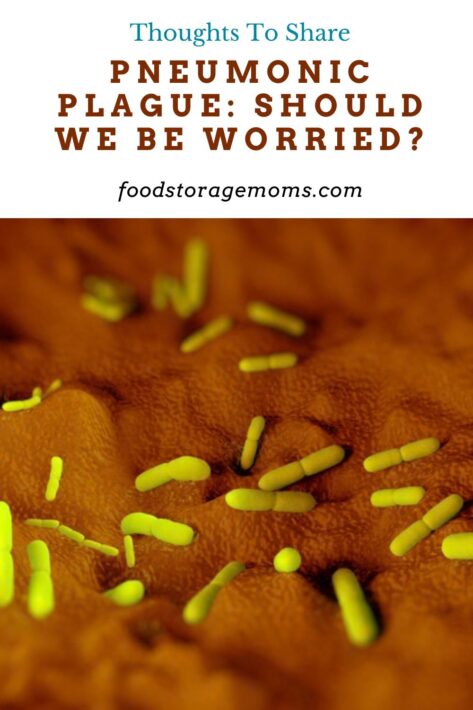
Plague is caused by a bacterium called Yersinia pestis. It primarily infects wild rodents such as prairie dogs, ground squirrels, chipmunks, and rats, and is spread among them by fleas. Plague is a bacterial disease carried by rodents and found throughout much of the western United States. People usually become infected when they’re bitten by an infected flea or when they handle a sick or dead animal. nmhealth
There are three main forms of plague. Bubonic plague is the most common form and causes painful, swollen lymph nodes. Septicemic plague happens when the infection spreads into the bloodstream. Pneumonic plague happens when the infection reaches the lungs, and that’s the form we’re focusing on today.
What Makes Pneumonic Plague Different?
Pneumonic plague is the only form of plague that can spread from one person to another. It’s transmitted through inhalation of respiratory droplets containing the bacterium Yersinia pestis and has a nearly 100% case-fatality rate when left untreated. In other words, it can be passed along through coughing, much like other respiratory illnesses. People with plague in their lungs can transmit the disease through coughing. cdcnmhealth
A person can develop pneumonic plague in two ways. Primary pneumonic plague occurs when someone inhales infectious droplets, either from another sick person or from a sick animal, such as a cat. Secondary pneumonic plague happens when bubonic or septicemic plague goes untreated and the bacteria spread to the lungs.
That nearly 100 percent fatality rate sounds terrifying, and I don’t want to downplay how serious this illness is. But please note those two very important words: “when untreated.” Modern antibiotics work well against plague, especially when treatment starts early. The key is recognizing the symptoms and getting medical care quickly.
Recent Cases in the United States
Plague shows up in the United States every year, though in very small numbers. Most cases happen in rural parts of the West, especially New Mexico, Arizona, Colorado, California, Oregon, and Nevada, with occasional cases in other western states.
Here’s a look at what’s been happening recently. In July 2025, Arizona reported its first pneumonic plague death since 2007, in a man with occupational exposure to ill cats. The CDC published a report on that case just this month, which is part of why plague is back in the conversation. cdc
This year, a Santa Fe County woman died from plague, the first human case in New Mexico in 2026, according to the New Mexico Department of Health. Health officials there also noted that New Mexico recorded three human plague cases in 2025 and one in 2024, which was fatal. Pets are affected too. In 2026, three dogs were diagnosed with plague, and in 2025, one cat and four dogs were confirmed to have plague. www.nmhealth.org +2
In Arizona, the Apache County Public Health Services District confirmed a case of plague in a resident who recovered following appropriate medical care. It was the first confirmed case there since 2015, and officials said the risk to the general public remains low. apachecountyaz
Plague is also present in other parts of the world. For example, in January 2026, a fatal case of pneumonic plague was reported in Madagascar, a country where plague is endemic and cases rise seasonally between September and April. www
So, Should We Be Worried?
Here’s my honest answer as a mom who loves to be prepared: we should be aware, not afraid. Plague in the United States remains rare, usually only a handful of cases a year in a country of more than 330 million people. Health departments respond quickly when a case is detected, tracing close contacts and assessing the surrounding area for risk. Pneumonic plague outbreaks that spread from person to person haven’t happened in the United States in about a century.
That said, awareness truly matters, especially if your family lives in, camps in, or travels through the rural West. The cases we hear about are often tied to contact with sick pets or wild animals, and the sad outcomes often come from delays in diagnosis and related care. Knowing the signs and the risks puts the power back in our hands.
Signs and Symptoms to Watch For
Plague symptoms usually appear within a few days of exposure. Symptoms of plague in humans include sudden onset of fever, chills, headache, and weakness. With bubonic plague, people may also have painful swelling of a lymph node in the groin, armpit, or neck. nmhealthkob
Pneumonic plague may also bring:
A fast-developing pneumonia
Shortness of breath
Chest pain
A cough, sometimes with bloody or watery mucus
These symptoms can come on quickly and worsen rapidly. If someone in your family develops a sudden high fever and feels very sick after being around rodents, fleas, or a sick pet, especially in a western state, please seek medical care right away. Be sure to tell the doctor about any possible exposure. That one piece of information can help them think of plague sooner and start the right antibiotics.
Simple Ways to Protect Your Family
The good news is that prevention is mostly common sense, and many of these habits fit right into a prepared, tidy homestead lifestyle.
Keep rodents away from your home. Clear away brush, rock piles, junk, woodpiles, and clutter near your house, sheds, and barns. Store firewood off the ground and away from the house. Keep pet food, livestock feed, and birdseed in sealed metal or heavy plastic containers. For those of us with food storage, this is a great reminder to keep our pantries and storage areas sealed tight and checked often.
Protect Your Pets
Our dogs and cats can bring infected fleas right into the house. Talk to your veterinarian about a good flea control product and use it faithfully, especially in warmer months. Try to keep pets from roaming freely or hunting rodents. Cats are especially vulnerable to plague and can become very sick, since it’s natural for them to hunt rodents. If your cat or dog seems ill after being outdoors, take them to the vet promptly and wear gloves when handling them.
Never handle sick or dead animals with bare hands. Teach children to leave wild animals alone, even ones that look cute and friendly, like chipmunks and squirrels at campgrounds. If you must handle a dead animal, wear gloves and use a shovel or bag.
Use insect repellent outdoors. When you’re hiking, camping, hunting, or working outdoors in areas where plague occurs, use a repellent that protects against fleas and wear long pants tucked into your socks.
Avoid prairie dog towns and rodent burrows. It’s tempting to watch prairie dogs pop up and down, but enjoy them from a distance and don’t let children or pets play near burrows.
Stay alert when hunting or trapping. Hunters who skin animals such as rabbits or bobcats should wear gloves and handle carcasses carefully.
How Plague Is Treated
If plague is suspected, doctors will start antibiotics right away, often even before test results come back, because early treatment saves lives. People who’ve had close contact with someone who has pneumonic plague may also be given preventive antibiotics. Public health workers will reach out to those contacts, as happened in the recent New Mexico case. This quick response is a big reason plague rarely spreads beyond a single person today.
A Prepared Mom’s Perspective
As someone who’s spent years encouraging families to prepare for the unexpected, I always come back to one simple truth: preparation is the best cure for fear. When we understand a risk, we can take reasonable steps and then go on living our lives with peace of mind.
Pneumonic plague is serious but rare, treatable, and largely preventable. Keeping a clean yard, using flea control on our pets, teaching our children to respect wildlife, and knowing when to call the doctor are small, everyday habits that make a real difference. They’re the same habits that keep mice out of our food storage and keep our homes healthy in general.
It’s also a good idea to keep a basic first aid kit stocked, have a thermometer on hand, and know the location of your nearest urgent care or emergency room, especially if you live in or travel to rural areas. When illness strikes, being able to act quickly is half the battle.
Antibiotics Used to Treat Plague
Please remember, I’m not a doctor, nurse, or medical professional. This information is for general awareness only and isn’t medical advice. Only a licensed healthcare provider can diagnose plague and determine the right treatment for each person.
The good news about plague is that it responds well to several common antibiotics, especially when treatment begins early. Doctors may choose from several groups of medicines, depending on the patient’s age, health, and the severity of the illness.
Streptomycin and Gentamicin
One group includes streptomycin and gentamicin. These are administered by injection or IV, usually in a hospital, and have long been used to treat severe cases of plague.
Doxycycline
Another option is doxycycline, an antibiotic many families may have heard of because it’s also used for other infections and even acne. It can be given by mouth or through an IV.
Ciprofloxacin, Levofloxacin, or Moxifloxacin
Doctors may also use antibiotics such as ciprofloxacin, levofloxacin, or moxifloxacin. These can be helpful for both treatment and prevention.
In some cases, an older antibiotic called chloramphenicol may be used, though it’s chosen less often today.
When someone has been in close contact with a person who has pneumonic plague, health officials may recommend a short course of preventive antibiotics, even if that person feels fine. This is one of the main reasons plague rarely spreads in the United States.
Please don’t try to treat a suspected case of plague at home or with leftover antibiotics from your medicine cabinet. Plague can become serious very quickly, and the right medicine at the right time makes all the difference. If you or a family member suddenly develops a high fever, chills, weakness, or a worsening cough after possible exposure to fleas, rodents, or a sick pet, call your doctor or head to the nearest urgent care or emergency room right away, and be sure to mention the possible exposure.
Measles Is Back: Signs, Symptoms, and How to Be Ready
How to Stock Up on Antibiotics
Final Word
So, should we be worried about pneumonic plague? Not worried, but wise. The headlines can be startling, but the facts tell a calmer story. A few cases each year, mostly in the rural West, with health departments working hard to protect communities. Our part is to stay informed, protect our pets, keep rodents away from our homes, and seek medical care promptly if symptoms appear.
Please share this post with friends and family who love camping, hiking, hunting, or living out in the country. A little knowledge can go a long way toward keeping everyone safe. Stay prepared, not scared. May God bless this world, Linda
Copyright Images: Yersinia Pestis Bacteria Depositphotos_533999638_S, Yersinia Pestis Bacteria 2 Depositphotos_533994706_S.
Sources:
New Mexico Department of Health: First case of human plague in 2026
CDC MMWR: Fatal Pneumonic Plague, Coconino County, Arizona, July 2025
Apache County: Confirmed Case of Plague
KOB: Woman dies in New Mexico’s first human case of plague in 2026
UK Health Security Agency: Outbreaks under monitoring, January 2026

















Not worried, this is just something the Dems pull to take the mid-terms.
2002 – SARS
2008 – Swine Flu
2014 – Ebola
2020 – Covid
2026 – Plague
Notice a pattern, every 6 years. After Covid I’m not listening to anything the so-called experts say. I learned about the transmitting of the plague 50+ years ago.
Presidential elections happen every four years, the congressional elections between presidential elections are the only ones called mid-terms.
FYI – 2020 and 2008 were both presidential election years.
And if you don’t want to listen to experts and prepare for possible events, that’s your right. Just don’t be shocked if folks have little sympathy if something happens to you or your family because you failed to prepare. With all the political divisions lately I have run out of empathy for those who willfully ignore potential threats because of which “team” they are on. Sigh.
Hi Barb, oh my gosh, I never realized the 6 years!!! Thank you, my friend. I’m not worried about it, but I researched it to learn more about it. Great comment, Linda
Only worry I have is the government overreaching and using it. There are those who still want us locked down for any reason
Matt agree with you
Hi Matt, I totally agree with you. I doubt we will ever have another lockdown. I could be wrong, but if that happened again, NONE of us would put up with it. Other things could happen; I realize that, but we will not fall for a lockdown again. I could say more, but my blog is censored, as you know. Linda
While I’m hoping the Russian situation is resolved before it becomes an International problem, I’m still preparing just in case. Because once a disease spreads far and wide it’s usually too late to get the supplies you need to stay safe. I have already purchased more fish antibiotics just in case things go sideways. If a pneumonic plague is spreading in the USA it’s quite likely the hospitals and pharmacies will quickly get overwhelmed. And while I prefer to get treated by a doctor, I want to make sure my family has what we need if systems break down. Hopefully everyone remembers when the Covid pandemic started spreading in the USA how quickly delivery systems broke down.
As always Linda, I appreciate you keeping folks informed. Hope you and yours stay safe!
Hi DMWalsh, oh, how I love your comment. I just received my new order of fish antibiotics. For a while, you couldn’t get them without a script. They are exactly the same, according to my vet and my cardiologist. Just different packaging. Mine are produced in the USA, I should note. I can sleep at night knowing I have all the antibiotics Mark and I need. Life is good. Thank you for your kind words. Stay safe, my friend. Linda