
Let’s Talk About Freeze-Dried Vegetables
This post may contain affiliate links. We may earn a commission if you purchase via our links. See the disclosure page for more info.

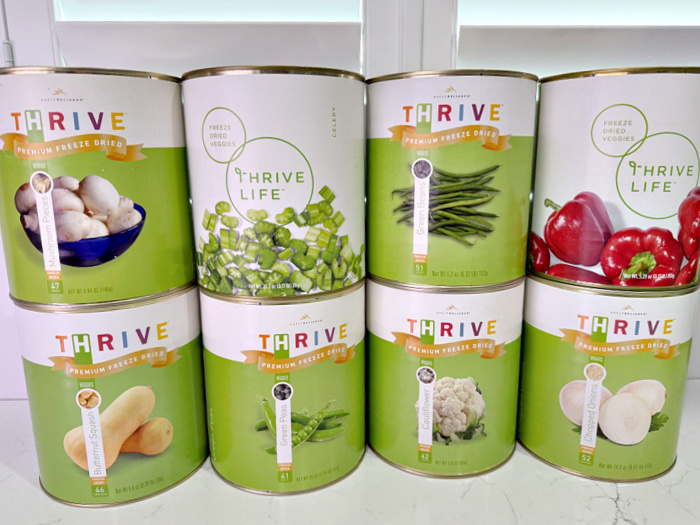
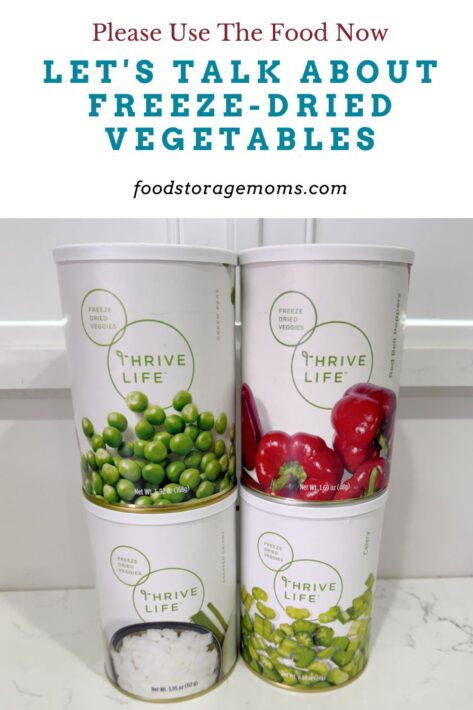
Let’s talk about freeze-dried vegetables you have stored in #10 cans or pantry-size cans. Grocery shopping has become one of the most stressful parts of running a household. If your cart total has been shocking you at the checkout line lately, you’re not imagining things. Food prices have been climbing steadily for years, and 2026 is no exception. The USDA predicts that grocery prices will rise another 3.1 percent this year alone, and that comes after years of back-to-back increases, including an 11.4 percent spike back in 2022. Please note: Thrive Life and Nutri-Store abruptly closed on officially on August 31, 2025. I will list some companies I recommend at the bottom of the post. Keep in mind that the prices are very high, just like in the grocery store.
Meanwhile, global issues are making things worse. Conflict in the Middle East is disrupting oil and fertilizer shipments through the Strait of Hormuz. Extreme weather events are damaging crops around the world. Supply chain strain, tariff uncertainty, and higher transportation costs are all piling pressure onto the price of the fresh produce sitting in your grocery store right now.
Fresh vegetables are feeling the squeeze. Retail fresh vegetable prices rose 5.4 percent in early 2026 compared to the same time the year before. When you factor in that fresh produce can spoil within days, the value gets even worse. You buy a bunch of celery, use two stalks, and throw the rest away a week later. That’s not a budget strategy. That’s money in the trash. Recent articles indicate that nearly 40% of the food we produce is wasted, despite the high prices being paid.
Please don’t be afraid to use all of these freeze-dried vegetables in any of your cooked or baked recipes. They just have a different texture compared to fresh vegetables. When you open those cans, they smell like the fresh vegetables at the store. If you bought a different brand and it smells off, when in doubt, throw it out. You don’t want to end up in the emergency room because the food is rancid.
My Personal Grocery Budget
By now, you know I had been purchasing freeze-dried food for many years until Thrive Life shut down. I had tried other companies, but I checked where the food was sourced and decided on Thrive Life. So here we are, 12 years later, with cases of freeze-dried meat, vegetables, fruits, milk, and cheese. Here’s the deal: my family may not want this food storage after Mark and I pass away. Who knows what will happen to it?
So, now we’re eating a lot of our freeze-dried food and canned goods to help cut our food budget. Why should we wait to eat it? Food is so expensive, so our new budget is $75.00 a week for groceries to buy some fresh items. You know that’s not a lot of money for food. But if we eat our food storage, it helps a lot. I’ll talk about freeze-dried meats and fruits another day. Today I’m focusing on vegetables. Please keep in mind that freeze-dried food isn’t that great if you’re used to eating fresh veggies most of the time. I would rather have fresh, but right now, our budget needs a little help. That means get your can openers out if you want to save money. Please note, I don’t buy any pre-packed meals; they’re great for backpacking, but I no longer hike. Well, I’ve never actually hiked much.
Let’s Talk About Freeze-Dried Vegetables
Freeze-dried vegetables change that equation entirely. They lock in nutrition and flavor at peak freshness through a process that removes moisture without cooking. The result is a lightweight, shelf-stable product that can last for years, rehydrates in minutes, and delivers the taste and nutrition your family needs. Whether you’re stocking a pantry for emergencies, trying to stretch your grocery budget, or simply reducing food waste, freeze-dried vegetables deserve a permanent spot in your kitchen. Please note that I can’t recommend buying freeze-dried food as much as I used to. Food in general is expensive, and that’s even more true for freeze-dried products.
Let’s walk through eight of the most useful and versatile freeze-dried vegetables you can keep on hand, how to bring them back to life, and exactly how to put them to work in your kitchen today.
Red Bell Peppers
Red bell peppers are one of the most nutritious vegetables you can eat, packed with vitamin C and natural sweetness. Fresh ones at the store, however, are frequently expensive and bruise easily in transit. Freeze-dried red bell peppers retain their brilliant color, their bright flavor, and a remarkable amount of their original nutrition.
To rehydrate freeze-dried red bell peppers, simply cover them with tepid water and let them sit for about five to ten minutes. They’ll plump back up and soften to a texture very close to fresh. If you’re adding them directly to a soup, stew, or skillet dish, you can skip the soaking step entirely and let the moisture in your dish do the work.
In the kitchen, rehydrated red bell peppers work beautifully in fajitas, stir fries, pasta sauces, omelets, and homemade pizza. Toss a handful into a pot of chili or a batch of stuffed peppers for an easy weeknight dinner. They also blend smoothly into sauces and dips, giving you that roasted pepper flavor without ever touching a hot pan. Because they’re already sliced and ready, you save time and money on prep. They don’t work well on a salad, just letting you know. The texture is too chewy for me. Don’t forget can openers: Can Opener or #10 Can Opener.
Onions
Onions are a foundation ingredient in nearly every savory dish, but fresh onions can make you cry in more ways than one. Chopping them is a chore, and if you buy too many, they soften and go bad before you get through the bag. Freeze-dried onions solve both problems at once.
To rehydrate freeze-dried onions, add them to a small bowl of cool water and let them sit for about five minutes, or simply add them directly to whatever you’re cooking. They absorb liquid quickly and blend right into soups, sauces, casseroles, and slow cooker meals without any fuss.
Use freeze-dried onions anywhere a recipe calls for fresh. They’re perfect in meatloaf and meatballs, in gravies and soups, in rice dishes and bean stews, and in seasoning blends for roasted meats. They are also excellent in homemade French onion dip or blended into salad dressings. Keep a jar on your spice shelf, and you’ll always have onions ready without a single tear.
Peas
Sweet green peas are a family favorite, especially with younger kids. They’re a gentle, mild vegetable that pairs well with almost everything. Fresh peas have a very short season, and frozen peas, while convenient, take up valuable freezer space. Freeze-dried peas are just as sweet and bright, with a satisfying crunch when eaten straight from the can, and they rehydrate beautifully for cooked dishes.
To rehydrate freeze-dried peas, pour them into a bowl and cover with tepid water for about three to five minutes. They soften quickly and are ready to use just like fresh or frozen peas. In hot soups and pasta dishes, you can add them directly without soaking because the cooking liquid will rehydrate them as they heat.
Freeze-dried peas are wonderful in pasta primavera, fried rice, chicken pot pie, and creamy pea soup. Stir them into mashed potatoes for color and nutrition, or add them to casseroles and grain bowls. Kids love them straight from the can as a crunchy snack, which makes them a win-win on busy afternoons when everyone needs something to tide them over before dinner.
Celery
Celery is one of those vegetables that many recipes call for in small amounts. You buy a whole bunch, use three stalks for a soup, and watch the rest turn limp and stringy in the refrigerator over the next week. Freeze-dried celery eliminates that waste.
To rehydrate freeze-dried celery, cover it with tepid water and let it soak for about five minutes. It will soften and take on a texture suitable for cooked dishes. For recipes that take a while to cook, such as soups and stews, no soaking is needed. Simply add the freeze-dried pieces directly to your pot, and they’ll rehydrate as everything simmers together.
Celery is an essential flavoring in countless dishes. Use freeze-dried celery in stuffing and dressing, chicken noodle soup, chowders, vegetable stock, Bolognese sauce, tuna salad, and pot roasts. It’s also a great addition to homemade seasoning blends and spice mixes. Having it shelf-stable means you can add that foundational savory flavor to a dish anytime, even if your vegetable drawer is empty. Please keep in mind it’ll be chewy, not crunchy like fresh.
Green Beans
Fresh green beans require trimming, blanching, and quick use before they go limp. Freeze-dried green beans cut out all of that work while preserving the clean, grassy flavor and satisfying texture that makes them such a beloved side dish.
To rehydrate freeze-dried green beans, submerge them in tepid water for about ten minutes until they become tender and pliable. For longer-cooking recipes such as soups, stews, or casseroles, add them directly to the dish and let the cooking liquid rehydrate them.
Green beans are a classic side dish, and freeze-dried ones make that classic even easier. Use them in the traditional green bean casserole for holiday meals, toss them into minestrone soup, add them to stir fries with garlic and sesame oil, or serve them simply steamed with butter and a little salt. They also hold up well in slow cooker recipes alongside potatoes, carrots, and roasted chicken. Having them on the shelf means Thanksgiving green bean casserole is never more than a pantry reach away, no matter the season. Mark and I use the green beans more than any other freeze-dried vegetable. Green Bean Casserole
Corn
Sweet corn is one of the great joys of summer, but fresh ears are only truly available for a short window each year and can be awkward to store and cut. Freeze-dried corn captures all that peak summer sweetness and keeps it available year-round at a fraction of the cost of fresh corn.
To rehydrate freeze-dried corn kernels, cover them with tepid water and let them sit for about five minutes. They plump back up to a texture very similar to freshly cut corn off the cob. When added to soups and chowders, they rehydrate directly in the pot without needing to be soaked.
The uses for freeze-dried corn are almost endless. Stir it into cornbread batter for bursts of sweet kernel throughout every slice. Add it to chili, fish tacos, black bean bowls, chicken soup, and vegetable fried rice. Make a quick corn chowder in under 30 minutes by combining corn, potatoes, broth, cream, and a little bacon. You can also eat freeze-dried corn straight from the can as a lightly sweet, crunchy snack that kids tend to love. The flavor is naturally sweet and concentrated, which means it enhances nearly any savory dish it touches. The Best Corn Chowder Recipe
Mushrooms
Mushrooms are one of the most flavorful vegetables in any kitchen, adding a deep, earthy, savory quality that elevates soups, sauces, and grain dishes. Fresh mushrooms, however, have a notoriously short shelf life and can turn slimy within just a few days of purchase. Freeze-dried mushrooms are a game-changer for home cooks who love that rich umami flavor but hate the waste.
To rehydrate freeze-dried mushrooms, place them in a bowl and cover with tepid water for about ten to fifteen minutes. They’ll absorb the liquid and swell back to a tender, meaty texture. Save the soaking liquid if you can. It’s full of concentrated mushroom flavor and makes an excellent addition to sauces, gravies, and soups.
Use rehydrated freeze-dried mushrooms in pasta dishes, risotto, cream sauces, beef stew, pot roast, ramen, and homemade pizza. They’re outstanding in a savory mushroom gravy served over roasted chicken or mashed potatoes. Toss them into scrambled eggs or omelets in the morning for a hearty, satisfying breakfast. Because the freeze-drying process concentrates their flavor, you often need less than you would with fresh, which stretches your supply even further. Cream of Mushroom Soup
Cauliflower
Cauliflower has become one of the most versatile vegetables in modern cooking. It can stand in for rice, be roasted until golden and caramelized, blended into creamy soups, or mashed as a lighter alternative to potatoes. Fresh cauliflower heads are bulky, quick to spot-damage, and not always available at a reasonable price. Freeze-dried cauliflower solves all of those problems.
To rehydrate freeze-dried cauliflower, cover it with warm water and let it soak for about ten minutes until the florets become tender. Pat them dry before roasting or sauteing so they brown nicely rather than steaming in the pan. For soups and purees, add them directly to the cooking liquid without soaking first.
Freeze-dried cauliflower works wonderfully in cauliflower soup and chowders, roasted vegetable medleys, cauliflower mac and cheese, mashed cauliflower with garlic and butter, and low-carb grain bowls. Blend rehydrated and cooked cauliflower with chicken stock, cream, and sharp cheddar for a rich and satisfying soup the whole family will ask for again. You can also pulse rehydrated florets in a food processor to make cauliflower rice, which pairs well with stir fries, curries, and burritos. Cheesy Cauliflower Dish
Broccoli
Broccoli is one of the most nutritious vegetables you can put on the table. It is loaded with vitamin C, vitamin K, folate, and fiber, and it is one of those vegetables that kids either love or need a little convincing to eat. Fresh broccoli is wonderful when it is in season and reasonably priced, but it wilts and yellows faster than almost any other vegetable in the refrigerator. Freeze-dried broccoli locks in all that nutrition and stays shelf-stable for years, making it one of the smartest pantry investments a family can make. Chicken and Broccoli Casserole
To rehydrate freeze-dried broccoli, place the florets in a bowl and cover them with tepid water for about five to ten minutes. They will soften and return to a tender texture suitable for cooked dishes. If you plan to roast or saute the broccoli after rehydrating, pat the florets dry with a paper towel first so they get a nice color in the pan rather than steaming. For soups, casseroles, and pasta dishes, you can skip the soaking entirely and add the freeze-dried pieces directly to the pot, letting the cooking liquid bring them back to life.
Freeze-dried broccoli shines in broccoli cheddar soup, which is one of the easiest and most comforting meals you can make on a cold evening. It works beautifully in pasta bakes, chicken-and-broccoli stir-fries, cheesy rice casseroles, and quiches. Stir it into mac and cheese to sneak extra nutrition into a dish kids already love. Add it to frittatas, grain bowls, and veggie-packed fried rice for a quick and wholesome weeknight dinner. Because freeze-dried broccoli is already cut into florets and ready to use, it saves you the washing, chopping, and blanching that fresh broccoli requires, putting a nutritious dinner on the table faster and with far less effort.
Stocking Your Pantry Is an Act of Smart Planning
Right now, global forces are making food less predictable and more expensive. Conflict, climate, and supply chain pressures show no signs of reversing quickly. Fresh vegetables are beautiful and worth buying when you can, but building a pantry foundation of freeze-dried vegetables gives your family a reliable, nutritious, and cost-effective backup that never spoils, never wilts, and never goes to waste.
Start with one or two of the vegetables that your family eats most often and build from there. Freeze-dried vegetables store easily in a cool, dry pantry for years without refrigeration. They cook faster because the moisture is already removed. They require no peeling, no chopping in most cases, and no advance planning. When dinner needs to come together quickly on a Tuesday night, when your grocery budget is stretched thin, or when fresh produce simply isn’t available, your freeze-dried pantry has your back.
As of today, the following stores are open for business:
In my opinion, for what it’s worth, these are very expensive. Please invest in water ASAP.
- Augason Farms (mostly buckets and dehydrated food)
- Be Prepared (Emergency Essentials)
- Legacy Food Storage (food storage buckets)
- Mountain House
- Wise Company
Final Word
The grocery store is not getting any cheaper. Your pantry can be your most powerful tool in managing that reality, one shelf-stable can at a time. At this point in my life, I probably won’t be buying additional freeze-dried food. It’s too expensive for my budget. Mark and I have all that we need right now. If you’re younger, watch for sales, buy what your family will eat, and put them to use as discussed in this post. You’ll be glad you did. May God bless this world, Linda










I have never bought freeze dried anything. Nor have I eaten any freeze dried anything other than strawberries in my Special K cereal. Who do you recommend for freeze dried now?
Hi Deborah, I can’t really recommend any company because of the cost. I did put some companies at the bottom of my post, but the prices are expensive. When I purchased my freeze-dried food starting about 14 years ago I was a consultant but I didn’t want to have to sell anything. But I got the discount and had a monthly delivery every single month and almost 30-40% off if you bought a case which was 6 #10 cans. I just saw one #10 can of meat on one of the sites I visited was $98.00 for ONE #10 can and they give you the option to make payments. WHAT? Are you kidding me. One can $98, whatever, buy cases of canned goods at Sam’s Club or where ever you can get food cheaper. Linda
I don’t buy cases, but we do buy sale items! And not always name brands. We do t usually buy name brand anything IF we can find a brand as good for less. I had a pharmacist tell me, probably 40 or so years ago, to check generic brand ingredients compared to name brand. They usually have same ingredients, same amounts. This is our personal preferences.
Also, when I went to the hand doc about my arthritis, he told me to take Turmeric and fish oil. I do take the Turmeric. Haven gotten the fish oil yet. Turmeric has helped the pain and inflammation!
Hi Deborah, it’s too expensive to buy certain foods now, most all foods actually. We are watching every penny. I have heard good things about Turmeric, I should try it. Great tip! Linda
It works for me! My hands are more flexible and don’t hurt as much. It is so much better than it was before.
Hi Deborah, that is great to hear! Linda
I’ve done extensive research on DMSO. Am now trying it- roller application 70% with aloe. I had a friend who used it 30 years ago.
A midwestern Doctor on Substack has some wonderful articles and information.
I am using it for 2 reasons. Back pain and, most recently, on a large open blister (didn’t wear socks and knew better) on my heel. The stuff is healing it up at an amazing rate.
Do some reading and research.
HI CAddison, something to try for pain, thank you!! Or for healing a heel. I just got stung by a bee on my foot. I’m always barefoot. Thank you, Linda
Hi, Linda: Do you happen to know of any freeze-dried food offerings that are ORGANIC? A lot of fresh foods nowdays are sprayed with pesticides, so that remains in the freeze-dried food you would buy if it’s “conventional”. That is partly why we saved up and invested in a
home freeze drier!
I do know that the dehydrated foods company Harmony House Foods
does offer a few items that are organic. They actually sell both conventional and organic in
certain products. Their products come in plastic containers (for large size) and in zipper bags for backpacking enthusiasts or for soup mixes. They often have sales throughout the year, as well.
Hi Jess, there are several companies that have sold organic in the past. I know Thrive Life did before they went out of business. The prices are so high because food is so expensive now. Several websites I checked are sold out of almost everything. I do not buy dehydrated food, only hash browns from Augason Farms. A freeze dryer would not work for my family because we used to buy 4 bushels of peaches and had to get them done within 2 days. Or pears within 3-5 days as they ripened. I saw Harmony House Foods, looks like a great company. They are expensive like all the others. I’m so glad I don’t need any freeze-dried food in #10 cans for the rest of my life. I love watching for sales. If people sign up for their newsletter they can get discounts when available. Linda
Hey, Linda et al. Guess what I found? FREEZE DRIED ORGANIC FOODS! Here is
a company I found just now: MotherEarthProducts.com. Whoo-hoo! Prices are not too terrible right now, either, since they have a sale on. I am considering buynig their freeze-dried organic fruits kit that looks amazing! Found another company that supposedly sells freeze-dried organic and gluten free foods, but I did not find those easily on their website! EmergencyKits.com.
JESS
Hey, Linda et al.: Guess what else I just found? The already freeze-dried organic strawberry slices on Azure, even including the shipping fee, only cost $3.03/ounce!
Sure, the output of money is $48.50 but that’s LOTS cheaper than buying them in 1 ounce mylar bags from any of the organic freeze-dried fruits companies! Also, I am not a fan of buying freeze-dried apples, since we grow so many apples in our county. Every Fall, we are overwhelmed with the no. of organic apples that are available in our area!!! I am also going to buy a 27# case of fresh Organic Cosmic Crisp Apples from Azure and freeze dry some of those. Just any old apple already freeze dried is a LOT more expensive than home freeze-dried apples, since I can do them at home for about $4.04/lb. Of course, there’s also the cost of the electricity, but I think it will be worth it to stock food that is not sprayed with pesticides out the kazoo! The only other thing I really, REALLY want to get is freeze-dried organic grapes. We see all these reviews where people are raving about those, but we’ve never tried those yet! Will have to be on the look out for grapes on sale, I guess!!
Hi Jess, I love fresh apples! They will be a blessing because they don’t ripen as fast as peaches and pears. Have fun freezing drying! Linda
I can vouch for Augason Farms and Mountain House, but prices are quite high. I’d add carrots and broccoli to your list of dehydrated or freeze dried veggies. Jane and I have all of the above plus freeze dried spaghetti.
And don’t ignore MRE’s and other Heater Meals.
But best of all–grow your own and learn how to can and dehydrate your own fruits and veggies.
Hi Ray, oh my gosh, I just added broccoli to the post, I totally use my freeze-dried broccoli all the time. I couldn’t carry all the cans to take pictures! LOL! Most carrots are dehydrated i think, I’m not sure. I do not have any. I buy frozen baby carrots. It could be Thrive Life didn’t have them. Gardening will always be the best way to preserve. I have received several emails asking how to USE their freeze-dried food. Some people have trouble figuring out how to add to their daily meals. Linda
Linda, maybe post some recipes using the freeze dried items. I tend to use them in soups, or even stir fry’s (after they’ve been rehydrated), but I have to admit I don’t use them all that much because I often have fresh from the garden veggies and fruits.
I’ll be canning carrots this year as I have an abundance of them.
My wax beans are up and my tomatoes are either flowering or have green fruits on them. The sweet potato slips I started inside in January are trying to take over the world.
I discovered pack rats were somehow getting into my raised beds and eating my asparagus, broccoli and melon plantings. I shot two of them with my pellet gun yesterday. Usually my traps keep such damage to a minimum.
Still have plenty of lettuce, and beets, but I’ll have to replant the melons.
Used the last of my cabbage and red potatoes on Corned beef and cabbage a few days ago. Jane isn’t much on either cabbage or corned beef so I get it all. Bwah hah hah.
Hi Ray, I was trying to explain what the texture is on each of the freeze-dried vegetables when used in recipes. They stay the same size typically after rehydrating them. Any casserole or soup you just trade out the fresh, frozen or freeze-dried. You do not need a special cookbook. If you cook from scratch, you will learn very quickly how to trade them out for fresh. If the recipe says cooked broccoli, freeze-dried has to be rehydrated and cooked if your recipe calls for cooked broccoli. It’s not as hard as people are making it. Linda
When thrive life went out of business, I did some searching. I found a company called Thrivalist. The cans have Ready Harvest on the cans.
They sell a few freeze dried foods in pantry cans. They are having an April sale right now.
Hi Leanne, they (Thrivalist: Life Prepared) are about 6 blocks from my house. I know the company. I think they changed the name. I just looked it up. It looks awesome. Plus I’m checking out their water. Leanne, do you still have the same cellphone number? Please don’t put it in the comments I can email you if you didn’t get my text. I just sent a picture of two THRIVE Life pantry cans of pineapple. One bought in 2020 3.95 ounces. The other cans of pineapple bought in 2022 are 2.85 ounces. Interesting Same size can. Linda
Wow. Looks as though all companies are down sizing the product for more money!!
Thank you for this article via my suggestion to use our food storage during this inflation period. It is so convenient and fast to make a meal with dry foods. I get my food storage from Emergency Essentials almost 100% but did buy a little from Thrive before the closed to get some pantry size cans, Like you, at age 86, I will rarely buy more as we still have so much left….I too, am working at reducing our cans. I just take the veggies, like cauliflower tonight, put in small bowl, add water, and cook in microwave a few minutes, drain and serve, add butter, etc. if wanted, I added diced carrots to the cauliflower. The only 2 things I don’t care much for freeze dried are diced carrots as they don’t turn out very well, and the dried tomato powder gets hard in the can very fast so I have to scrape it out. Have been happy with all other products from Emergency Essentials over the years since early 1980s when I started. I always bought on sale, rarely did I need to pay full price. Looking fwd to your next article on this subject
HI Sandra, check the date on the tomato powder, it does not last 25 years, typically. Yeah I bought one can and never bought it again. I was glad you mentioned to me to write about how to use the freeze-dried foods. I think some people are afraid to try it. It’s no different, just soak and drain and cook like you would fresh vegetables. I do a lot of “roasted freeze-dried vegetables” in the oven. Soak, drain, drizzle with olive oil and bake until desired tenderness. I am not buy anymore freeze-dried cans, we are living off the one we have. No chopping, no slicing, it’s so easy. I’m working on fruits right now. It’s a little different, I mainly use them as snacks. I am going to try and make a blueberry sauce to drizzle over some angel food cake. We shall see how my week goes. Linda
What I miss most about ThriveLife is the pantry cans. Even when the kids were still at home, the amount of food in the pantry sized cans were perfect for us. I think that we have enough freeze dried food and I’m going to can or dehydrate food from now on. I will buy things like powdered butter, sour cream, cream cheese and such that would be difficult for me to make. I will miss the Thrive vegetarian chicken and beef bullion. With one daughter being vegetarian and the other a vegan, those make a nice base for soups.
Hi Topaz, I love the pantry size cans as well. Jess found a company that sells them. Most are sold out right now, but if they get some stock back it may be a good choice. It’s called Harmony House Foods. You may want to check it out. Linda