
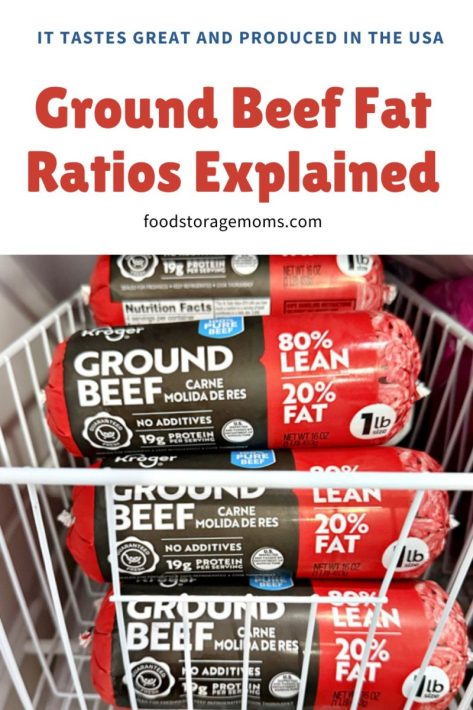
Ground Beef Fat Ratios Explained
This post may contain affiliate links. We may earn a commission if you purchase via our links. See the disclosure page for more info.

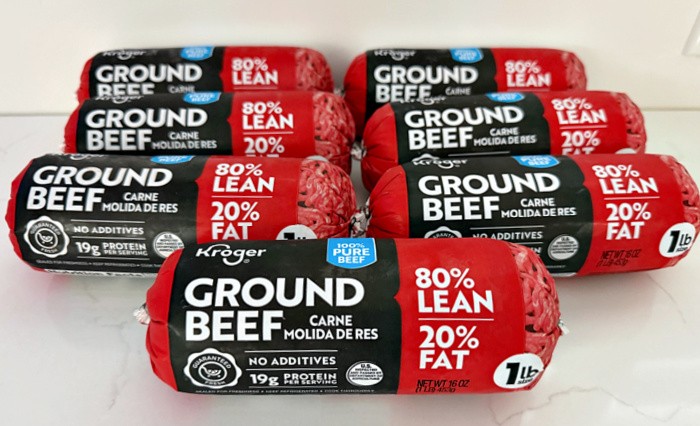
Today, it’s all about ground beef fat ratios explained because I needed to stock some in the freezer. It all started because I saw several people on Instagram showing a ten-pound tube of ground beef you could buy from Costco for $45-50.00. They said it was a 90/10 or 85/15 fat-to-meat ratio. It sounded like a great deal. The pictures showed them slicing off the tube of ground beef into one-pound pieces and bagging them up for the freezer.
Well, I called the Costco near me in Sandy, Utah, and they don’t carry that packaged product. Please note that the meat department doesn’t have a phone you can call; no, you have to go through the front desk. The woman said to call the Salt Lake City store, which I did. Of course, I asked the front desk, and the polite woman said, “Yes, we get it, but not often.” Plus, they sell out as soon as the tubes are filled.
I wrote this article, Why You Should Choose Grass-Fed Beef last year. The meat I purchased today is not grass-fed because it doesn’t say so on the packaging. Here’s the deal: when I was growing up, no one looked for grass-fed beef; it was all grass-fed. It actually tasted like ground beef. Please note that I called Kroger and Smith’s to find out where this ground beef was sourced.
It was produced in the USA, and for my budget, that works. It’s not organic. I personally don’t always trust the term “organic.” Some organic grass-fed beef is shipped into the USA. What are the rules for other countries to call their meat “Organic”? Please check the sources yourself when purchasing meat or produce.
How do we know if the meat we buy in the USA is organic?
Look for the USDA Organic Seal
The most reliable indicator is the official green-and-white USDA Organic seal on the packaging. This seal means the product has been certified by a USDA-accredited certifying agent and meets strict federal standards.
What “USDA Organic” actually requires for beef:
For beef to carry the seal, the cattle must have been raised without antibiotics or added growth hormones, fed 100% organic feed (no GMO crops), given access to pasture during the grazing season, and handled in accordance with welfare standards throughout their lives.
Watch out for misleading labels
“Natural” does NOT mean organic. It’s one of the most confusing labels in the meat case — it only means the product has no artificial ingredients or added color and is minimally processed. It says nothing about how the animal was raised. Similarly, terms like “hormone-free,” “antibiotic-free,” or “humanely raised” are not the same as organic and are not independently verified unless paired with a third-party certification seal.
Third-party certifications to look for
Beyond USDA Organic, seals from organizations like the American Grassfed Association, Animal Welfare Approved, or Certified Humane signal additional verified standards — though these are separate from the organic designation.
Where to buy with confidence
Stores like Whole Foods, Sprouts, and Natural Grocers tend to carry more consistently labeled organic and certified meat. At conventional grocery stores, organic beef is usually in a clearly marked section or labeled on the shelf tag. The short answer: if it doesn’t have the USDA Organic seal, it isn’t certified organic — no matter what else the label says.
Ground Beef Fat Ratios Explained
Whether you’re grilling burgers, making meatballs, or browning beef for a weeknight pasta, the fat-to-meat ratio in your ground beef makes all the difference. This post breaks down every common ground beef ratio, what they mean, how to cook them, and when to use them.
What Does the Ground Beef Ratio Actually Mean?
When you see “80/20” or “90/10” on a package of ground beef, those numbers refer to the lean-to-fat ratio by weight. The first number is the percentage of lean meat; the second is the percentage of fat. So 80/20 ground beef is 80% lean meat and 20% fat.
The USDA requires all ground beef to be labeled with its lean percentage, making it easy to compare options at the store. Ground beef, distinct from grass-fed varieties, comes from conventionally raised cattle and is widely available at every price point.
Fat isn’t just filler. Its flavor, moisture, and texture. The ratio you choose will determine how juicy your burger is, how much your meat shrinks in the pan, and how rich the final dish tastes.
Ground Beef Fat Ratios at a Glance
| Label | Lean % | Fat % | Best Use | Flavor Profile |
|---|---|---|---|---|
| Regular / High-Fat | 70% | 30% | Smash burgers, meat sauces | Very rich, juicy |
| Ground Chuck | 80% | 20% | Classic burgers, meatloaf | Balanced, flavorful |
| Ground Round | 85% | 15% | Tacos, casseroles, skillet dishes | Leaner, mild |
| Ground Sirloin | 90% | 10% | Stuffed peppers, lean patties | Lean, slightly dry |
| Extra Lean | 93%–96% | 4%–7% | Diet cooking, meal prep | Very lean, dense |
Breaking Down Each Ground Beef Ratio
70/30 Ground Beef — The High-Fat Option
70% lean / 30% fat
This is the fattiest, most widely available ground beef, and the least commonly found on standard grocery shelves. When you do find it, it’s often labeled simply as “ground beef” without a specific cut designation.
Flavor and texture: Intensely beefy, extremely juicy, and very rich. The high fat content bastes the meat from the inside as it cooks.
How it cooks: Expect significant shrinkage up to 30–35% and a lot of rendered fat in the pan. You’ll need to drain thoroughly for most applications.
Best uses: Smash burgers are the ideal use case here. When you press the patty hard against a screaming-hot griddle, the fat renders quickly, creating an incredible crust. Also great for Bolognese and other long-simmered meat sauces where the fat enriches the entire dish.
Calorie note: Approximately 340–360 calories per 4-oz serving before cooking.
80/20 Ground Beef (Ground Chuck) — The Gold Standard
80% lean / 20% fat
This is the most popular ground beef ratio in the U.S., and for good reason. Ground chuck comes from the shoulder area of the cow, which is naturally well-marbled. It’s the ratio professional chefs and burger enthusiasts reach for first.
Flavor and texture: Rich, juicy, and deeply beefy. The fat keeps the meat moist throughout cooking without making it greasy.
How it cooks: Shrinks about 25% during cooking. Produces some rendered fat, but not an excessive amount. Holds patties and meatballs together well without being sticky.
Best uses: Classic burgers (grilled, pan-seared, or smash-style), meatloaf, meatballs, meat sauce, stuffed peppers, and chili. This is the most versatile ratio on the list.
Calorie note: Approximately 280–290 calories per 4-oz serving before cooking.
85/15 Ground Beef (Ground Round) — The Middle Ground
85% lean / 15% fat
Ground round comes from the rear of the cow, the round primal, which is a leaner, more exercised muscle. It’s a solid middle-ground option for cooks who want something leaner than chuck without sacrificing all the flavor.
Flavor and texture: Noticeably leaner than 80/20, with a slightly firmer texture. Still flavorful but less rich.
How it cooks: Shrinks about 18–20%. Produces less rendered fat. Can dry out slightly if overcooked, especially in burgers.
Best uses: Tacos, burritos, casseroles, pasta sauces, skillet dinners, and dishes where you’re adding plenty of wet ingredients (salsa, tomatoes, broth) to compensate for the lower fat content.
Calorie note: Approximately 240–250 calories per 4-oz serving before cooking.
90/10 Ground Beef (Ground Sirloin) — The Lean Choice
90% lean / 10% fat
Ground sirloin comes from the sirloin region near the back of the cow. It’s a premium, naturally lean cut that’s often priced higher than ground chuck or round. Ten percent fat is enough to give it some flavor and cohesion, but you’ll notice the difference compared to fattier options.
Flavor and texture: Mild, lean, and slightly less juicy. Firmer bite. Can taste a bit “mealy” if overcooked.
How it cooks: Minimal shrinkage (about 15%) and very little rendered fat. Great for applications where you don’t want to drain grease.
Best uses: Stuffed peppers, lean burger patties (use a binding agent like egg and breadcrumbs), Korean-style bulgogi beef bowls, or any dish where you want clean, lean protein without extra grease.
Calorie note: Approximately 200–210 calories per 4-oz serving before cooking.
93/7 and Leaner — Extra Lean Ground Beef
93% lean / 7% fat (and leaner)
At this level, you’re getting into territory where fat is minimal enough to affect texture noticeably. Ground beef labeled 93/7 or leaner is often marketed toward health-conscious consumers or those following specific dietary plans.
Flavor and texture: Lean and dense. Without adequate fat, proteins can contract and turn rubbery or dry quickly. Requires careful cooking or added moisture.
How it cooks: Very little shrinkage and almost no rendered fat. Easy to overcook, watch the temperature closely, and pull it off the heat at 160°F internal.
Best uses: Meal-prep bowls, high-protein diet cooking, dishes with heavy sauces (like shakshuka-style beef), or situations where you’re adding healthy fats separately (like avocado or olive oil).
Pro tip: Add a tablespoon of olive oil or a small amount of butter to the pan when cooking extra-lean ground beef to compensate for the missing fat and prevent sticking.
Calorie note: Approximately 160–175 calories per 4-oz serving before cooking.
Fat Ratio vs. Cooking Method: What Works Best
The fat content of your ground beef should inform how you cook it.
High heat (grilling, smash burgers): Go with 80/20 or 70/30. The fat renders quickly, creating a caramelized, flavorful crust. Leaner beef at high heat dries out fast.
Stovetop browning: 80/20 or 85/15. You’ll render some fat, which can be drained or used to sauté aromatics, before adding the beef back in.
Slow-simmered sauces: 80/20 or 70/30. The long cook time allows the fat to fully integrate into the sauce, building a deep, rich flavor.
Meal prep/batch cooking: 90/10 or 93/7. Less grease means easier storage, less separation when refrigerated, and a cleaner final dish.
Does Fat Percentage Affect Nutrition?
Yes, significantly. Here’s a direct comparison of cooked ground beef per 3-oz serving:
| Fat % | Calories | Total Fat | Saturated Fat | Protein |
|---|---|---|---|---|
| 30% fat (70/30) | ~218 | ~14g | ~5.5g | ~22g |
| 20% fat (80/20) | ~196 | ~11g | ~4.5g | ~22g |
| 15% fat (85/15) | ~170 | ~8g | ~3g | ~23g |
| 10% fat (90/10) | ~148 | ~5g | ~2g | ~23g |
| 7% fat (93/7) | ~130 | ~3.5g | ~1.5g | ~23g |
Note: Values are for cooked beef and will vary by brand, cooking method, and the amount of fat drained.
How to Choose the Right Ratio for Your Recipe
For burgers: Don’t go leaner than 80/20 for a juicy result. 80/20 is the minimum; 70/30 for next-level richness.
For meatloaf or meatballs: 80/20 holds moisture best. The fat helps bind the mixture and keeps everything tender.
Tacos and burritos: 85/15 is ideal, enough flavor without excessive grease pooling in the tortilla.
Pasta sauce (Bolognese, Sunday gravy): 80/20 or a 70/30 blend for maximum flavor depth.
Low-fat or diet cooking: 90/10 or 93/7 with added aromatics and sauce to boost flavor.
Chili: 80/20 is traditional, but 85/15 works well if you’re making a large batch and don’t want to skim fat off the top.
Ground Beef Freshness and Storage Tips
Regardless of fat ratio, freshness matters just as much as fat content for flavor.
Fresh ground beef should be bright red on the outside and may have a purplish-brown center. This is normal and not a sign of spoilage. Ground beef stored properly in the refrigerator should be used within 1–2 days of purchase or frozen immediately.
When freezing, press out as much air as possible before sealing. Ground beef freezes well for up to 3–4 months without significant quality loss.
Frequently Asked Questions About Ground Beef Ratios
Is 80/20 or 90/10 better for burgers? 80/20 is better for burgers. The extra fat keeps patties juicy, especially on a grill where the heat can quickly dry out leaner beef.
What does “ground chuck” mean? Ground chuck specifically refers to beef ground from the chuck primal (shoulder area). It’s naturally around 80/20 and is considered the gold standard for burgers.
Can I mix fat ratios? Absolutely. Many butchers and home cooks blend a leaner grind with a fattier one to hit a custom ratio. Mixing 90/10 with 70/30 gives you an 80/20 blend.
Does fat percentage change after cooking? Yes. Fat renders out during cooking, so the actual fat content per serving decreases. It depends on how you cook it and whether you drain the fat.
Is grain-fed ground beef better than grass-fed for flavor? Conventional grain-fed ground beef generally has a milder, more familiar beefy flavor that most consumers prefer for burgers and everyday cooking. It is also more affordable and widely available.
Final Word
The fat-to-meat ratio in ground beef isn’t something to overlook. It’s the single biggest driver of how your finished dish will taste, feel, and hold together. For most everyday cooking, 80/20 ground beef (ground chuck) is the sweet spot, enough fat for flavor and moisture, not so much that it becomes greasy or overwhelming.
If you’re cooking for a crowd and want the juiciest burgers possible, step up to 70/30. If you’re watching calories or making a dish with plenty of sauce, step down to 85/15 or 90/10. And for strict diet cooking, extra-lean 93/7 gets the job done with some technique adjustments. Understanding your ratios means better food, every time. May. God bless this world, Linda



We use 85/15 for everything. We add a little bacon fat to it for grilling burgers but that ratio seems to work for most of our purposes. We buy it from Sam’s Club in USDA certified grass fed/grass finished. It comes in a three pack with each of the three just over one pound in vacuum sealed packaging. The price has ranged around $6/lb for quite some time. That works for us.
Hi Harry, that’s a great price. Some of their meat comes from Australia and New Zealand. Some from the USA and most steaks from other countries. The person at the front desk said I would need to check each package to see where it is sourced from. That’s a great buy Harry! Love it! Linda
Last evening UPS dropped off a box of flash frozen grass fed and FINISHED beef…the value pack….from a Florida rancher who raises really great beef. Family owned. It’s really good. Not cheap. We find, however, that we are satisfied with smaller portions. It’s real food. Healthy food. I don’t trust the big outlets. They are feeding people at scale. It’s the bottom line that counts.
Be very careful to make sure it is grass fed and finished. If they are fed grain (finished) to fatten them up, you get whatever is in the grain–into YOU. Soy, glyphsate that was sprayed on the crops, and all the stuff you are paying extra to avoid.
I’m sure there are places like this in many areas of the country. I live in Florida. The beef I’m eating roamed around from birth to death on a known farm in N Florida.
They package the beef into handy meal size packets. We may eat a little less, but we eat “better.”
Lots of places (the big processors) also inject “flavoring” and liquid into their beef.
Yes, the beef requires chewing if not prepared properly. The stew in a crock pot is amazing.
I saw some beef at my local big name grocery that has ingredients “beef, flavorings.” Petro chemicals. Why does my beef need to be “flavored?” Because it is lousy meat? Look at the back label on everything.
I believe the big stink about avoiding beef is because, like so much, it has been adulterated. We eat plenty of real meat. There is nothing in my arteries that isn’t supposed to be there (been tested 2x when a doctor wanted to prove the point that my high cholesterol was a problem – I fired him).
Check out the levels in the blood that were considered normal/safe in 1960. There is thought that big pharma lowered the numbers so they could sell more drugs.
I took Nancy Reagan’s advice: “just said no.”
A jail nurse ( I was LEO)got me started with Adele Davis in 1972. I’m alive, literally , because I go by the saying “verify and THEN trust.”
Life is good.
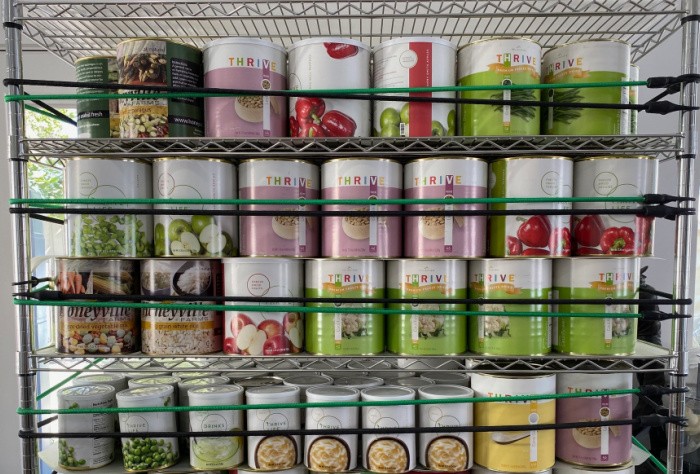
Hi CAddison, I hope to find a farmer that grows grass fed beef here. Our problem this house cost twice what we had planned on so our budget each month is limited. Life is good, we know what’s in our food for the most part. My Freeze-dried food from Thrive Life that closed down, I called them before I ordered any food, I wanted to know the source. I look at every package. Linda
We built a house 6 years ago. Just before the big run up. Even then, there were surprises galore – and watching our budget carefully. Now, with prices what they are, we couldn’t do what we did. We need something that will stand up to a Cat 6 (yes there is such a thing) hurricane. This one did and we sheltered 6 adults, 2 little children and 2 dogs. We’ve been through 4 major hurricanes, watching salt water flood into the area below. We are a stilt house.
So, it was worth it.
But, I almost never buy anything that isn’t BOGO or on sale. That’s the joy of provisioning.
The real beef places do have sales now and then. You note I bought the “value” pack!
Hi CAddison. of the CAT 6 hurricane, that is STRONG!! You know I love hearing these things. Way to go! Linda
There is an insurance “scam” regarding cat 5. They have to pay out a lot more. Example: hurricane Andrew in 1992 was a strong cat 5. I was in the police command post after action. Yet, it was not officially declared that until the time had passed for claim filing. We had sustained wind of 185 outside our home in Ian with gusts to 203. We watched from inside, mostly. Went onto the porch a few times. It is still a cat 4 for insurance purposes. We understand “they” are toying with cat 6 being rated in the scale. Moves the payout thing up in wind speed. Always look for the scam. Sadly, you will find it
Look up ICF construction. It is good worldwide. R52 insulation. Also good against small arms fire!!
We could not hear those winds inside the house. They are basically a yeti cooler! Great in heat, too
HI CAddison, that is good to know. I had a friend that bought a house in Cedar City, Utah that was a foreclosure years ago. Oh my gosh, that house was built with concrete 12-inch bricks with something inside of them like styrofoam but it was something else. No furnace or A/C required. They get a lot of snow in Cedar City, Utah. I know she had a wood burning stove for emergencies. A prepper had built it but ran out of money and lost it. That was a shame. She picked it up for song. Built in shelves everywhere. I told her I would have purchased the home for sure. Well, wait, I’m not fond of all the snow in Cedar City, cute town, has a small airport. But the snow…Now I’m back living where there is usually snow. A Yeti Cooler home would be awesome! Love this, LInda
We usually buy 80/20, but I do prefer 85/15. Hubby likes the 89/20. When I cook, I buy my kind. He cooks and gets his kind. I really prefer chicken breasts though. Baked, grilled, fried or cooked however. We buy at our local grocery store only. They buy locally when they can. We’ve bought onions that were grown on property we pass going to the store.
Hi Deborah, I love chicken more than beef. But I love tacos! That’s awesome you drive past wehre the onions are grown, can;t get fresher than that! LOL! Love it! Linda
The man that used to grow them went home to be with our Lord, so the place was sold. He had gotten to where he just couldn’t garden any more. He did have the sweetest onions. We love buying local produce. I’m hoping we can grow some of our own this year, but it’s not looking too promising. I can’t run the tiller, and neither can Larry. Several years ago we had a big garden. Green beans, purple hull peas, potatoes, onions, and I don’t remember what else. Oh Corn. And Okra. I canned 97 pints of green beans, and loads of peas. We froze corn on the cob and I did can some potatoes. Wish I’d known more about dehydrating back then.
Hi Deborah, this is how I see it, we can only do what our body is capable of doing. I want to do some gardening, but we’re in a tricky situation where we live. It’s my daughters yard, we have a small area that is for the two of us. But it’s not perfect for gardening. Plus, dragging an oxygen cord is not fun. I will probably plant some at my friends house two doors down. I haven’t asked her but I’m sure she would love some free tomatoes plants to add to hers. Things change as we age, I used to dehydrate onions for years. Now I buy them frozen. I cook for two, and girl, it’s so much easier. Less expensive too! When you mentioned the tiller, oh my gosh, I remember those days. You are awesome! Linda
I’d sure let you at my house. We could share the produce!
Hi Deborah, LOL! I know, right? I wish we were neighbors! Linda