50 Items You Need If the Power Grid Goes Down
This post may contain affiliate links. We may earn a commission if you purchase via our links. See the disclosure page for more info.

Today, we’ll learn the top 50 items you’ll need if the power grid goes down. This in-depth preparedness guide covers water storage, emergency food, lighting, heating, sanitation, medical supplies, communication tools, and off-grid essentials to keep your family safe during long-term power outages.
Power outages happen every year, but what most people don’t realize is just how fragile the U.S. power grid really is. A major cyberattack, EMP, extreme weather event, wildfire, drought, transformer shortage, or natural disaster could trigger an outage that lasts days—or potentially weeks or months.
When the grid fails, modern life comes to a sudden halt.
No refrigeration.
No air conditioning.
No credit card readers.
No municipal or personal water pumps.
No fuel distribution.
No communications.
In a long-term grid-down emergency, your home transforms from a comfortable living space into a survival hub. That’s why preparing ahead of time is not fear-based; it’s smart. It’s proactive. It’s protection for your family.
50 Items You Need If the Power Grid Goes Down
Below is the most comprehensive, in-depth guide you’ll find, breaking down the 50 essential items you need when the power grid goes down, explaining why each one matters, and how to use them effectively. Let’s get started.
1. Water Storage (1 Gallon Per Person Per Day, Minimum)
Water becomes your most valuable resource during a grid failure. Without power, municipal pumps can shut down, leading to no tap water and standard boil orders. Store water in durable containers, WaterBricks, 30–55 gallon barrels, or stackable food-grade jugs. Aim for at least 14 days of water for each person. I recommend 4 gallons per person each day. I get thirsty thinking I could use one gallon. WaterBricks. We need water for hydration, cooking, personal hygiene, and limited laundry chores.
2. Water Filtration System
Even if you store water, you still need a way to filter new water. Lakes, rivers, rainwater catchment systems, or melted snow all require filtration. High-quality gravity-fed filters like Berkey or portable filters like PortaWell and Sawyer remove bacteria, parasites, microplastics, and sediment.
3. Water Purification Tablets
Filtration removes debris and pathogens, but purification tablets kill microorganisms, viruses, and harmful bacteria. They’re lightweight, long-lasting, and a reliable backup if your filter breaks or the water is questionable.
4. Long-Term, Shelf-Stable Food Storage
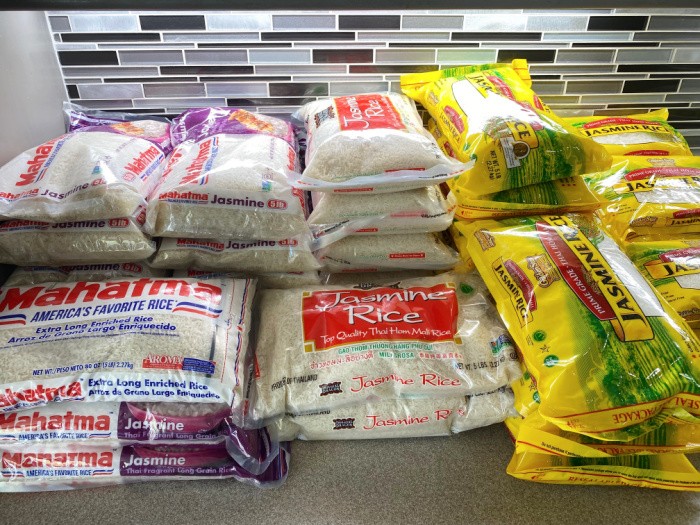
Grocery stores run out of food within 24–48 hours during a grid emergency. Stock up on canned goods, rice, beans, pasta, peanut butter, freeze-dried meals, dehydrated vegetables, oats, honey, powdered milk, and ready-to-eat shelf-stable items. Start with 14 days per person storage, but aim for 30–60 days of food per person.
5. Manual Can Opener
Simple, inexpensive, and absolutely critical. Without electricity, many of your stocked canned goods are useless without a manual opener. Can Opener.
6. Propane or Butane Camp Stove
You’ll need a way to boil water, heat food, and cook meals. Compact camp stoves can be used indoors with proper ventilation. Keep extra fuel canisters and store them safely in a cool, dry space. Butane Stove with Fuel.
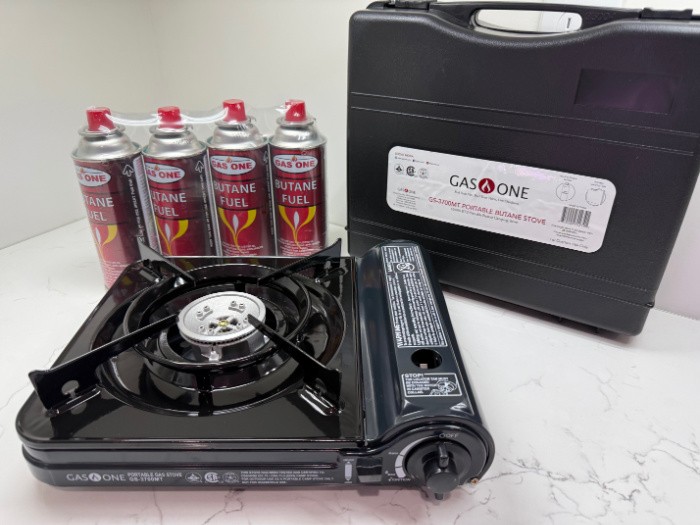
7. Extra Fuel (Propane, Butane, White Gas)
Fuel becomes incredibly valuable during an extended outage. Store extra propane tanks, butane, or white gas, follow local storage laws and safety guidelines. Rotate fuel every year to maintain quality.
8. Rocket Stove
Rocket stoves burn twigs, pinecones, branches, and biomass efficiently, using minimal fuel to produce intense heat. Perfect if propane and butane run out. Rocket Stove
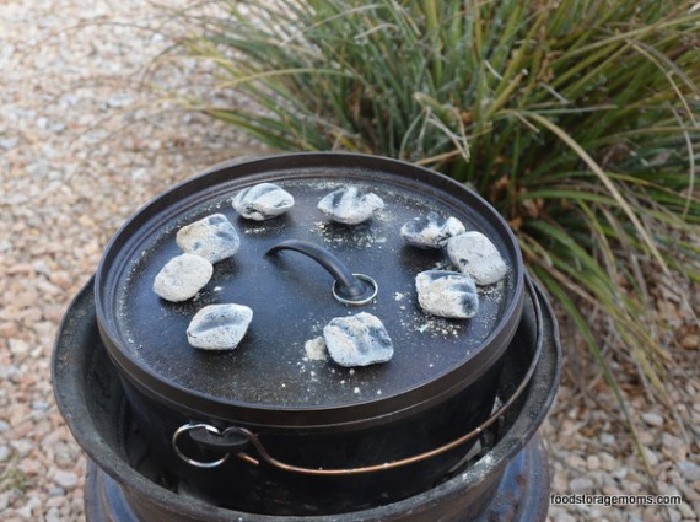
9. Cast-Iron Skillet and Dutch Oven
Cast iron retains heat well and works over an open fire, charcoal, a grill, or a camp stove. Unlike modern nonstick pans, it won’t warp or get damaged by uneven heat.
10. Portable Solar Generator
Solar generators power lights, tablets, phones, radios, medical devices, and even small appliances. Unlike gas generators, they’re silent, renewable, and safe indoors.
11. Solar Panels for Recharging
Solar panels recharge your generator daily. A 100–200-watt setup gives you endless electricity for small devices as long as you have sunlight.
12. High-Capacity Battery Banks
Battery banks keep phones and LED devices powered long after the grid falls. Get several 20,000–50,000mAh power banks to rotate as needed. Power Bank.
13. Extra Batteries (AA, AAA, C, D, 9V)
Store your most-used sizes in bulk. Keep them in waterproof containers and rotate stock every 1–2 years. Harry told me about Sam’s Club batteries, Member’s Mark. They are great batteries.
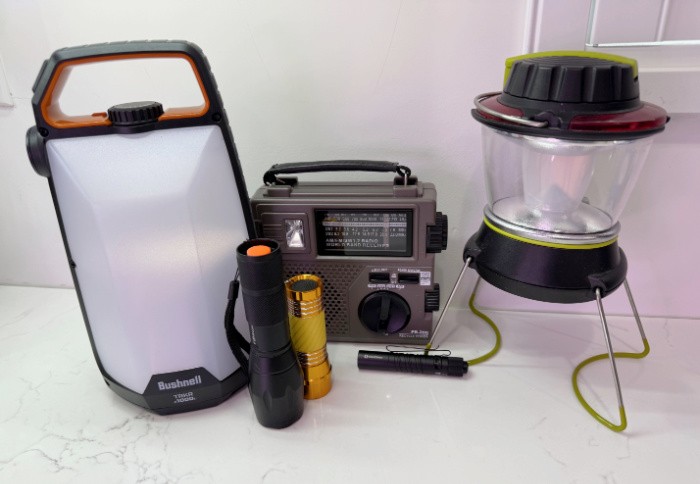
14. Hand-Crank Flashlight
No batteries needed. Ideal for long-term emergencies and nighttime movement.
15. LED Headlamps
Hands-free lighting makes cooking, repairs, and walking in the dark much safer.
16. Emergency Candles
A reliable light source that doesn’t require electricity. Choose long-burning emergency candles made for survival scenarios. Be cautious with candles due to fire danger.
17. Oil Lamps and Lamp Oil or Solar Lamps/Lanterns
Oil lamps provide bright, steady light for hours. Store extra oil, wicks, and a lighter so you’re never in the dark.
18. Fire Starters
Lighters, waterproof matches, ferro rods, magnesium blocks, and fire-starting cubes ensure you can spark a fire even when wet or windy.
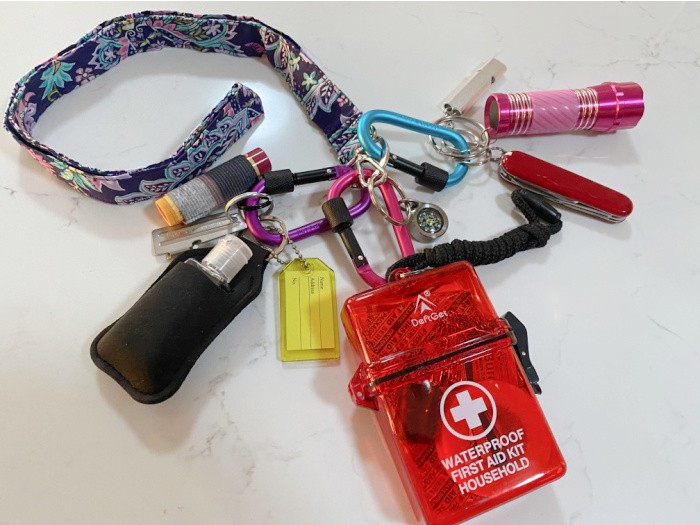
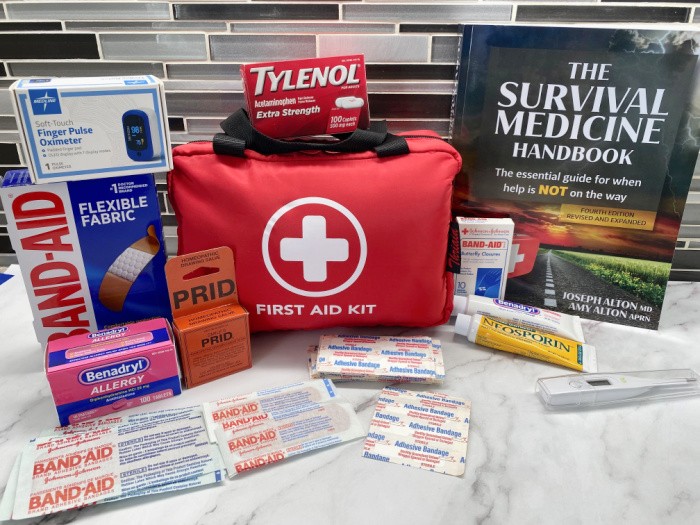
19. Fully Stocked First Aid Kit
Power outages often result in injuries, ranging from cooking mishaps to flying debris, falls, burns, and cuts. Include bandages, gauze, antiseptic wipes, alcohol, scissors, tape, and burn cream. Make your own or buy a First Aid Kit.
20. Prescription Medications
Grid failure disrupts pharmacies and delivery systems. Keep a 30–90 day supply of essential medications and store them appropriately.
21. Mylar Emergency Blankets
These heat-reflective blankets help retain body warmth and help treat shock or hypothermia. Mylar Blankets.
22. Wool Blankets
Wool stays warm even when wet and offers unmatched insulation during winter outages. Wool Blankets (or quilts).
23. Cold-Weather Sleeping Bags
Indoor temperatures can drop rapidly during a power outage, especially during winter storms. Sleeping bags rated for 0°F or below can save lives.
24. Warm Clothing Layers
Layering helps regulate body temperature. Store thermal underwear, fleece jackets, thick socks, gloves, hats, and scarves.
25. Waterproof Boots
Essential for walking in snow, rain, mud, and debris. Wet feet can lead to illness, infections, and heat loss.
26. Hand Warmers
Small but mighty. They help older family members, children, or anyone exposed to cold. Hand Warmers.
27. Wood Stove or Safe Heat Source
A vented wood stove provides heat, cooking capability, and a safe warmth source during prolonged power outages.
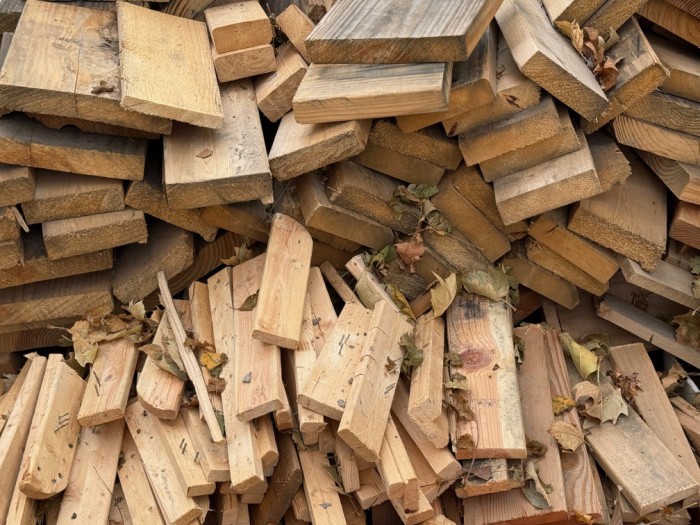
28. Firewood or Fuel Bricks
Store several weeks’ worth of dry, seasoned firewood. Fuel bricks or compressed logs work well when wood is scarce.
29. Multi-Tool
A quality multi-tool includes pliers, blades, screwdrivers, saws, scissors, and more—saving space and weight. Leatherman Tool.
30. Basic Hand Tools
Hammers, wrenches, screwdrivers, saws, and hatchets help you secure your home, make repairs, and handle emergencies.
31. Manual Water Pump
If you rely on healthy well water, your pump will not work without electricity. A manual pump gives access to water in any situation.
32. Buckets with Tight-Fitting Lids
Use buckets for sanitation, water hauling, washing clothes, storing food, or organizing supplies.
33. Non-Electric Cleaning Supplies
Bleach disinfects surfaces, while vinegar and soap provide basic cleaning. Keeping a clean home reduces illness during emergencies.
34. Hygiene Essentials
Stock soap, shampoo, toothpaste, deodorant, razors, and feminine hygiene products. Good hygiene prevents infection and boosts morale.
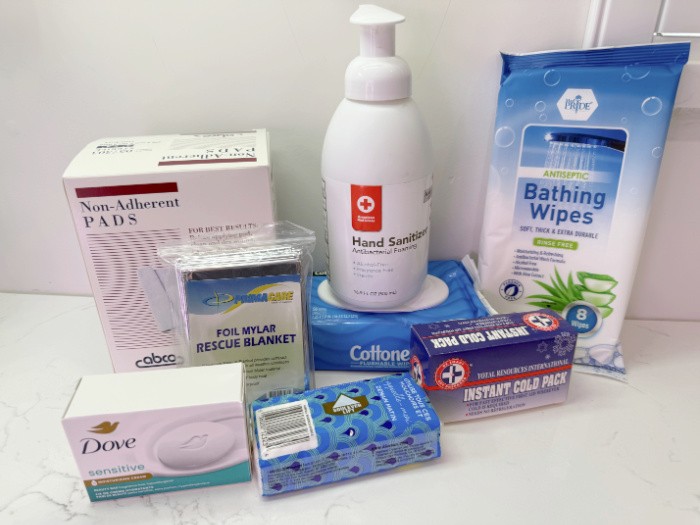
35. Hand Sanitizer
When water is scarce, sanitizer can help keep germs under control.
36. Emergency Toilet or 5-Gallon Bucket Toilet
If sewer systems fail, you’ll need a safe sanitation method. Line buckets with heavy-duty bags and add sawdust, kitty litter, or absorbing materials.
37. Heavy-Duty Trash Bags
Use trash bags to contain waste, waterproof items, create makeshift ponchos, and protect supplies.
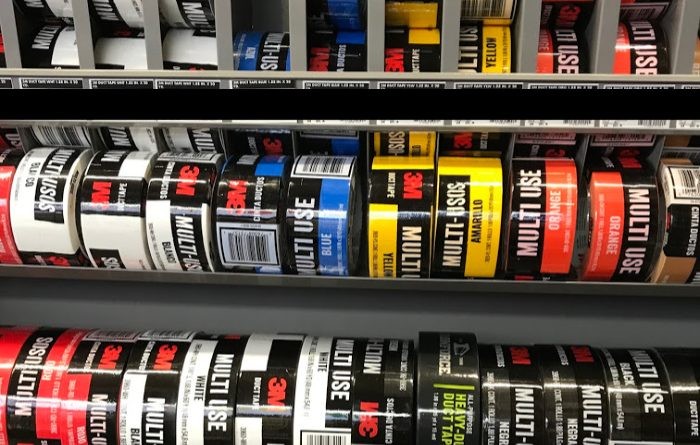
38. Duct Tape
Seal drafts, repair gear, fix leaks, patch shoes, and secure plastic sheeting. An actual survival essential.
39. Plastic Sheeting
Use it to patch windows, contain heat, line floors, waterproof supplies, or create makeshift shelters.
40. Rope or Paracord
Paracord is strong and lightweight. Use it for tying, hanging items, securing tarps, or building shelter.
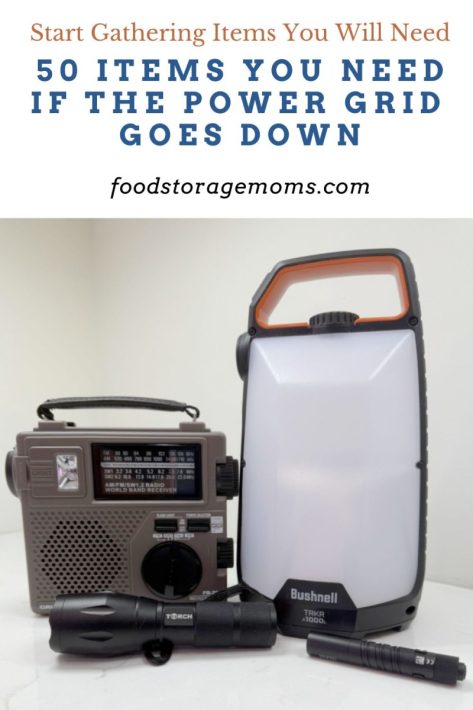
41. NOAA Weather Radio (Hand-Crank or Solar)
When cell towers fail, NOAA radios provide vital emergency alerts, weather updates, evacuation notices, and local instructions.
42. Paper Maps
GPS may stop working. Paper maps help navigate terrain, find water sources, and identify local resources.
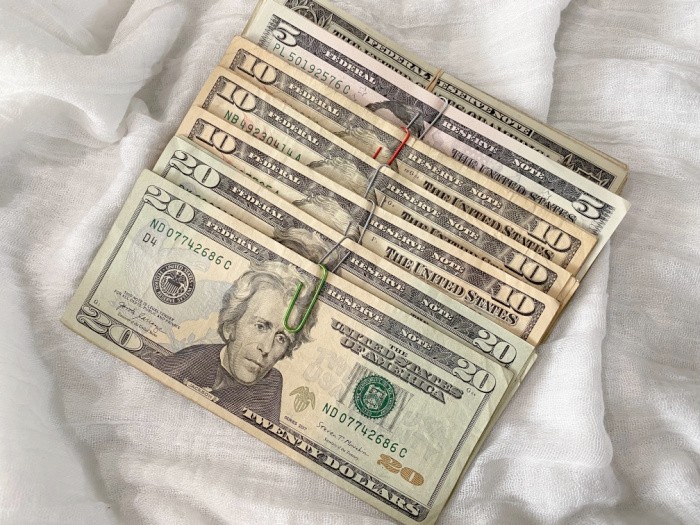
43. Cash (Small Bills)
Without power, ATMs won’t dispense money, and card readers won’t work. Cash becomes critical for obtaining goods or fuel.
44. Printed Copies of Important Documents
Keep printed copies of identification, insurance policies, birth certificates, medical information, prescriptions, and emergency contacts. Store them in waterproof sleeves.
45. Extra Glasses or Contacts
If you rely on corrective lenses, a backup pair could be lifesaving in a crisis.
46. Notebooks and Pens
Track supplies, document events, leave notes for neighbors, and plan your daily tasks. Communication becomes simpler with pen and paper.
47. Family Entertainment
Books, puzzles, games, coloring books, and cards keep morale high, especially for families with children.
48. Pet Supplies
Stock pet food, medications, leashes, water bowls, and bedding. Animals feel stress too, so we must prepare for their needs. Also, crates may help keep pets safe.
49. Baby Supplies
Diapers, wipes, formula, baby food, bottles, and infant medications are crucial for the safety of little ones.
50. Community Preparedness Plan
In most grid-down emergencies, your neighbors become your closest allies. Create a communication plan, share skills, and work together to improve safety and resources.
How To Use Solar To Boost Your Survival
Power Grid Goes Down Summary
If the power grid goes down, preparation becomes your lifeline. Having essential supplies—such as water, long-lasting food, off-grid cooking gear, solar chargers, lighting sources, first-aid kits, sanitation tools, communication devices, and security items helps you stay safe, healthy, and independent.
Stocking fuel, warm clothing, backup heat, personal hygiene products, manual tools, and essential documents ensures you can function without electricity for days or even weeks. Comfort items, entertainment, and community planning also matter for morale. With the right supplies in place, you can confidently navigate emergencies and protect your household no matter how long the outage lasts.
Final Word: Prepare Before the Grid Fails — Not After
The power grid is aging, vulnerable, and heavily strained. Preparing now ensures that when the lights go out, your home stays safe, warm, fed, and functional. These 50 items form a strong foundation for grid-down readiness and long-term sustainability. May God bless this world, Linda









As you know, we lived off the grid most of 22 years. 12v and propane. All external supplies will be gone quickly with no replenishment. People with propane generators simply cannot get the tanks refilled. IF there is delivery, hospitals and emergency services will get everything. A car battery can be used just like the “solar” generators. Hook it up to a solar panel. Cars won’t be running anyway. Might as well use the battery. Check out the folding solar panels on Amazon. Get the highest wattage you can without getting one the size of a billboard! You will need some accessories like a small inverter. It’s an inexpensive way to use what you have and charge what you need. We charge our camper batteries on the camper’s solar panel. Never need to hook up, even in cloudy places like Michigan’s UP.
I like that you added a rocket stove. They are inexpensive and work. We have one that collapses into a small packet.https://amzn.to/4pvQYKq It will hold a large pot when the extender is attached. Fuel is anything that burns. Use outdoors only.
Your list is VERY good. The foldable solar panels are indispensible. I have 2 and one on the camper. Prepper rule “2 is 1 and 1 is none.” We have a fan that runs on the same battery for our power hand tools. Ryobi, but there are other brands. In summer months here in the subtropics, just having a fan like that makes sleeping possible. We’ve had sufficient hurricanes to know that. The solar panels charge it all- even when there isn’t bright sun.
People really have NO idea how it is when there is no “shore power.” After Hurricane Andrew, someone asked my officers how “Sarge” was doing without electricity? They answered, “she probably hasn’t noticed.”
People will learn fast or they will perish. It is that simple.
Your advice is sound. Thank you. You are saving lives for those who listen/read.
Hi CAddison, oh my sweet friend, I love this: After Hurricane Andrew, someone asked my officers how “Sarge” was doing without electricity? This is the best ever!!!! What a compliment!! I put that rocket stove link in the post, thank you so much! I have a couple solar panels. Great advice. Thanks so much for your kind words, lets hope a families read this post. Happy Thanksgiving! Linda
If the outage is long term, I suggest having enough blankets (or packing blankets) to cover all doorways, including outside ones. Ever notice in British television that often there are curtains across outside doors? This is to help keep heat inside when the door is opened. (or just helping to keep heat in when you have drafts). During a week long outage in winter during a snowstorm, when my daughter was here, we put up blankets over the doorways to the living room and lived in it, heating just the one room. It was brutal going to the bathroom when it was about 30*!!! Now, I have 4 MrHeater Buddies so I could heat more than just the one room. BUT if I was to heat other rooms, I’d want that heat to stay in the room. So, rooms without doors like kitchens and living rooms should have the blankets hung to keep heat in.
I have many wool blankets and actually, a wool sleeping bag! It cost me a very pretty penny, but I’m so glad I have it!
Snuggling with your pets will help you both remain stress free and share the warmth.
Layering clothing will also help. I have both silk and wool long-johns. Wear something that will wick moisture against your body (NOT cotton) like wool. There are many wool products now that aren’t scratchy and are really nice looking. I have wool socks and gloves.
Hi Carol, wow, I didn’t know you could buy a wool sleeping bag! That’s awesome! Those Mr. Heater Buddies are awesome! Happy Thanksgiving, Linda
They are EXPENSIVE! Holy Lamb Organics sells them.
holylamborganics.com/search?q=Sleeping+Bag