Why Food Prices Are Still Going Up
This post may contain affiliate links. We may earn a commission if you purchase via our links. See the disclosure page for more info.

Every day, I ask myself why food prices are still going up. From farm fields to your dinner table, a perfect storm of fuel costs, global conflict, and climate stress is pushing grocery bills higher. Here is what’s happening, and what you can actually do about it.
I typically buy cases of canned food that I use often from my Sam’s Club Plus membership card. It’s typically cheaper than going into the store (watch the prices), and they deliver those heavy cases to my door. Mark and I went to Walmart yesterday to pick up a few cans of certain items that were not available from Sam’s Club. Most of the time, I buy 10 cans; it’s how I roll. Well, today we bought 6 regular-sized cans of each product. The prices had doubled, if not tripled, from the last time I purchased them. I was shocked, to say the least. How are people feeding their families? No-Knead Bread
The Checkout Line
If you’ve stood in the checkout line lately, done the math in your head, and quietly put something back on the shelf, you’re not alone. Grocery prices have climbed so steadily for so many months that many families have simply accepted it as the new normal. But understanding why food costs keep rising, and knowing what practical steps you can take to soften the financial toll, is still worth your time, especially if you’re feeding a household on a real budget.
The short answer is that there’s no single villain. Food prices are the result of a long chain, from seeds in the ground to the truck that drops off pallets at your local store, and right now almost every link in that chain is under pressure at the same time.
Key Numbers: Groceries are up roughly 30% compared to 2020. Overall, food prices are predicted to rise 2.9% in 2026. Restaurant prices rose 3.8% compared to last year.
The Big Picture: Where Things Stand Right Now
Overall food prices in the United States were about 2.7 percent higher in March 2026 compared to a year earlier. For 2026 as a whole, food prices are expected to rise around 2.9 percent, with restaurant and takeout prices climbing faster than grocery store prices. That might sound modest, but those numbers sit on top of years of prior increases. Grocery prices are up roughly 30 percent compared to 2020, which means the cumulative damage to family budgets is very real, even when year-over-year headlines look manageable.
Why Food Prices Are Still Going Up
Fuel Costs Flow Through Everything
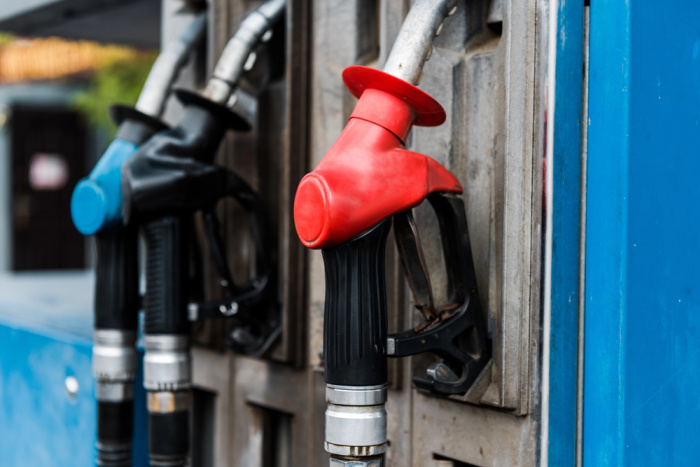
This is perhaps the most direct pressure point right now. Diesel fuel is critical up and down the food supply chain. Tractors run on diesel, and the majority of food transported in the U.S. is moved by truck. Higher fuel costs translate into higher costs throughout the supply chain, ultimately reaching consumers at the grocery store. Perishable items like fresh produce and meat tend to feel the impact first because refrigerated trucks require more fuel to operate.
Seafood, which is typically transported by air, has also been hit immediately because of the high cost of jet fuel. So whether your family’s weekly shopping trip includes a bag of apples, a pack of chicken thighs, or a can of tuna, fuel costs have almost certainly already touched that price tag.
Global Conflict and Energy Markets
U.S. food prices are expected to increase again this year, as market pressures, such as the conflict in the Middle East, squeeze the supply chain from farm to grocery store. At least part of the increase in inflation is due to the resulting spike in oil and gas prices. When energy markets become unpredictable, the ripple effects reach fertilizer production, packaging costs, refrigeration, and transportation all at once. The COVID-19 pandemic in 2020, Russia’s 2022 invasion of Ukraine, and the multi-year bird flu epidemic have each been shocks to the system in recent years, and their effects have never fully unwound.
Fertilizer and Farm-Level Costs
Higher oil prices don’t just affect trucks. Nitrogen fertilizer, which is derived from natural gas, becomes more expensive when energy costs rise. The increased cost of oil-derived nitrogen fertilizer could prompt farmers to apply less fertilizer to their fields, leading to lower crop yields in the fall. That in turn means less feed for livestock and could drive up the cost of beef, which already hit record highs in 2025.
Extreme Weather and Climate Stress
Longer, more unseasonable, and more severe droughts are becoming more frequent, partly because of human-induced climate change. Beef inflation has rapidly outpaced inflation for other foods, partly due to a severe drought that began in 2022, which raised feed prices and discouraged farmers from breeding cattle.
International wheat prices rose by 4.3 percent in March 2026, supported by deteriorating crop conditions in the United States amid drought concerns and expectations of reduced plantings in Australia due to anticipated higher fertilizer costs. Weather is perhaps the most unpredictable factor of all, and it can wipe out a season’s worth of progress very quickly. Many farmers are concerned with the recent low temperatures in areas growing fruit and other products. If the products got frozen, you won’t see much of that product in the stores after the usual harvest period.
Labor Shortages and Transportation Gaps
Labor, transportation, and energy prices remain structural concerns for food prices. Food companies across nearly all industries continued to see turnover increase. The food industry also still lacks enough truck drivers, and electricity prices are expected to rise in 2026 due in part to the growth of energy-intensive data centers throughout the U.S. These costs are ones that food companies eventually pass along, one way or another.
Tariffs and Trade Policy
The administration continues to discuss potential tariffs with Canada, the European Union, and other trading partners, which could drive up prices for fruits and vegetables, cheese, chocolate, spices, seafood, and many alcoholic beverages. Trade policy can shift prices in ways that are very hard for families to anticipate or plan around.
“Very rarely do food prices fall, and when they do, it is very short-lived, which is why some of these disruptions are really concerning.” David Ortega, Food Economist, Michigan State University
Is Eating Out Getting Worse?
Yes, if anything, it’s rising faster. Food-away-from-home prices were 3.8 percent higher in March 2026 than in March 2025, and are projected to rise 3.6 percent for the full year, faster than their 20-year historical average. Labor costs at restaurants are the main driver, since waitstaff, cooks, and delivery workers all need higher pay as wages rise across the economy. Home cooking remains the most reliable way to stretch a family’s food budget.
What Can Your Family Actually Do About It?
You can’t fix global energy markets or drought conditions, but you do have more control than it might feel like you do. Here are some approaches that consistently help real families spend less without eating worse.
Cook More at Home
This isn’t just a cliche. The gap between grocery prices and restaurant prices is significant and growing. Even a few extra dinners cooked at home each week can meaningfully reduce your household’s food spending over the course of a month. Simple, filling meals built around grains, legumes, eggs, and seasonal vegetables remain among the best values in the grocery store.
Buy Store Brands and Generics
Store brand products are manufactured to the same safety standards as name brands and often come from the same suppliers. On a full grocery cart, switching to store brands on even half of your items can save 20 to 30 percent. Start with pantry staples like canned tomatoes, pasta, cooking oil, and oats, and work your way through the rest.
Plan Meals Before You Shop
Impulse purchases and food waste are two of the biggest budget leaks in family grocery spending. Spending ten minutes before your weekly shopping trip to plan four or five dinners, write a list, and check what you already have at home can eliminate a surprising amount of spending over time. Batch cooking on weekends and using leftovers intentionally both help stretch ingredients further.
Prioritize Seasonal and Frozen Produce
Fresh produce that’s in season locally tends to cost significantly less than out-of-season items that have traveled long distances. Frozen vegetables and fruits are harvested and frozen at peak ripeness, often retain the same nutritional value as fresh produce, and are almost always cheaper. They also serve as a great buffer against weeks when fresh prices spike.
Use Store Loyalty Programs and Gas Discounts
Several grocery chains with fuel centers, including Albertsons, Kroger, and Safeway, award loyalty program members with fuel points for every dollar spent on groceries, with 100 points equaling 10 cents off per gallon. These programs cost nothing to join and can provide real savings on both groceries and fuel, two of the biggest recurring household expenses right now.
Consider Warehouse Memberships for Staples
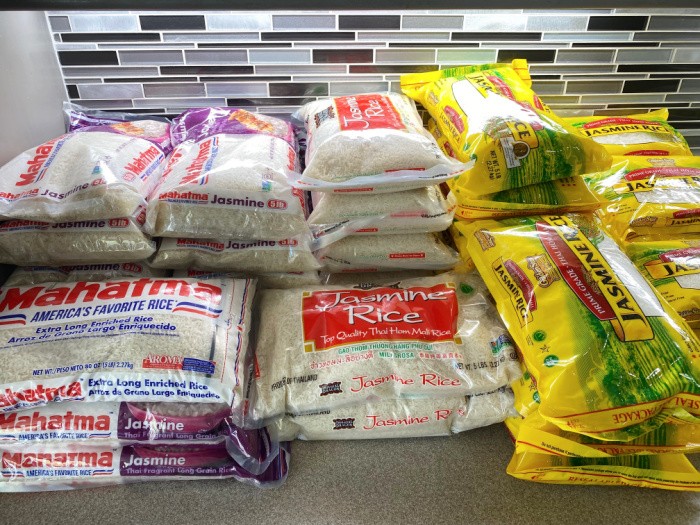
For families that use large quantities of staples such as cooking oil, rice, dried beans, canned goods, or cleaning supplies, a warehouse club membership can pay for itself quickly. The key is to buy only what you’ll actually use before it expires, and to stick to categories where bulk pricing genuinely beats the grocery store. One key approach is to check the price per ounce that’s listed on the shelf price tag. Usually, larger bags or cans equate to lower prices per ounce. They may cost more in total, but you’re saving money based on the cost of each ounce purchased.
I’ve mentioned in many of my posts over the years that I look for caselot sales. We used to see them more often in the fall, but these days, the stores seem to have them multiple times a year. Make sure you buy what your family likes to eat, check the expiration dates, and buy what you have room to store at home.
Look Into Food Assistance If You Need It
If you’re struggling to afford groceries, look into help from food pantries and programs that offer free or reduced-cost meals. There’s no shame in using the resources available to families during difficult stretches. SNAP benefits, local food banks, school meal programs, and WIC all exist precisely for moments like this.
Will Prices Ever Come Back Down?
The honest answer is: in most categories, probably not. Very rarely do food prices fall, and when they do, it’s very short-lived and relates to a certain category of food. Eggs are a good example. They went up a few years ago when poultry farms were having to wipe out their flocks due to the avian flu. Once that challenge was dealt with, we’ve seen egg prices come down significantly. What families can realistically hope for is that the rate of increase slows down and stabilizes, giving wages a chance to catch up. Barring major disruptions to weather, trade, or energy markets, grocery prices should remain at moderate levels of inflation through 2026, though the range of uncertainty is wide.
Final Word
The most empowering thing any family can do is understand the forces at play, make intentional choices about where to shop, how much to spend, and how to spend it on foods you like, and remember that small changes in shopping and cooking habits really do add up. You didn’t cause this situation, but you do have more agency in navigating it than the checkout line might make you feel. Don’t forget to plant those garden items you like, such as tomatoes, green beans, and strawberries. Having a garden can also be a cost-saving step and one that promotes a healthier lifestyle.
A Quick Family Checklist: Cook at least four dinners at home each week. Switch pantry staples to store brands. Write a meal plan and shopping list before every grocery trip. Lean on frozen vegetables and in-season produce. Sign up for your grocery store’s free loyalty program. If you’re struggling, reach out to your local food bank or check SNAP eligibility. May God bless this world, Linda
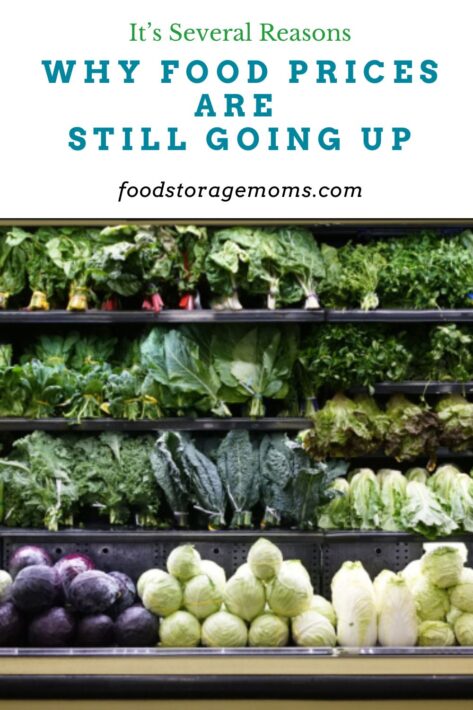
Images: Grocery Store Front AdobeStock_429829305 By Maksym Yemelyanov, Fresh Vegetables In A Grocery Store AdobeStock_496564425 By nd700
Sources: USDA Economic Research Service, FAO Food Price Index, Michigan State University, FMI The Food Industry Association | April 2026.
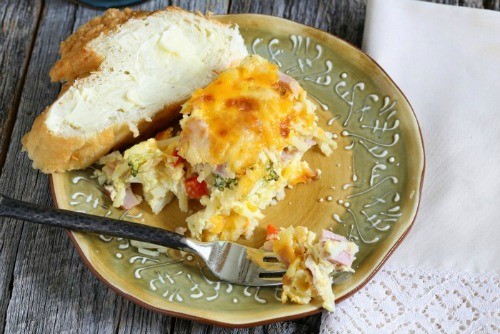









Our pastor was teaching on strengthening family ties this morning and gave some statistics. Fifty percent of people go to a drive-thru fast food restaurant to get at least one meal a week. This is shocking to me. We don’t do that unless we are traveling and on a time limit. If we eat out (rarely) we like to go inside and sit down to order. I guess we are old-fashioned! Plus it is SO expensive!
Hi Paula, Mark and I are like you. We rarely if ever go through a drive through. We do go out with one couple every couple months. It’s fun but expensive. That’s the only time I order an over-priced cherry coke only if it’s grenadine. LOL! I guess we’re both old-fashioned. LOL! Linda
I have been keeping track of the same groceries at Walmart Neighborhood Market since 2021 – did not trust Biden. Any how since Jan. 25, 2025 the price was $75.62 and as of today, April 26, 2025 for the same items at the same store is $69.30.
The gas prices as told by AAA National Average on April 25, 2022 – $4.123gal, and on April 25, 2026 $4.086.
Hi Barb, thank you so much for sharing these stats! WOW! I LOVE LOVE LOVE this! Linda
I’m a bit of a nerd when it comes to things like that. Also keep track of prices of utilities, Amenity fees, and garbage fees.
Hi Barb, it’s a smart idea to that! Linda
Many smaller cattlemen are quitting due to prices. It’s what the government wants. They prefer big business to run it and control the trade.
If you think it’s bad now just wait
Hi Matt, I agree, it’s just a matter of time. I can’t imagine how awful, sad, or whatever it would be to own a generational farm that NOW has to shut down. It’s a sickening thought, I am sick for those families. Linda
This is the first year I will not freeze strawberries unless Rulers has their $2 berries again.
Berries yesterday at one tent along the road in a rural area were 6.50 a quart and another was $7 for a large bowl….kind you serve vegetables/mashed potatoes in.
This isn’t the first item I have learned to do without.
Hi Jay-Jay, i hear you on items we have to learn to live without. I haven’t bought berries in years. The prices are to high. Fresh is awesome but the price tag is too high! Linda
We have squeezed our budget until it cries for mercy. Even our rides in the country are being cut. I try not to bring it up to my husband because no man has worked harder for his family. I will make it work.
Hi Chris, one good thing is a car ride is cheaper than a therapist, I am guessing! LOL! Linda
Chris and Linda,
Yes, a car ride is great therapy. And, for Pat and me, a motorcycle ride is even better. Either one needs to be done out through the country where there is little traffic and hopefully some wildlife to view!!
Hi Harry, a motorcycle ride sounds even better! Life is good! Linda
In addition to fuel prices being high, cattle ranchers are still recovering their herds from weather related disasters a few years ago. That, plus the high cost of feed–which caused many of them to slaughter their herds after the derecho in the mid west almost six years ago–is driving them out of business. I really would like to see more of them direct sell beef to consumers.
We have a handful of local ranches that do that here in my part of AZ, and they even provide the butcher. Families can get as little as a quarter beef. Prices per pound are somewhat high if you are getting a lot of ground beef, but low if you have the butcher focus on steaks and roasts. Last fall, as I recall, my order ran a bit more than $7.50 per pound, for almost 150 pounds from our quarter beef. Just beware if your rancher is selling you live weight or hanging weight. You want hanging weight.
Hi Ray, I was praying we could afford some beef to put in the freezer but life keeps changing. Maybe next year I will look for some beef from a rancher like you did. Everything is so darn expensive. It’s not going to stop going up. Dang it! I remember writing about the derecho years ago. Linda
Hello, Linda et al.: We get all cuts of beef of any type for $6.00 a lb. from our dear organic farmer friends, so that’s not TOO bad! On the other hand, I have not seen ANY case lot sales for canned foods anywhere for over a decade! THAT is why we buy our canned and bulk products from Azure Standard. Sometimes, when things are on sale, it is really worth it, and their quality is generally VERY good! The one time I got some fresh fruit that seemed “off”, I called HQ and they credited my account for the complete quantity! YAYAYAYAY!!! We can buy our cases of, say, canned organic green beans for less than the local grocery store sells them for, and they are way better in taste and condition. 🙂 Their organic canned super-sweet corn is excellent, too. 🙂 We LOVE Azure, especially if it is hard to actually can that product at home yourself. We even steam-juice our elderberries every year, and that juice does WONDERS against catching viruses!
Hi Jess, I’ve heard good things about Azure from you. Those elderberries are a blessing. I wish we lived close to an Amish farm. Linda
Hi, Linda: It is true that we are very blessed to be in an area where a significant no. of Amish and Mennonite families live. They are really, truly honest, reliable and kind-hearted people, at least the ones we know and are friendly with in our area. Ditto for the ones with whom we maintain a great relationship, even though they’ve moved nearly 6 hrs. away. What an honor and privilege to be celebrating with them when their oldest girl turns 17 on the same day as our 45th wedding anniversary in early June. I know we will all have a great time with a joyous party!! The elder berry juice I was talking about steaming in my Mehu Lisa juicer comes from our own elderberry plants, though, not from Amish friends!
Hi Jess, having fruit and vegetables growing on your yard is a blessing. I do remember you saying you had elderberries growing in your yard. That truly is a blessing. Linda