
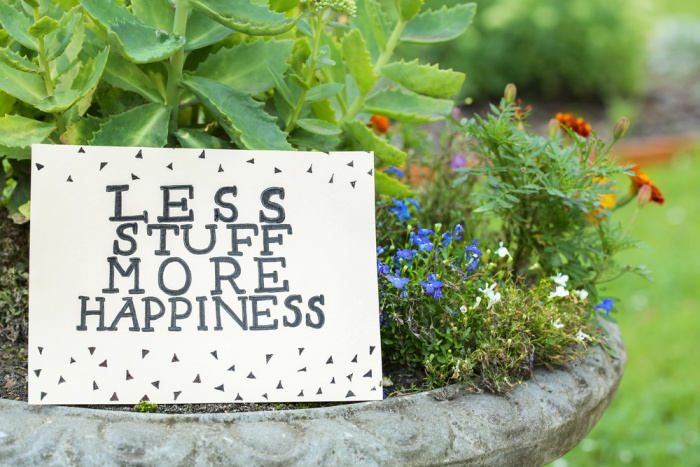
Do What Is Right For You And You Will Always Be Happy
This post may contain affiliate links. We may earn a commission if you purchase via our links. See the disclosure page for more info.

Do what is right for you, and you will always be happy. You have probably heard the phrase a hundred times. Do what is right for you. But what does that actually mean in a world full of opinions, expectations, and people who love to give unsolicited advice? The truth is that genuine happiness starts from the inside out. When you align your daily choices with your own values and what truly matters to your family, life gets a whole lot easier. And yes, getting along with the people around you becomes much more natural, too.
When one of my daughters graduated from university, the main speaker shared this phrase. I wrote it down on a piece of paper. I thought it was powerful. I made a wooden sign with it, but I’m not sure it was ever hung up. I’ve kept it since it meant a lot to me. No worries. I loved the statement, so I kept it. This post is all about learning how to protect your peace, care for yourself first, and still build meaningful relationships with the people in your life.

Why Taking Care of Yourself First Is Not Selfish
There is a reason flight attendants tell you to put on your own oxygen mask before helping others. You can’t pour from an empty cup. When you’re running on empty, juggling everyone else’s needs while ignoring your own, you become short-tempered, exhausted, and resentful. None of those things is good for your family or your relationships.
Self-care doesn’t have to mean expensive spa days or long solo retreats. It can be as simple as getting enough sleep, eating nourishing food you’ve stored and prepared yourself, going for a walk, or spending quiet time doing something you genuinely enjoy. When you make your own well-being a priority, you show up for others in a much healthier and happier way.
Here are a few practical ways to take care of yourself first:
Get enough rest. Your body and mind need sleep to function well. Most adults need between seven and nine hours per night.
Eat well and stay hydrated. What you put into your body matters. Home-cooked meals made from whole, real ingredients support your energy and mood.
Move your body. Even a short walk each day can lift your spirits and reduce stress.
Protect your time. You don’t have to say yes to everything. Learning to say no kindly is one of the most powerful self-care tools you have.
Spend time doing what you love. Whether that is gardening, baking bread, reading, or quietly organizing your pantry, make time for the activities that fill you up.
Define your circle of friends and family. Only associate with those who make you happy. You don’t need to feel guilty. You need to feel loved and wanted. Remember, it’s your choice.
Topics to Avoid If You Want to Get Along With Others
Here is a truth most people learn the hard way. Certain conversations have a way of turning otherwise pleasant gatherings into uncomfortable standoffs. If your goal is to keep relationships warm and your household peaceful, there are some topics worth steering clear of, especially in casual settings.
Politics. Few things derail a friendly conversation faster than political debates. People hold deeply personal beliefs shaped by their life experiences, and those beliefs rarely change because of a dinner table argument. Unless you’re in a trusted, thoughtful setting where all parties are genuinely open to dialogue, it’s usually best to keep political discussions off the table.
Religion and personal faith. Faith is deeply personal. What brings one person comfort may feel foreign or even offensive to another. Unless someone specifically invites that kind of sharing, it’s wise to respect that what works for your family spiritually is, simply, personal. In Utah, it’s quite common to ask a high school graduate (18 years old), “Are you going on a Mormon mission?” “Where are you going to go to college?” Practice listening to them first. Have you heard of Scruples Syndrome?
Scrupulosity syndrome is a form of obsessive-compulsive disorder in which a person becomes consumed by excessive guilt, shame, or fear related to religious, moral, or ethical matters. Someone dealing with this condition may constantly worry that they have sinned, offended God, or acted immorally, even when there is no reasonable cause for concern. These intrusive thoughts can become so overwhelming that they interfere with daily life, relationships, and a person’s ability to experience genuine peace or joy. Unlike a healthy conscience that guides a person toward good choices, scrupulosity traps a person in a relentless cycle of doubt and self-condemnation that is very difficult to break without proper support. If you or someone you love struggles with these kinds of persistent, distressing thoughts, speaking with a mental health professional who understands both faith and OCD can make a meaningful difference.
Money and financial comparisons. Talking about how much things cost, what others earn, or comparing lifestyles can quickly create tension. Everyone’s financial situation is different, and nobody benefits from feeling judged or inadequate.
Parenting choices. Every parent is trying the best they can with what they have. Commenting on another family’s parenting style, even with good intentions, rarely lands well.
Unsolicited advice. Even when you genuinely want to help, jumping in with advice before someone asks for it can feel dismissive—practice listening first. Ask what kind of support someone needs before offering solutions.
Personal appearance and body comments. This one seems obvious, but it still comes up. Comments about weight, clothing, or physical appearance, even meant as compliments, can carry unintended baggage.
Avoiding these topics isn’t about dishonesty or hard conversations. It’s about choosing the right time, the right relationship, and the right setting for deeper discussions.
How to Genuinely Get Along With Others
Getting along with people doesn’t mean agreeing with everything they say or hiding who you are. It means choosing kindness, practicing patience, and giving people the benefit of the doubt.
Listen more than you speak. Most people want to feel heard. When you truly listen by waiting for your turn to talk, people feel respected and valued. That goes a long way.
Assume the best. When someone says something that rubs you the wrong way, pause before reacting. Nine times out of ten, they didn’t mean it the way it landed. Giving people grace is one of the most freeing things you can do.
Pick your battles. Not every disagreement needs to become a conflict. Ask yourself whether it’ll matter in five years. If not, let it go.
Apologize when you’re wrong. There’s real strength in a genuine apology. It builds trust and shows the people in your life that your relationship matters more than being right.
Find common ground. Even with very different people, there’s almost always something you share. A love of food, a desire to protect your family, and a good sense of humor. Start there.
Be consistent. People trust those who are reliable. Do what you say you’ll do, show up when it counts, and follow through.
The Connection Between Doing What Is Right and Being Happy
Happiness isn’t something that happens to you. It’s something you build, decision by decision, day by day. When you make choices that align with your own values, whether that means simplifying your life, stocking a well-organized pantry for your family, growing your own food, or just choosing to spend your evenings more intentionally, you feel a quiet, steady kind of satisfaction that no outside circumstance can easily take away.
People who do what is right for them without apology tend to be calmer, more grounded, and easier to be around. Their peace isn’t dependent on everyone else’s approval. That’s a gift, not just to themselves but to everyone in their life.
Final Word
Doing what’s right for you isn’t about being selfish, stubborn, or closed off to others. It’s about knowing yourself well enough to live with intention. It’s about caring for your own health and spirit so you can show up fully for your family and community. And it’s about respecting others enough to let them do the same.
When you protect your own peace, steer clear of conversations that stir up more heat than light, and choose kindness in your daily interactions, you create an environment where happiness isn’t just possible. It becomes your everyday normal.
Start small. Take care of yourself today. Choose one conversation you don’t need to have. Listen a little longer than usual. You might be surprised at how much lighter everything feels. May God bless this world, Linda
Copyright Images: Happy Place On Rock Depositphotos_676002920_S, Happiness with Less Stuff Depositphotos_617121170_S


















While I believe this: “do what is right for you and you will always be happy” in theory, I also believe that it can be overly self-serving! I think that one can make the choice to be happy in all circumstances. I get up in the morning saying to myself that this will be a great day full of joy and happiness. It changes how I look at things that happen during the day. It doesn’t take away all negativity, but it sure helps me!! Also, I do believe that we need self-care but not to the exclusion of others all the time!
Hi Leanne, well said, I totally agree. Linda
I truly appreciate your wisdom Linda, I think we all want to do good….even when we fail.
Hi Chris, I think we learn from failing. I call them learning curves. If we take care of ourselves we can always help others. Linda
Ah, no. If I did what was right for me other family members would suffer.
Hi Hudson, I get it. My point is we must take care of ourselves and then will be able to take care of others. Your comment is well taken, you are a good person, thank you! Linda